
What's Next?
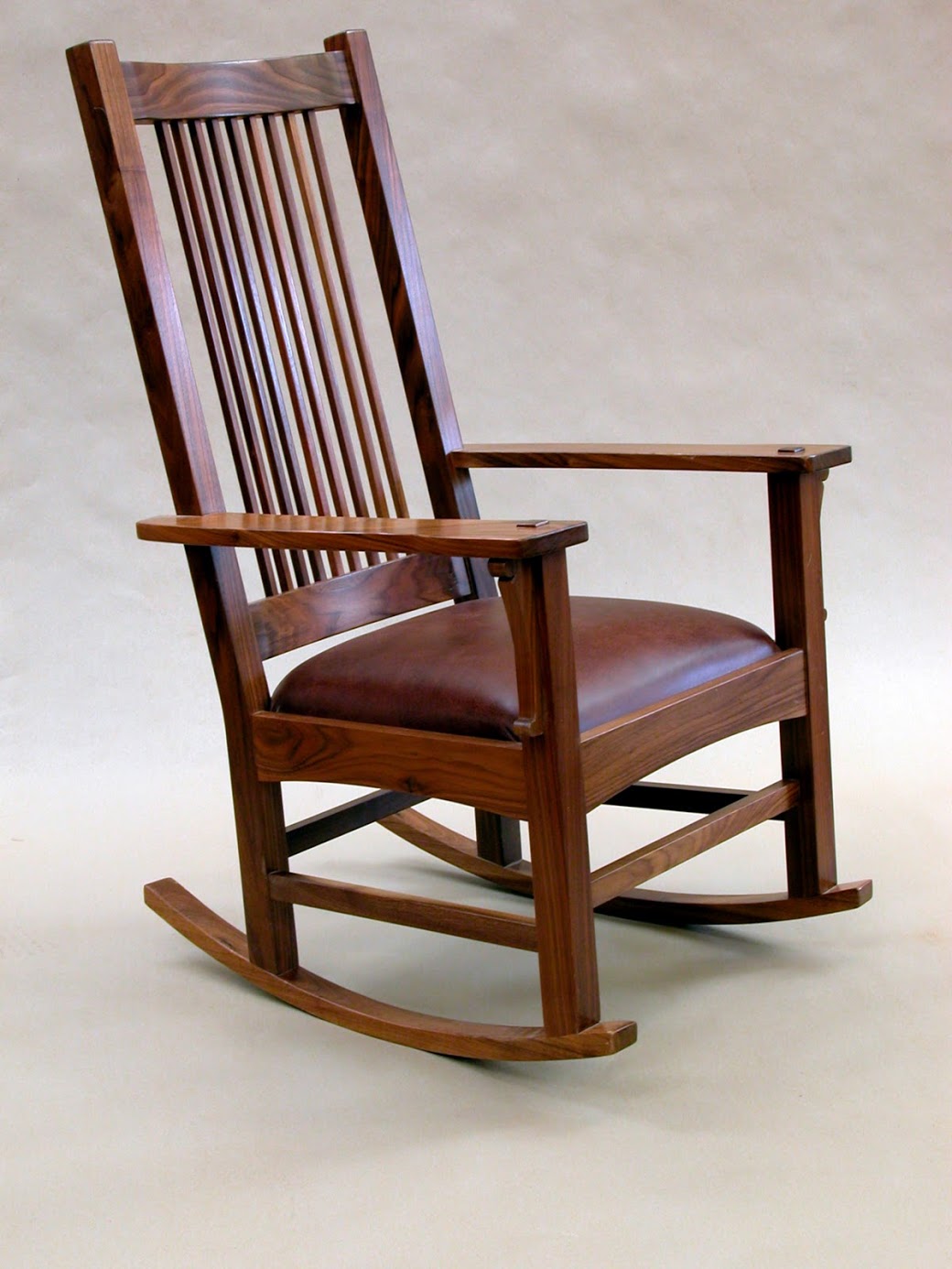
Now that I have caught everyone up on the essentiality of sharpness, that non-sharpness is never an option, and that sharpening needs to become the rhythmic heartbeat pulsing into and punctuating the work in hand, I want us all to focus on keeping well. The sanity of joinery rests in this one reality: joinery is mostly a simple thing that puts all of the steps in a specific order. Follow the steps and the joints fit and fit well. Add this reality too. With just three joint types made with no more than ten basic and readily available hand tools, you can make almost everything you know of that's made from wood.
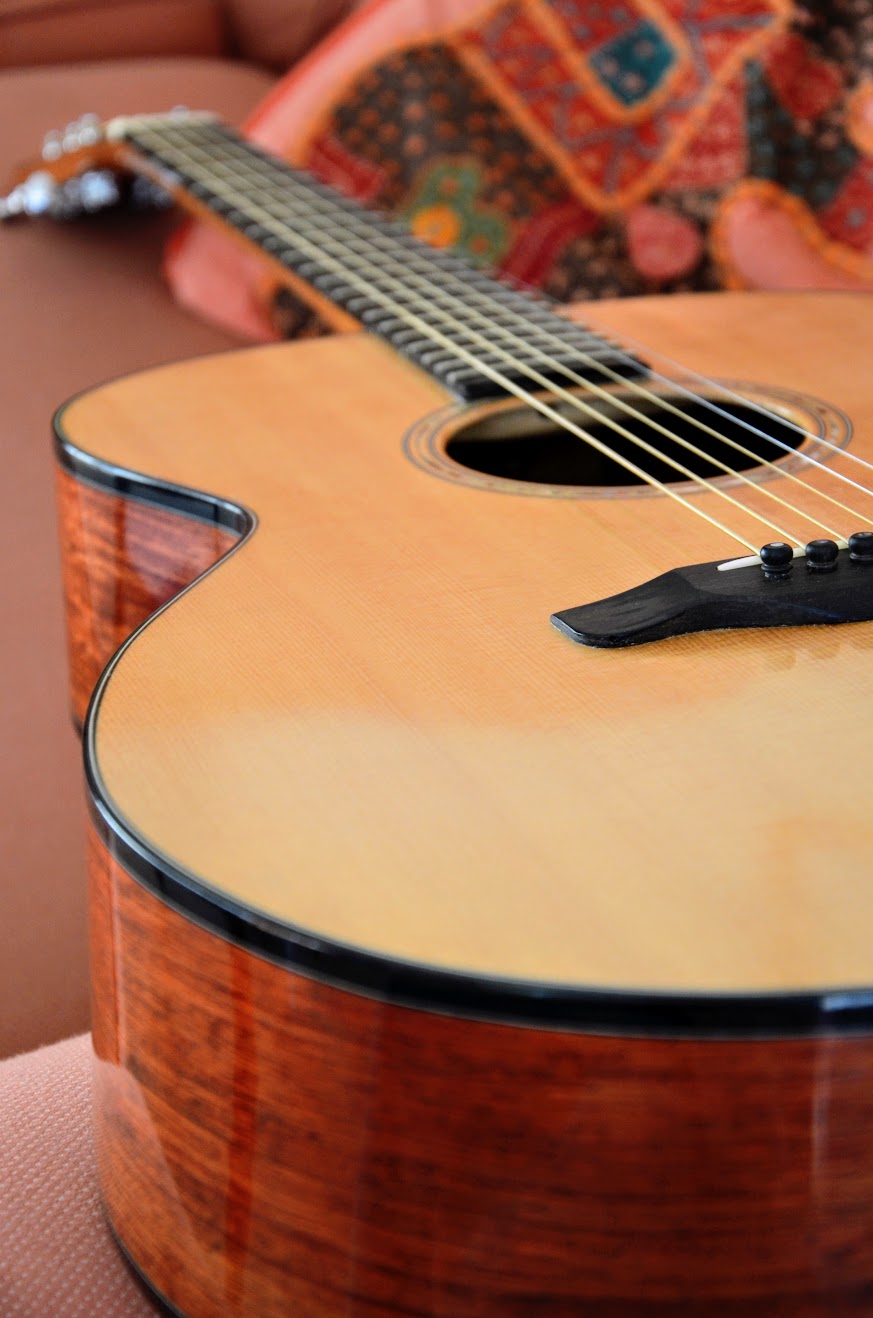
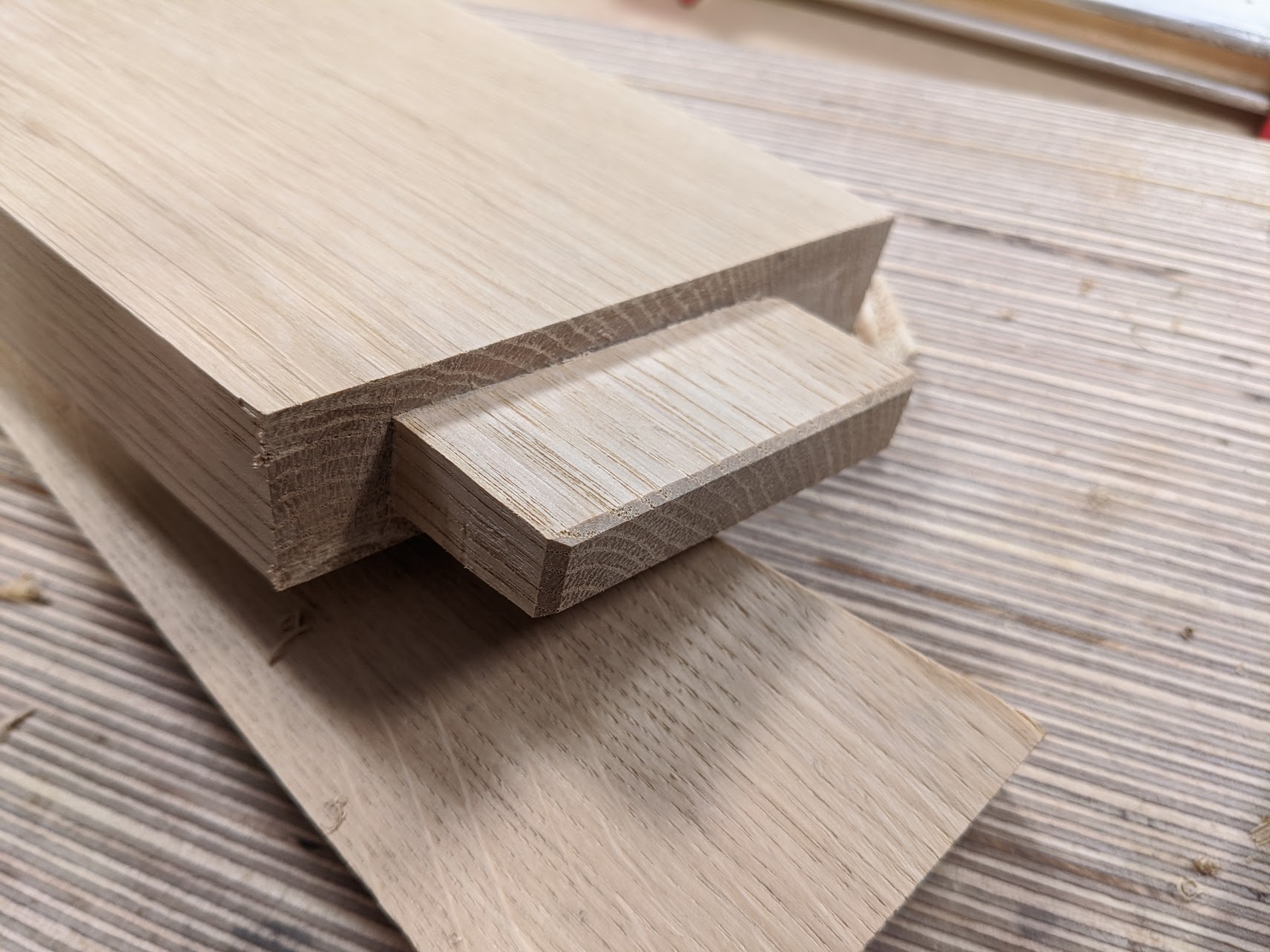
Some things, a kayak perhaps, a guitar, a cello or such, need but one or two special, less common joints if any at all. Simplistic? No, it's not. To cut a mortise and tenon joint you need only a wide chisel, a mallet or chisel hammer (your preference), a combination gauge, a square, a measuring tape, and a knife. You can add a tenon saw, but it is not essential for cutting tenons really. Everything you need to make a tenon and a mortise can be done perfectly well with these few tools alone. Then, to cut a dovetail joint, any type, you need the same tools plus a small-toothed saw like a gent's saw or a dovetail saw, and a sliding bevel. With two joint types done, and then a half dozen variations on the two themes, all you have left is the housing dado, and again two or three variations on the theme there too. To cut a housing dado, the last of the three joints, you need no additional tools except perhaps narrower chisels to suit the width need of the housing dado. So here we have the reality, friends; joinery just got cheap and simple yet your joints can be of the finest quality.
More tools might make it occasionally simpler but not much because it's not complicated anyway. If you want to add in a router plane then go ahead. Nowhere else is it written before my time that the router refines tenons the way I have taught over the past four decades. Before I taught on this secondhand router planes could be had from eBay for £10. Today they go upwards from £80 and often for £120 and more. For me, the hand router is still a semi-luxury tool that can perfect the human propensity for error and inaccuracy. Does this not all amaze you? It still amazes me after half a century. With just seven to ten good, inexpensive hand tools and you are on your way. I'll bet lots of would-be woodworkers already have half of them somewhere. As long as they don't listen to gurus they'll just get on with what they have and what they can find. No need to be encumbered by high-end or heavyweight tools. Alright, I will throw in a router plane for good measure.

So the cost without the router plane? £20 for a secondhand #4 bench plane like a Stanley or a Record pre-1965, £10 for a combo gauge, £10 for a square, £6 the knife, £10 for the chisels, £15 the chisel hammer, £3 a tape measure, £20 a gent's saw, sliding bevel, under £10. Around £100 gets you started.
Now buy in the wood and follow our commonwoodworking.com. There are several courses, exercises, and projects to plug into, and thousands have trained with me this way.
Comments ()