
To Exercise or Not?
That is the question...
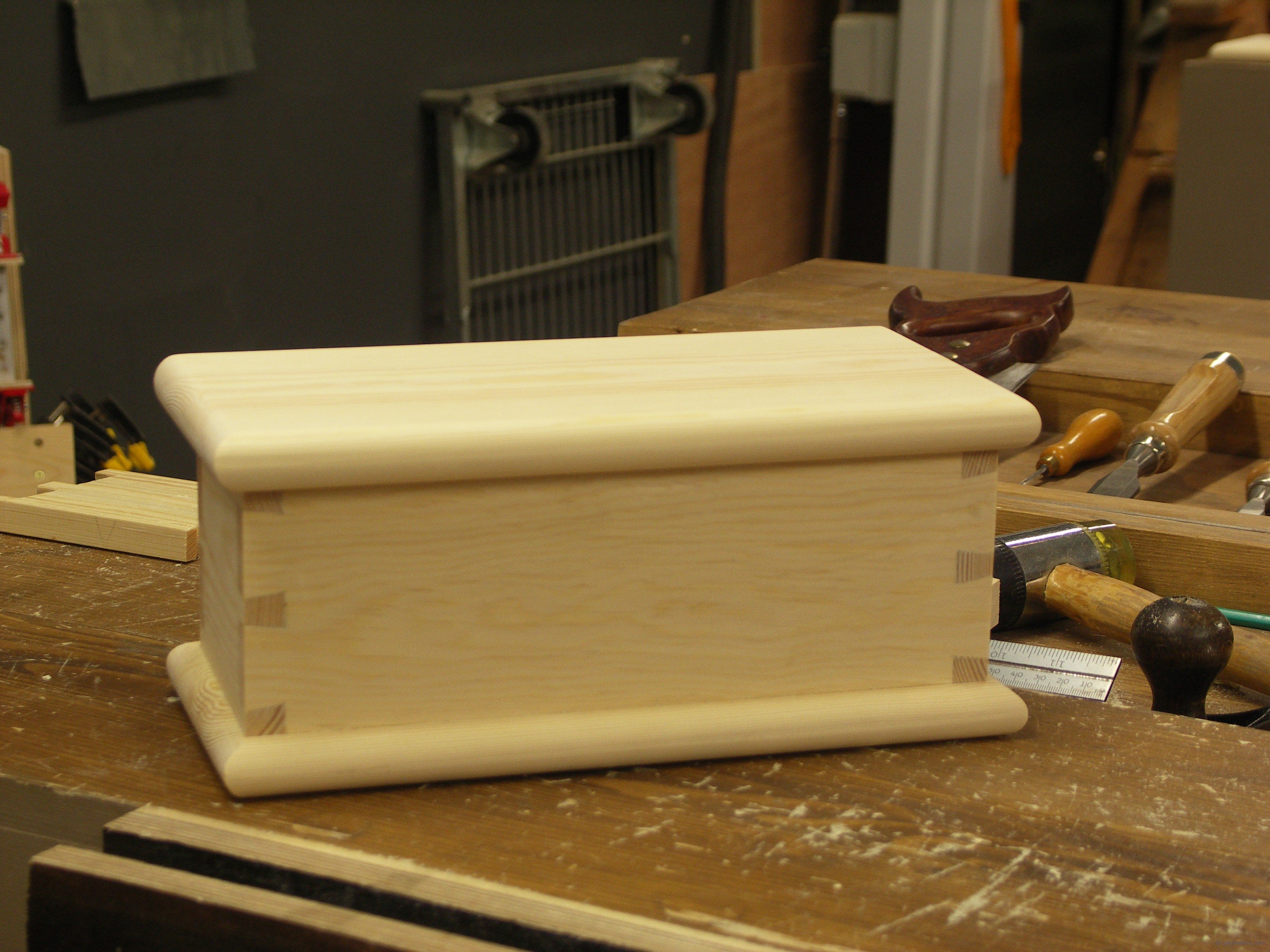
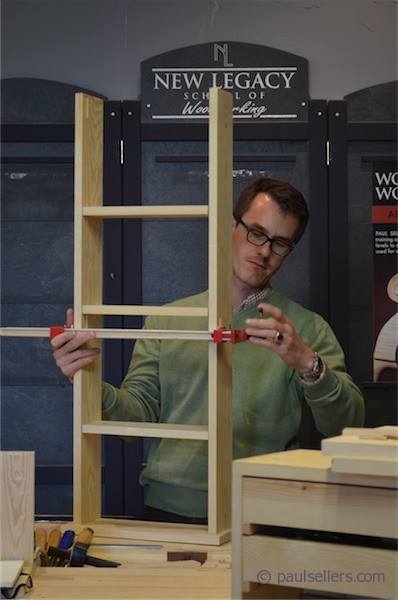
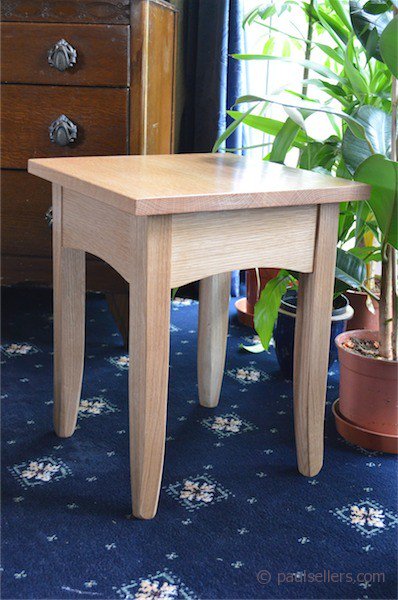
A decade ago a student came to my class and in twenty minutes learned how to sharpen edge tools. "That's was so amazing!" He said. I spent a week on a woodworking course for sharpening and you just taught us more in twenty minutes than I learned in the whole week. We went back to the bench dozens of times when after examination the teacher kept telling us, 'Not good enough, not good enough'. We had all kinds of equipment using this and that all of which cost a small fortune. Hollow grinds and micro-bevels, this file and that, I was totally confused over sharpening everything, saws and such too. And we had to buy a half dozen planes before we went on the course to use there. I almost gave up. In the same six days, I have made a wall shelf, a dovetailed box, and a table all by hand and using only the basic equipment with no machines." Such can be the way of teachers some times.
I preface the article here as a question because whereas exercises have value, there is a difference between an exercise and a practice. It's not always too clear though what the difference is. Some things simply remain from early generations in schools we went to as kids. Depending on the teacher I'm sure, I have heard of the mean spirited making children lose heart by the insistence on rote repetition. Week on week the children were discouraged and by the time the kids got to a project they were out of time.
The question for me is this. Is it necessary to make a dozen of this or that before we start a project or can the project be the vehicle to learn, practice and exercise on.? My courses evolved according to the students I was working with. I first taught children as students before I tackled adults. Adults came with lots of baggage and I was a woodworker and not a baggage handler.
The reason I do have brief practice and then switch to making a project is the project becomes more important to the student and they invest themselves in something that, well, might just turn out. If a box has four dovetailed corners, the corners map the project's improvement. My project is the students, whereas the student's project is the piece they make. No matter what's made, it is a good idea to make early on. The result of my switching led to much greater levels of success in the hand made projects they racked up. We still had an introduction to making the three most important joints on the first day, but look what 6,500 students made over 25 years in my six-day introduction to woodworking workshops.
Of course, most schools want you there as long as possible. Bums on seats means income over a prolonged period. Students from independent schools and colleges alike that came on my courses always said that they learned more in my week-long than they did in months and sometimes years at uni. Whereas this is true, it was the students who stepped out and took the chance that prospered the most.
Comments ()