
Progress What?
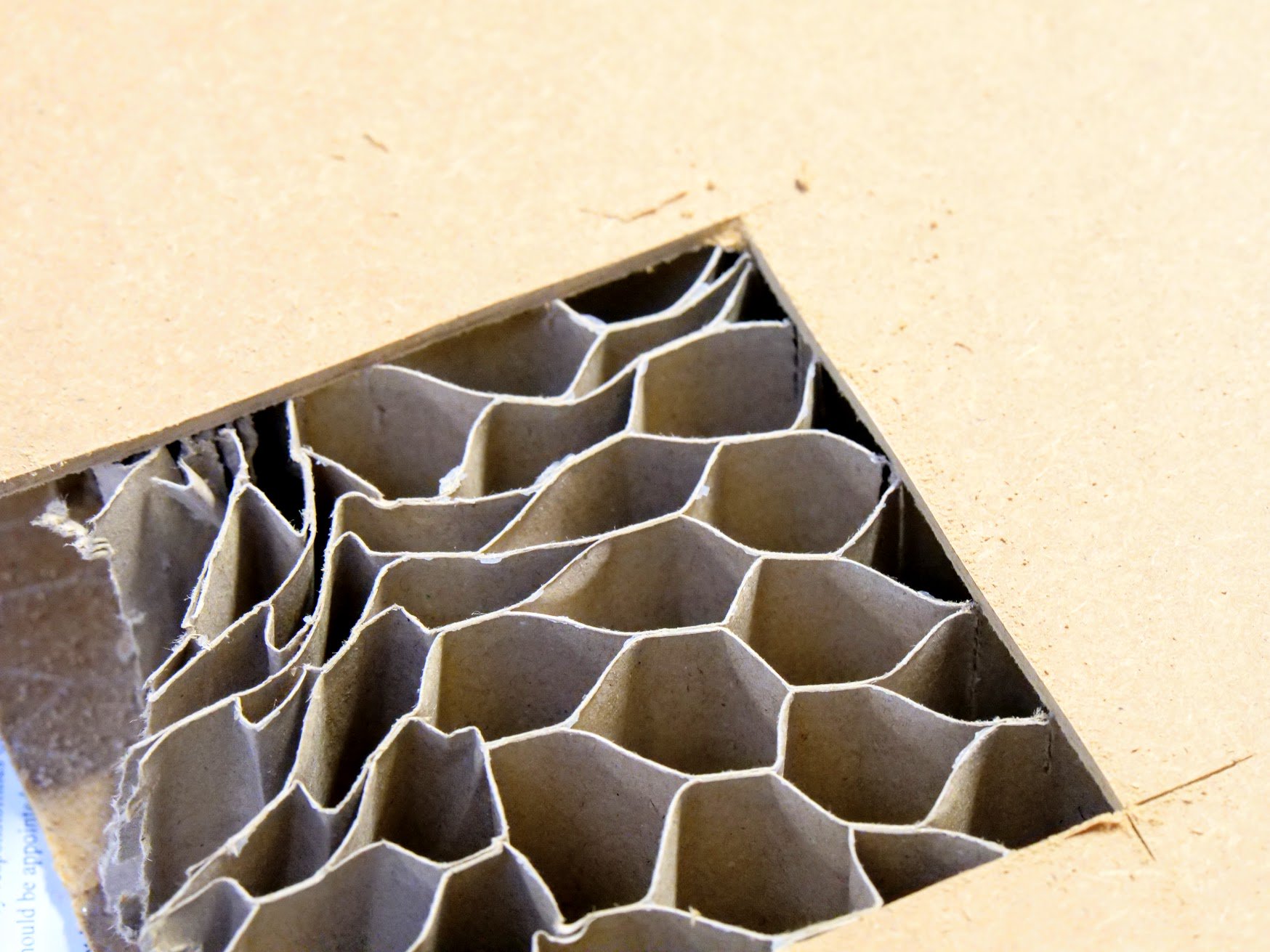
I have made some rough-and-ready pieces in my time. That's not a confession, it's what we do in life to make life work. I suppose my rough-and-ready might be the equivalent to something from a big-box store not unlike IKEA, Dunelm and many more, but without the pressed fibreboard hollow-core egg-crate cardboard veneered with the now dreaded plastic veneer. The time we needed a dining table but had no time to make one or the money to buy one, I made a quickie from some 3/4" plywood I had, laminated two-by-four legs for it and then tiled it with ceramic wall tiles. It worked fine for a decade. Other times have been much more rugged. When I built my first Texas home in Reagan Wells, Texas, two trestles and a four by eight sheet of 3/4" plywood came about for an emergency dinner at Christmas. Trouble is, with things like that, it becomes perfectly functional, useful, so it continues in use and the embarrassment to the maker much longer than it should. Phrases from people long gone are fine enough. I mean things like, "Have nothing in your house that you do not know to be useful, or believe to be beautiful." fly to the wind in the face of desperate need, even though it is, yes, useful and then something to perhaps aspire to. In the midst of urgency, corners do get cut, relatives and friends arrive, and the cooked and browned turkey is duly placed centrepiece to the event and your embarrassing production lies hidden beneath a tablecloth and good food. The moment passes with the festivities and, well, the table is handy. But I think we have all cobbled embarrassing moments together now and then, something to cater to the immediacy of the need.
Earning my own living and providing for my family by working with my hands has meant real living for me. My apprenticeship days marked the close of an era only I didn't actually know it. The men I worked with would soon be leaving their workbenches and their trade with few men following in their shoes to carry the torch. Back then we enjoyed a period after the war when little seemed to change because there wasn't really time for the new. I for one never thought that when they put down their chisels and saws one day that they would never likely be picked up again to be used to make their living from using them. No practicing artisan would follow on. It was a new era of skilsaws and power routers, jigsaws, battery-driven, and hand-held was well on its way. Wars came and went as did something called progress. These events were the stepping stones to what would be demoralisation for some on the one hand and the Technological Industrial Revolution on the other. More than likely their children and grandchildren would wonder what they were used for and then find them selling them to a dealer to sell on or even use eBay. I have never felt demoralised in my quest to teach and train any all who came my way. Where the trades shunned the handwork alongside the skills needed to use them, I continued to just love everything about them. I never really found them tedious and I found fulfillment in continuing to design, make and sell my work. I also found hundreds of thousands of like-minded amateurs who feel pretty much the same way.
As far as I know, all of the apprentices I ever knew and worked with had left their trade by 21 and went on to finer things but not handwork of any kind. In my world of woodworking, there were very few who saw any future in it and that might have included me had I not remembered my dad's words throughout my work life, "If you have skill, you can make and if you have mastered your craft working with your hands you will always have work." That has proven to be so true, and I believe that that it is even truer in professional realms of skilled woodworking today. I have a friend who hand-paints kitchens for a small but nation-wide supplier of hand made kitchens. They arrive primed only. Made from real wood, his crew then goes in and brush paints the stiles, panels and rails, muntins and transoms, beams or whatever. Their work is skilled yet almost obsolete. You see it's not heavy brush marks that are wanted, but the faint trace of a master painter. Something the robots have yet to get down. Skilled workers do have plenty of good work to do. You just have to know where to find it. In some ways, I am glad I am of retirement age. Not that I plan or need to retire, more that I am able to pursue the delivery of a 'way out' for others. It doesn't need to be fast at all, just carefully planned, deliberate and sure-footed. This is how I view progress
"What 'way out', Paul?" Oh, a 'way-out' way to live. A 'way out' to make some sense of the mixed-up world we might unwittingly find ourselves in; that sense-of-purpose we all strive to find. As it was 50 years or so ago, we often fail to see the water is coming to the boil when the heat is turned up so gently, so very gradually. Within so rapidly a changing world of working, woodworking takes many forms, from the rough and ready make-do-and-mend to the truly finest and anywhere in between, yet with handwork, nothing has really changed in millennia. And that is what I love about my crafting. It's this built-in stability that makes my life so rich and diversely fascinating. Encouraging others to pursue skilled woodworking began as a natural proclivity from my own lived experience that in turn became for me a way-out, way out dream come true.

Comments ()