
eBay's OK!
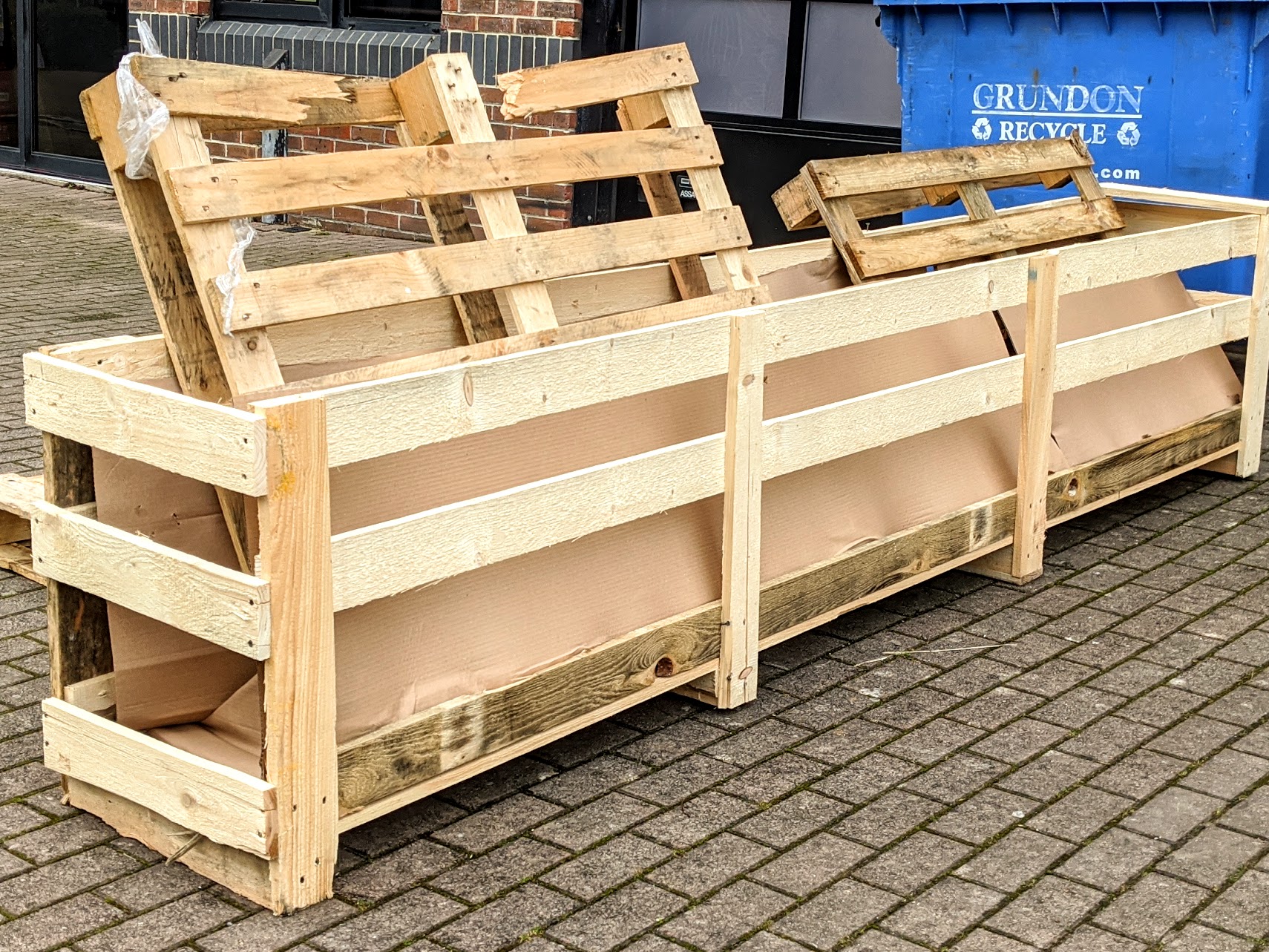
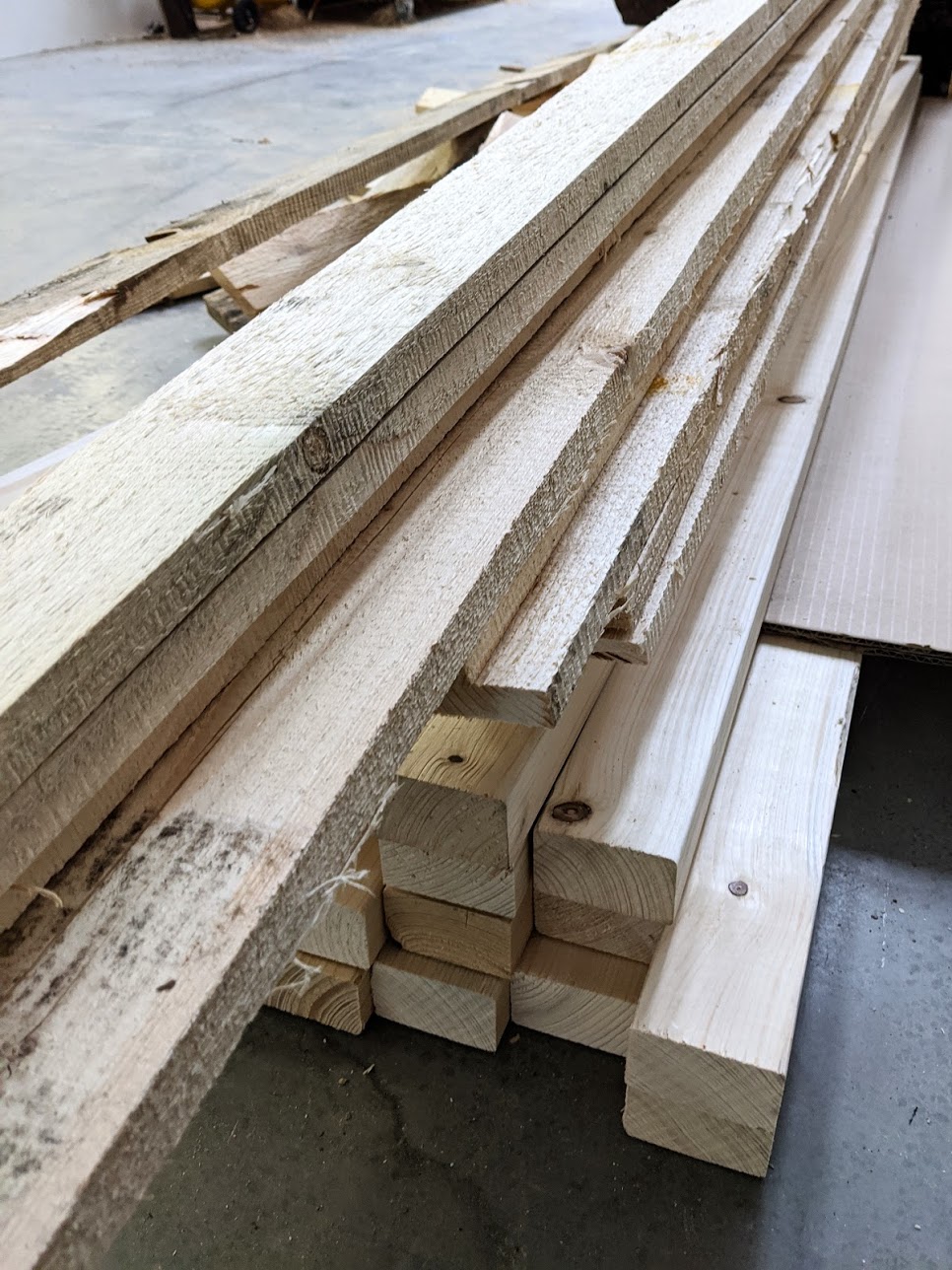
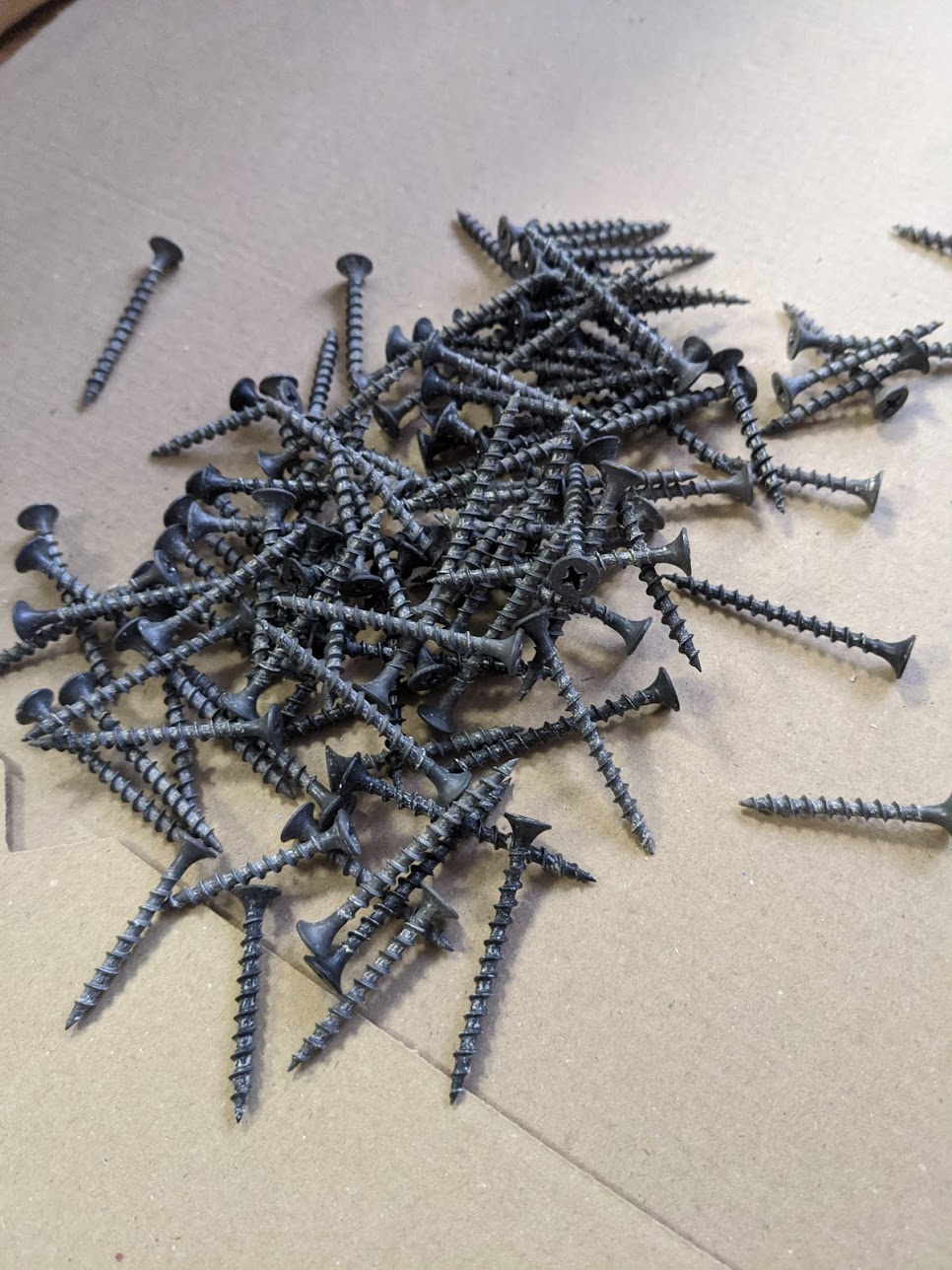
I passed a place with an abandoned frame pallet, mainly spruce. Almost all of the pieces were quite clear and clean; nine 10' 2" long pieces, 3/4" thick by 4" wide. I stood it on end, slipped cardboard between the car and the pallet, tilted the pallet and slid it easily onto my roof bars. At the shop, I reversed everything to unload it. Unusually, the pallet was screwed together with sheetrock screws. Dismantling was a five-minute job and then the screws too will come in useful.
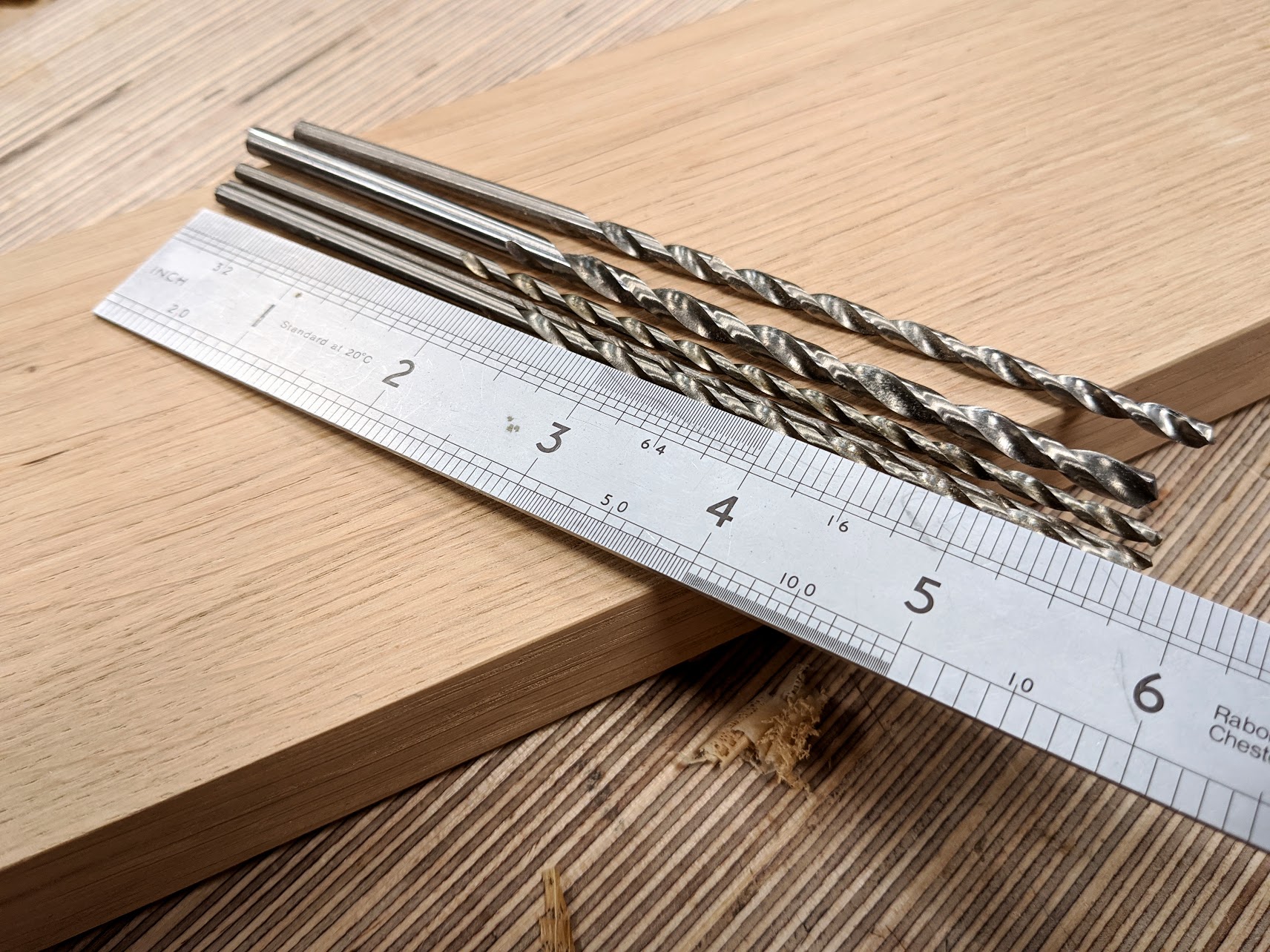
Passing through a given day I surprise myself by how much I actually rely on secondhand and with good reason. In many cases, my only resource is secondhand because I cannot buy it new or I get far more choices via eBay. I know many of you dislike eBay, but more tools are back in use by people like us than ever in the history of woodworking. Tools that once petrified in dim dark cellars and lofts now have a real value and often a very fair value even to those who have no idea what they've got. You can buy just about any working part for any tool just by a five minute (or five hour) visit to eBay. Saw nuts for a vintage Disston might cost you but authentic parts means they fit straight off and nothing is cobbled together with a slip-wire fix (I'm a Texan at heart. You Texans now what I mean). Dismantle any tool and sell the parts separately and you will likely make more for the components than the whole tool in and then a little on the shipping too. How much I like secondhand should be evident to most of you by now. My favourite tools would never have been found without eBay and of course, in times past secondhand dealers in vintage tools traveled far and wide for their stock following up adds placed in newspapers in different regions. This then resulted in sky-high prices for collectors rather than users who were mostly priced out. Today it is an open market for all. We can all bid on a tool whether it be rare or not and the bidding is unbiased so we are less likely to be bidding against a collector for a user tool we makers need. Here's another example; setting up the workshop for working with autists I needed some specialist equipment. At one time I needed extra-long twist drills.
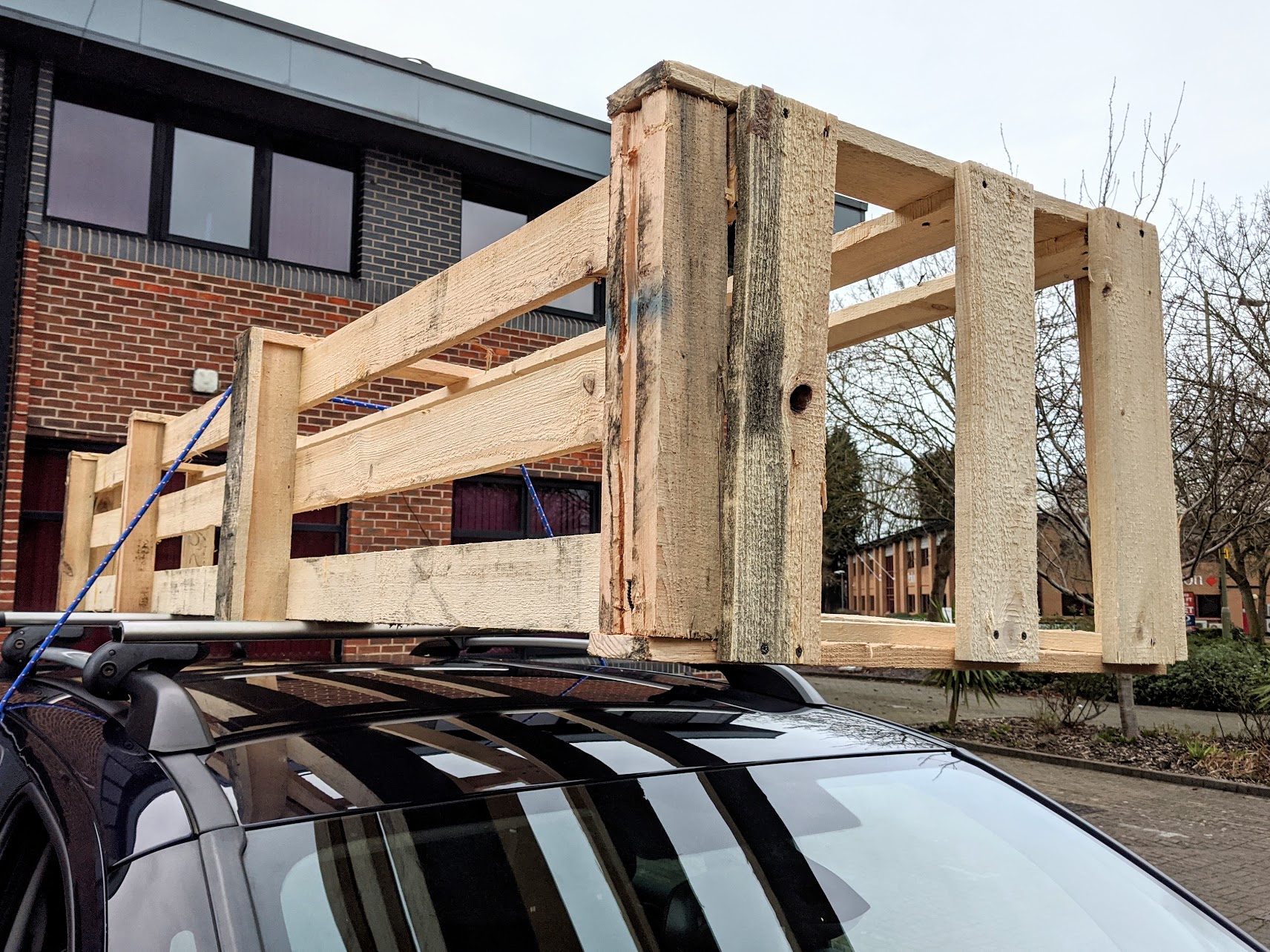
I think too that we should not forget the convenience we get from single-stop shopping on eBay or indeed picking up a pallet or two from outside a business discarding it and even hoping someone might need it. How often have we needed some rough wood for something? Some sheet metal as in tinplate for soldering to. My picking up the pallets later in this article saved me a trip to the timber yard or recycling centre and I got exactly what I wanted but didn't yet know I needed.
A quick look on eBay came up trumps with a dozen suppliers when I needed long twist drill bits and I bought a dozen six-inch-long long for just £6. I've been using them for a year or two now with no issues.
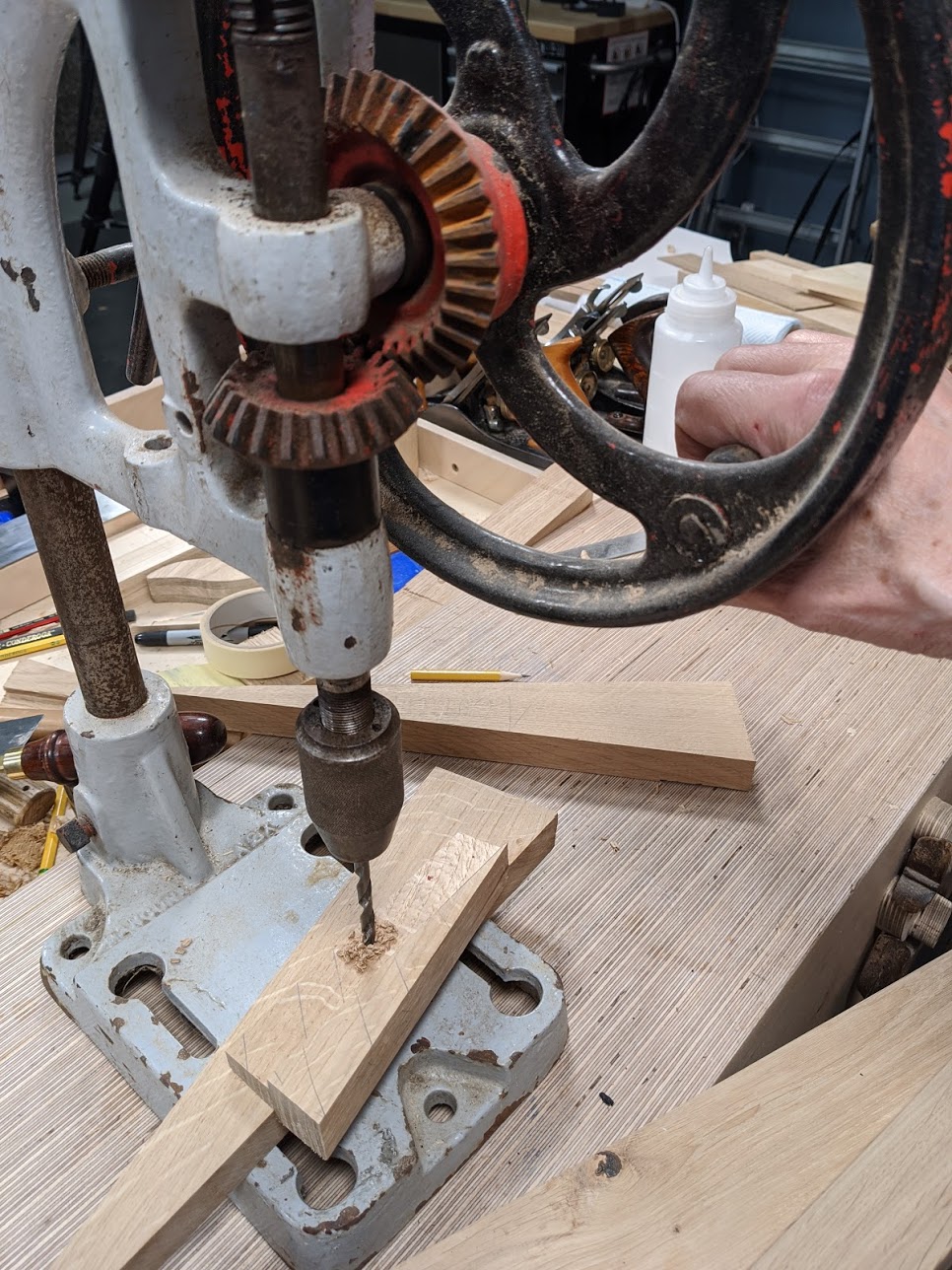
For another situation, I needed a safer way for autists to drill holes perpendicular to the wood. I did not want the motorized drill press, I wanted them to be the supplier of power and total control. It took me a few weeks to find the type I wanted and in my case, I bought four different types because each had different merits to suit various situations.
Also, how much using something secondhand in its new life do we feel about it. Most recently my Sorby plane collection lacked a full I Sorby plough plane compendium and I found a boxed set on eBay. This pretty much concludes my collecting of the Sorby offering now.
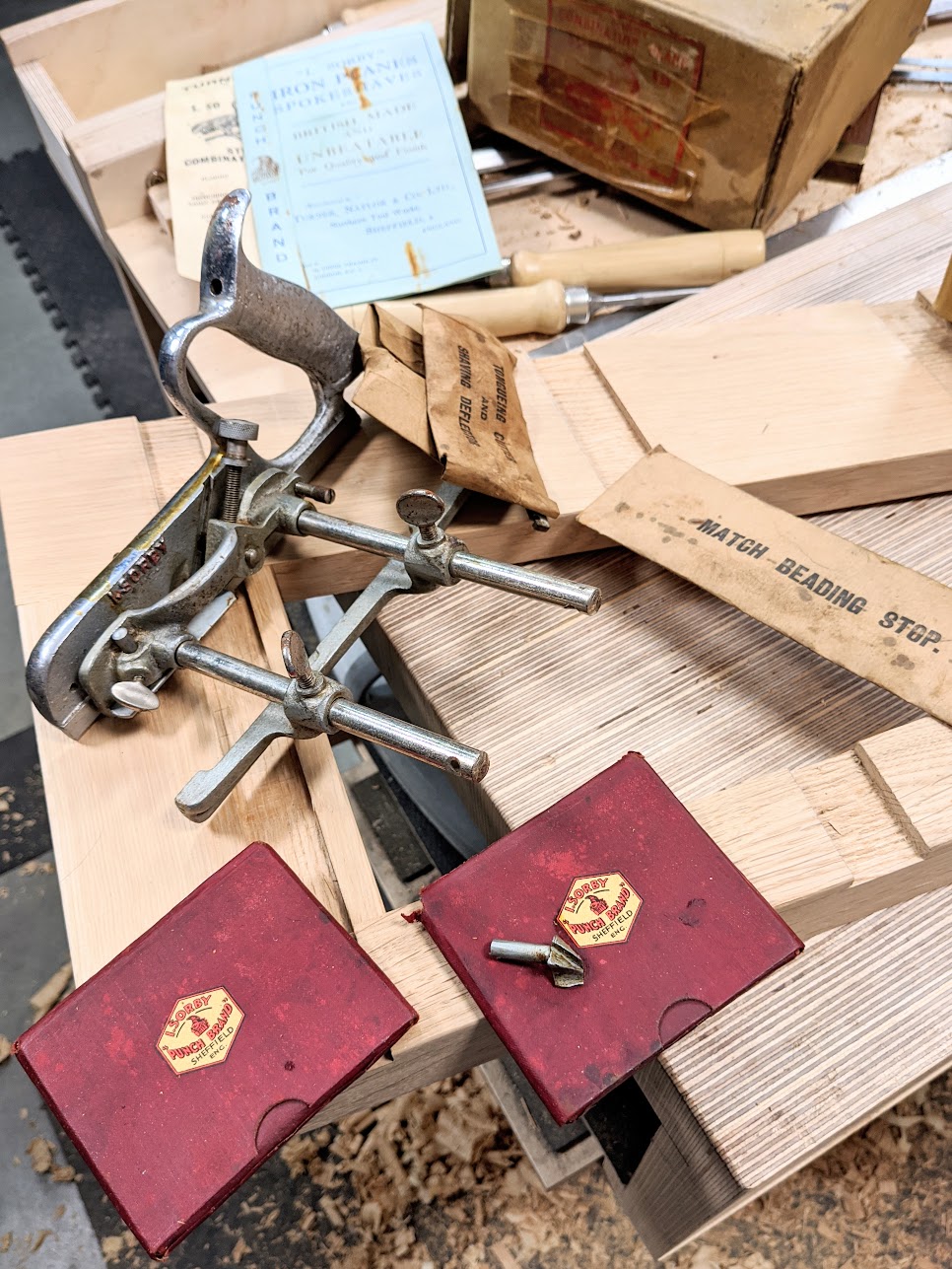
This I admit is something of a luxury for me. When I discovered the Sorby series of metal-cast planes a few years ago now I decided to keep looking for them. I am glad I did. It was fun searching eBay periodically. I only spend a few minutes a week in looking for what I want. This final one was a surprise find with all of the cutters and support parts right there in the box.
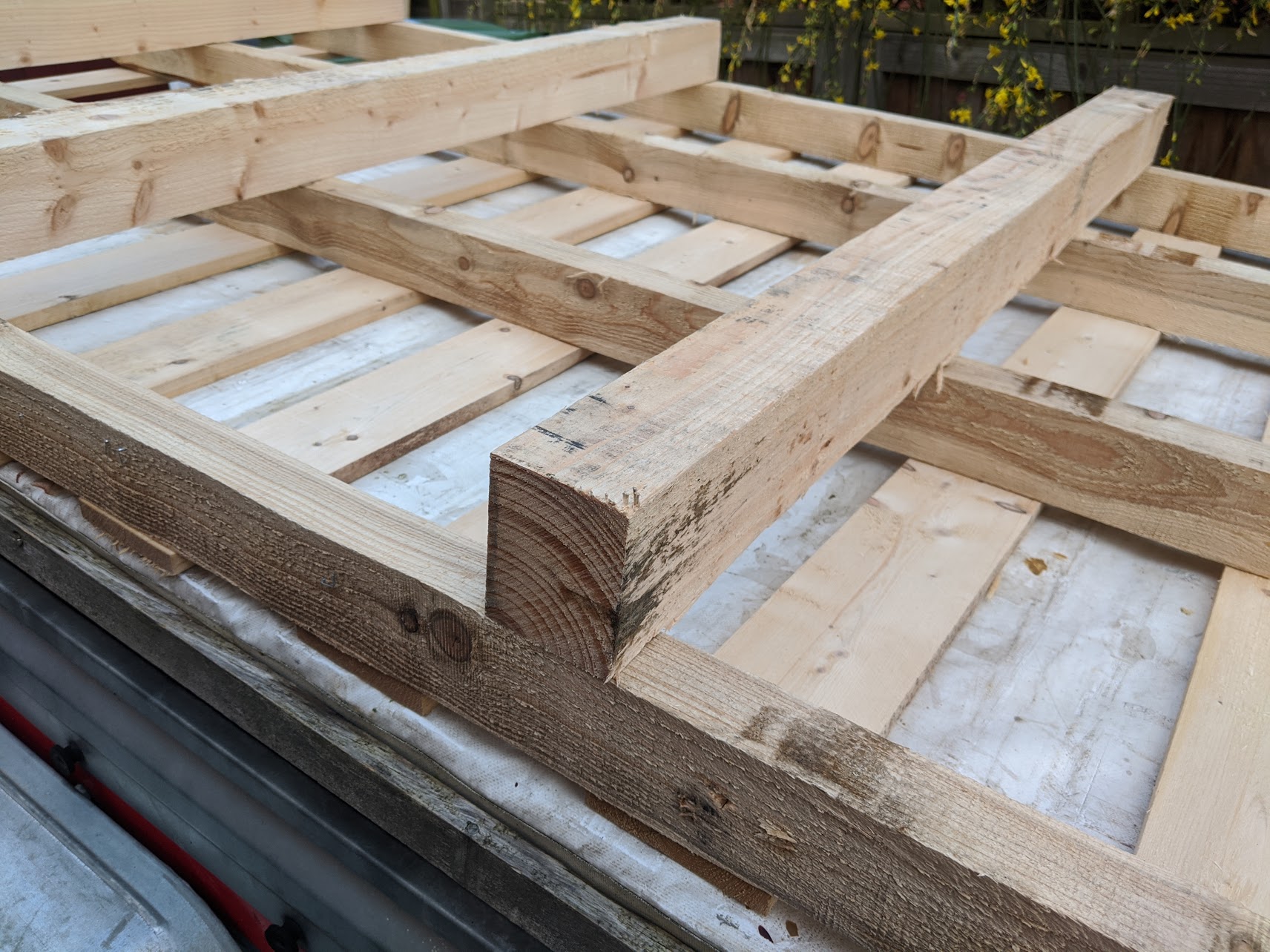
I postponed my greenhouse/shed build planned over the Christmas holiday period because, well, I wanted time with my family. I have the wood, some new and some secondhand. The floor and roof come from flat pallets used for sheet materials like sheet metal, plasterboard, plywood and such. It's more stout than I need but that makes for greater solidity. So we save £50 here and there in the processes supporting our lifestyle woodworking. One man accused me of bragging about such things, that others less fortunate wouldn't have this or that. I doubt that what he said was true. Raised in lower socioeconomic places and times I tended to find scraps to build bikes on the city dump two city blocks from my house. My first woodworking wood came from pinewood fruit and veg crates retrieved from the back of the greengrocers. Such things give you the opportunistic eye for salvaging and surfacing. You need the unique combination of opportunism and patience, yes, but the more important thing for me these days is making certain that nothing I see that can be used gets wasted. What's the spruce pallet wood for this time. Facia boards for the shed, trim around the door and window. The short cross-sections will make my seed trays and starter boxes and the screws, well they're perfect for the construction.
Comments ()