
If You Need a Reason
I've spoken often on the benefits of physical work over a workout and then too in view of their being more sedentary work than ever in the history of our world. You don't need to go back much more than a century to find 90% of working-age people were engaged in physically demanding work. I am convinced that though the exact opposite is the case today, even much of the work of those working physically is much eased by automation and the use of powered equipment. You will rarely see anyone using a handsaw or plane on a job site and neither will they drive many nails with a hammer. This indeed has had a serious impact on the natural form of exercise we get. I get winded every hour or so on a given day and it's not because I have a disease or I am unfit or because I overexert myself. It's because the physical demands of my chosen way of working using hand tools require the level of input and then too that I want it, prefer it and feel good from it. At the end of the day, I feel tired and I feel well. After supper, though I do feel tired, I still walk for a good hour come whatever the weather is.
Don't start all at once. Woodworking by hand is as much an exercise program as a workout with a personal coach in the gym. Listen to your body but not so much you sit at the sides without moving. I was at the gym yesterday and two young men walked past me and seemed to be disabled until I realised that they had developed so much muscle they could no longer walk well or normally at all. That's not going to happen with you at the workbench, but you should be careful to establish habits of physical work as your muscles develop. I am not muscular at all but I do have sufficient muscle to be able to chop mortise after mortise for hours and then days in a row without taking much of a break in a day at all. That is I take a break for lunch and to cycle four or five miles. This nourishes my carb levels by stoking the boiler and get's my pulse levels to a decent beat for half an hour.
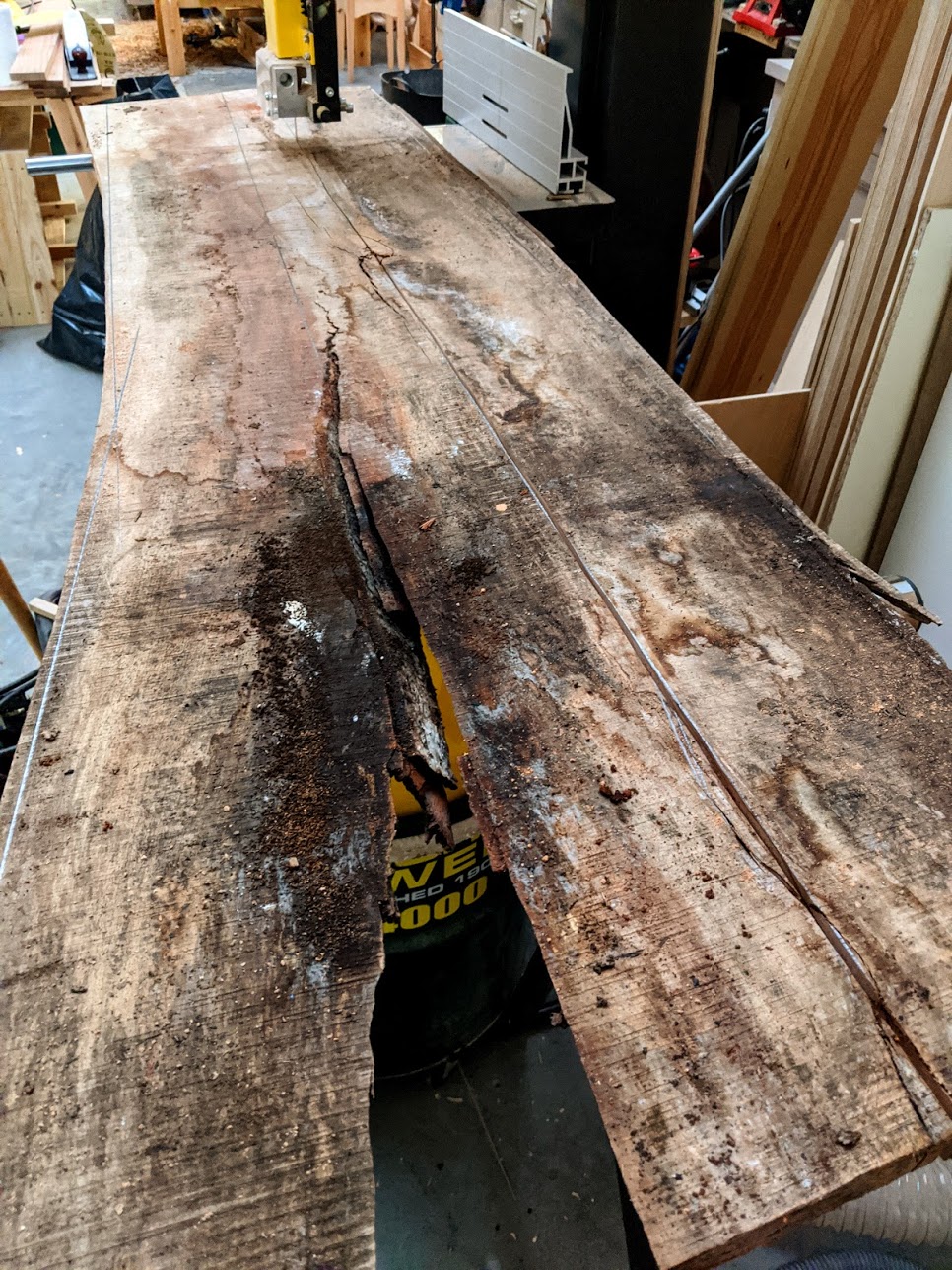
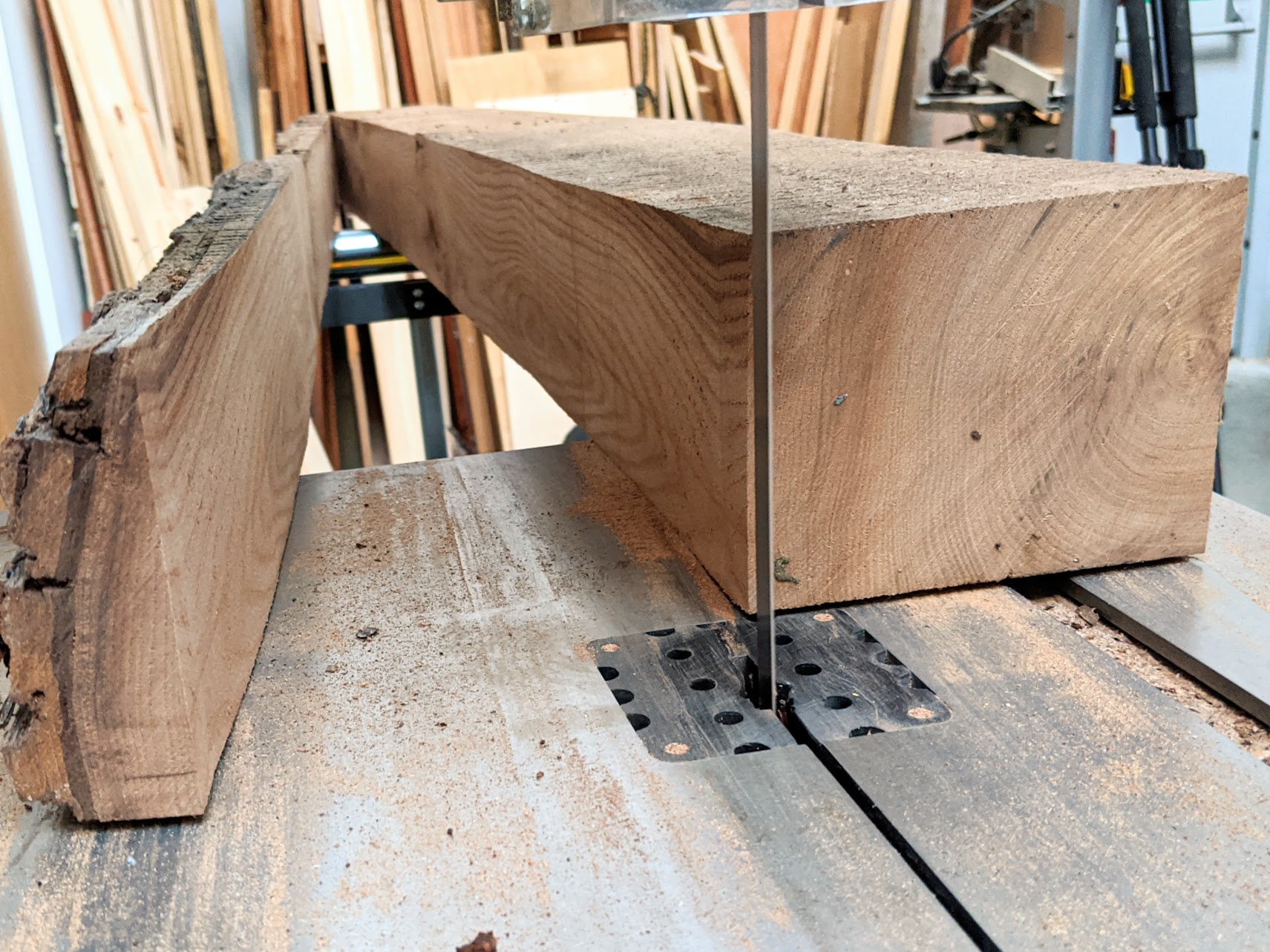
This week I will rip most of my stock from larger stock by resawing on the bandsaw. The sections of oak are some four-by-eight sections, quite heavy. This then is weight training, which involves stretches, pulls and pushes. I will of course plane all surfaces by hand with a hand plane before parallel rips take place and by this, I return to the same stretches, pulls and pushes but with each level, there is a diminishing demand. As the smaller pieces unite into jointed frames the work goes from lightweight work to heavier frames. This then results in heavier maneuvering of materials but in the creating, of course, I have hammer blows, plane strokes and then too saw strokes because I do use handsaws of different types for all of my hand joinery.

Oh, my most powerful muscles are in my shoulders; the upper trapezius, deltoid, middle trapezius, lower trapezius, and latissimus dorsi. This development has come from benchwork but not bench presses. I like that my actual real work prepares me in the day to day.
By the end of today, I hope to have my hardwood milled down in size to manageable components for two or three projects I have planned.
Comments ()