
Diminishing Craft Value
Do you see more at 70 or are you blindsided by thinking you do? Are you dismissed by the younger because you are 70 or do you just think that you are? These are real questions. Some younger than me think I cling to hand tools because I didn't yet discover the power of power routers, tablesaws and other machines. Reality hits when I tell them I was using them 30 years before they were born. That doesn't bode well for those trying to harness their agism skills, so usually I don't do this. Be that as it may, agism is practiced and alive and kicking and it goes in both directions.

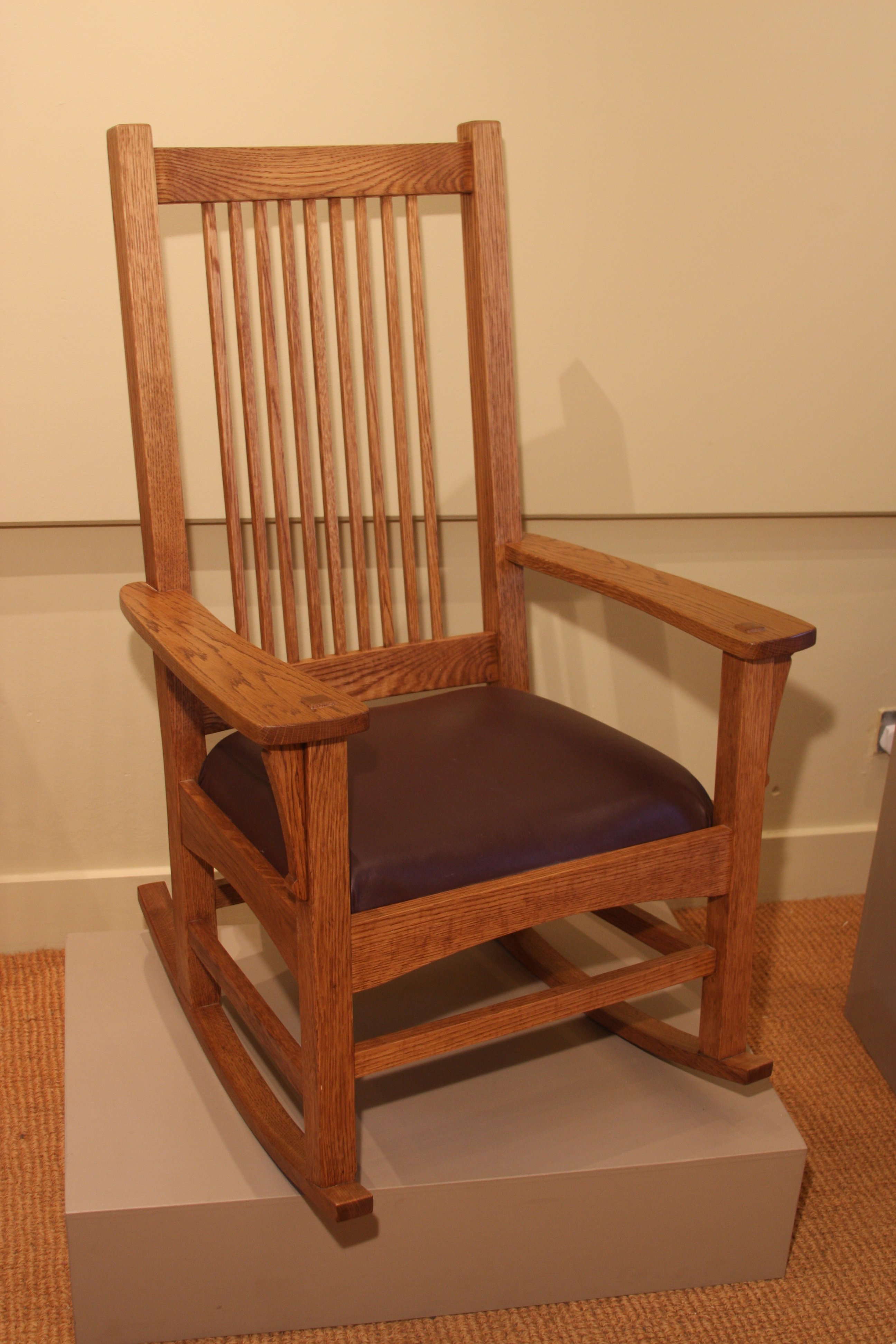
Things I have noticed is just how much schools took woodworking in schools and totally dumbed it down to ground zero but never rebuilt much of any consequence with regards to the former benefits of learning to craft with your hands. I suppose the real ground zero was the ground after the nuclear bomb was its epicentre so it can be hard to revitalise as in bring back life to something so destroyed. But I saw it coming four decades ago when the classes we were offered started to transition to the new era in preparation for the birth of millennials. It's funny how you see a generation pensioned off with offers of early retirement to usher in the new. I have seen it with each passing decade. Agism is alive and kicking and there are problems with older people, those in the mid-age range and then the young too, but it is not all negative. Personally I have worked with the younger age range throughout my worklife and I have seen just how remarkable they already often are and then too can be with the right attitude towards them. I cannot simply dismiss what has happened when I see what and how things are made in school classes today though, compared to the pre 1970s say. This is not an old-age rant. Young woodworkers in school, like myself, made oak coffee tables, bureaus, shelf units large and small and much more. What changed?
I've asked myself this question for long enough. The reality is that as a generation that understood the effects crafts had on children who were nearing adulthood age in the range of 13-16 came to retirement from teaching, and a new generation of teachers and educationalists replaced them, we lost something. This generation started on the more technical route that was in its own right and sphere crafting too, it was not crafting manual dexterity in the same way metalworking and woodworking did though. It was much broader in that the training produced responsibility, craft ability, manual dexterity, how to work physically and much more. Training as a teacher alone does not lead a teacher to become skilled and reliant on the work they make with their hands but on their ability as a teacher. When the subject is more non academic, academics most often don't always do too well. iTeaching from textbooks is one thing and a thing that never really changed through the centuries. Hands-on material training and the manipulation of hand tools leading to dextrous ability is an ongoing training bettered by regular exercise and rote repetition.

I doubt we can see the return of true craft in schools that take the young emerging students into realms they may well never experience in their lives again, but working through my new book made me realise that it was not what I made that was so significant, and it was significant, but the three-dimensional critical thinking that cannot come any other way but working with your hands as you train.
The teachers in schools in those days had a considerable background working their craft before they taught. Whereas I truly enjoy the millennials, especially them, and generation x (1965 to 1980) may well have just missed the 50s and early 60s school crafting classes, I do see generations who know so little about hand work, hand tools, and the crafting of anything that it is scary. There is much more individualism to woodworking than making a bookshelf out of old scaffold planks, though that can and does have its place too, or an old pallet coffee table on industrial swivel casters. This rougher, more trendy (if that 60s word still fits) cannot and does not substitute for the discipline of developing skilled working be that whatever medium you choose. I have said it often and I will keep on saying is, dialling in numerical instructions to programme a machine delivery and power feeding the work is a wholly different sphere of working that's entirely different from hand working.
My greatest opposition generally comes from the more technical era advocates who mostly dismiss the efficacy of mastering real skills and are the ones most often offended by what they might call my stridency over the denying of young people the entry into craft work of value as many older people knew it. For some, like myself, it was the inroad I needed for direction. As each generation is more and more distanced by the system from hand working of any craft type, the crafts themselves become less important and so too the dexterity of the human hand in the producing of anything. I may not be here to shout out about it but until then I will keep pointing the finger to the way out.
Comments ()