
Autism Support in Woodworking
Kicking off the new year has gone well. My birthday passed with the nicest of times for me and we just completed a nice project for everyone to make. I designed it specifically for a hallway shoe store to tidy the shoes we don't wear every day, slippers and such too, but then scarves, hats and gloves and other stray bits that get misplaced when we come home. As far as the shoes I wear every day when I arrive home goes I doubt I'd put them away. I park mine on the doormat ready to put on and of course when they are wet that's the best place for them anyway.
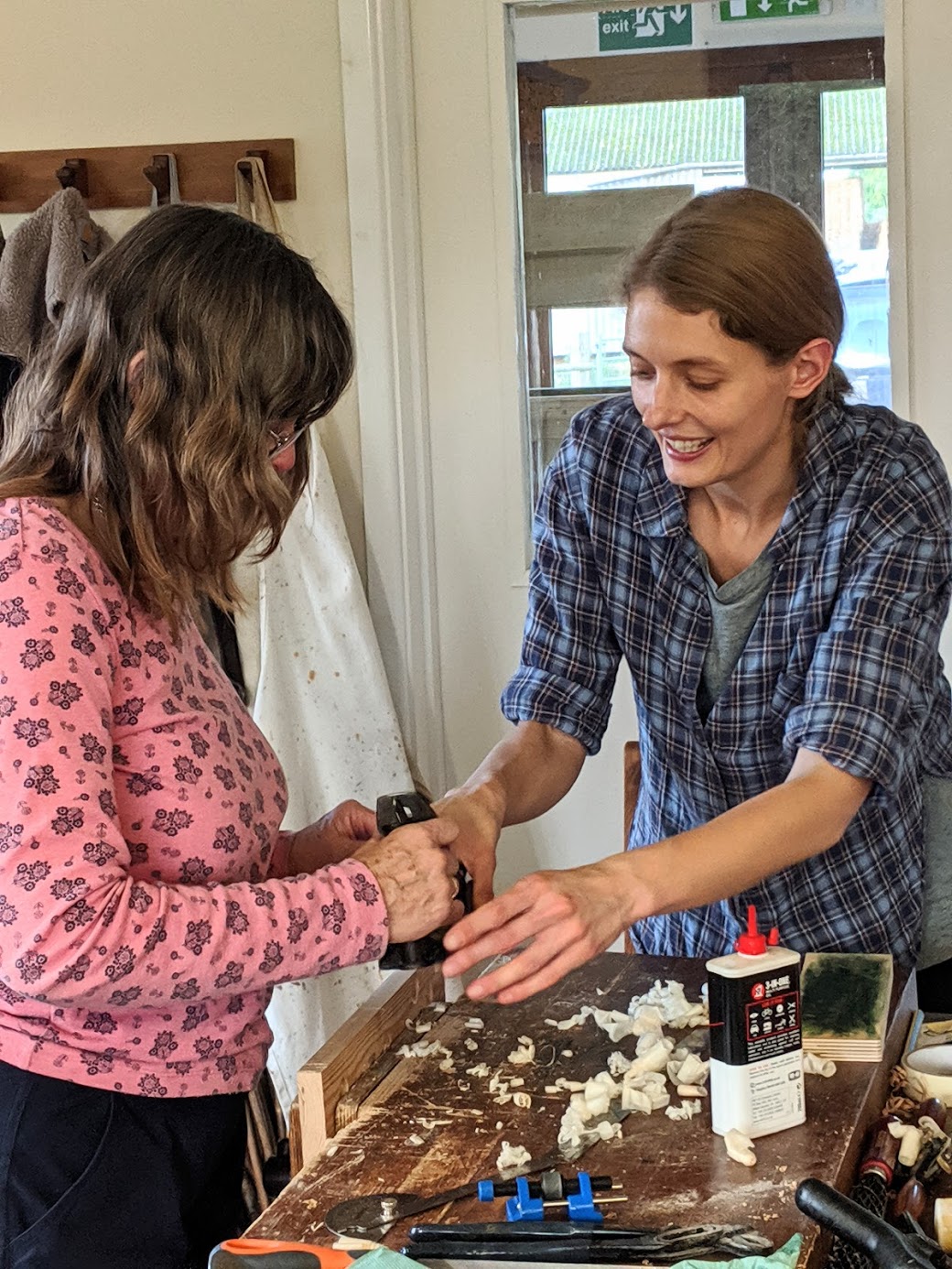
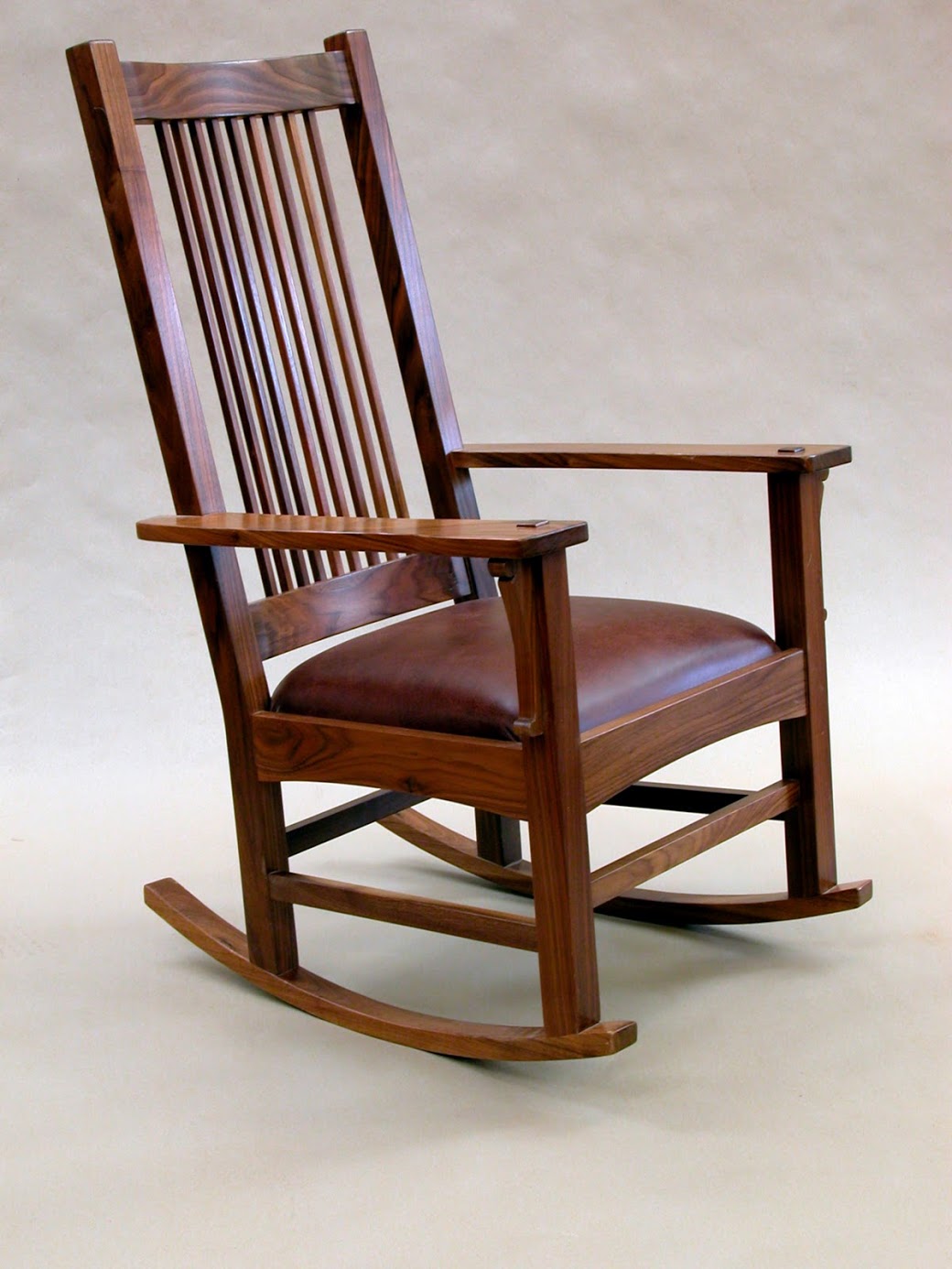
I have already begun the big clean up and the sharpening sessionfter a full-on couple of weeks back at the bench. I asked Jack to priorities his area for clean up around his bench too, and explained the importance of project completion culminating only when he's completed a good cleanup by the actual reordering of creative space. I'd show a picture of his pencil box but he took it home before I could get my camera out. Next week he begins working full days instead of half days and he's to begin his Craftsman-style rocking chair as a first large furniture piece. We'll see how he does but I have no doubt as to his capability. I could see his excitement when I suggested this as a next piece. I'll keep you updated.
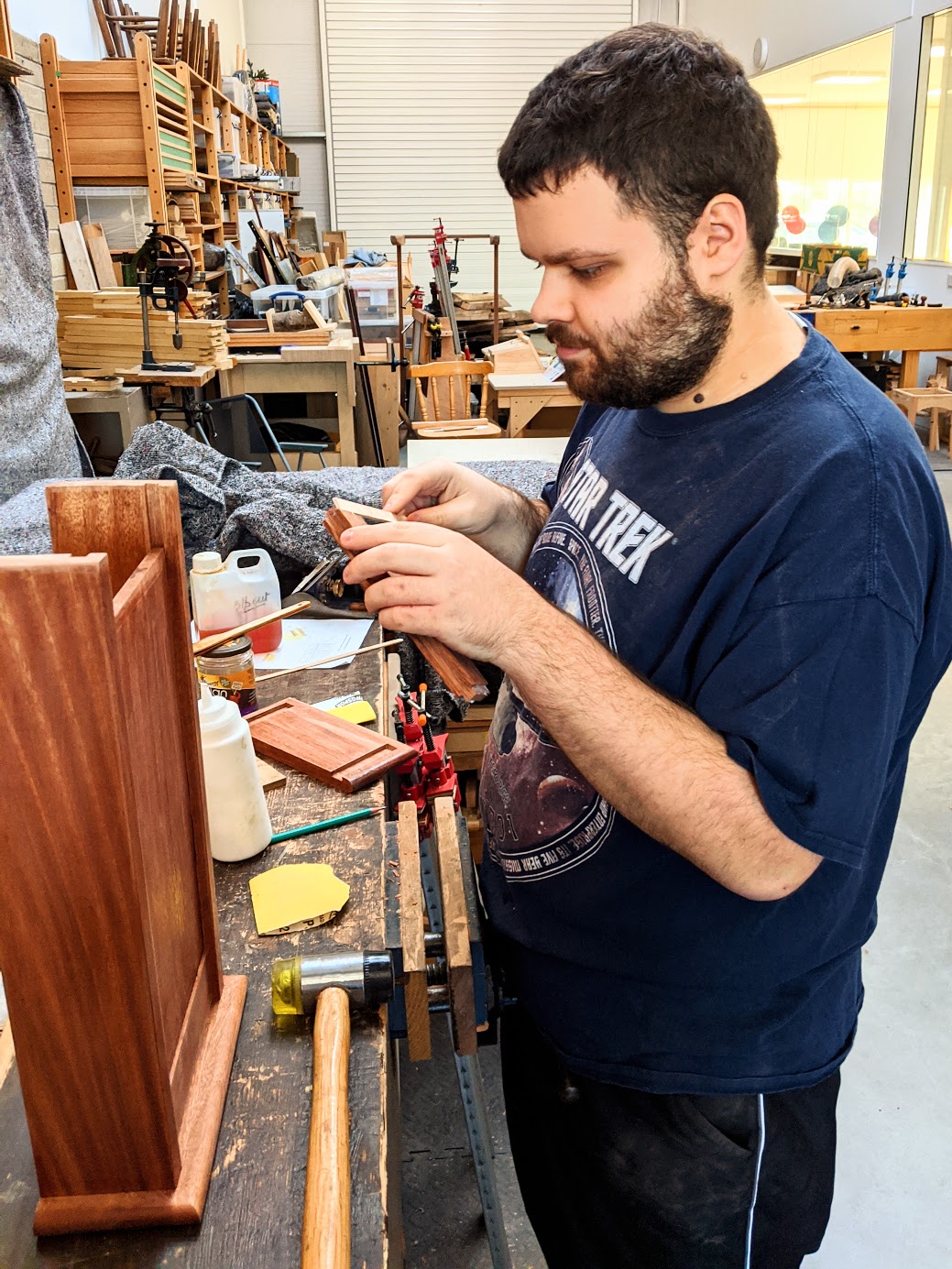
I am starting a new charity and need to work through the Charities Commission to progress the legal status and protect my intended work. My goal is to provide training for autists much as `i have been but now looking to the future should anything happen to me down the road. This is for those autists who are high functioning and want to become woodworkers and furniture makers in their own right. The phasing I am developing is to introduce them to hand tool woodworking as per my foundation course, which Jack has just completed. By then they should be more able to think about their futures, whether they might know whether this woodworking is more a hobby or whether it is in fact a vocational calling for them. If it's a hobby they can use the benches for another six months after the foundational course, to solidify their skills, and in that time set themselves up with a home workshop if that's possible. After that they will share hot-bench space for as and when they need somewhere to be and so that they can interact with other autists and a support worker working for the charity. This is not so much intended as a permanent place/space but more interim support until they know more what they want to do. From using temporary space and shared space, as Jack has been using, they then go to a more intermediate space, semi-permanent if you will. In this coming year, having decided this is their vocational calling, they will develop three new projects comprising a coffee table, a tool chest and a rocking chair. At the end of nine months they will make another piece chosen and designed by them but with my and Hannah's support.
By this time they will be able to make just about anything they want to but we will develop a range of products through which they will earn their income. These projects will be sold online through the store we set up and covered by the charity. Briefly that's it. I can take six full time apprentices this way. Nothing they make will be income for me but we will have one paid member of staff to help students with their life admin and such.
To do this will mean converting an area of our existing studio workshops and offices to create a unique training facility separate to the filming area, editorial suite and business office. We have a perfect environment for installing another mezzanine floor to increase space. Within this area I would like a quiet space, but still fairly open plan, kitchen and dining area, computer desk space to access online and then six additional workbench spaces for use by several visiting day students with autism and teachers of special educational needs working with autists who want to learn hand tool methods for the autists they work with.
Comments ()