
It's a Small Thing
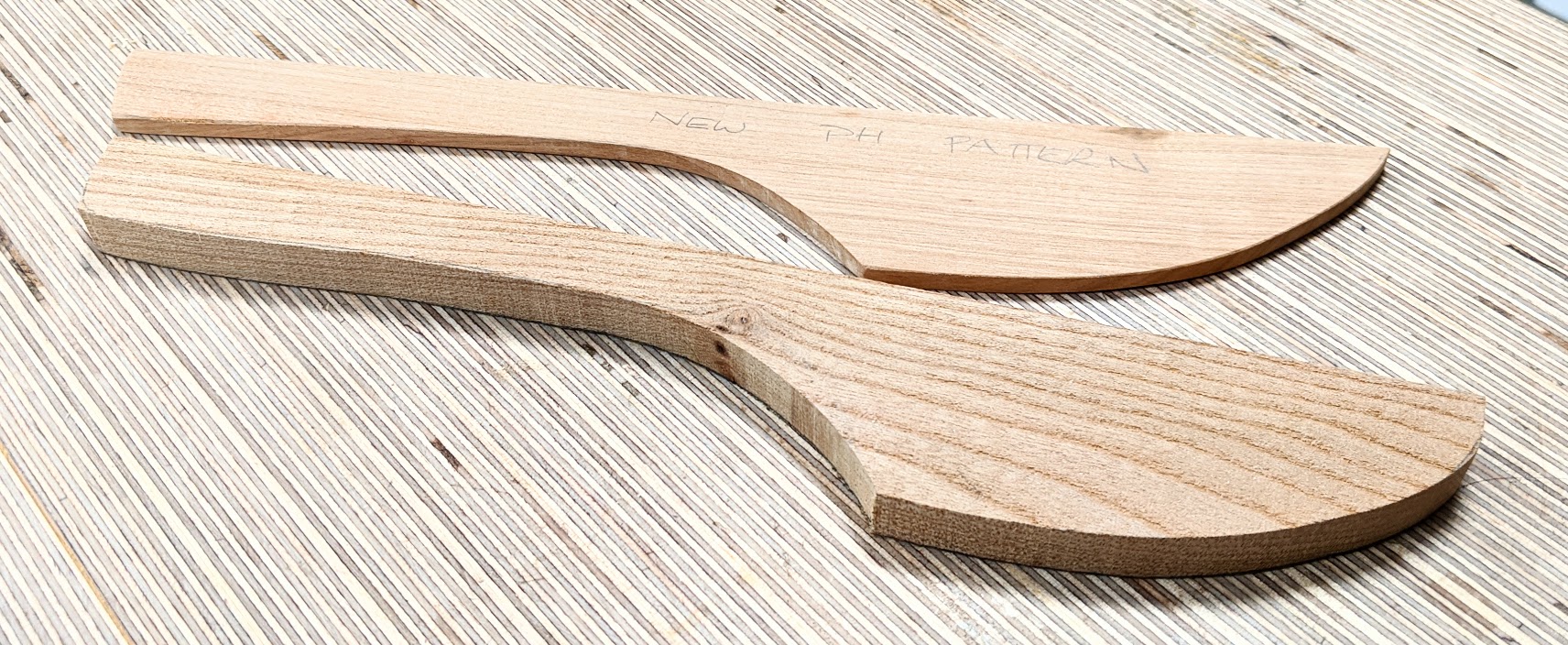
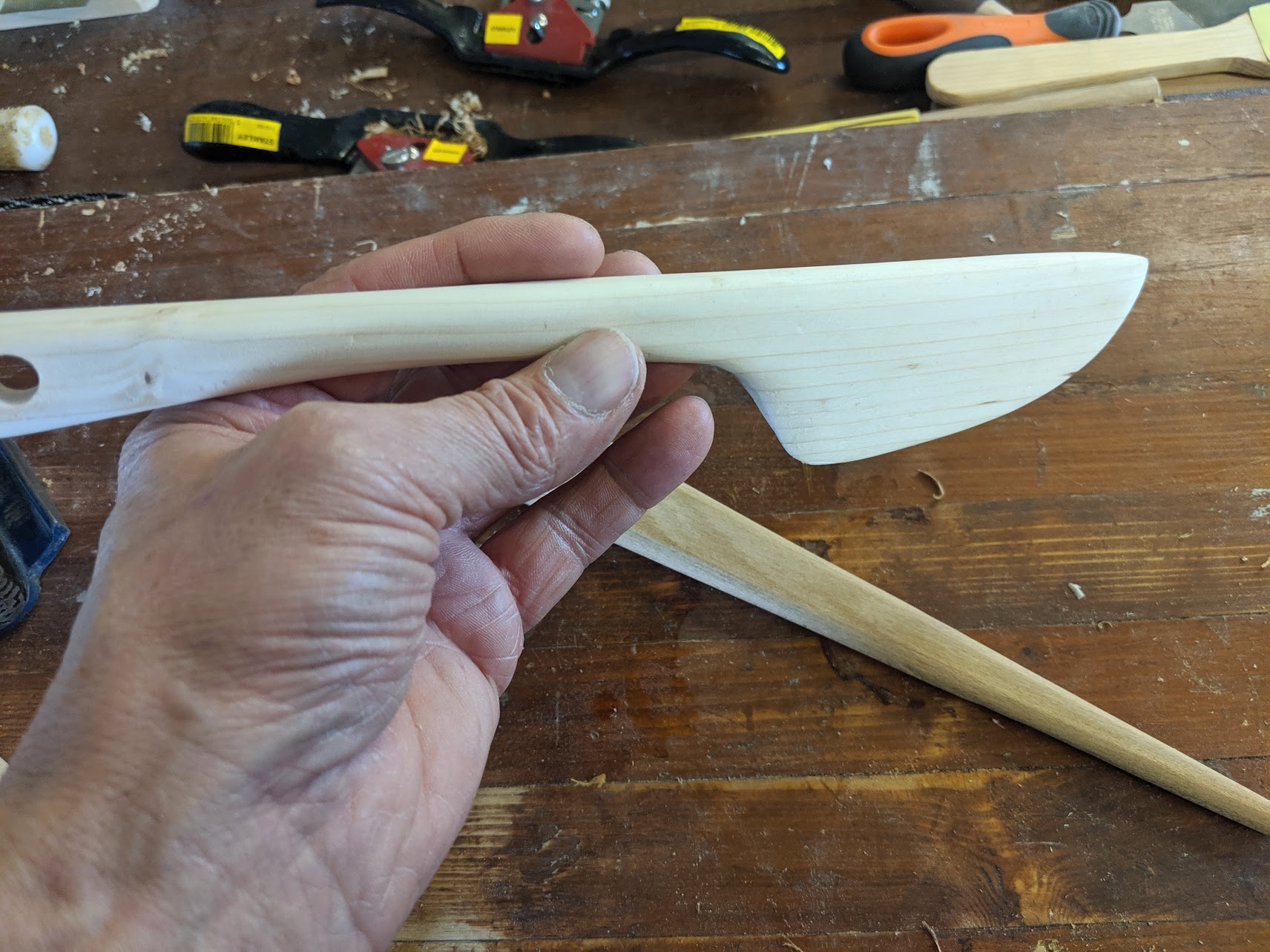
A spatula held in the vise came from a small, angular, rectangle of thin wood salvaged from some cabinet doors made of elm. The doors I garnered were just scrapped and about to be tossed in a skip at the National Trust's Penrhyn Castle in North Wales. My workshop, used to be there in the Castle proper.
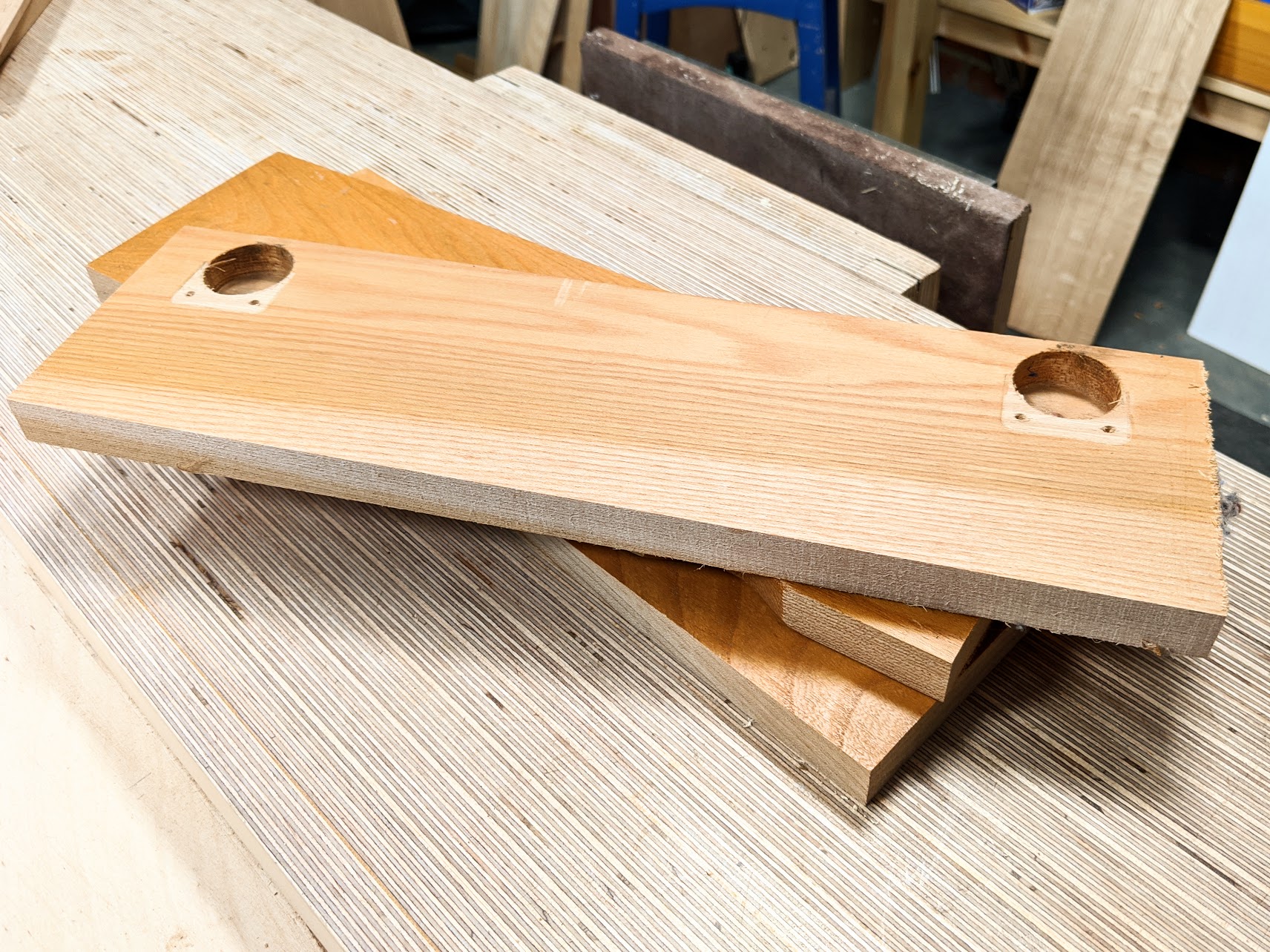
There was really no need to scrap the perfectly good cabinets. Made from quality materials two decades past, the solid wood doors were well made but discarded and replaced by MDF versions. The reason? No one knew that the hinges could be adjusted to realign them in a minute flat simply using a flat-head screwdriver, but that's another story. Their expensive loss of thousands of pounds to replace them was to be my gain and then too the gain of others.
Working with autism
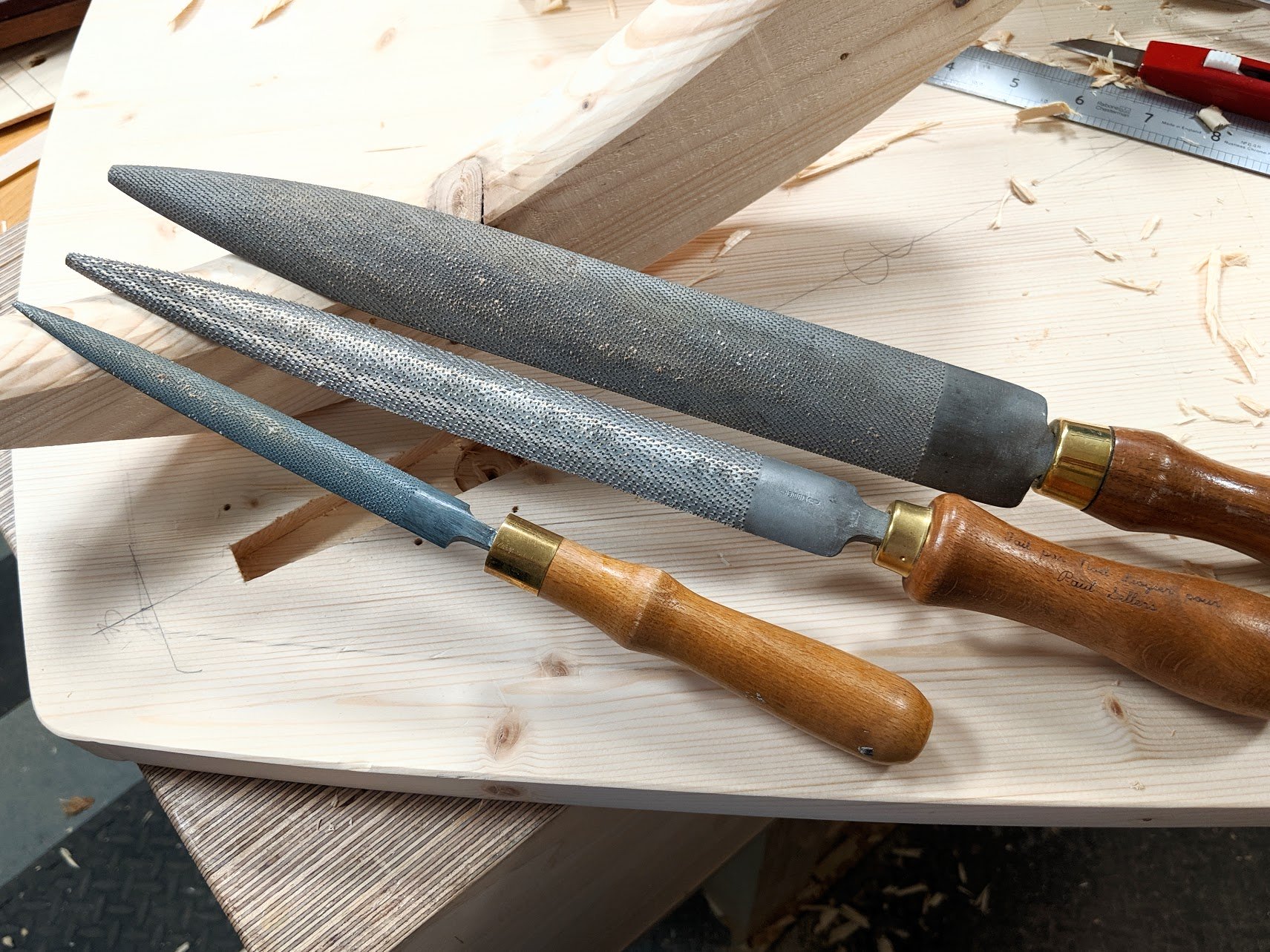
A few months have passed since I took my skills and background in woodworking and teaching to a charity enabling autists by developing a specific course for their woodworking. The quest has taken root as we introduced students and staff to the use of a few specially chosen hand tools. The spokeshaves were the easiest and then planes not quite so. Rasps too were incredibly empowering for shaping and then the brace and bits for hole boring, driving screws etc were exciting to all. The simplicity of this is the reason for my top title. To some this may seem very basic, but as many of you testify from time time, where to start can be very intimidating.
The work has been an amazing few months of new creativity and enabling and to move ever further forward Hannah and I are currently fleshing out our ideas for 2020 with a 2020 vision yet to be revealed. This means aiming for another schedule because it seems we also have a plan for developing new direction for autist woodworkers to thrive on the spectrum. Planning the future begins by introducing those managing their autism
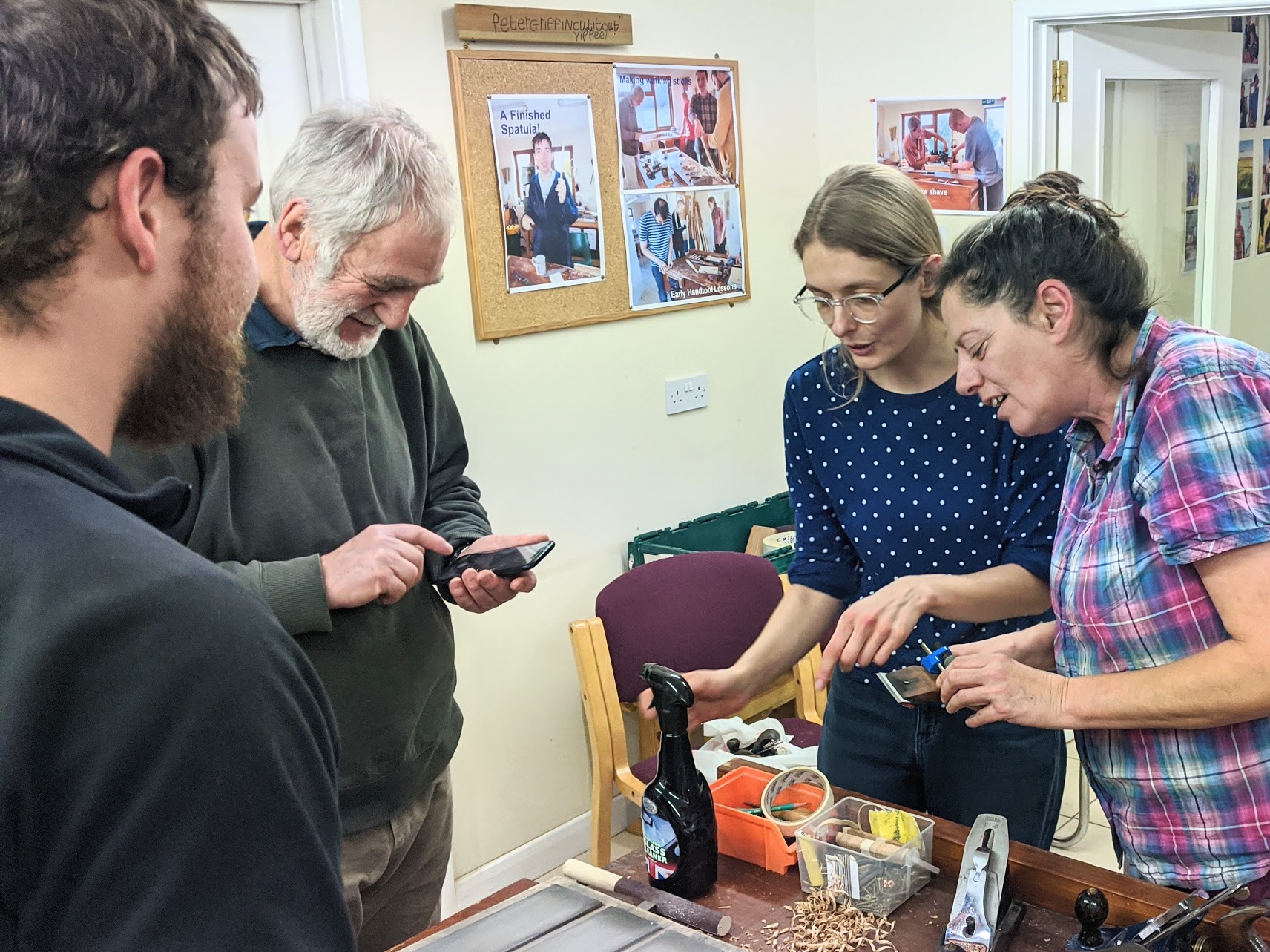
condition (ASC) along with their teachers, trainers and support workers. This support is pivotal. So often in the background to any success story it's mostly the people behind the scenes that make things happen. This has been an amazing introduction to those working for the autism cause and we have gone progressively from baby steps to strides yet still at a sustainably measured pace.
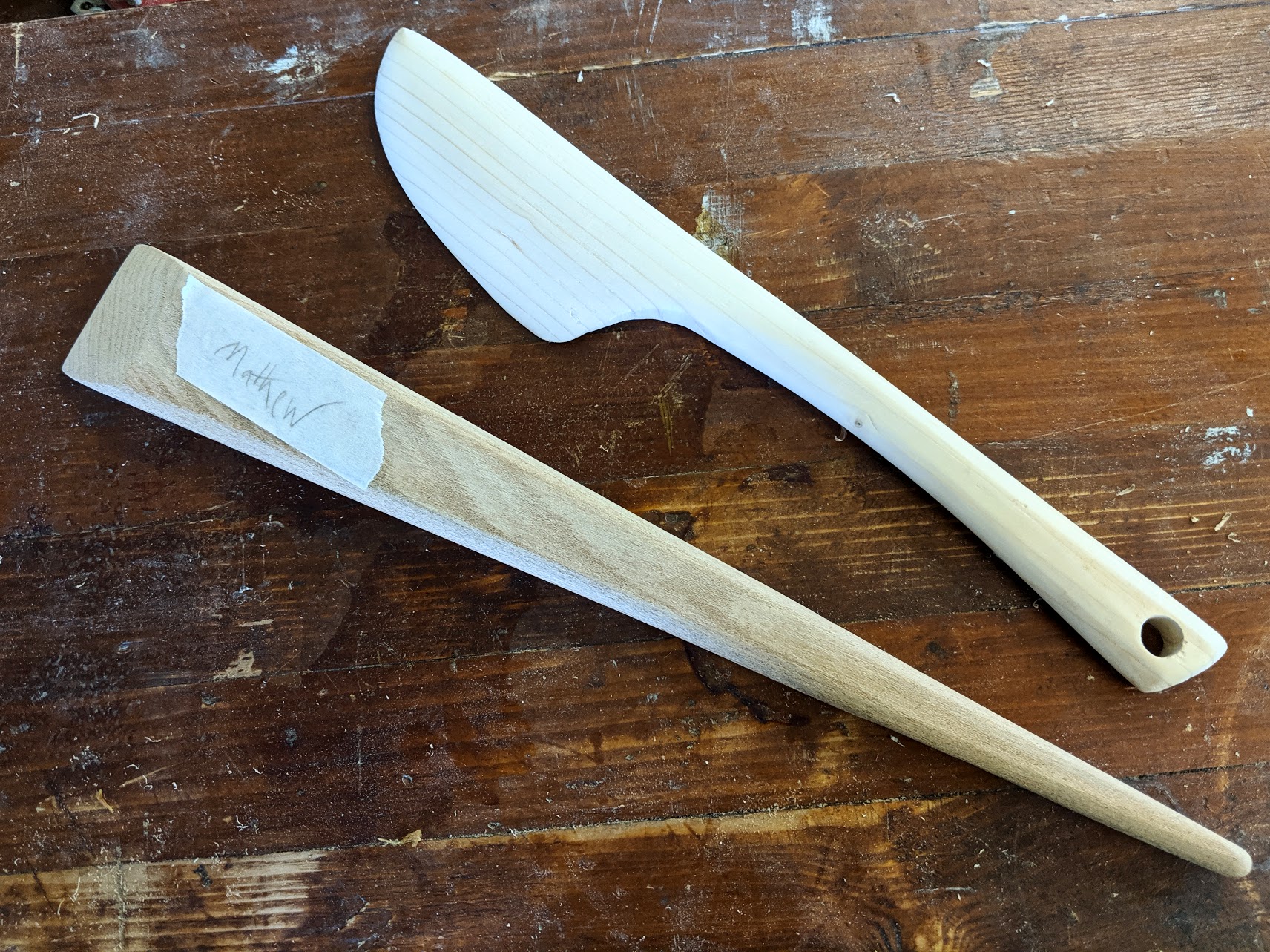
The spatula was one of many items we went on to make this past year. My quest was the challenge to encourage the support workers and teachers that woodworking was as possible for them as it was for anyone else working wood. By them I mean the autists and all those supporting and teaching at the centre. Dismantling some of the thoughts was easy for me because I've been doing it for so long. Women work wood as well as men and in my world of 30 years teaching them, this holds no surprises. Gone are the precepts that delineated who could or would work with wood. The therapy of working wood is for everyone.
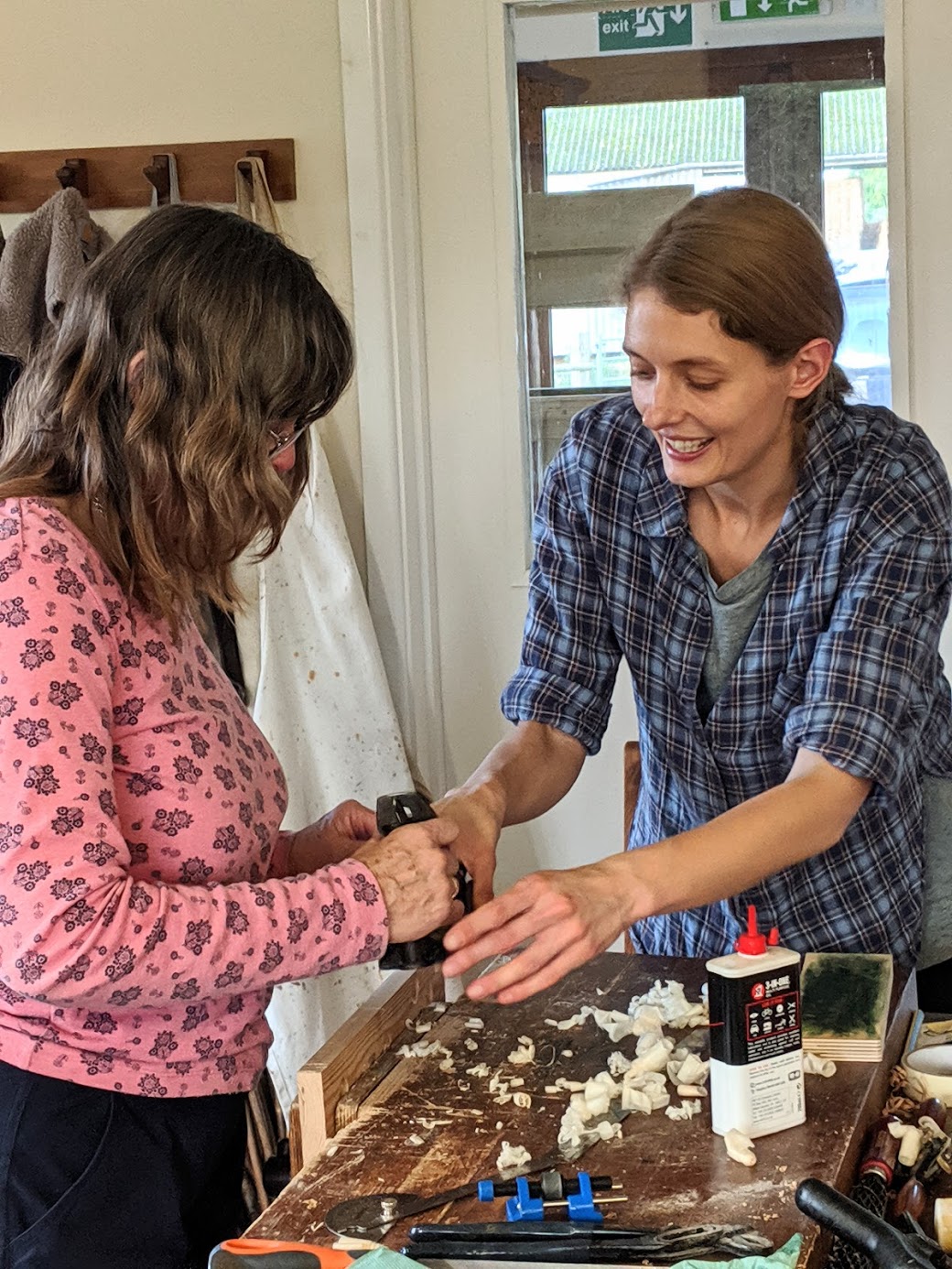
The student-support workers comprise 4-5 women and 2 men. This is indeed a ratio shift as in my class courses through the past three decades the percentages generally have always been less than an average of 5% women attendees at best. In 1990it was less than 1%, 2000 2%. Thankfully societal expectations are changing, even if it is late coming. If there is a hard bit in this it is working with two or three generations who were never encouraged by their parents to work with their hands beyond a basic craft introduction class at secondary level in school. I know parents and adults generally blame the schools, and I have done that a little myself too, but mostly I have seen the demise of woodworking come from parents failing to find out what their children really want to do with their adult life. Hence 72% of the working Brits go to work just to get by and only to pay their bills. For us woodworking the greatest impact on traditional technologies of all kinds like hand work has come over a prolonged period. Machine manufacturers paid the advertising fees and covered the cost of magazine profiting and the the related sales industry that pays the magazines for full-page advertising.
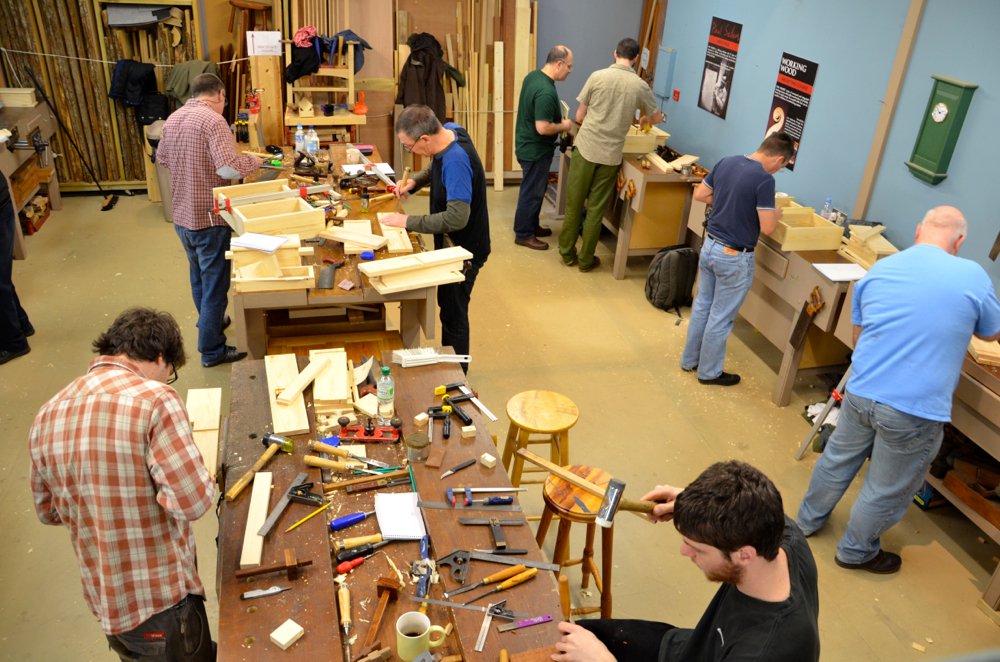
Beyond children not having been introduced to handwork early on in much of life at all it was just a matter fo time before craft life was abandoned in any meaningful part of their lives. But inhibition stops when I show anyone studying woodworking the tools by working them on the wood; it's here then that the challenges for me stop too. When they see it being done they start to believe that this cant be so hard. When they try it, see the shavings come or the hole appear, they believe.
The elements that need addressing most are the mechanical physics of how, why and what works where when and how. Yes, at first you just need to get their hands on the tools and see them work by their power. It's often awkward, clumsy if you will, but soon the tools starts to somehow rest in their hands and it becomes natural to the point that they feel so much less awkward in themselves. Turning the swing brace for the first time produces the desired effect. "It's working and it's much easier than I thought!", come the words. Then they truly start to believe
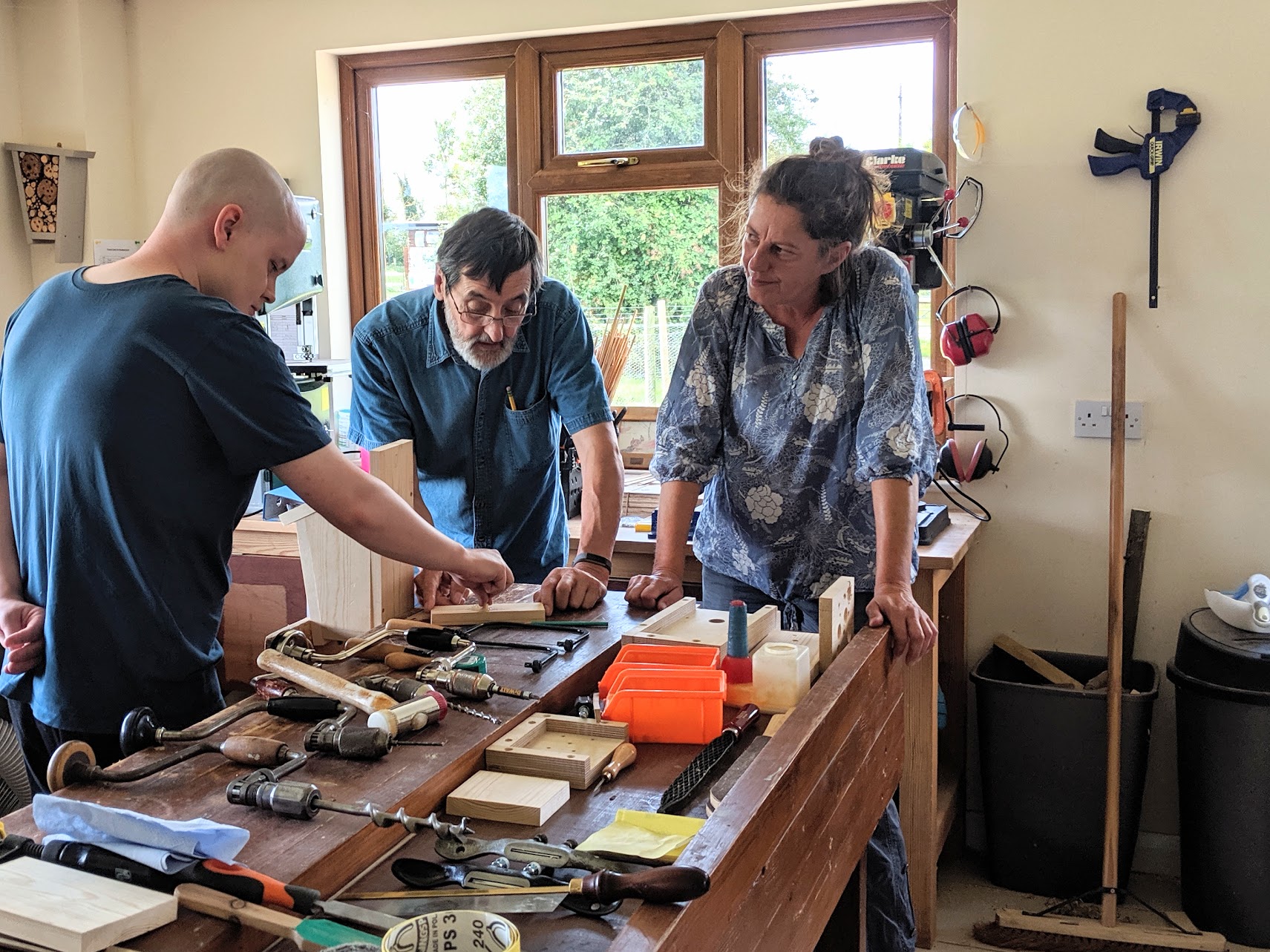
They see the bit turn in perfect accord with their own human speed and strength and then totally within their control. This is those who work daily with their autists and autists too. Thin spirals of wood spill from the auger with each full turn, the senses are heightened, eyes brighten, movements become productive as the curves in the bit emit the waste wood from the hole. This alone is embodies a total sense of empowerment because it's economic, productive and controlled by their own muscle. But that's not hard at all, that's the inspiring part using the right tools that are sharp and correctly adjusted, it's the sharpening and understanding sharpness that is mostly misunderstood by everyone I ever meet these days.

Maintaining pressure, exact angles, understanding threads as in screw threads and such. These are the things that must be understood by the staff first. These things that are mostly left out of the language of young people today are how we equip the new teachers and trainers. With this added into the curriculum it becomes all the more understandable for the teachers. Unfortunately today's teachers mostly go from infant school to higher education always in school. They are rarely trained for the kind of manual work I speak of. Assuming that young people do not have the vocabulary I use every day it must also be assumed that many of those responsible for teaching practical skills also do not have much understanding beyond their students either.
My experience with teachers in school systems is the confidence they have from always relating to littler ones who In the case of the school where we have taken on the responsibility for staff training it was first apparent that the ones closest to the autists would best be the ones to train them according to their individual complexities because of their deep understanding of the autist, autism and subsequent to this, the tools they would now be using. Because of the complex needs of autism as a whole, we recognise that not all autists would be able to use all of the tools and equipment and that must be assessed in the shop and at the benches with support workers present. It's the staff that carry the hope and desire for the continued expansion of the horizons of their young people with autism. Safety and care for them is always paramount. As one lead staff member has told me often, "We look for any success that comes and then we build on that success to lead them another and then another according to their abilities." I like that. You see this didn't start with me, it's been practiced from the beginning and has become core to what they believe and so foundational to the work there. It becomes readily apparent working with my friends there that they describe where they are, trying to speak for their students (as they cannot) in such a way that others can see and celebrate their strengths as well as understand their difficulties. That's to show how much application the young people put in to working, despite their difficulties.
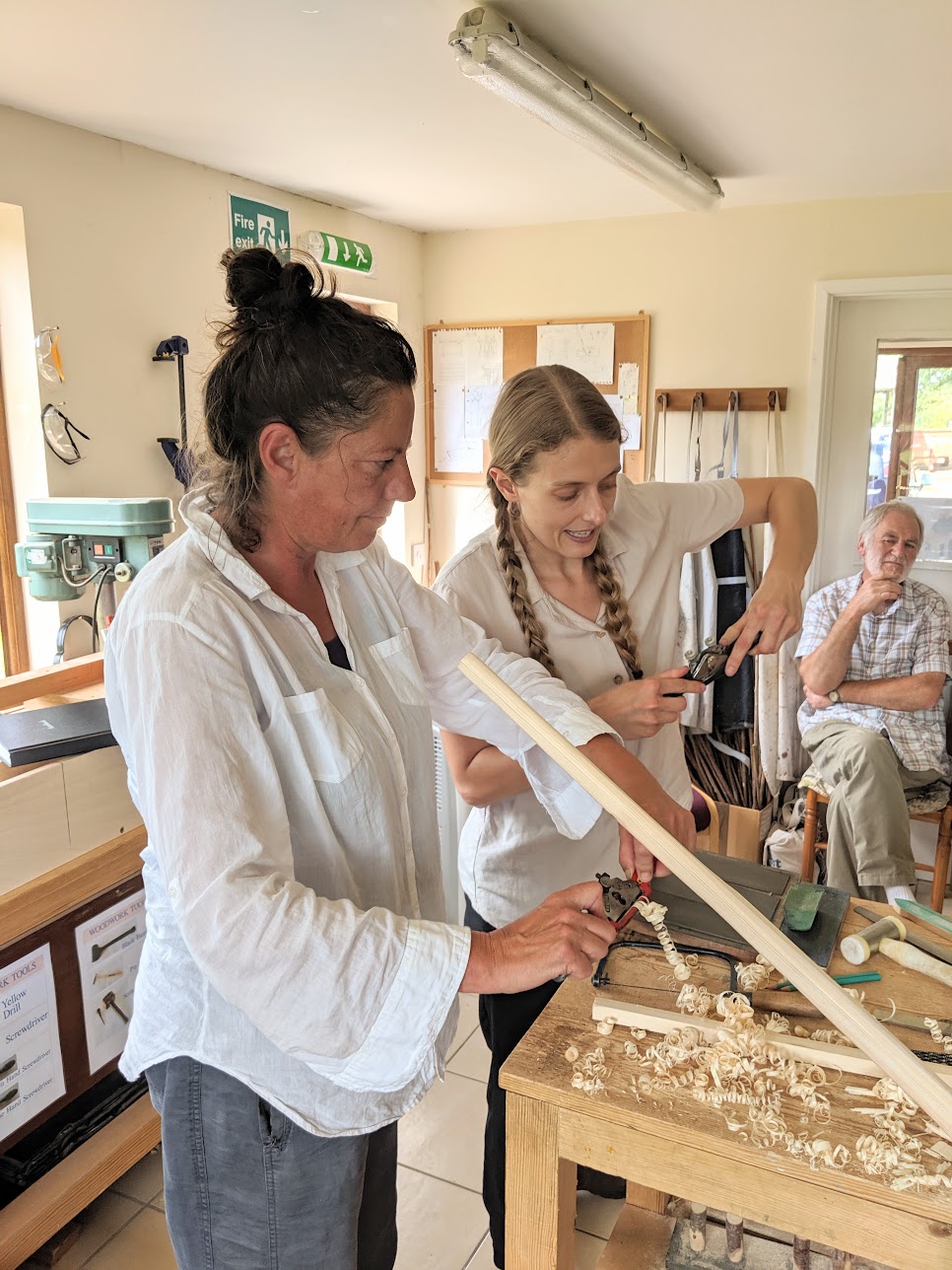
The farmland that contains the training centre is about enabling around 50 young people with autism to gain training within the context of a small and comprehensive farm setting. Here they provide those autists, some with complex needs, the training they need together with real work opportunities in rural based skills such as animal husbandry, horticulture, conservation, home skills, rural craft & hand tool woodworking.
The staff? Well, what can I say? The staff are just the most amazing people. As I said, they carry the burden to expand the horizons of the autists they work with safely and carefully. Without exception they have all embraced the woodworking with a growing interest for how it works for autists and they have done that because they care so much.
Comments ()