
Cutting Out Your Wood

The wood I bought from my friend George is stacked outside the garage workshop in a pile and I have started to work it down to sizeable proportions. Cutting into it I have chestnut, elm and beech slabbed into 1 1/2", 2", 3" and 4". Before I take it down to working sizes I must decide what size will suit what component size, what components will suit what project and then what wood matches the envisaged project. I calculate that of the dozens of pieces needed to furnish my house the wood I currently have in stock will make about 15-20. The wood I bought had been stored outside under cover and without the ends having been sealed. It all still has the wane and the bark on but the bark is loose and falling off.
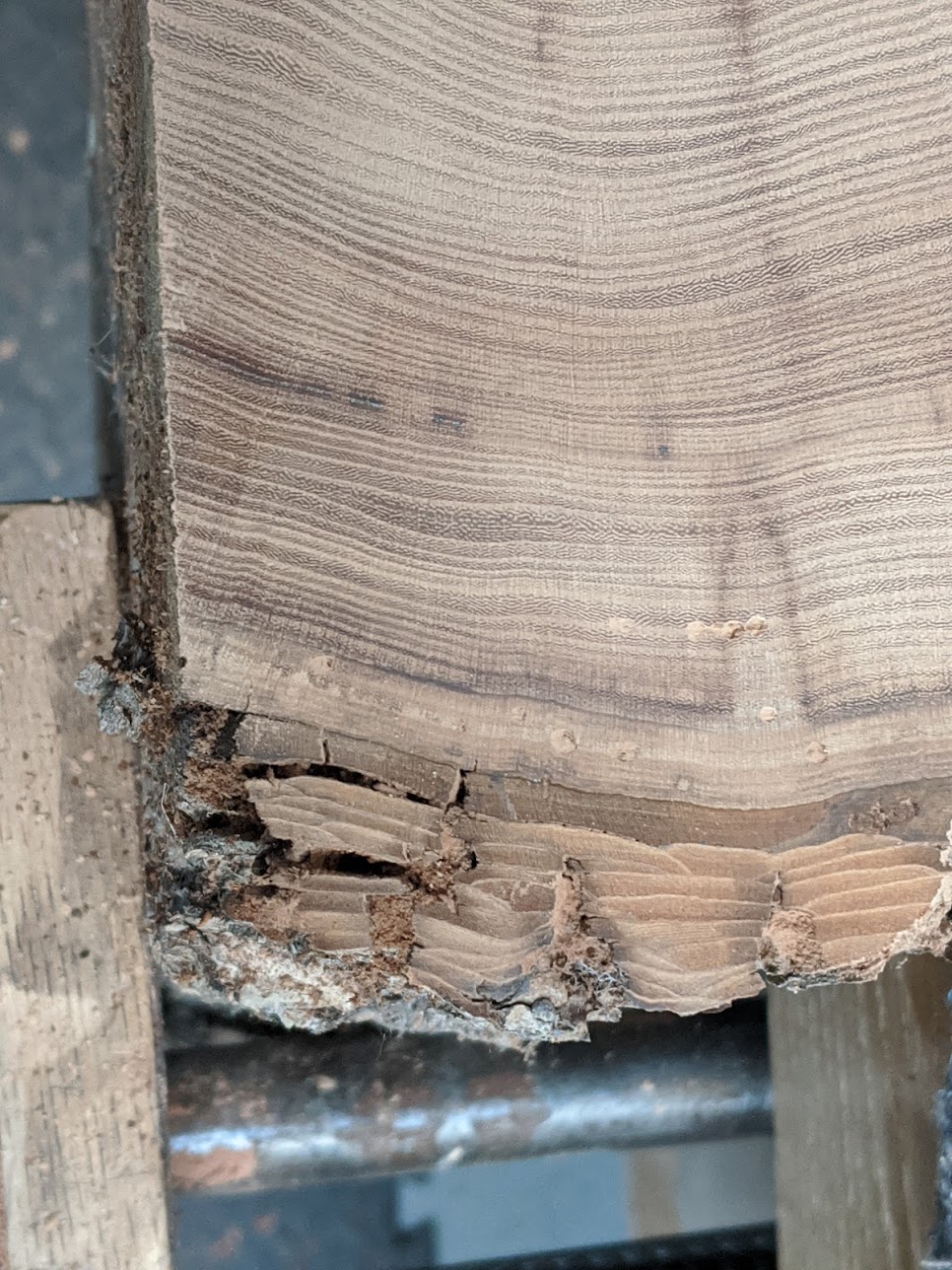
Mostly that means that beetles will have laid their eggs in the bark and the grub will find its food in the sapwood just under the cambium. In such cases the grubs bore up and down the narrow band to find the nutrition it needs to survive. Often they will take a detour into heartwood but not too deeply. Two tasks are ahead of me now to ensure minimal damage takes place straight off. Firstly I must decide if wane stays or goes. This can depend on a couple of things - one, whether the beetle work is character-giving or ugly, two, will I want waney edges on the specific piece. Another factor becomes evident with roughsawn wood that has aged over a few years and that is the bark and sapwood starts to disintegrate and becomes punky. This then absorbs and retains moisture which then discolours the heartwood and can lead to further rotting and decomposition. More decisions!
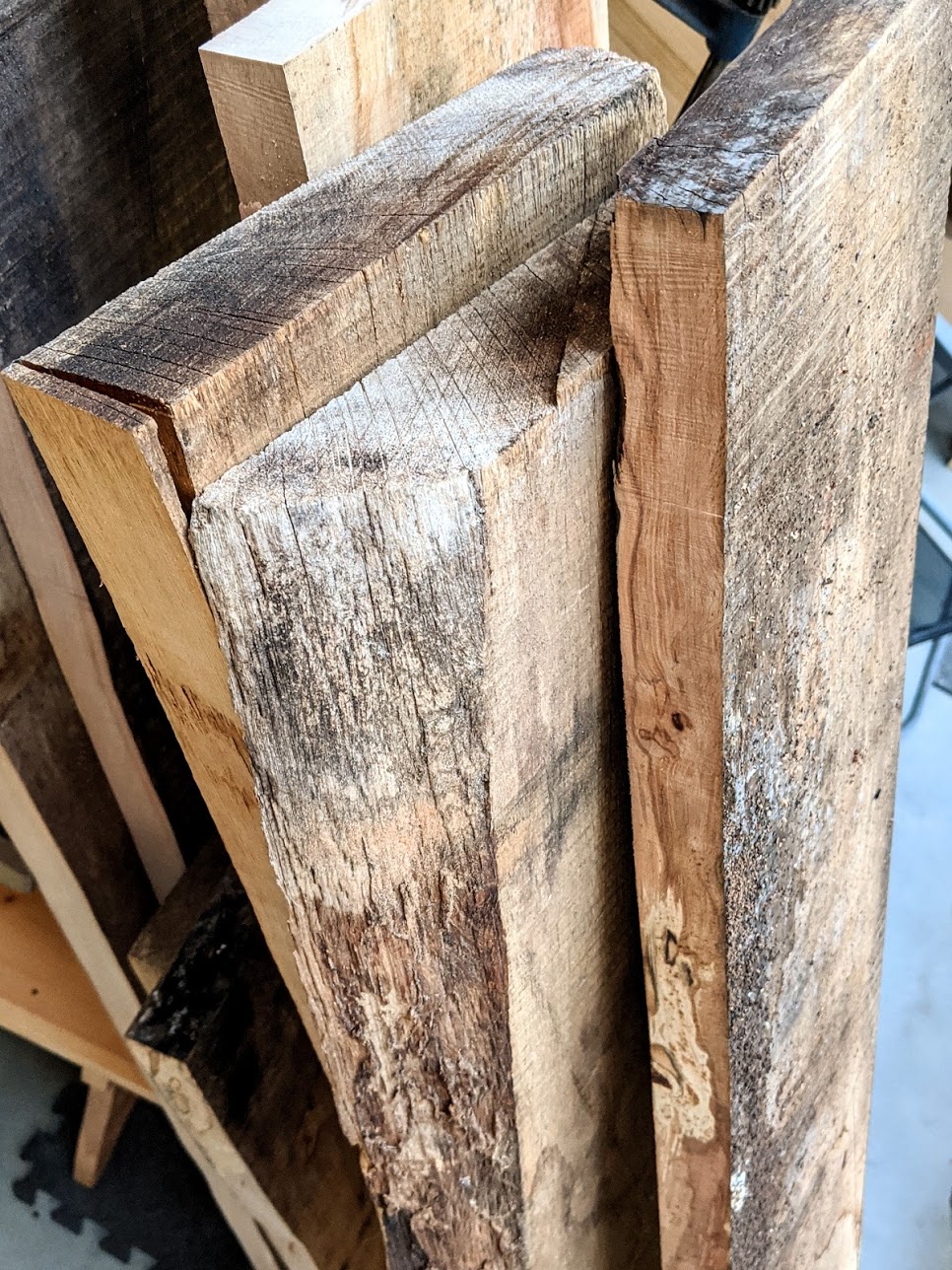
Fifty percent of my wood is already in excellent condition and ready to go as I have had some of it in since 2011. Ideally that's the way to go but of course that is not always possible for most of us. A moisture meter is a handy and inexpensive piece of equipment. You don't need an expensive one. Wood you have had in and in good storage conditions needs no more testing than just being in dry conditions with circulating air. Buying in wood is better either moisture tested or kept for a number of months. We can't always do that so the moisture meter comes in then to make sure. Of course this is only important in areas where shrinkage affects the whole. Places where opposing components will not shrink at the same rate or where there are mitres and such. Breadboard ends is a good example as is wide picture framing.
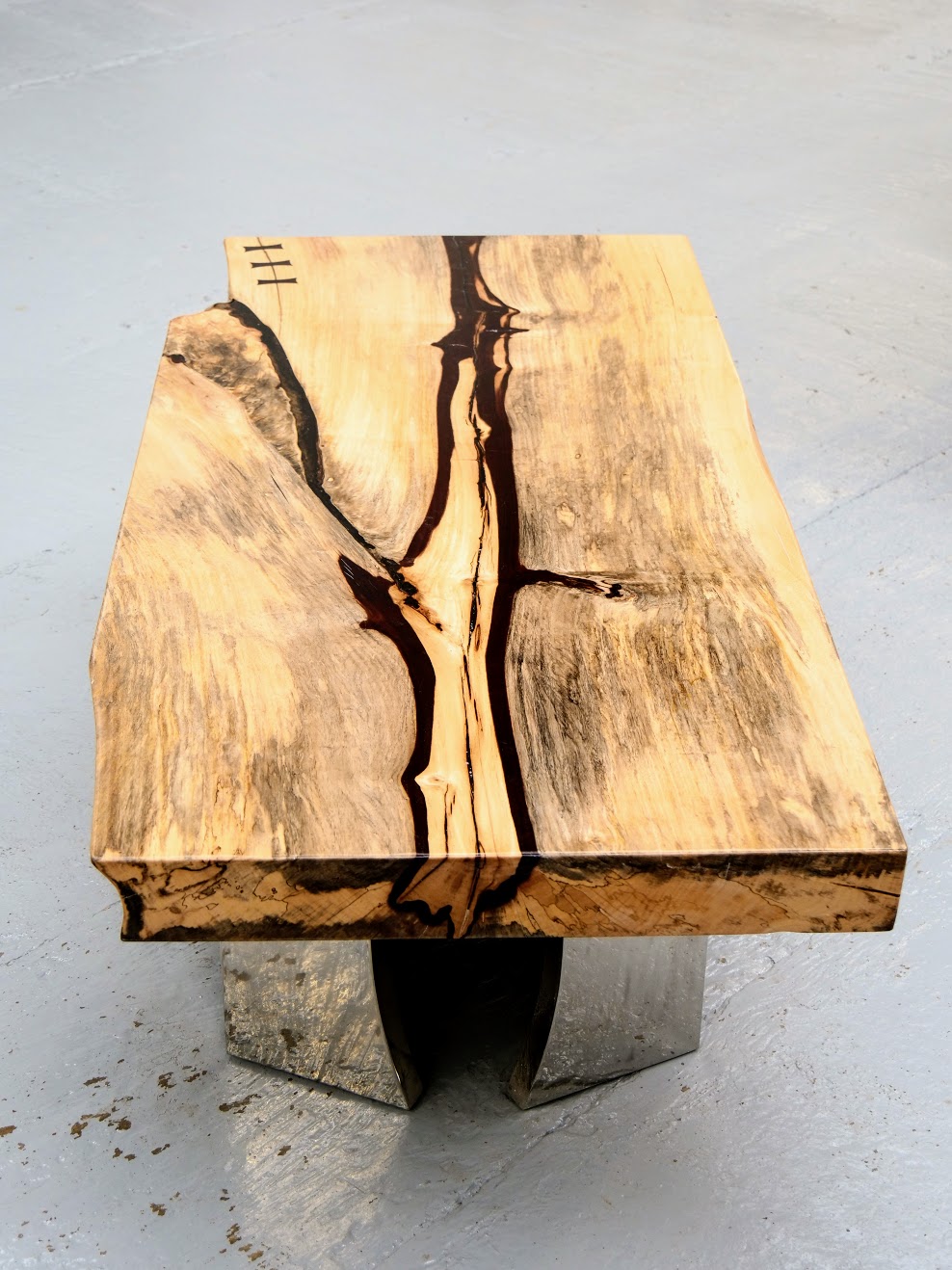
Wane is not particularly attractive in large quantities but when carefully chosen it can make a distinctive alternative. I certainly would not want all table tops to have waney edges and calling it "live edge" doesn't alter the intrusion if it's not desired. In my world, 'live edge' and 'character' this or that often translates into lack of imagination, not always though.
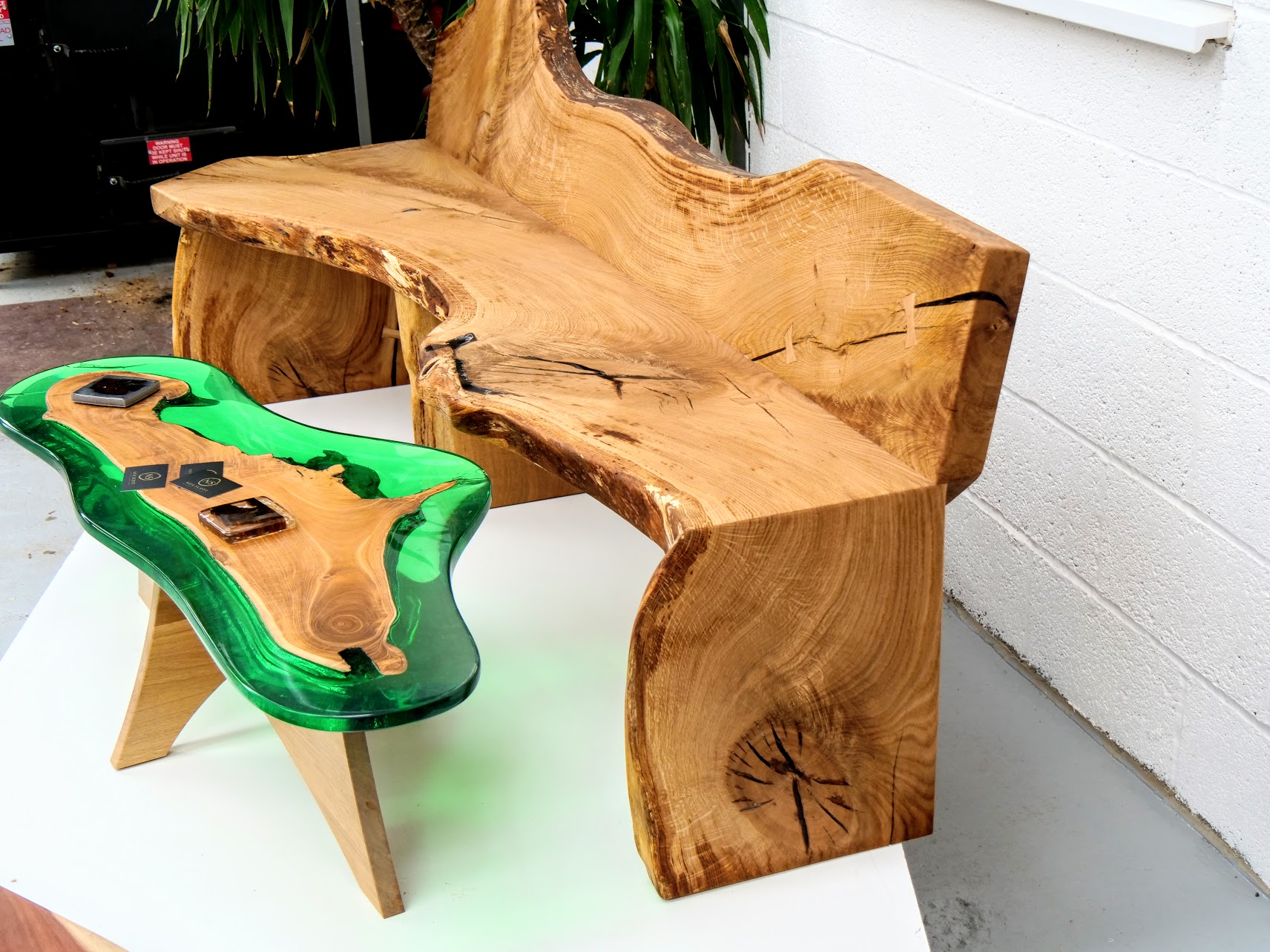
Just that I often see these lazy descriptions placed on slovenly work. I have seen it successfully used by many makers to really enhance spaces that can actually be difficult with more traditional pieces. I have also seen it overwhelm small spaces and conflict with what exists. I would use it carefully and enjoy it in the write places but not necessarily in large quantities.
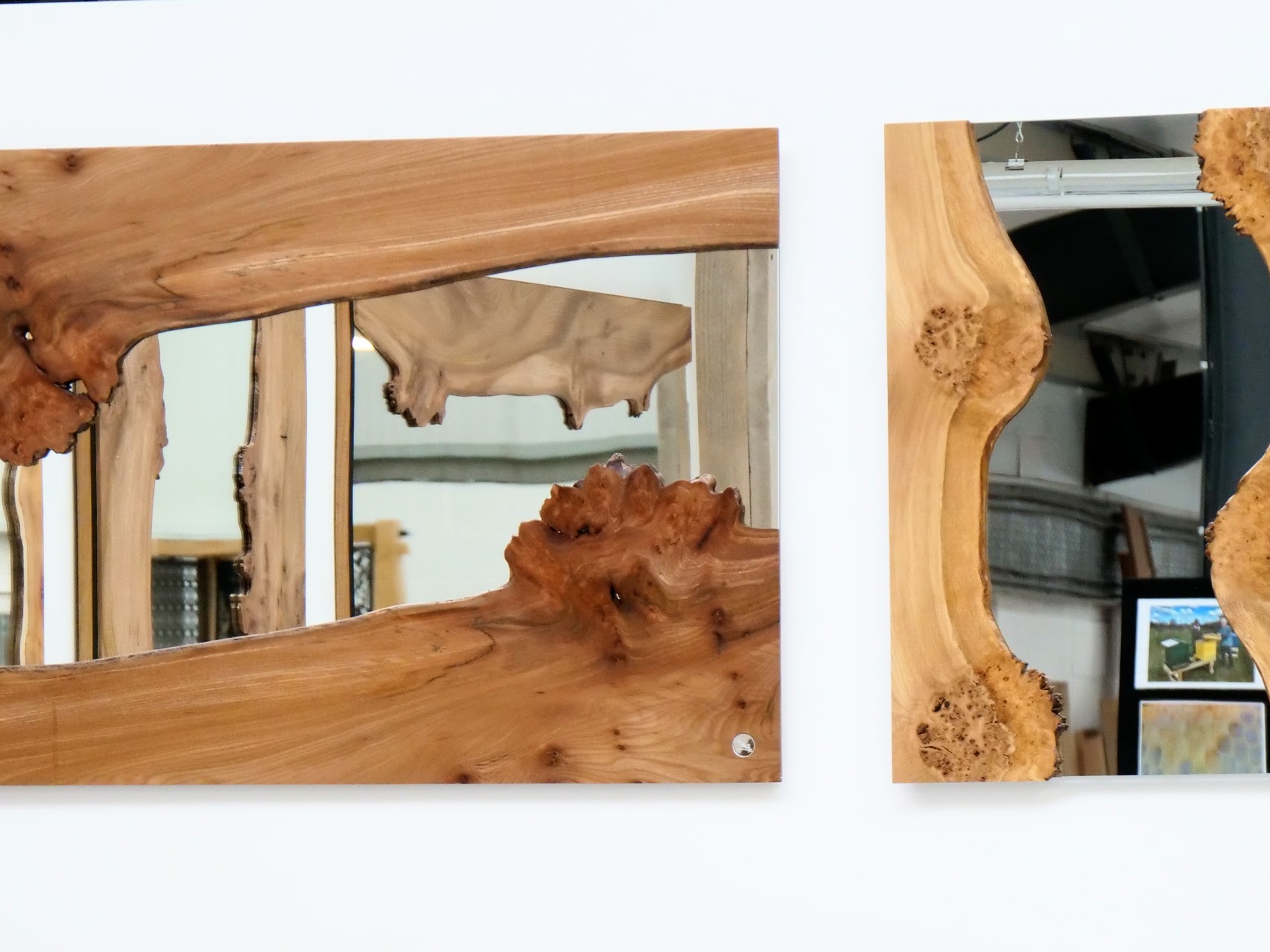
There are some really nice accent pieces that lend themselves to large areas like entryways and offices, large lounges and such. Places where they nor the room overwhelm. I'll be looking into this more when I build the pieces for the house. The rooms are not big, but having the wood drying is inspiring and we will see what transpires.
Comments ()