
Wood Block Art Form
Historically it may be a thing of the past but reality tells me that nothing truly replaces the imprint qualities wood block brinks to ink and paper. A phase in my workbench efforts next is to develop my drawings into woodblock printing for the press. Time always seems to be running out these days but staring into the face of the blocks has left me with renewed energy and this art form is indeed truly unique. That's wood again - what it does to me!
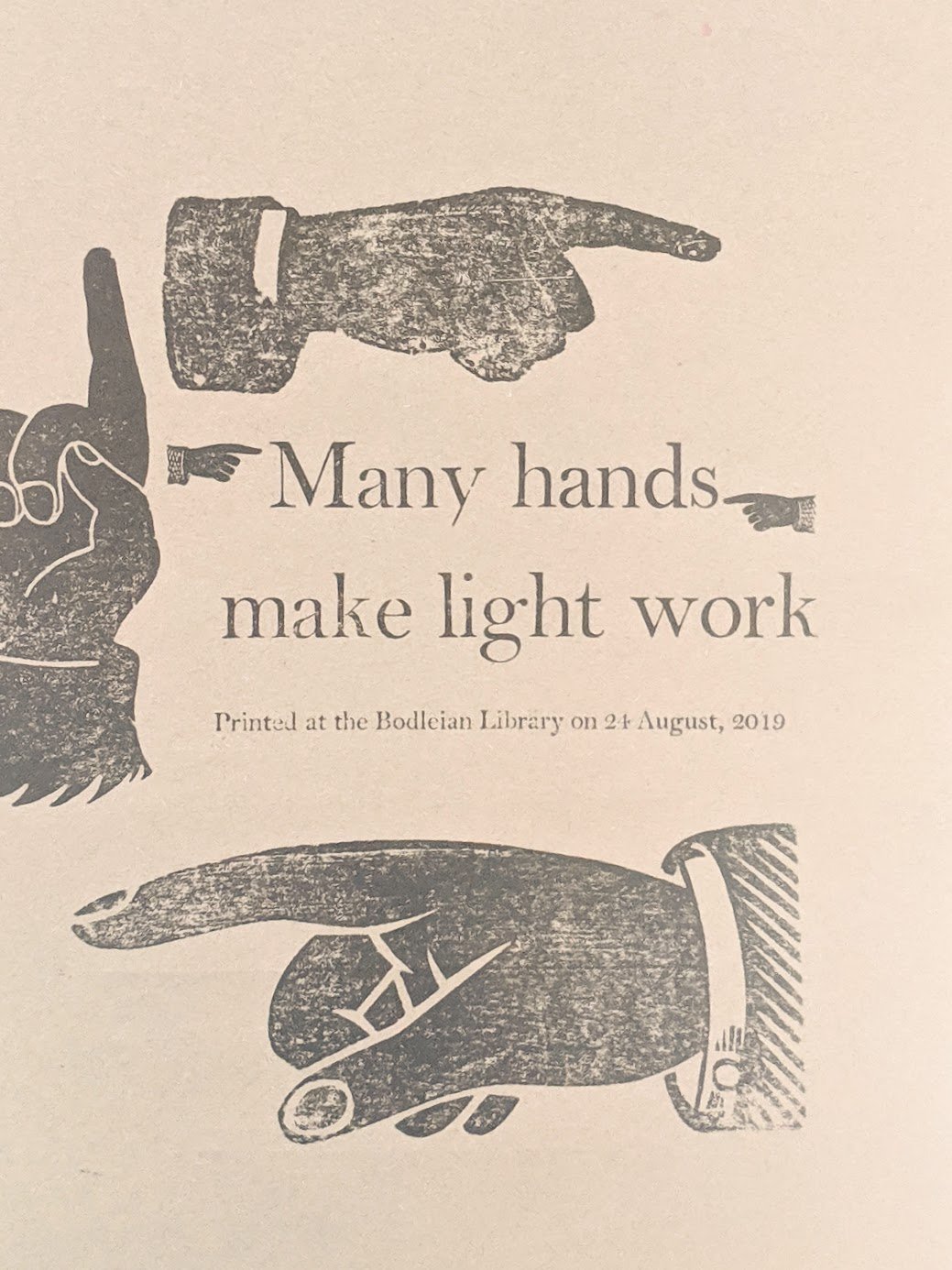
Lines, shades, shadows and contrasts create distinction and subtlety side by side. Beyond that there is the Joseph Moxon's inventing ingenuity that cannot help but be admired in and of itself. This replicated mechanism from drawings over 300 years old make me realise just how long it is since someone decided to progress mechanisation. Go back to 1445, almost 600 years, and discover the art and invention of Johannes Gutenberg, cited as the entrepreneur who is thought or even known to have developed the earliest printing press known by his name.
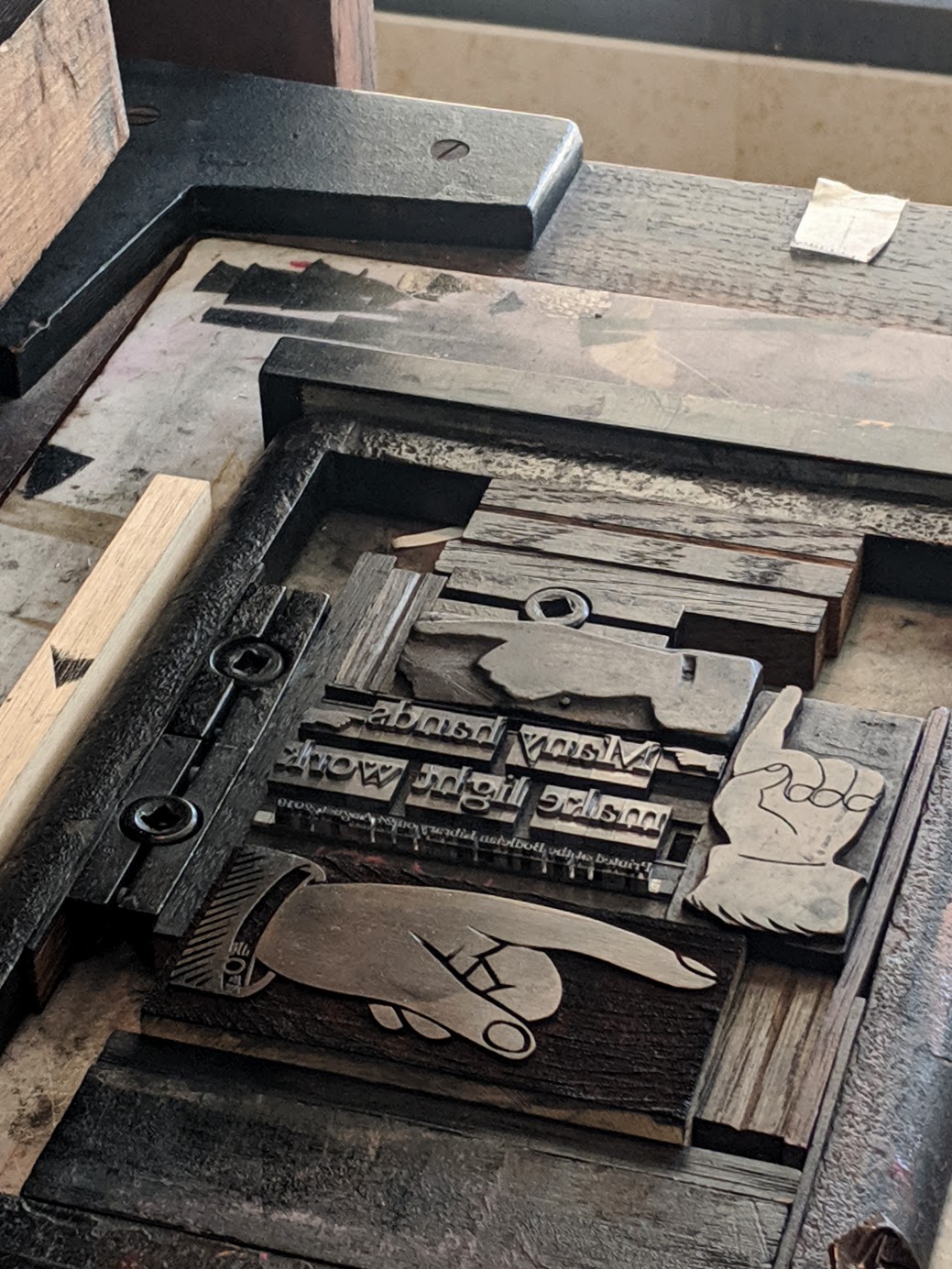
This German-born goldsmith of the day took it upon himself to revolutionise the way words would be read in the future. Today his work stands uncontested in developing the refining steps towards the mass production of books throughout an emerging Europe. Thus the bible, the first book ever printed by Gutenberg, was replicated by press and not by hand written text. As of 1995 it stands uncontested as the most widely printed book on record, standing at an estimated five billion copies.
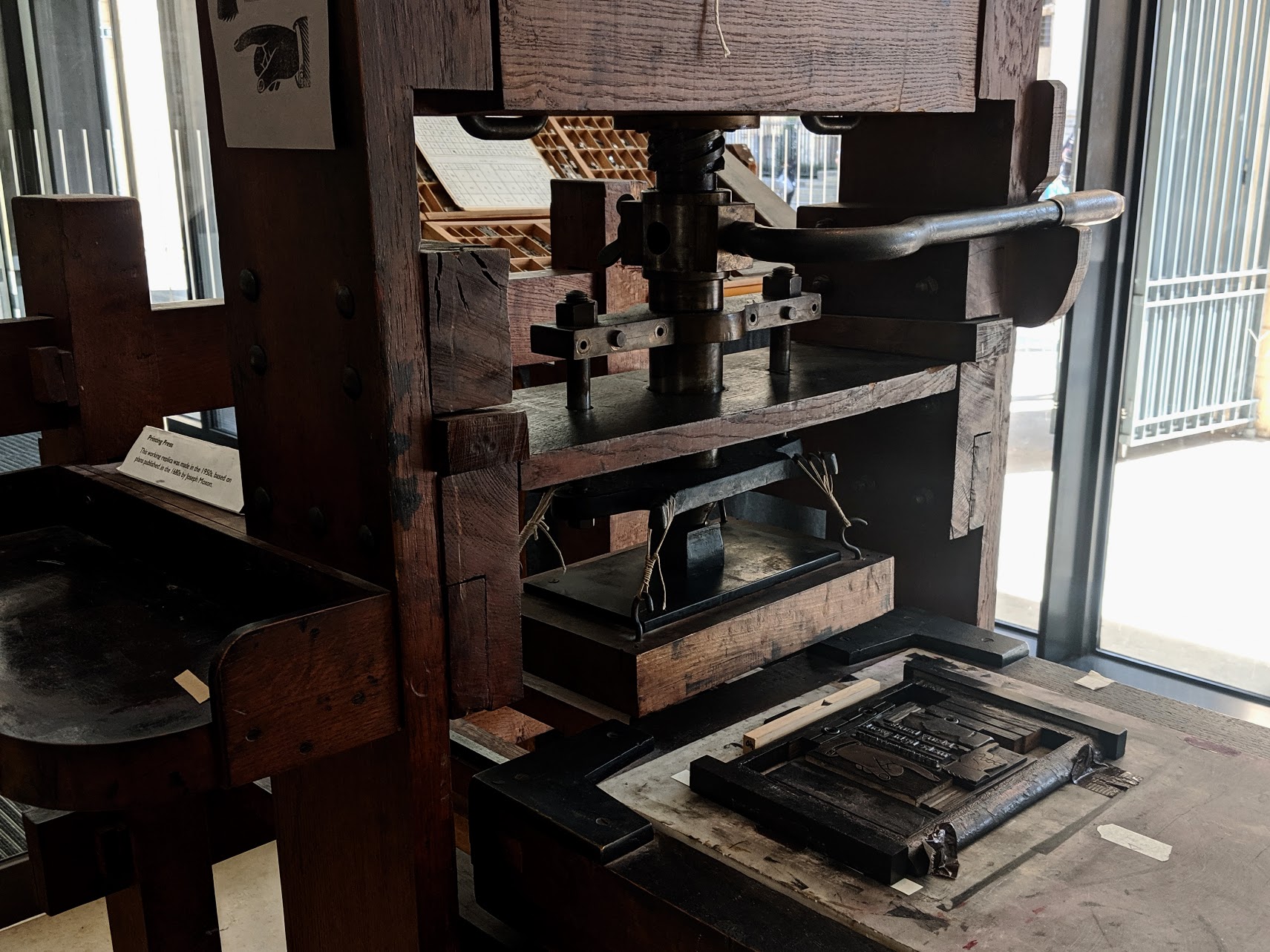
I enjoyed looking at the mechanisms of the press and would have enjoyed turning the handle a few revolutions too. Alas, I could only stop and stare for a while. Wood was replaced by lead that could be remoulded when definition was lost to the papers coarse impact. Wood must be carved afresh. Such would be the demise of the wood crafting artisan yet again.
Comments ()