
MDF Surprises Me
There are lines I won't cross in my woodworking. Using a router for dovetailing, MDF for tabletops and boxes, things like that. I was never beguiled by such. I think perhaps one of my proudest accomplishments will be never having accomplished making dovetails using a so-called power router. I find it humorous the way disempowering skilled man-power with a hand held machine was somehow seen as empowering. Oh well! I never used one for any other joint type come to that; I've relied on my developed skills and strengths for 5.5 decades to date. But, I do understand that some people in the profession of machining wood have no choice but to - I think that that's just fine too.
I am often advised by others what I should and should not do. "Use a sabre saw." one says, another an impact driver, this type of high-end plane and saw. You'll know what I mean. It's as though buying such things is the end of woodworking life's problems but they all need replacement blades and sharpening no matter what. Of course a lot of it is not for me and a lot of the advise is really quite silly. There again, the odd one gets my attention and I try, sometimes accept and change. An odd one, anyway. At one time a US magazine editor advised me to cut a dovetail by router and jig, just so I could experience the method, but there are some things I (and you) just do not need to try out to experience it. Unskilled work is often such a work. I've seen suits scoff at a man dig a ditch when I stood the others side of the same ditch admiring the economic efficiency and precision in the way every slice to the clay was parted off to a perfect load equal to the man's strength. I want my real skills to be exposed and exemplified in the pieces I make, not the substitutes for skilled workmanship.
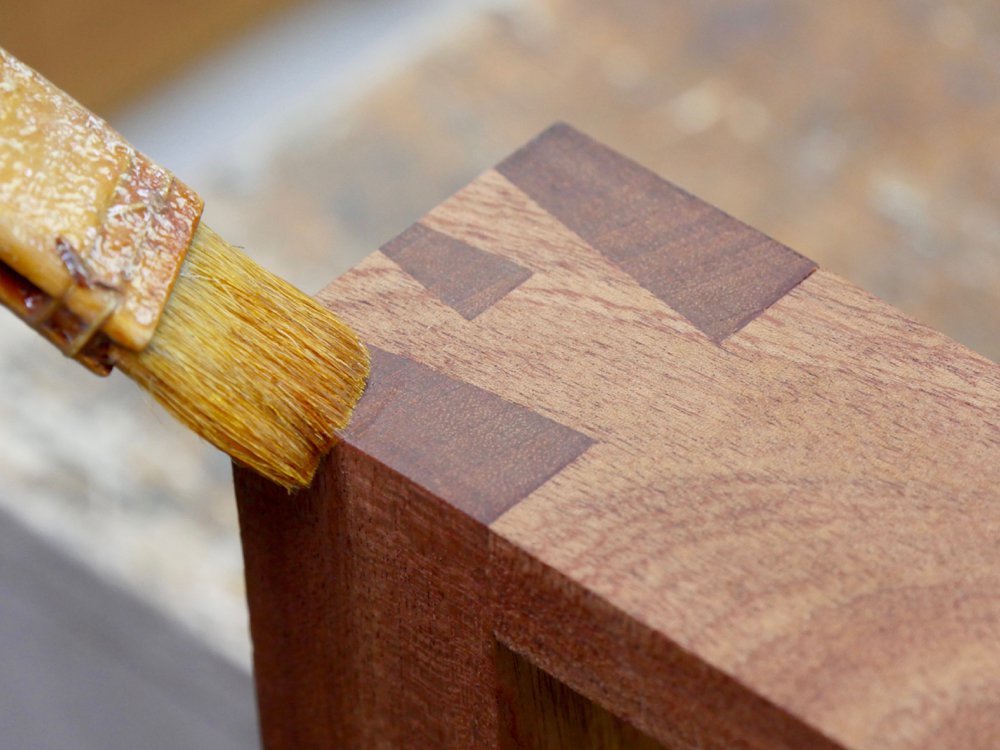
I used machine routers enough in my business of making to become an expert in all areas except cutting dovetails and I rest my case there. It is as great an accomplishment some times not to do something as do it.
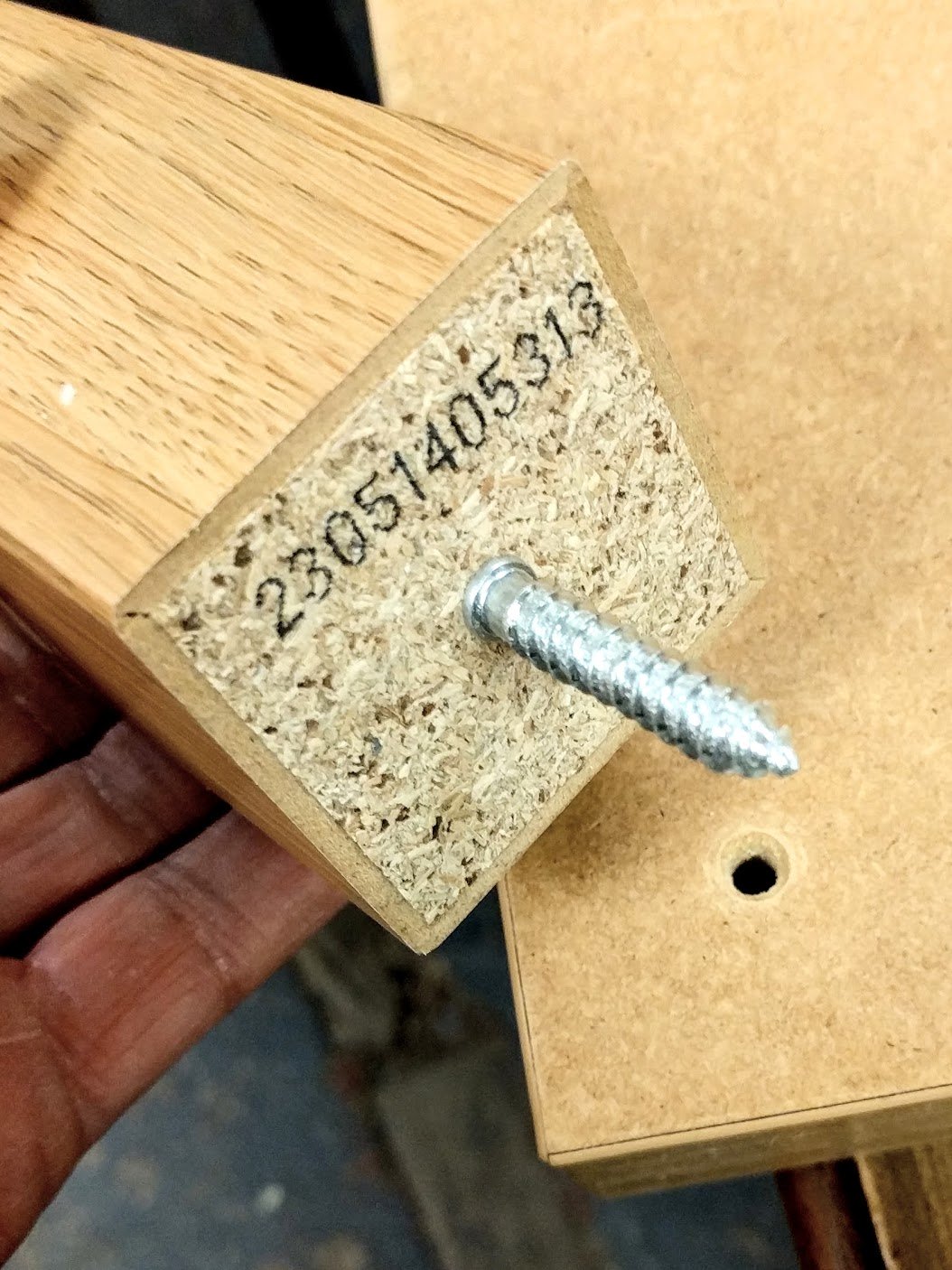
I read a recent article that said wood veneer saved our forests by using only very small amounts of valuable wood when compared to solid wood. I contacted the magazine to see who the author was and the woman told me it was an "in-house article written by different staff contributors". I left it parked there and resolved it by understanding it was no more than a point of view, one of those so-called opinions we're all 'entitled' to have; nothing much to do with fact at all. Reality is that the sub materials used to support veneer usually comprises over 80% solid wood taken straight from the tree and defibrated to create dry particles via a series of subsequent processes. Added to the mix as the next major ingredient is urea-formaldehyde, a resin glue, and then water and paraffin wax, which makes up the remaining 10%. Most people, and that includes professional woodworkers, actually believe that the substrate in engineered boards is to save real wood or more expensive woods and then scarce woods too. Reality is that the engineered boards like MDF, Plywood, Chip- or particle boards and OSB are all made from real wood and are pretty near the same volume as using solid wood. The next truth is that the reason these boards are indeed manufactured is for stability, economy of size and machine processing, expanse of size and so on. making a box from MDF or almost any sheet material is fast and efficient. Again, a non-negotiable for me.
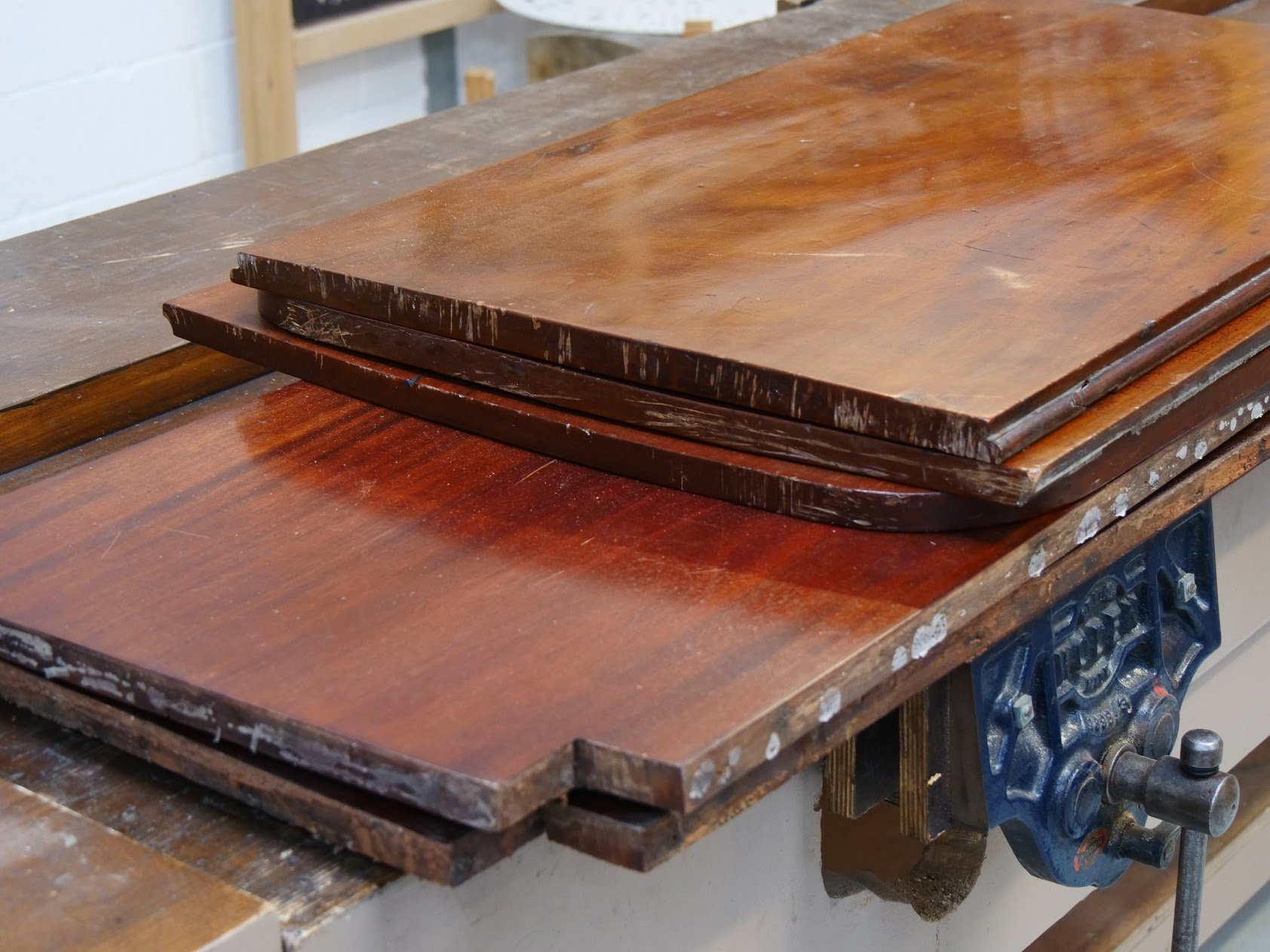
Facing it with a veneer hides the ugly and often mirrors what we might get close to using real wood, hence its popularity. Even some plastic surface treatments skinning large panels can be so good that in some cases we cannot tell whether is is indeed real wood or something artificial. Plastic even. I too have been fooled. The greatest benefit to the use of substrates of artificial, or man-made, or, now, engineered boards is the resistance to expansion and contraction we experience always with solid wood. Removing this from the equation more guarantees that a product will remain stable without cracks appearing after a product is finished and installed in its permanent home. MDF and boards like chipboard (particle boardUSA) are much more stable, followed then by plywood as a very close second. Whereas MDF and chipboards do not do well with any kind of traditional joinery, plywood is better. So we may do well to save the exotic trees by using face veneers, longevity becomes questionable in high use and traffic areas. In fact many budget lines of furniture use MDF and veneering to manufacture lower cost items for the home and office, ultimately this can result in false economy. But something has changed in the last half century or so too...

...whereas prior to the last 3-4 decades families and individuals bought with longevity in mind, many today buy into the fashion world of home decorating as they would look more for how it might be acceptable for a few years instead of say a century of daily use. Disposability and its partner consumerism have taught this new lesson. I would even suggest there is indeed a planned obsolescence we never knew could be possible in furniture prior to the post war years when greater affluence among all people became the norm. What we never really realised in the beginning is the veneers actually masked the substrate of inferiority in both materials and construction methodology. With some companies this improved and with some, striving for lower prices to minimise competition, quality markedly dropped. The price is of course much greater wastage, and look into any skip or dumpster to see just what I mean. I have yet to pass through any recycle centre where the stacks of MDF and chipboard products are not the prevalent discardation material surrounding today's furniture.
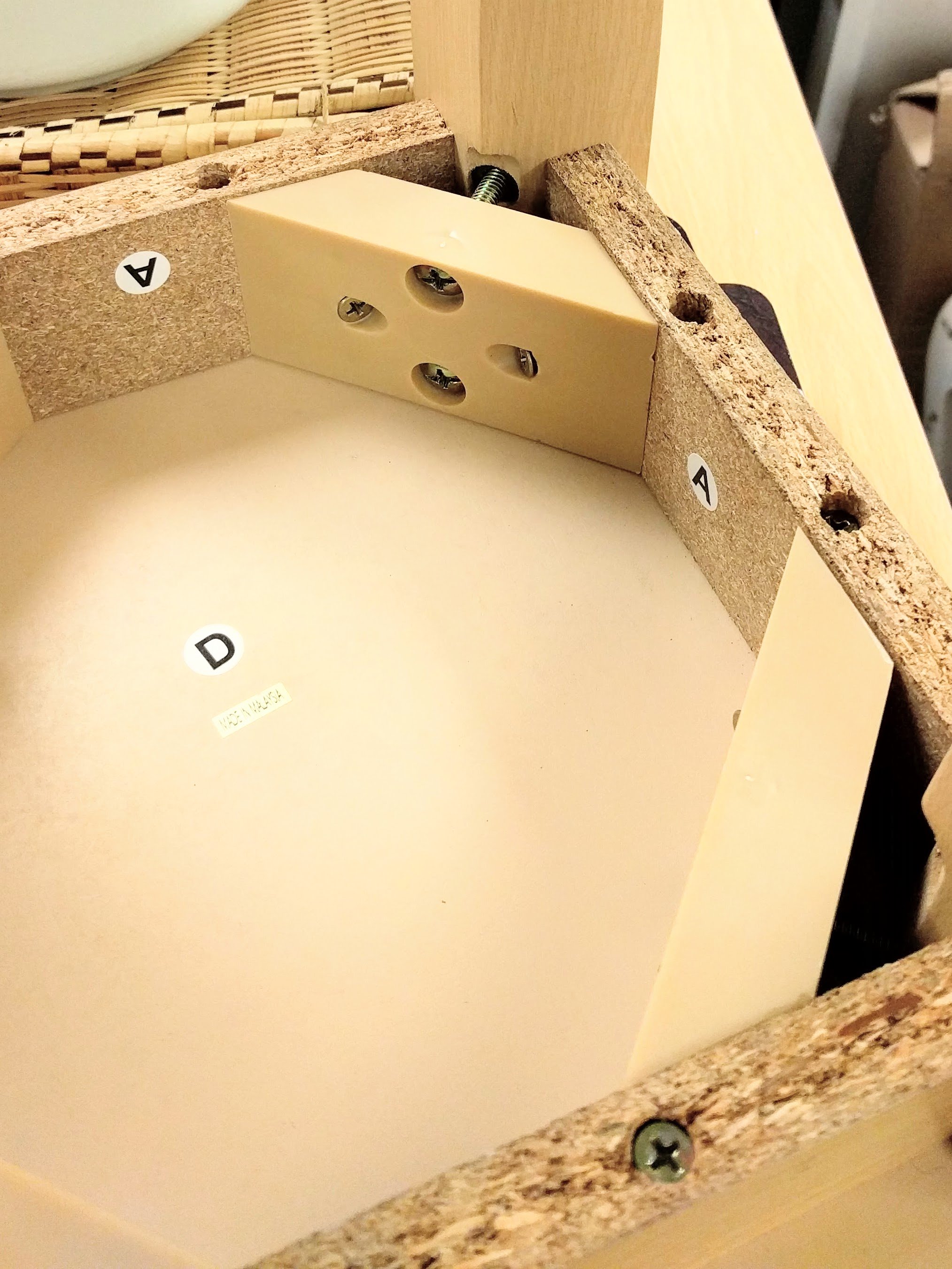
So the true costs of using stable materials designed for mass making mostly often means we will be paying out for it in the long term. Not even me, those yet to come, yet to be born. In reality we actually can end up paying as much for the veneer as we do for solid wood 20 times the thicker than the veneer. Articles based on ignorance is not really an excuse.
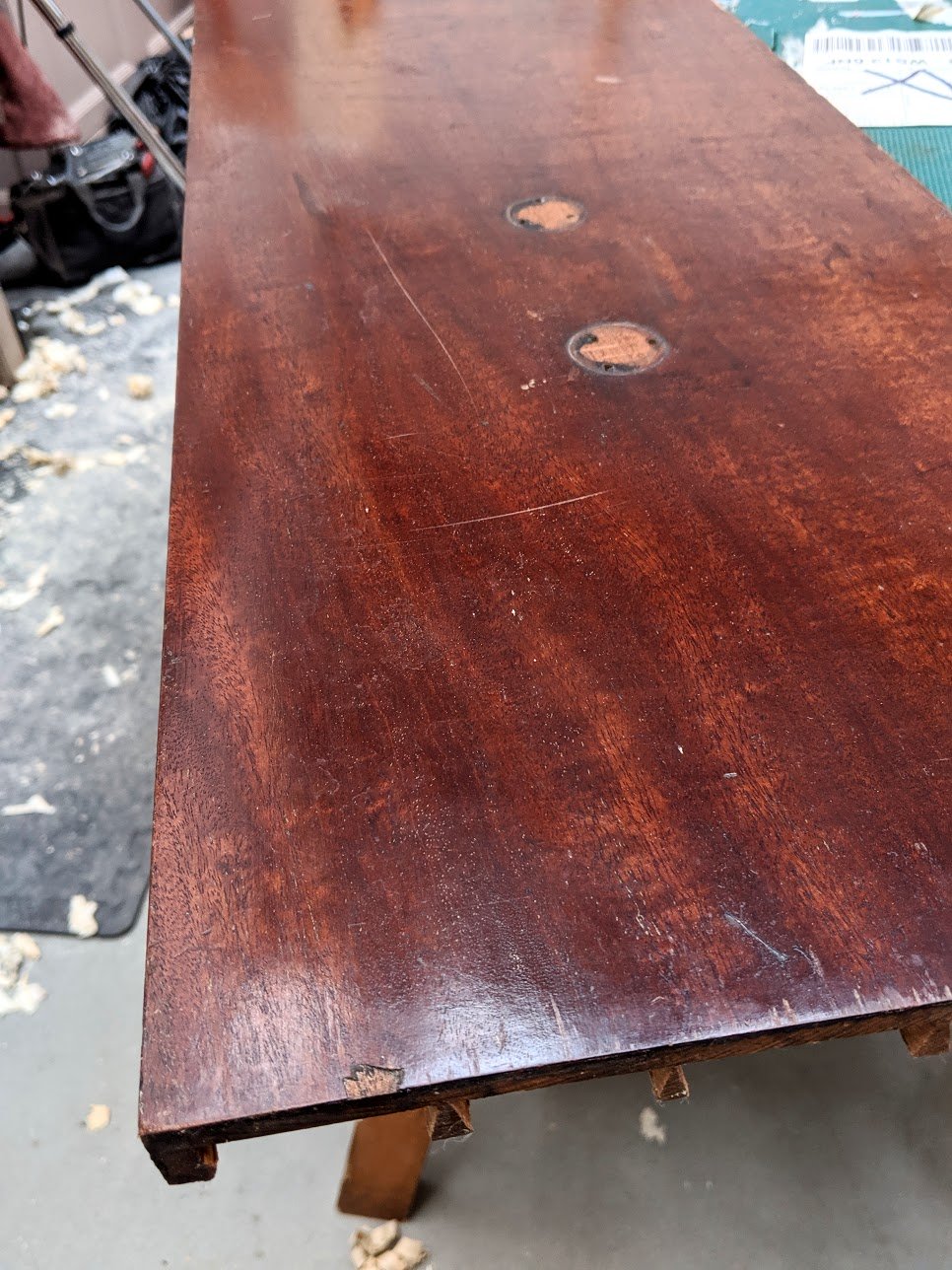
Veneered wood in its origin was not intended at all to substitute for real or solid wood as it might be today but so that we could do what might otherwise be impossible to do in solid wood for several reasons including wood expansion and contraction, stability, wood type, colour and grain equalising and matching and a mass more.
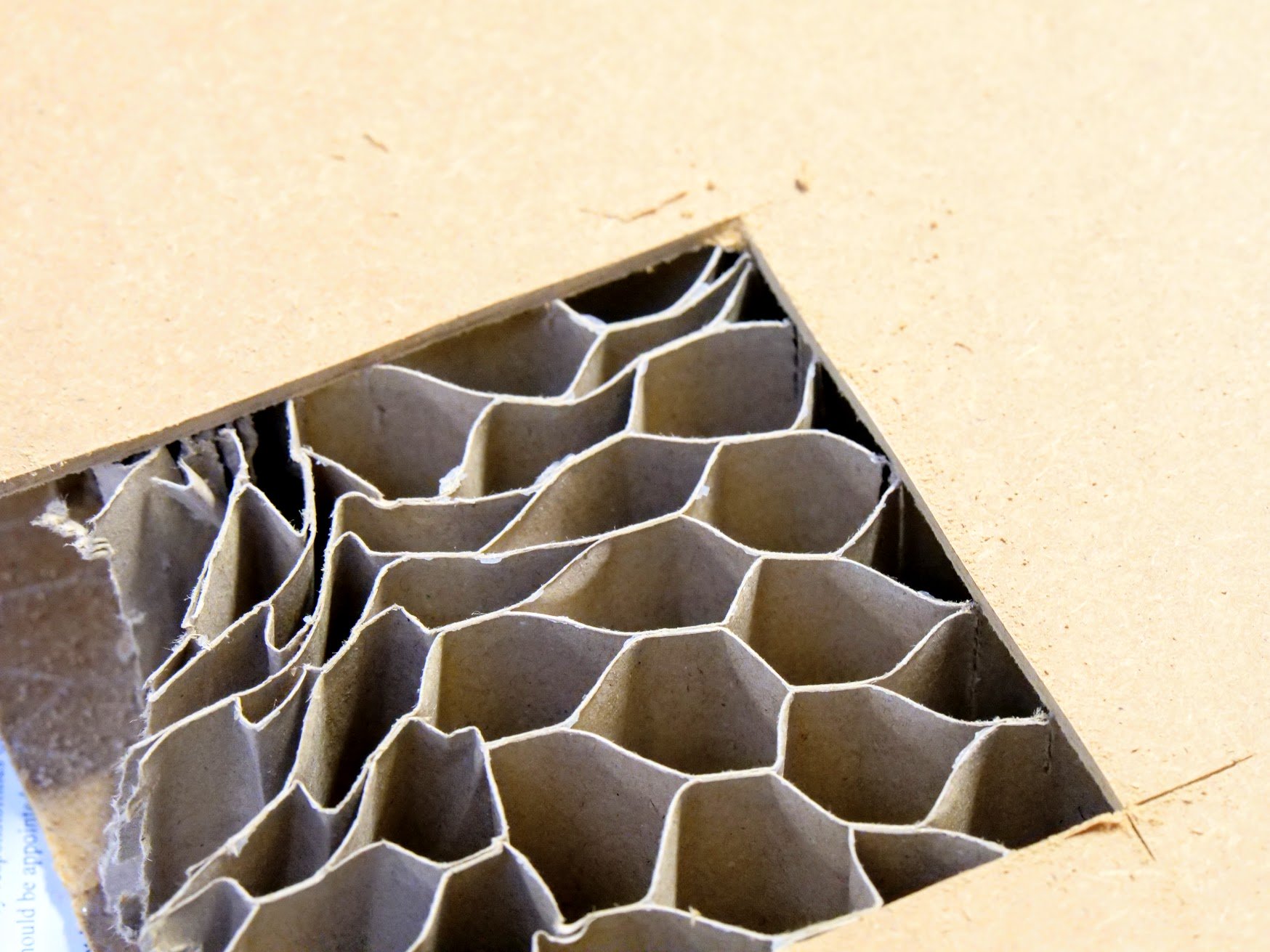
Whereas I have seen some really fine veneer work that would likely not survive on anything but something as stable as MDF, I wondered then if art justifies the means these days. I then asked myself if I use a styrene-type plastic as a substrate, what would be the difference between that and MDF. Is art and the construction of the 3D pieces we ultimately always craft good enough in MDF or plastic or should we crafting artisans and amateurs alike still be considering longevity to our work?
Mostly veneer work was more about enabling craftsmen in their endeavour to create stunning surfaces by book matching surfaces and replicating repeatable grain structures to provide continuous surfaces even over or especially over large areas. By this means we can equalise texture in colour and grain density, grain configuration and colour match. Such was indeed virtually impossible in solid wood for the reasons given. Veneer did much more in it's pioneered origin than what happens with it today which is to disguise ugly and temporary materials with a facade of real wood. In those days wood on wood was more the norm. Are craftsmen and women now sacrificing longevity of their art form for ease and even complacency? Are they self-exempting themselves from ultimate responsibility? If I purchased a box that looked stunning on the outside but subsequently discovered that the inside support material was MDF and or plastic I think I would be looking for the worm in the apple. Thankfully for my own conscience I am still rethinking my future and the futures of those yet to be born.
Comments ()