
The Bench in My Garden
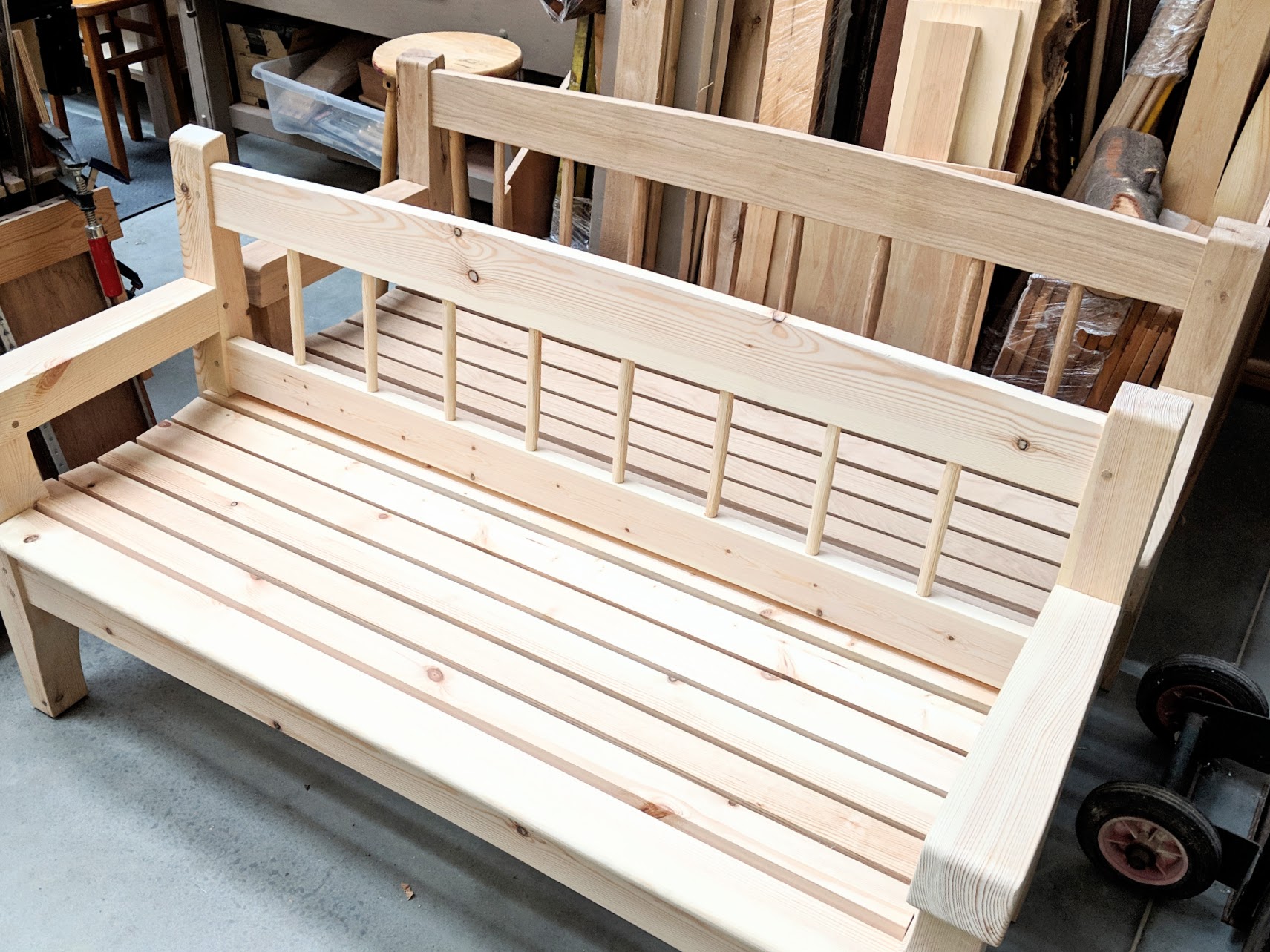
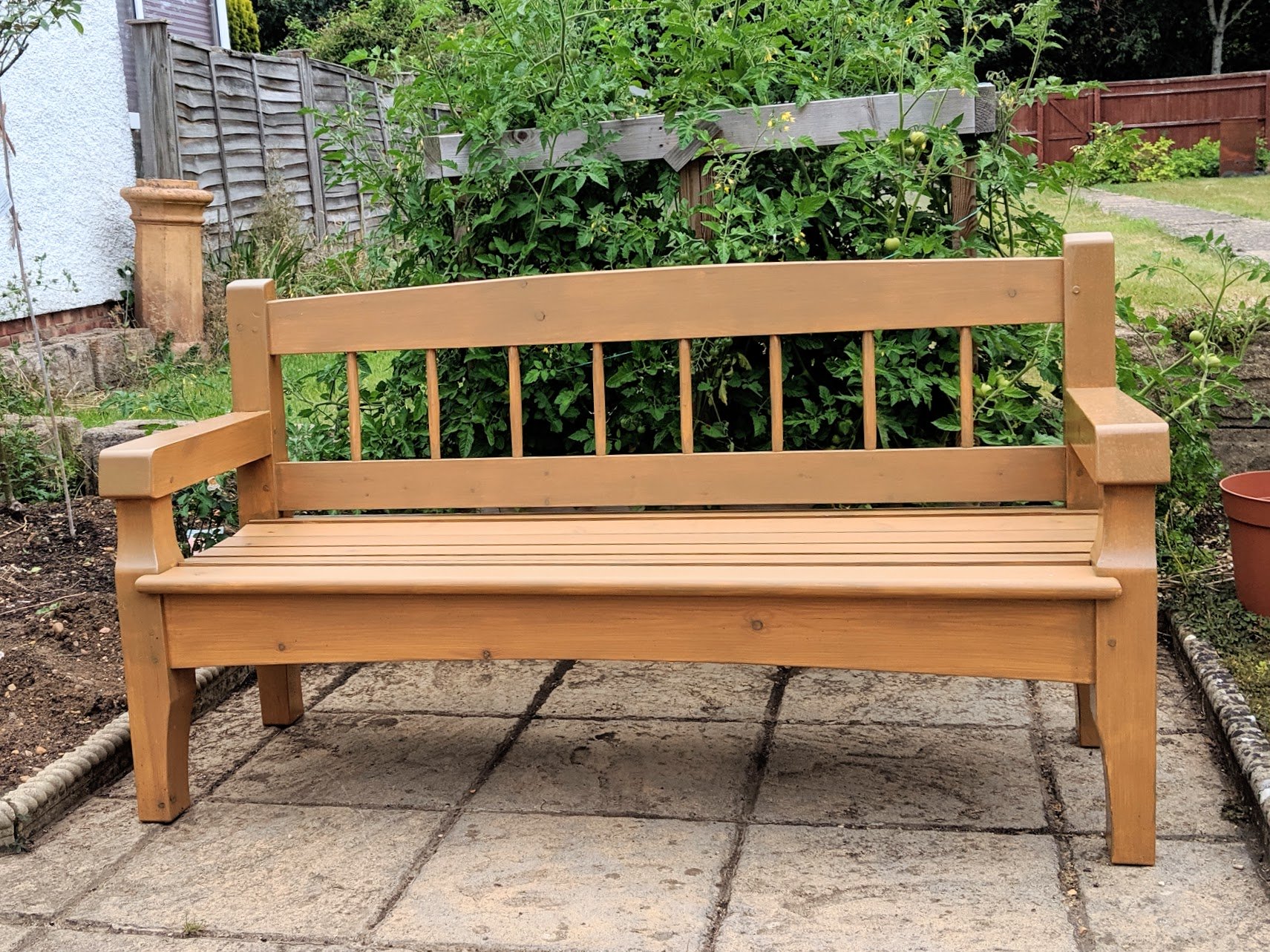
I waited a while before giving the pine garden bench it's protective layers. I wanted the wood to be thoroughly dried down so that the oil-based finish would have the least opposition from moisture forced out by the heat of summer. Now it has three coats so I expect it to last the next 15 years. I have decided not to leave it out in the fall and winter but place it back for the outdoor sitting periods of mid spring, summer and half of autumn. Whether I do we will see. I will be 85 by the end of the trial. This bench sits alongside the oak alternative that has no protection at all. We shall see which one lasts the longer. Any bets?
An added thought here. Some of you swear by this or that finish. Well, I used a waterborne finish by Ronseal and applied three coats to a project I no longer need so I cut it up.
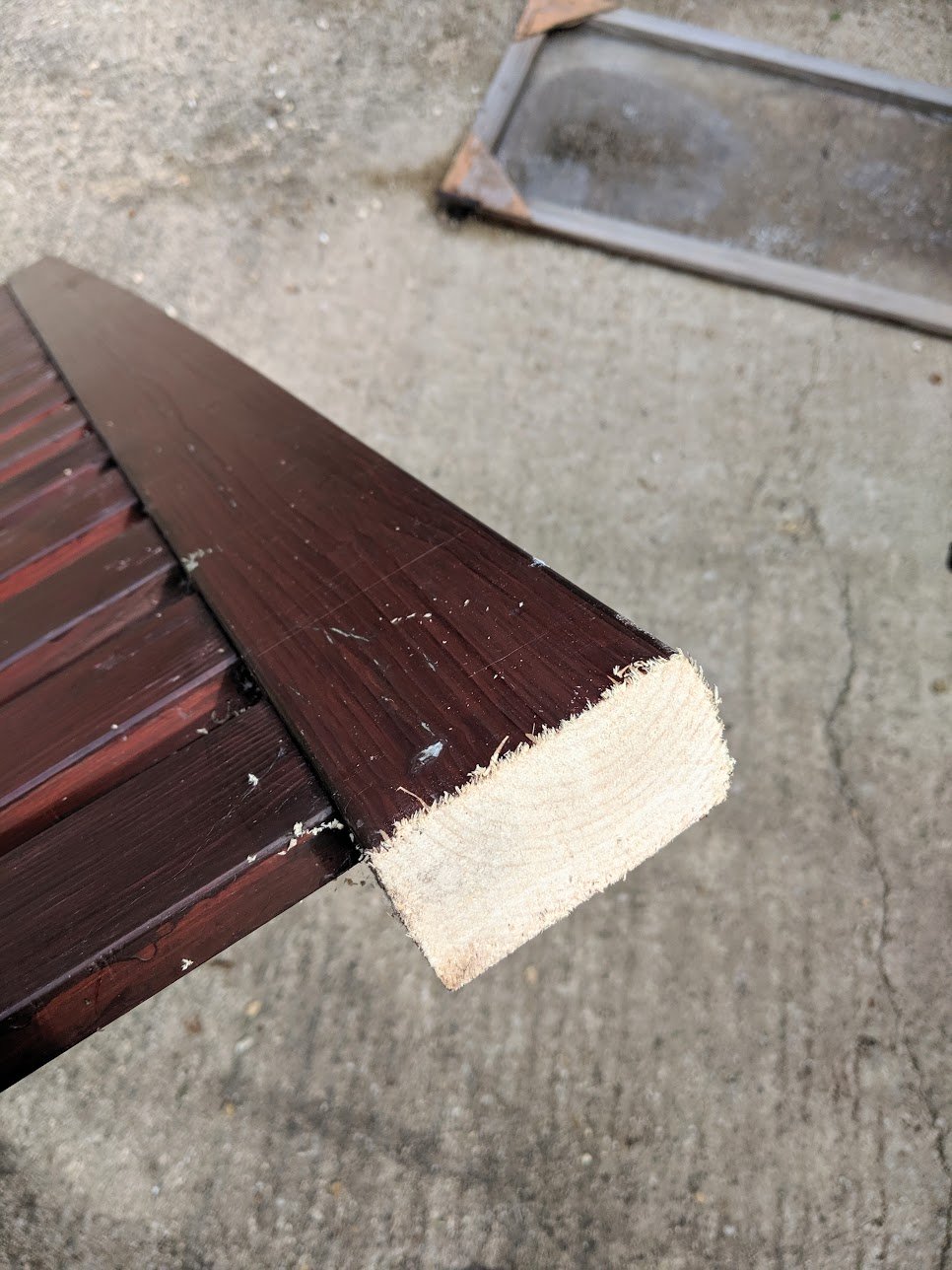
After ten years of living permanently outdoors and out in the open the wood inside remains like new with the finish unbroken and without water penetration. Here is a section I sawed through ready for disposal and the wood was spruce, which is not known as a durable wood at all.
In the Costa Coffee cafe this morning a man from the south here says, "Cor! Warmeneere, ennit? with no breaks between words and the two staff look at each other for an interpretation.
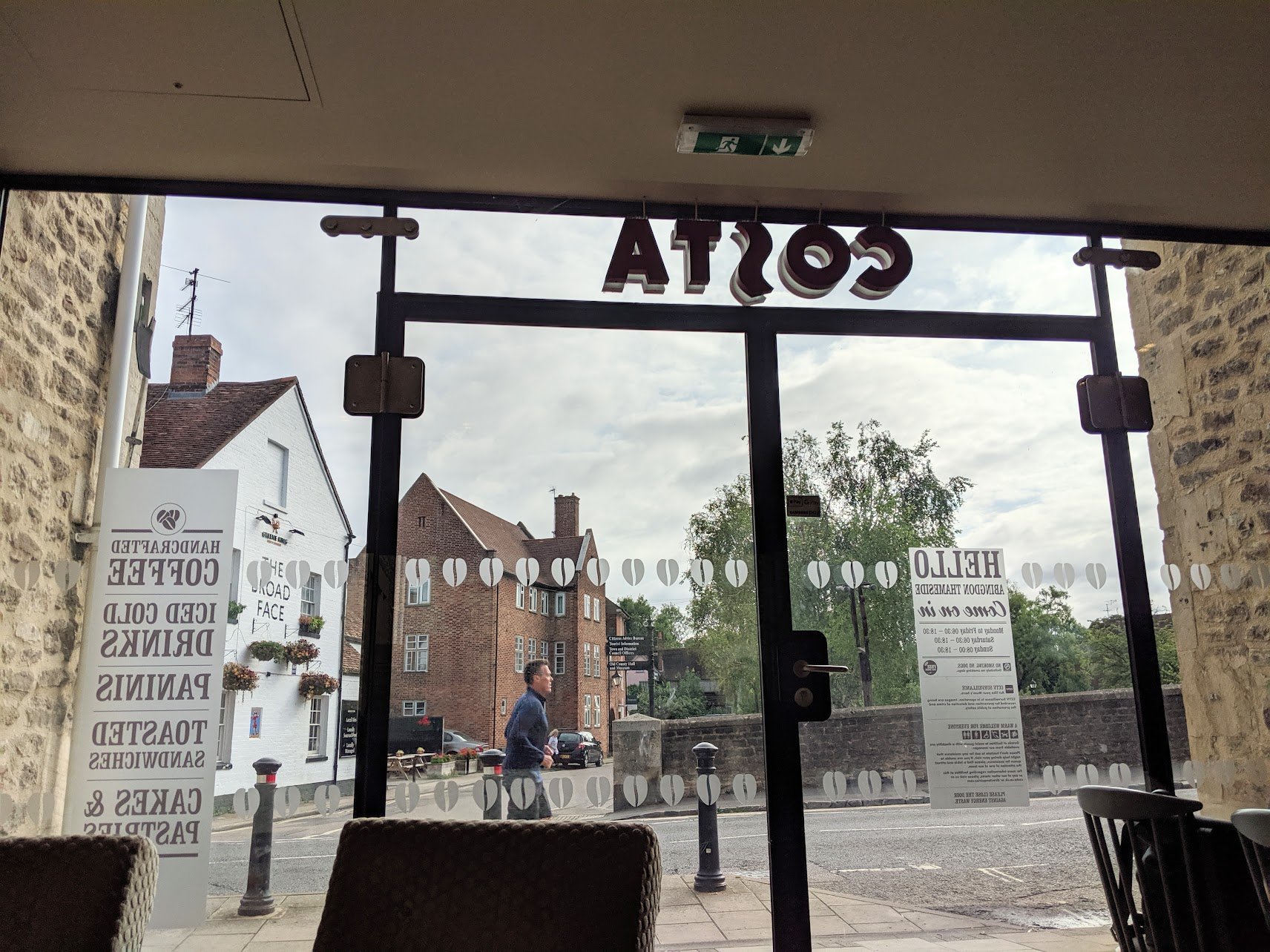
He looks at me as if to ask what's wrong with them and I say, It's not what you said but how." He stretches the vowels and consonants and it comes out, "Itswaaaarmeneeeeraaaiintit." I looked at the two staff, turned my hands palm up, looked up and said, "Hot!" "Ah! they said simultaneously and in clear and precise English. "Yes! It is warm today, isn't it?"
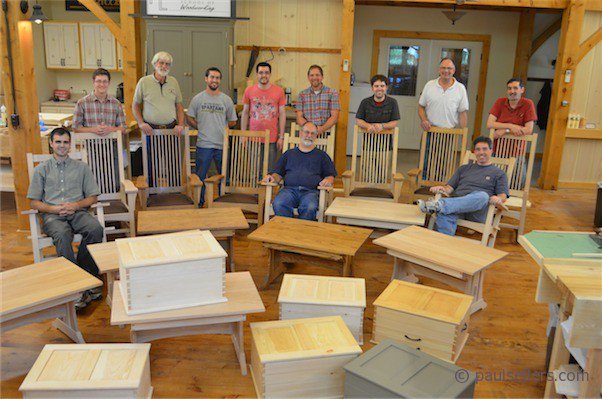
Last week I demonstrated my craft to some people and it made me think! I have been training staff to teach and aid others in woodworking. It made me think about how we hold our different points of view. When I used to demonstrate hand tools at woodworking shows, the organisers had me there because they needed to enhance their efforts. All in all I was a draw to the shows and then again I was also a change of wallpaper; "Something interesting for the punters." as they disparagingly put it. I didn't mind that point of view because I got to reach their audience with a new message about what I considered to be more real woodworking methods. Once or twice the message came to me, "Don't say you really don't need the machines that are sold here because look what you can achieve simply without them and in half the time." It didn't stop me though because their vendors were complaining proved that the message was getting through.
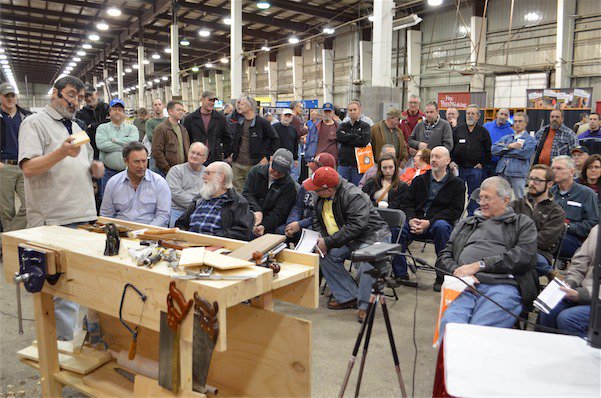
It made little difference to the vendors, they still sold their stuff, but it made a huge difference to the "punters" because they saw a dovetail emerge from five hand tools that they already had. These of course were the novice amateurs, the ones who loved real woodworking. The 'professionals' were the ones I found the most hard to reach because they already knew all they needed to make a living. In the case of my demonstrating to teach this week one of the friends there said that the spokeshave needed a lot of pressure to make it work. I had to consider this because it didn't take much effort for me at all. I realised that several things were happening at once. One, the hidden one, was her assumption that hand tool woodworking took muscle mass and strength and that she must press the tool hard to the wood. This alone increased the friction and that then led to the need for the much greater force she felt the tool needed to get it to work. The second thing was that she thought the tool sole was flat to the wood when in fact it was the leading edge digging into the wood that hindered the action.
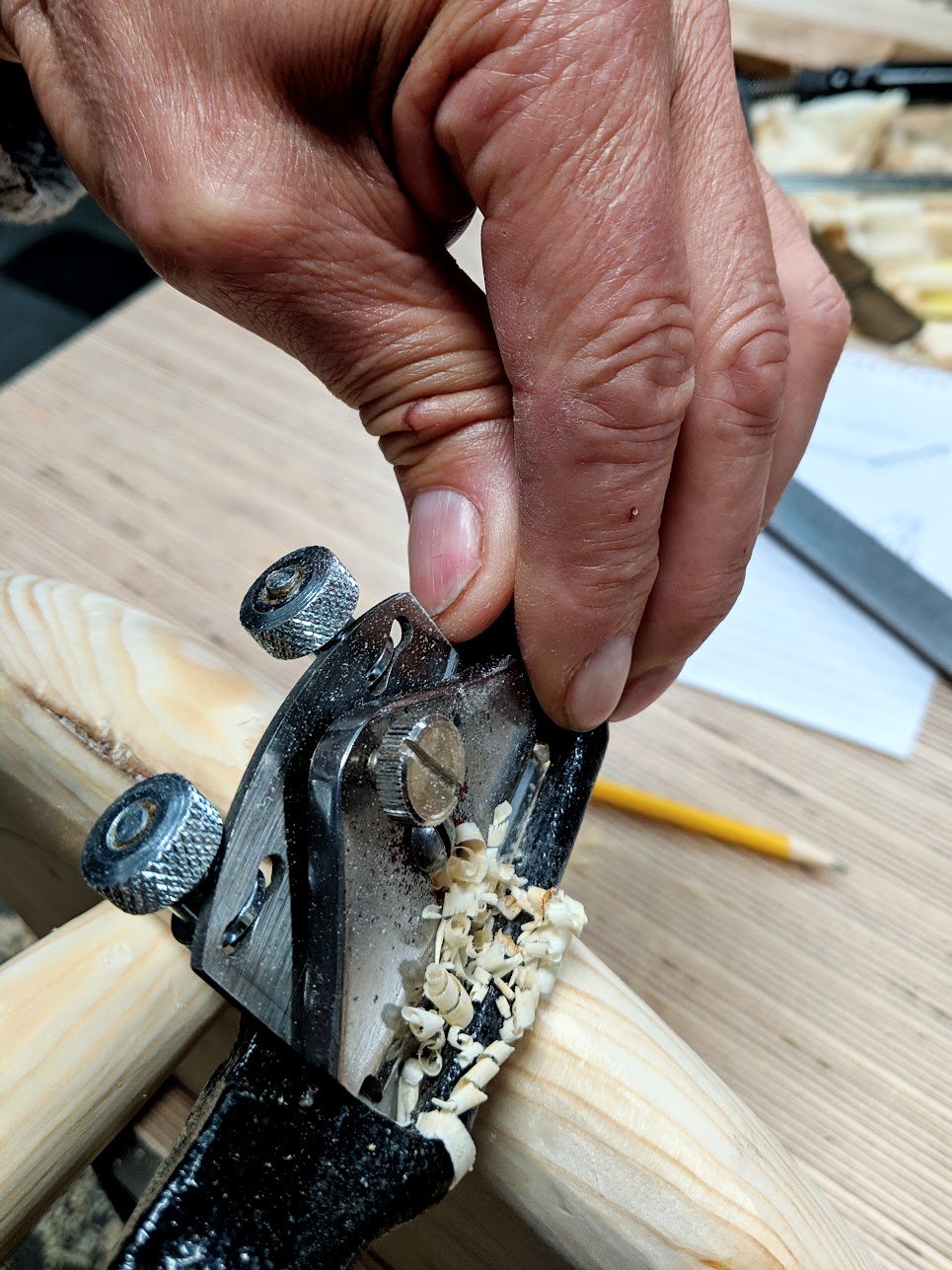
Going against the grain, incorrect presentation, poor holding and so on all led to a need for changing attitude and some more explanation. One thing I have found the most difficult to deal with always is preconceived ideas. Taking each one of these and explaining that it was not at all the tool that was wrong dismantled all opposition. when I said, "Relax, use much less force, think more, now try." The tool slid across the wood and the shavings curled away with each successive stroke. In the same group a man deferred to the others and said, 'No, I have used one of those before." I am sure that was true. But what was most likely not seen was that the bit was just newly sharpened. I have yet to pick up another's brace bit and find it sharp. If only he had tried it, I am sure it might have reformed his opinion.

I say all of this because being a lifelong woodworker using both the so-called power equipment and then hand tools has left me with my own quite strong opinions. Each time I approach those who think they know, I see into their eyes and find a brick wall of unbelief or, worse, cynicism. Unbelief and cynicism are the two great enemies of learning and understanding.
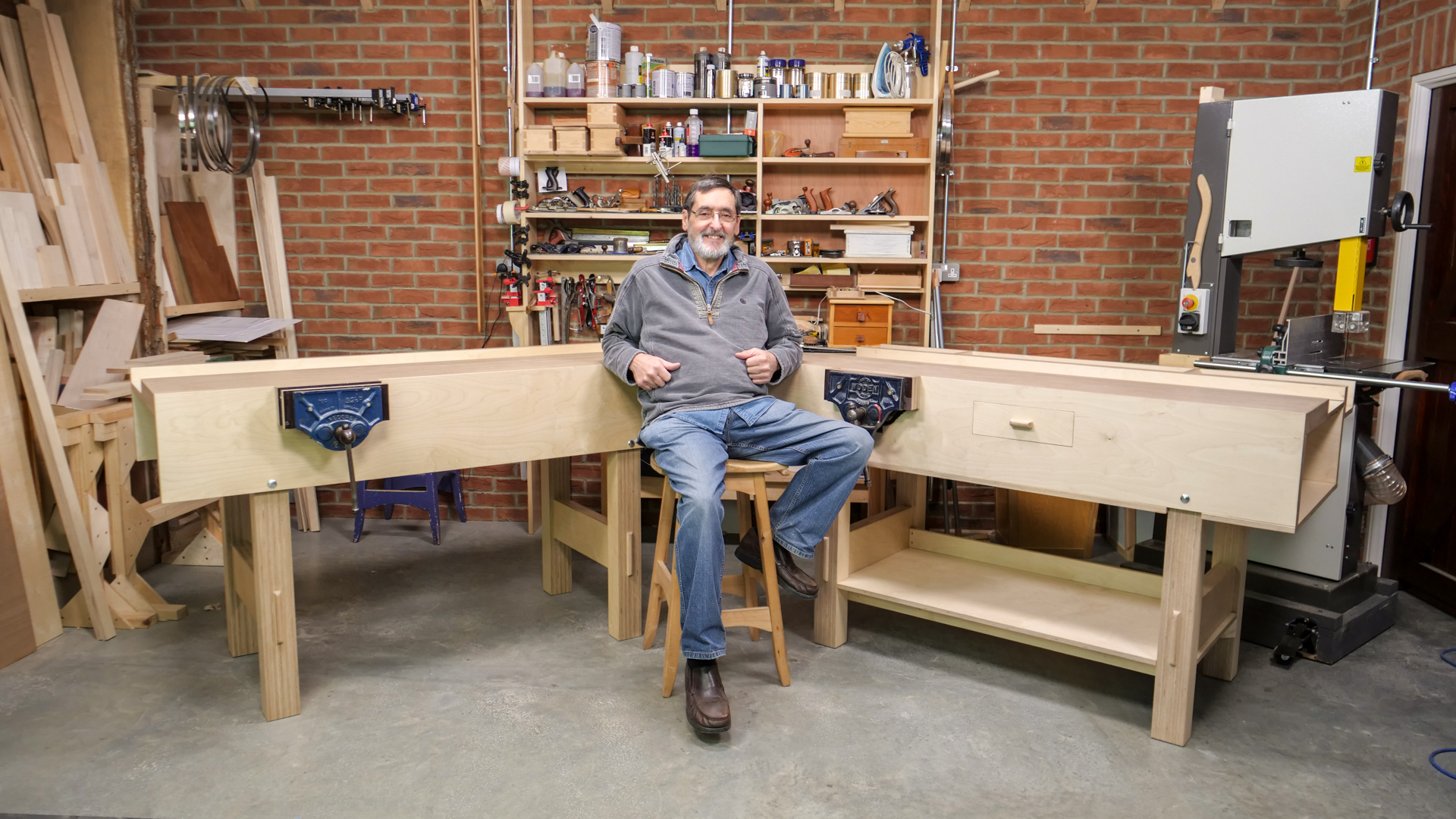
I have been working from my plywood workbench for two months now and to me it is flawless. There is no discernible movement in the wood via shrinkage and expansion and it is rock solid. I had to make considerable adjustments to my own attitude to even consider using plywood as an alternative option, after all, it's the product designed for mass making as well as stability. But the greater obstacle was how would people feel about me using plywood instead of some premium hard maple, ash or such. And then the zebra striping. Once I realised that we must all progress what we believe in and do it and live responsibly the barriers were gone.
Comments ()