
What Texas Did!
I know a man who owns five houses. He thinks he worked hard and as result of that hard work he is now rich. Truth is he just worked a steady and regular forty hour week, never risked anything ever and was fortunate to be born in the right era for prospering, the late 1940s. He took his allocated five weeks holiday plus bank holidays days each year until he retired. The period on into the 1970s and 80s had nothing to do with hard work. Baby boomers were mostly handed life on a plate. There was no shortage of work for those who wanted it, you bought a four-bedroomed house one year for £3,500 and sold it three years late for six times what you paid for it, bought another and it tripled in price over four years. With one house already paid for you borrowed for a second then a third, a fourth and a fifth. So it was when there was a shortage of homes and a wealth following a second world war - the birth of the so-called successful self-made man was little more than just being fortunately placed. Such was it in my UK life in and around the 60's and 70's. Of course it was not the same for everyone, but for many that was how it was indeed how it was.
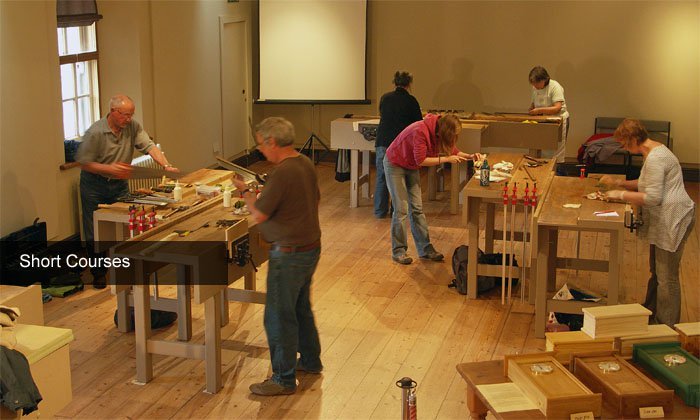
There was of course the classic British class system. This was based on a wide range of things: where you were born, wealth or lack of it, where you lived, which school you went to, what you did, who you knew and much more beyond. Inverted snobbery caused people to exalt themselves for no good reason and in my case, raised in social housing, a youngster who became evermore class conscious as life unfolded in a ridiculous class system. On my part I did know to work diligently and work hard. I hear the more smart-alecky contributions from those like the industrial engineer who coined the term "work smarter not harder" back in the 1930's. But for some the work was always high demand and often lowly pay for the majority. The intent of course, as an industry leader/advisor, was to increase production levels through the same number of available people using less effort. His gain was hard workers at the lowest cost which of course led to higher personal gain for the individual company owner. Nothing wrong with that except, well, it's on the backs of minions you ultimately own.
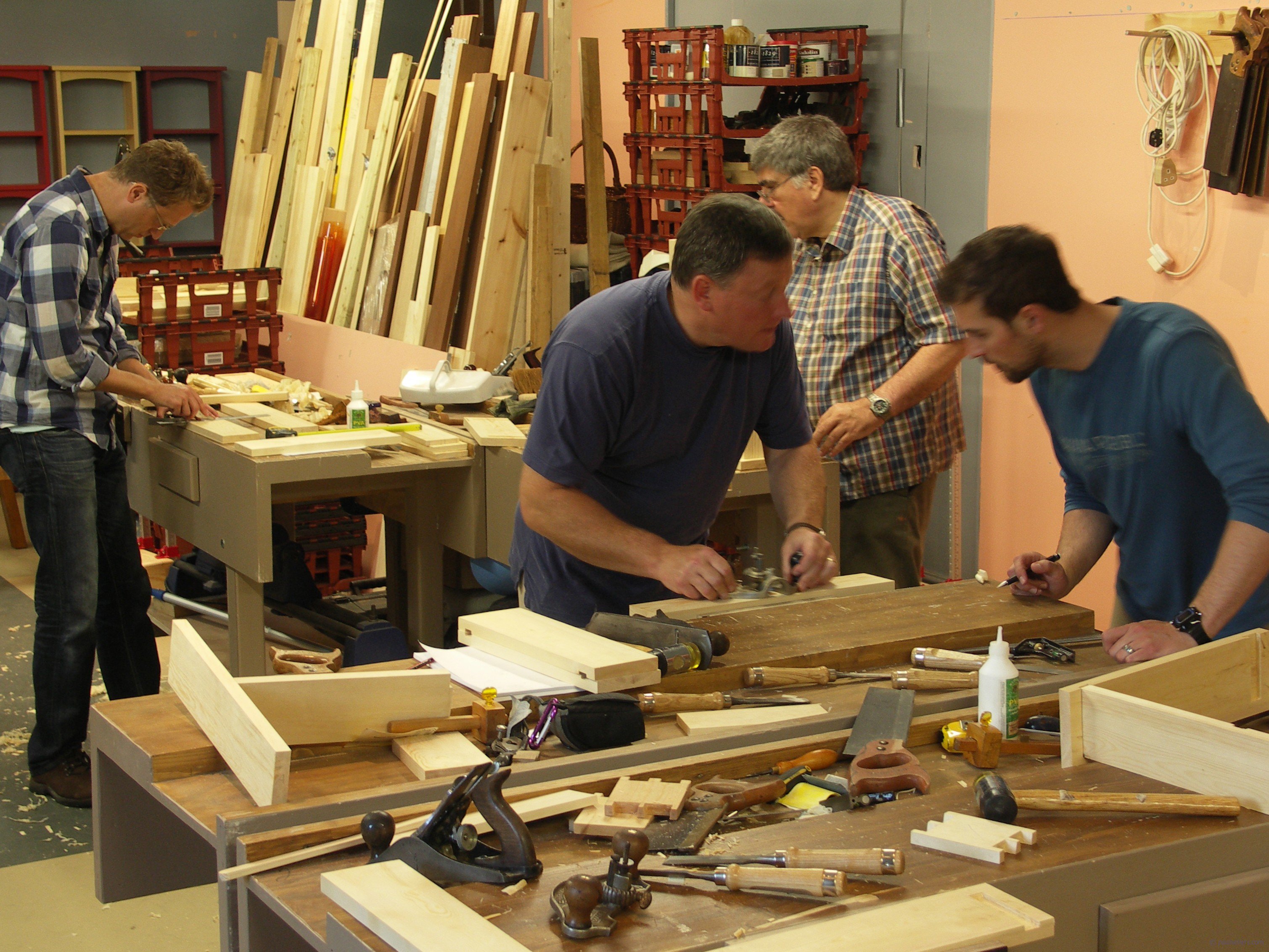
The issue for me was working 60 to 80 hours a week to buy my first house. I of course worked smart as did most everyone I ever knew. The danger I learned as a boy in my apprenticeship was being placed with someone who always felt sorry for themselves. Inevitably this led to a self pitying dynamic that was always counterproductive and indeed dare I say spiritually demanding in the most negative way. I was glad for George who mentored me through my formative years to emerge as a craftsman with positive attitude. Even so, the negative effects of working through the stupidity of a British class system can be a battle. When you are young you don't altogether know it exists until it affects you adversely. There were of course the have's and the have-nots.
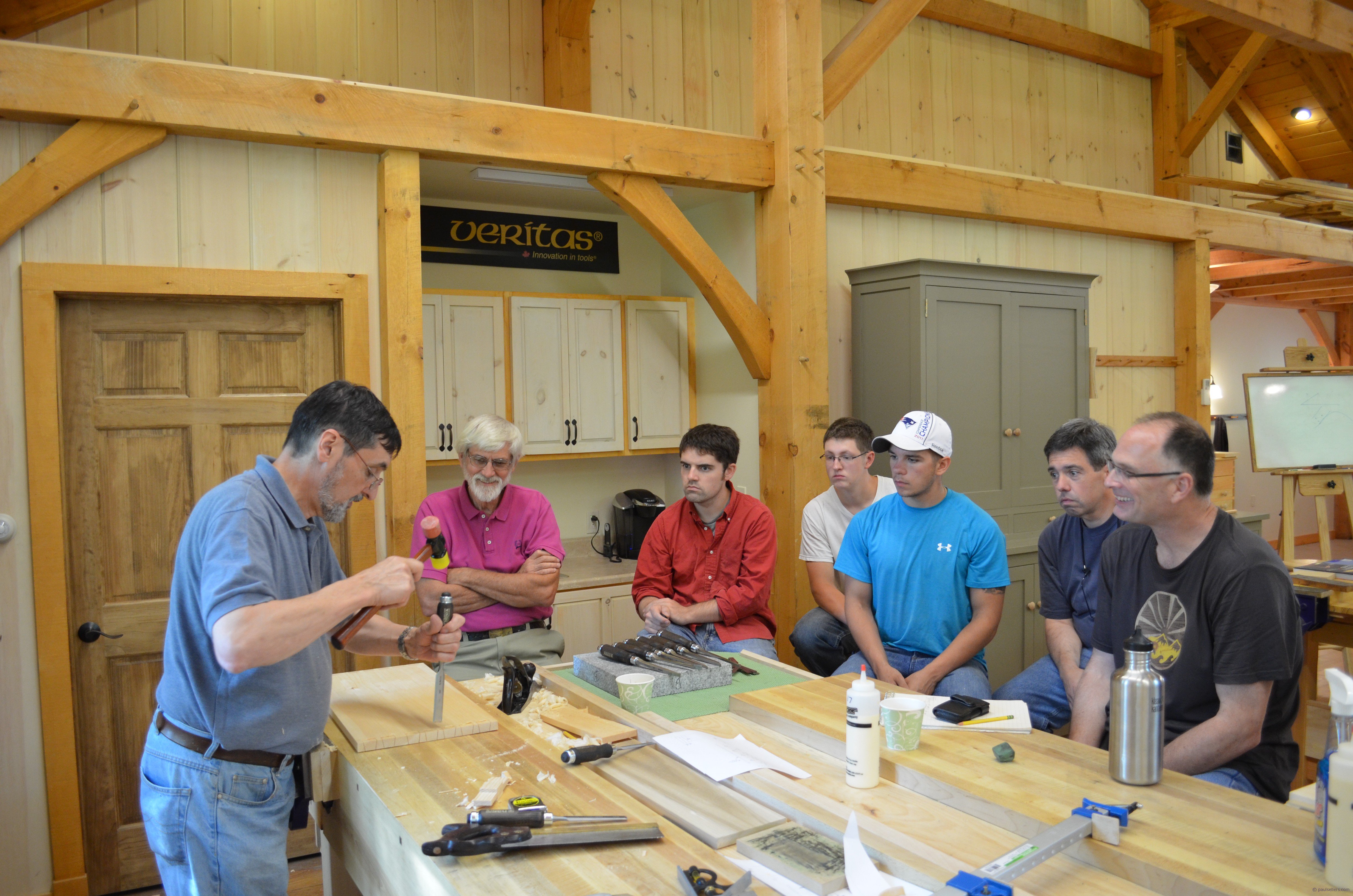
If you were a manual worker there seemed to be social barriers that interrupted you periodically and there still are various barriers and of course I acknowledge that we can even be our own worst enemy in this. What seems ever strange to me is the way people think higher education is the answer to equality and the equalisation leading to acceptance. The way we speak, eat, act, work, our body language, what we wear, decorate ourselves with, what we drive, where we live and all these things put their stamp on whether or to what level we ultimately feel accepted. I experienced rejection at different points in my life as I developed my knowledge and skills. It was viscerally discernible and not unreal at all. I have written of this before but one of the most powerful tools used throughout education and industry is the power to accept or reject and then too the fear of not being accepted or being rejected. It seems that peer pressure still permeates educational institutions and then translates on through the industries we end up working in. I think perhaps it is more important to work with diligence and integrity. Scrooge McDuck told his three nephews, Hewey, Dewey, and Louis, “Work smarter than the smarties and tougher than the toughies.”
What Texas really meant to me
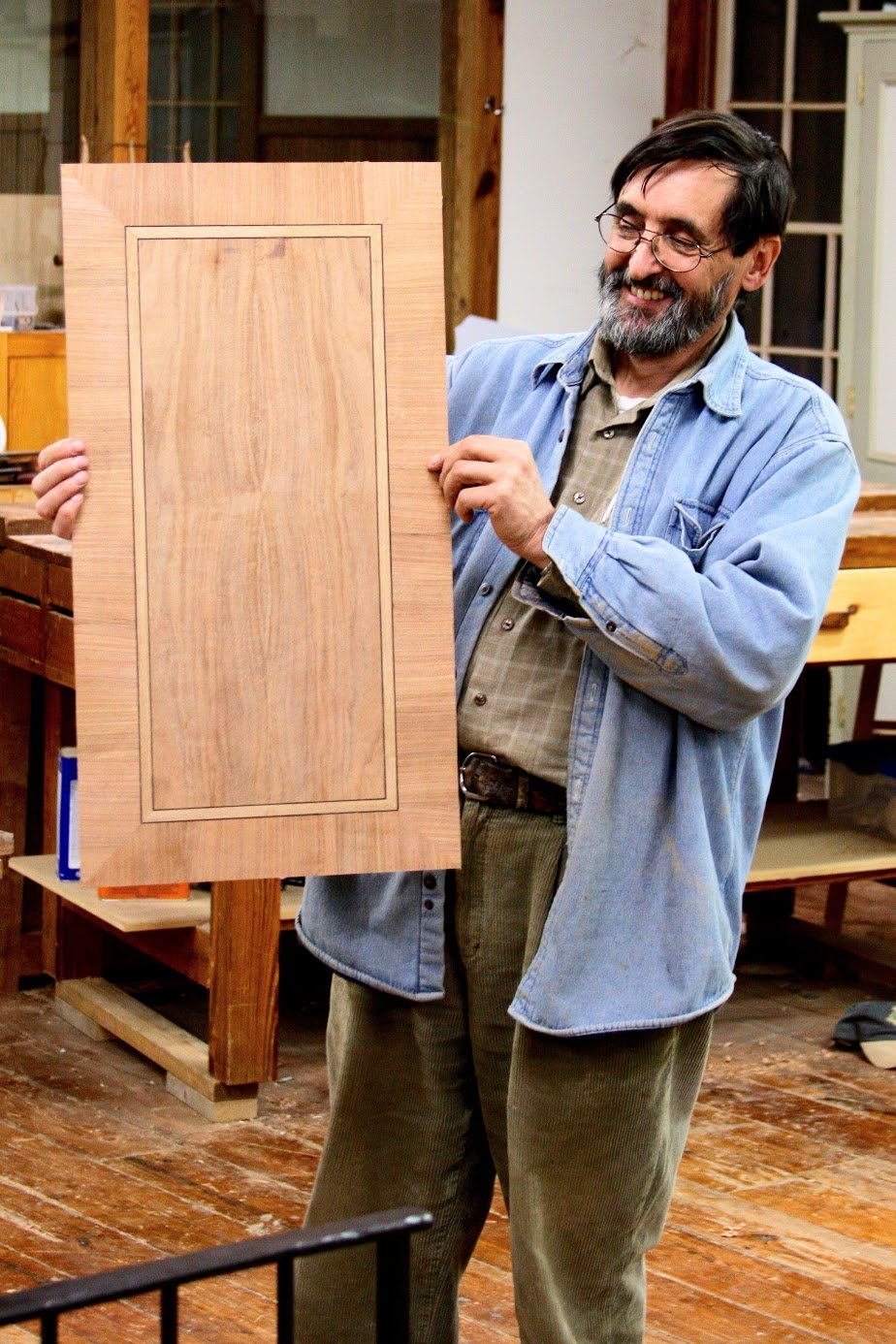
My moving to Texas in 1986 impacted me more than anything beyond my being mentored through my apprenticeship with George. Whereas George instilled in me a good work ethic, building on that already instilled in me by my father, I still had to fight the residue self doubts wrought in my life as a former council house (social housing) tenant. Self deprecation can be from genuine humility but it can also be inverted to a point where you feel a sense of inadequacy when in reality you are more than able and thereby at the very least adequate. Instead of always trying to prove your self you relax into being yourself wholly. In Texas, over the opening months of my new life there, I found people seemed to come into my workshop and see me differently than they had ever seen me in my British culture. It was the first time I ever felt accepted. I realise now that influences from my childhood had affected me. School had always rejected me but there in the mix was a metal work teacher who saw something in me and invested in me. So too my woodwork teacher who, to a lesser degree, watched and saw something he could affirm me in. These two men did more than any of the other teachers who used the cane when I couldn't learn like the other kids seemed aptly able to do. I say couldn't because I could not learn in the same way and they offered no alternative in those days. I doubt that any headmaster or school superintendent would tell the parents of a child in front of the child that he could never be educated because he was ineducable these days.
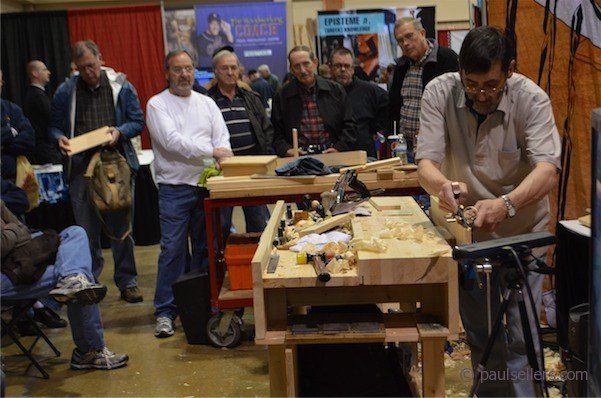
In Texas I could stand behind my bench working ordinary stuff and people would stand and watch me for an hour without speaking. I'd make a dovetail, press the parts together and they'd quietly enjoy watching. That never happened in the UK. I don't know why accept to say I think it was to show those from one level class couldn't ever admire someone who who was from an inappropriate class. That seemed not to exist in Texas. Living and working there I always felt totally accepted. There I was for the first time in a classless society. Associations, guilds and such, where men got together over woodworking, comprised millionaires in a beat up 20 year old truck alongside Houston businessmen and fork-lift operators. It seemed, to me at least, that there was no disparity. Being accepted warts and all seemed very much a part of the social economy. I loved it. I loved it because it set me free from assumptions. I fit.

Of course perhaps a danger to overcoming self effacement is the certainty of confidence, the other extreme of what I speak of. Experience has shown me how we can suffer from self effacement on the one hand, where we ultimately withdraw into ourselves too much in lost confidence being with others, and an assumption that everyone likes us because we are altogether so likeable and a good being in your own right and of course in your own eyes. Where one stops and the other begins is often blurred because of course pride comes before a fall. It's an important saying in my view, "Before honour, humility."
Comments ()