
I Need Answers
I recently glued up a plywood workbench using a Titebond PVA and left the glue to dry in the bottom of the tray as this seems to me the best way to remove the glue in a single piece once you have drained off the excess back into the jug.
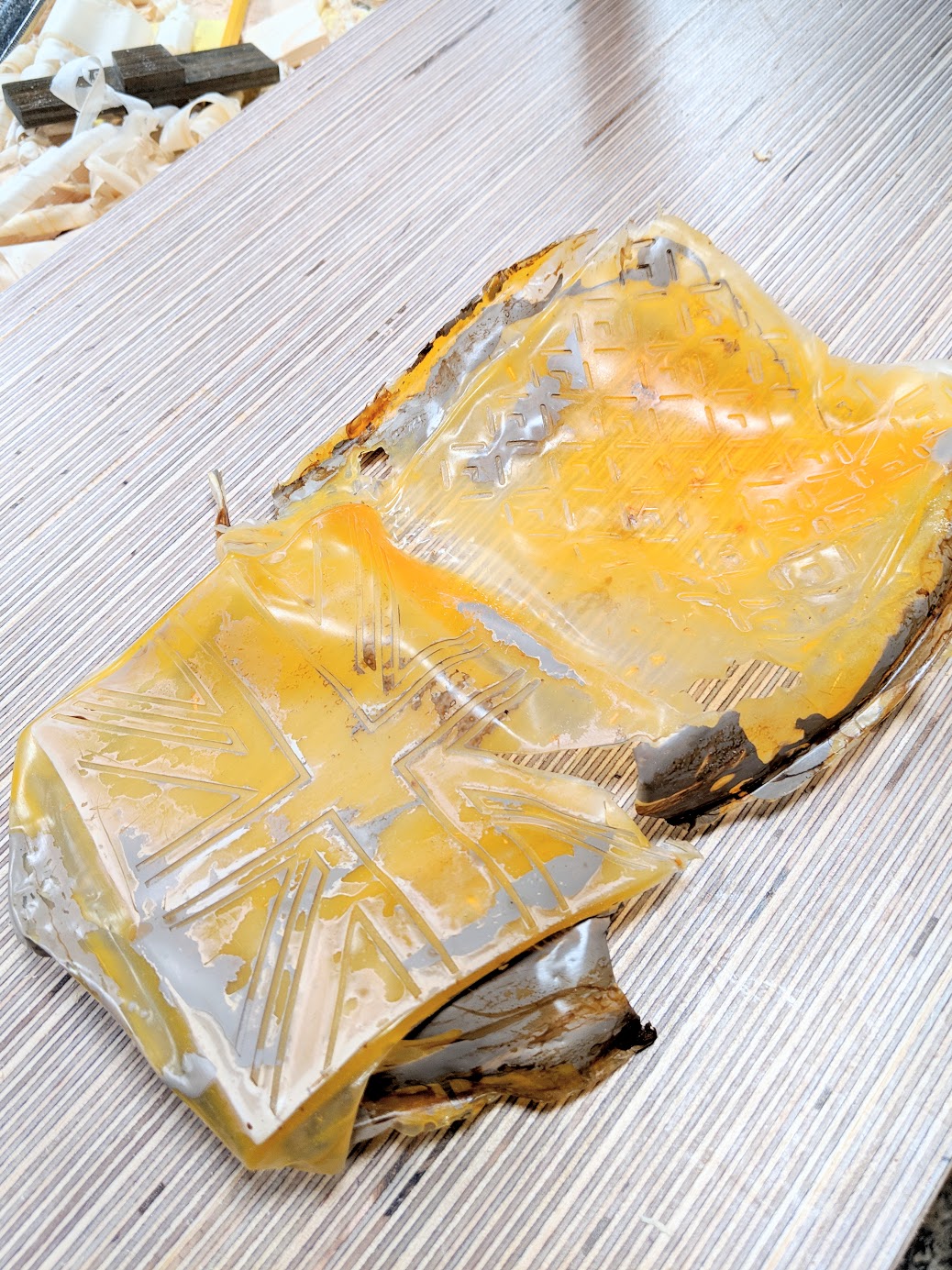
Lifting of the skin from the roller tray I became concerned that PVA, polyvinyl acetate, looked like plastic. I wasn't too concerned about the mouldI made in removing the residue in its then dried out state so much as the tendency to wash the residue from the tray when still fluid. Was I washing plastic into the water systems, streams, river and oceans of the world's waster supplies?
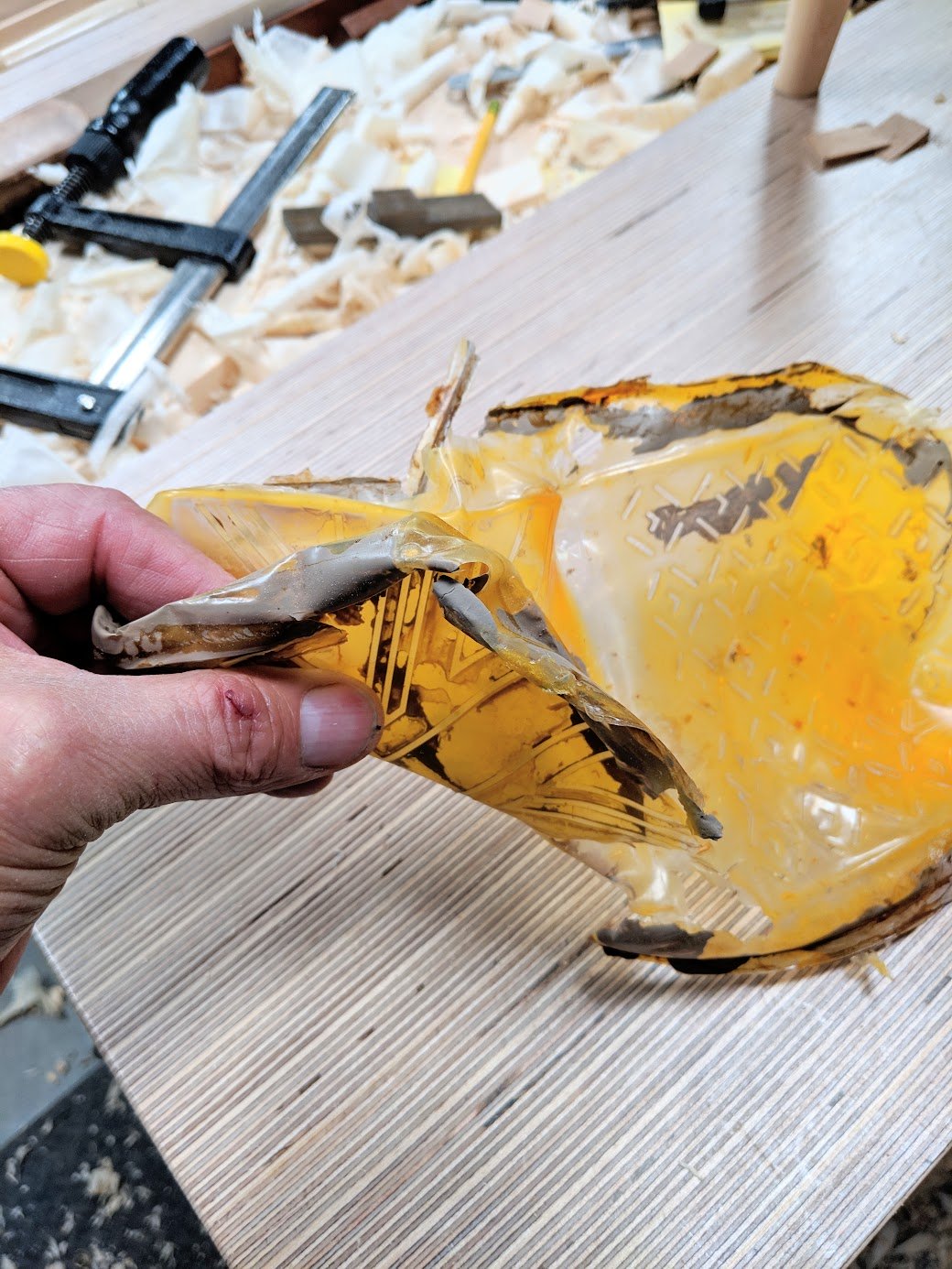
Moving on from this I recently used a water-based concrete adhesive, again PVA, and concrete sealer, both water-based. The question ping-ponged in my brain repeatedly.
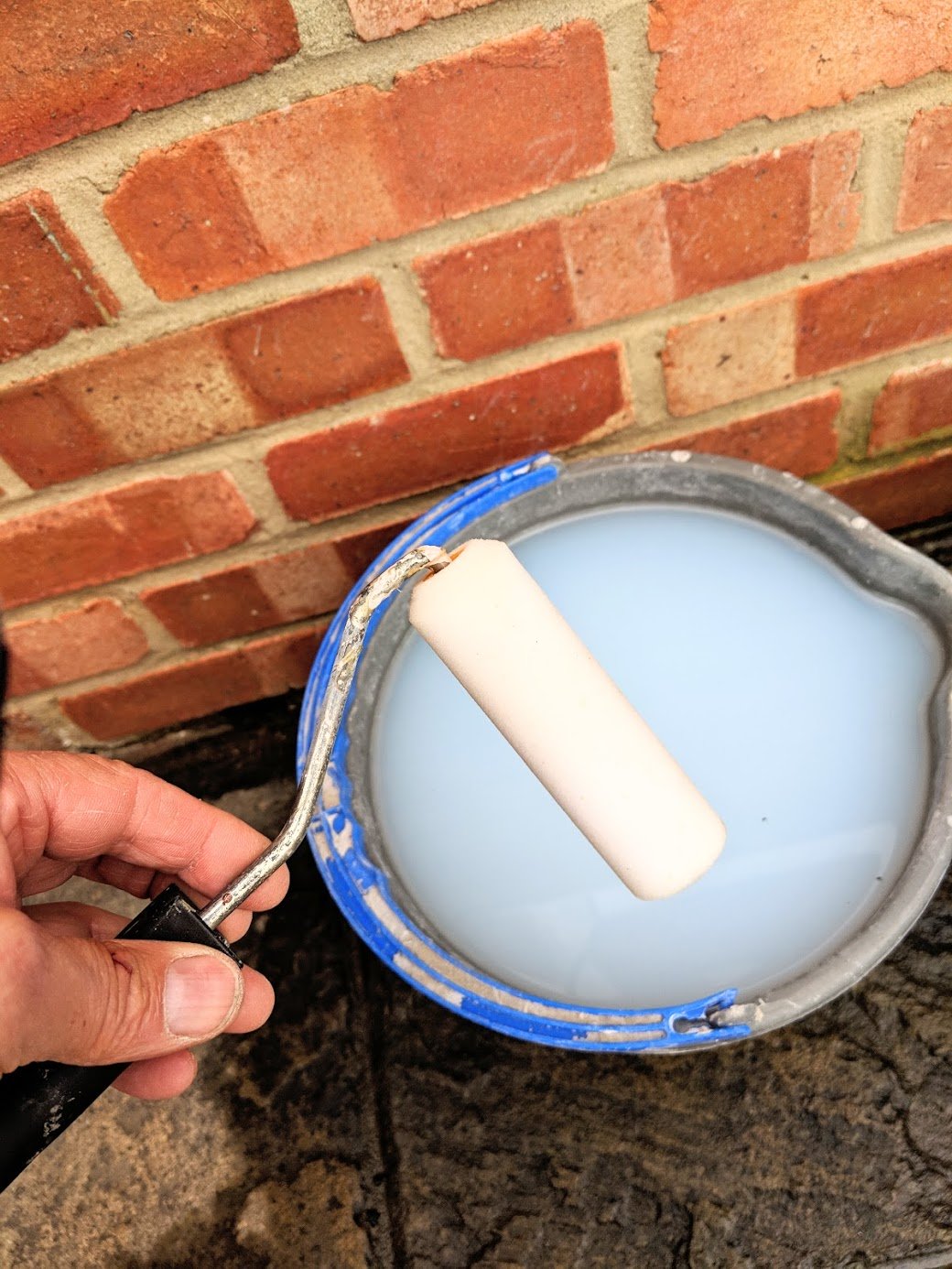
From there I went to finish a shelf unit and used a water-borne wood varnish and again I left the residue to dry because it peeled off the tray I was using cleanly, often in a single moulded sheet. I also washed out my brush and roller in a bucket of water and left the water to stand to see just what would happen. Would the residue settle to the bottom? I didn't know. After two days left undisturbed it seems that the milky reside still permeated the water and nothing settled to the bottom. The dilemma? If this is a form of plastic, can I responsibly poor it into the water system. Bear in mind that I did roll out as much excess of the material as I could, so this was not a well charged amount but the minutest of portions despite how it looks in the picture. j
Comments ()