
Just Some Random Thoughts
Making your first tools
A few years ago, almost two decades ago now, I offered a course in the USA where we made ten hand tools over a six-day period. We made a low-angle, bevel-up plane in hardwood, then a lovely layout knife with ebony scales, brass-riveted through an O1 steel blade duly hardened and tempered. We made sets of marking gauges too; here we used a single stock with interchangeable stems. Of course my dovetail template was in the mix, a hard maple mallet and so it went. These courses were always full each time I offered them; sixteen students fashioning what they would eventually be using day to day in their woodworking. It was fun.
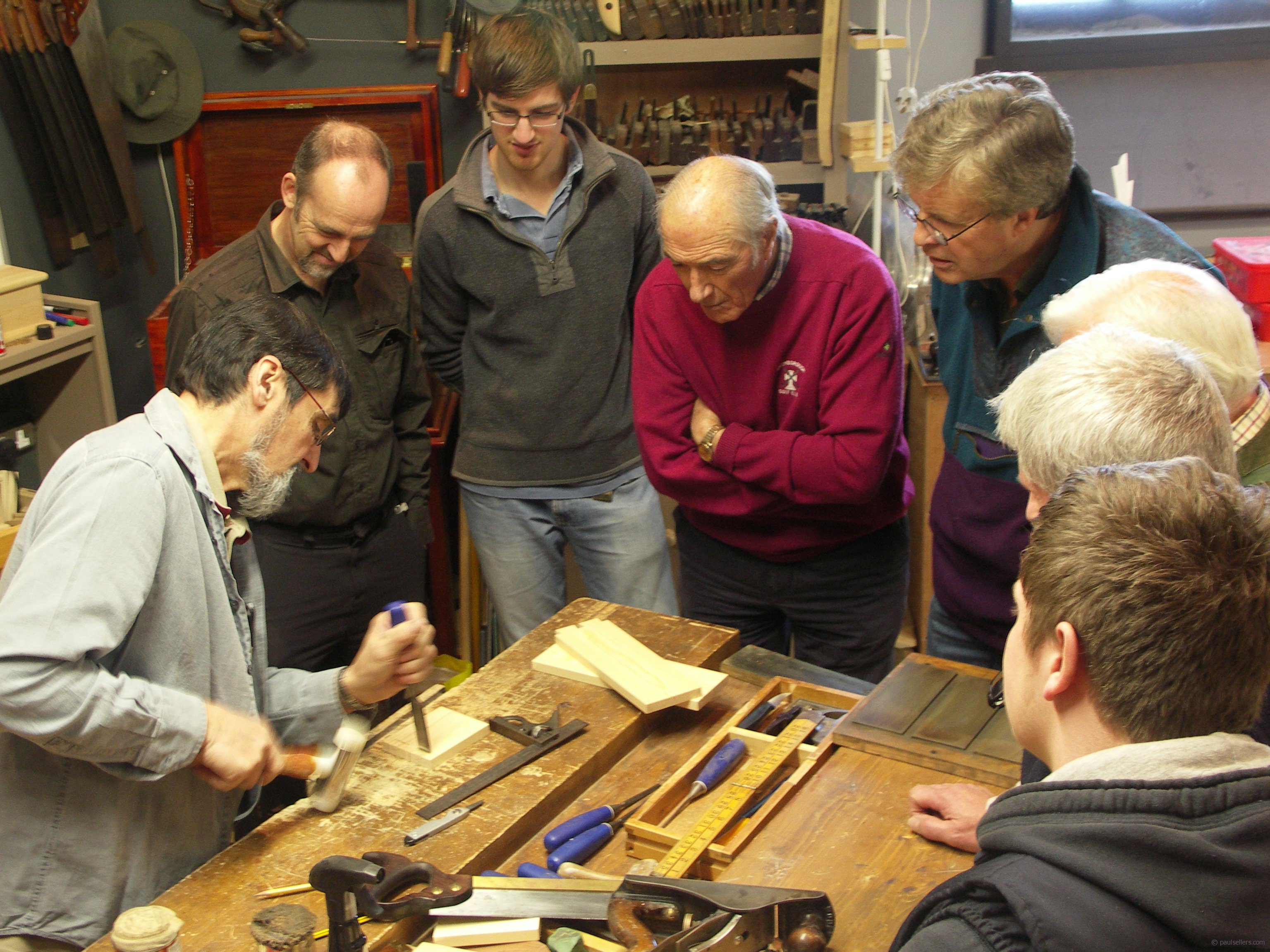
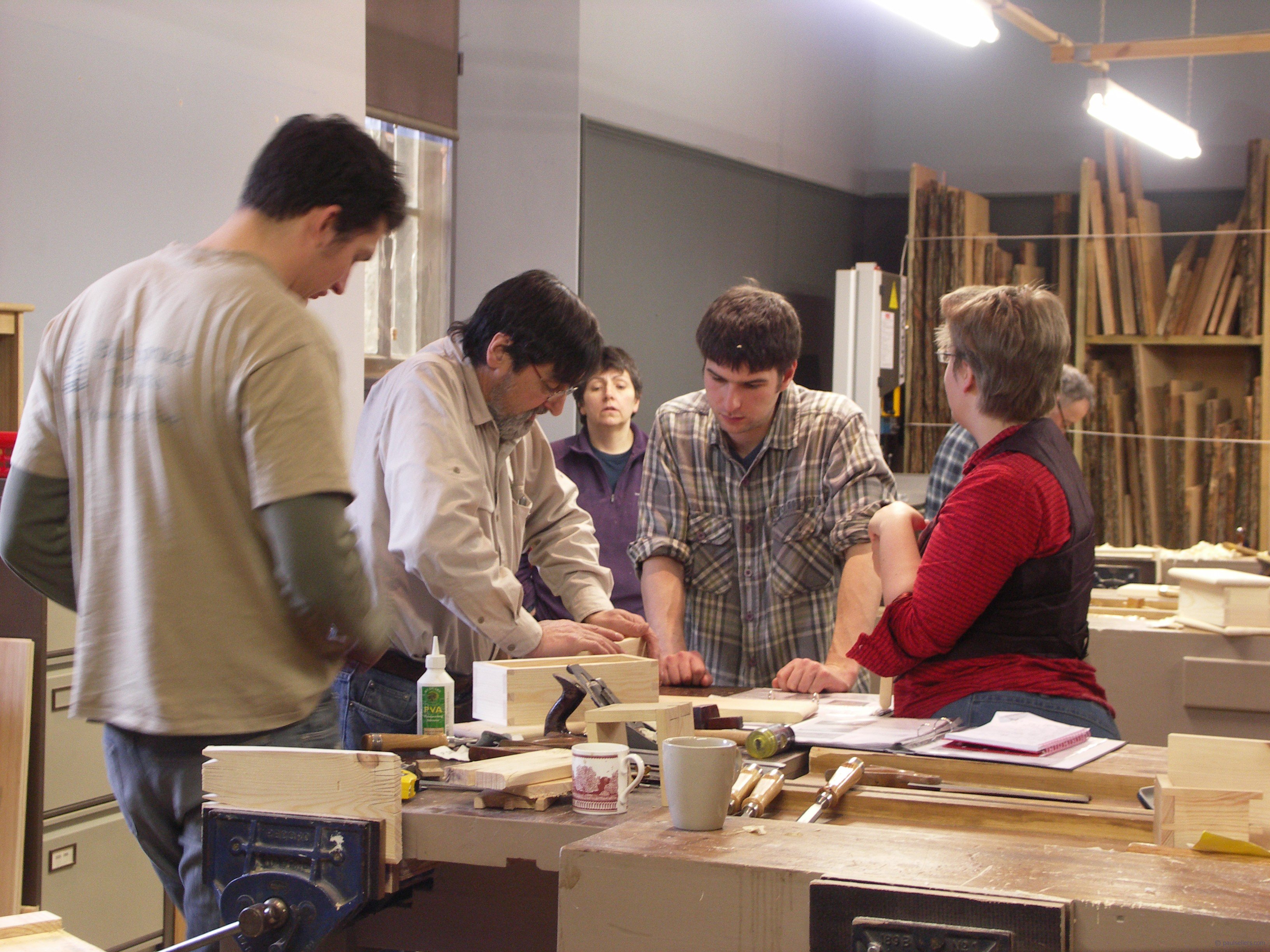
Looking back now, it's hard to imagine that I was personally teaching face to face people I had usually never met before who flew in from different parts of the USA and then too other continents. But what's harder still is to imagine that I actually stopped counting the ones I trained when I reached 6,500. Today we reach and teach hundreds of thousands of people every month. Now I don't deny that face to face is absolutely the best way, it's also true that the majority of people who wanted to learn that way would never be able to do so. Geographically, financially, time wise they could not do such a thing. That all changed when we started teaching and training online. The curriculum I taught one on one was also the curriculum I began teaching through woodworkingmasterclasses.com and more recently our commonwoodworking.com too. Everything I ever taught is available online. There is also my blog and of course YouTube.
Each man was different
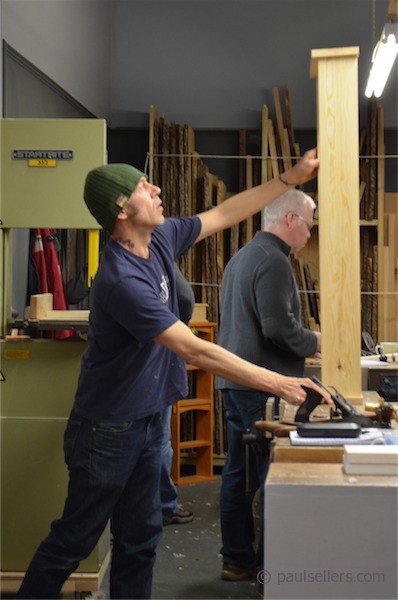
Whereas some men on my courses just hammered at it, wanting to be first, forging well ahead of the others, others were meticulously detailed, taking time to expedite every cut as though doing surgery. Needless to say some forfeited quality and made humongous mistakes in their enthusiasm, but it was the slower ones that seemed to me to get the most from their course I think, and they usually caught up by making fewer errors and more exact cuts. As I said, it was a fun course and everyone loved it. That course made me aware of a certain lack during that era. Remember YouTube had yet to be born; it was an era that prefaced so-called social media, but it was also a catalyst era in the start of the new millennia when more and more people were exhausted by the impact the computer age was having on their lives. They were starting their futures in an era that involved less and less in the actual making of things; anything. College courses and training was being all the more dumbed down because the computers were taking on more of the operative involvement. Humans were employed to monitor rather than make and even the art of on the shop floor programming was being usurped by the early stages prefacing our present age of artificial intelligence. Hand work as I knew it seemed to have dropped off the edge of the world as the internet became all the more intriguing. Gaming came with the very first computers back in the early 80s when they were still trying to work out how to involve them in the daily lives of people and make money from it. It was indeed a new age. Imagine!
The growing need
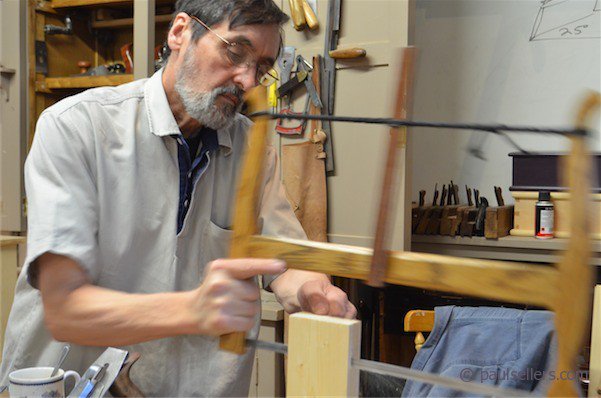
My teaching woodworking courses began by teaching one day-a-week classes on my non-furniture making Saturdays. My six-day course back then meant six Saturdays in a row, but they gathered rapid momentum and I knew we would need to go full time, full weeks week on week to satisfy the demand. Today that's all changed. I started to wrote curriculum for hand tool woodworking because what was available was somewhat outdated. I'm still teaching and writing of course, you can see that, but somehow what I do now has gained much greater momentum. Whereas someone recently accused me of neglecting my writing about hand tool woodworking and then making pieces for woodworking masterclasses, that's never been true at all. The filming enables me to plan the inclusion of all woodworkers into my daily world of making while I actually get to continue making my designs. Actually, there are still not enough hours in a day so I will be looking for an assistant with similar experience to my own in the near future, to help me gain more ground.
The successes leads to more success
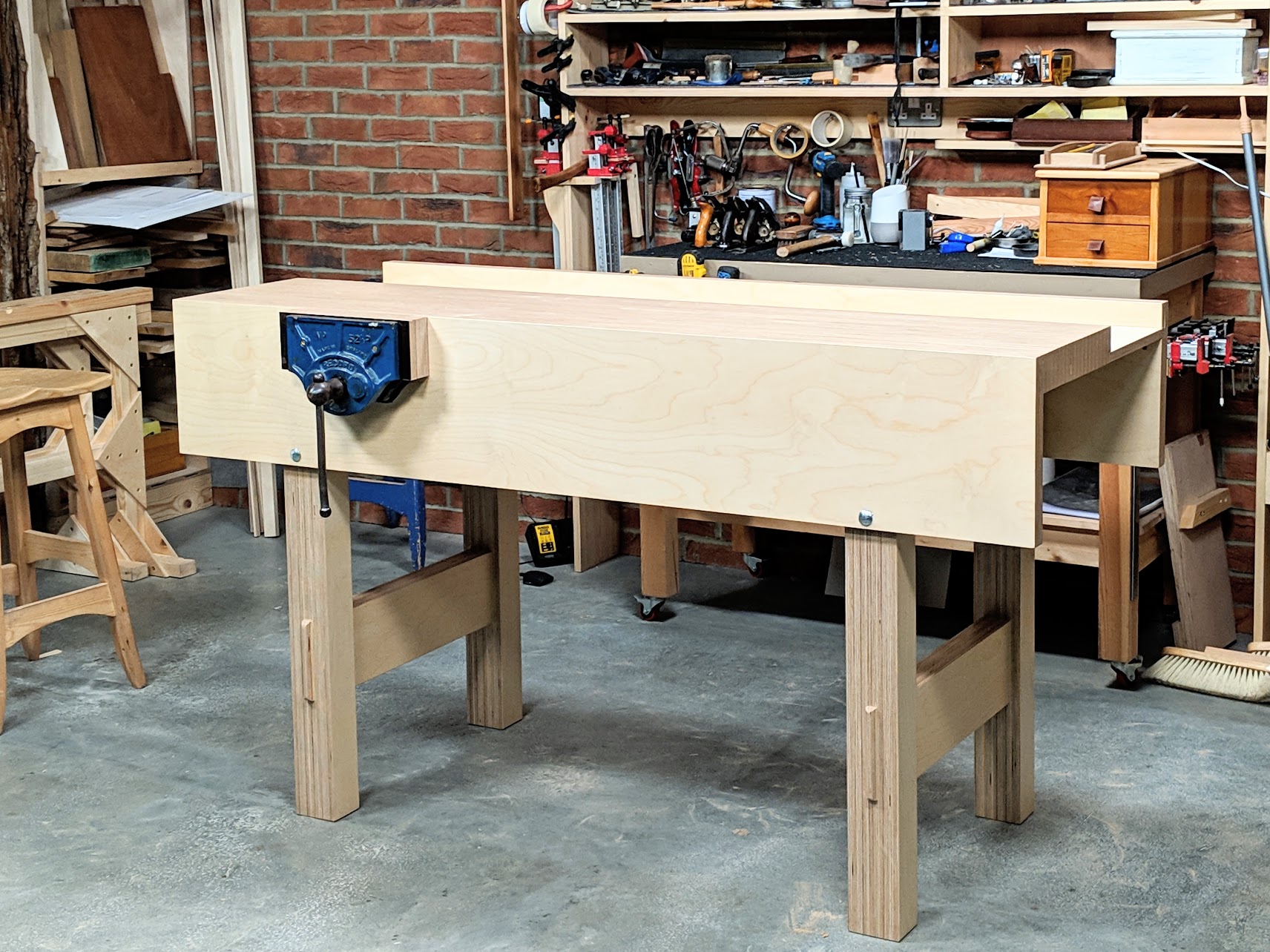
The workbench made from plywood has been a great success but in the background the Q&A on the coping saw prefaces more Q&As on the other essential hand tools we use to help woodworkers to understand the nuances surrounding the day to day tools we rely on. I'm hoping I can improve the way I handle this because it needs to be as inclusive as possible so that we can all grow together. You see the success for me is the conservation of skills. By that I can see how my craft will be less of a society or museum type entity but lived out craftsmanship in the lives of men, women and children everywhere and on every continent. This will be my measure for the success we make. In fact, I know I have gained increasing levels of success by the simple fact that I no longer get invitations to be at woodworking shows where the predominant effort surrounds the promotion of machine sales.
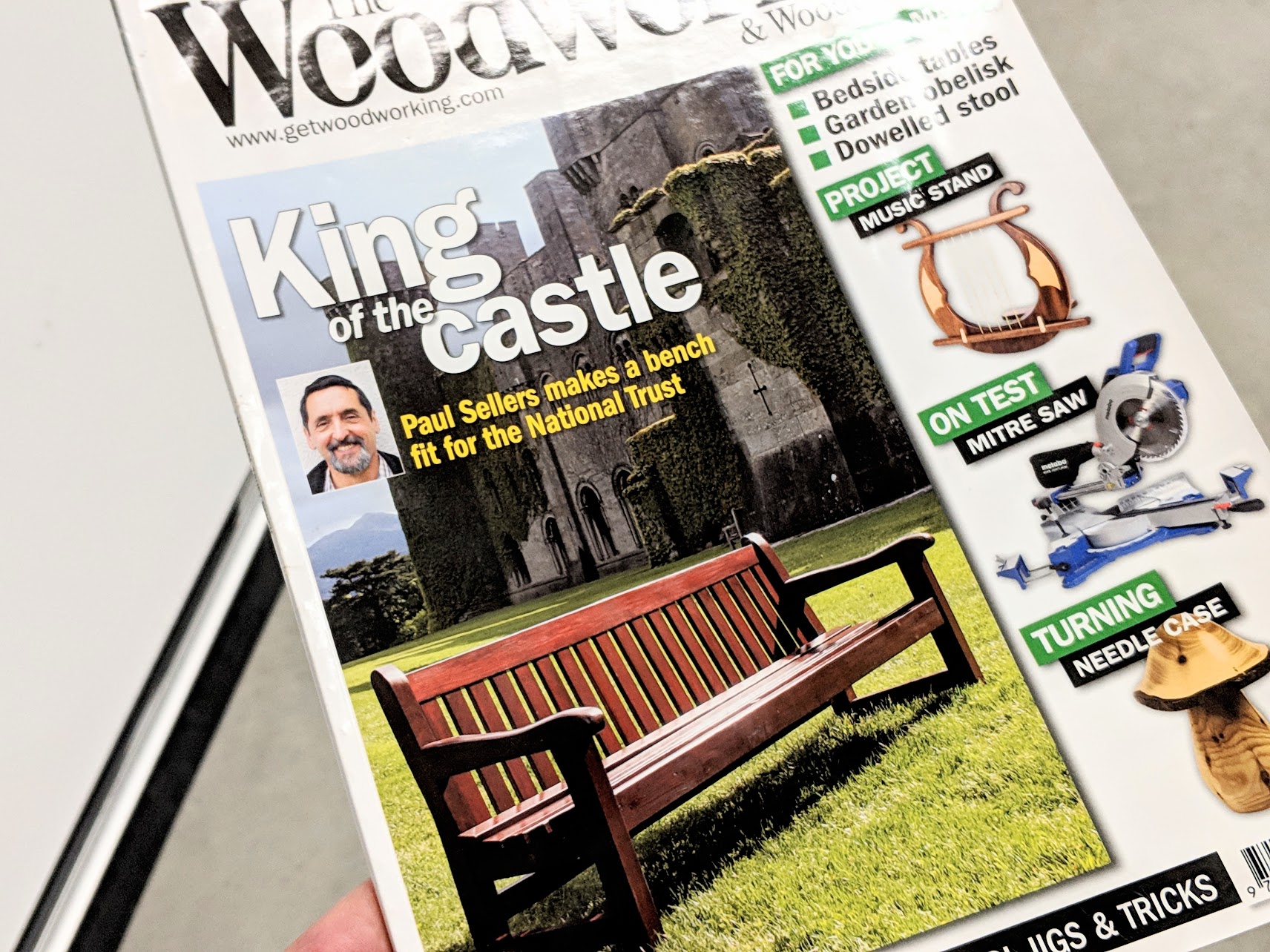
The machine salesmen started complaining that I was telling customers that you didn't really need this machine or that router. Magazine articles too tried to encourage me to use a router and jig here and there in my articles but I just couldn't oblige them. Whereas I was never turned down, I did stop doing such things when I recognised that I was just new wallpaper to give credibility to such entities that had little to do with skilled work and craft.
Comments ()