
My Plywood Workbench
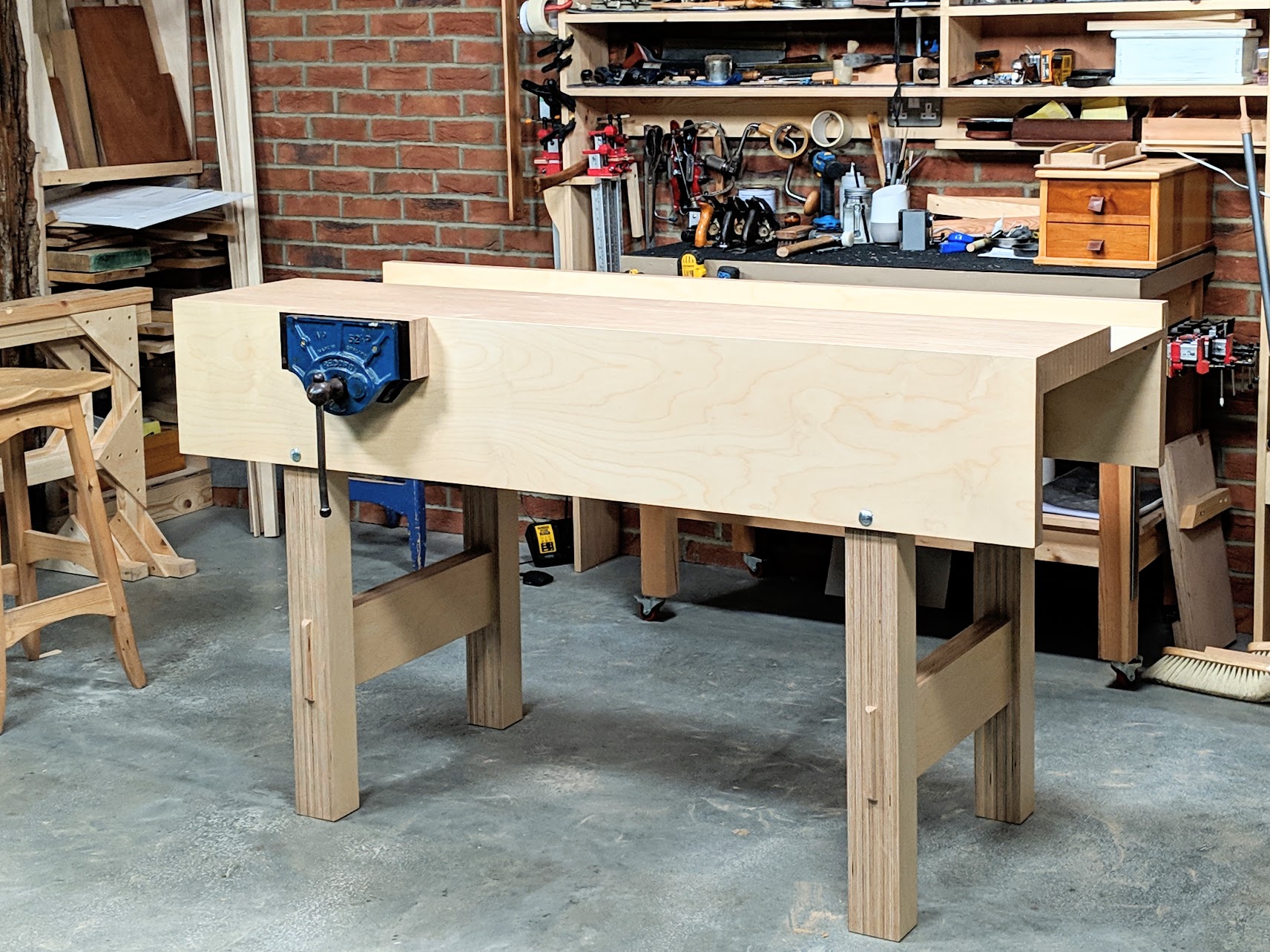
There are some things to explain:Is Paul just trying to be different? Is he bending to pressures? Bending the rules? Well, no, I've never really bent to pressure unless I found myself flat wrong and I don't do things just to please others either. My mind never stops looking, searching what surrounds me, looking at and finding shapes, forms that excite me as the basis for a new design. I have many projects that roll around in my head for weeks and months and sometimes years. The plywood workbench is just one of them. Some designs I made that failed proved my wrong but stretched my imagined efforts to become something by one minor alteration, others I never made but needn't because I just knew intuitively it would work.
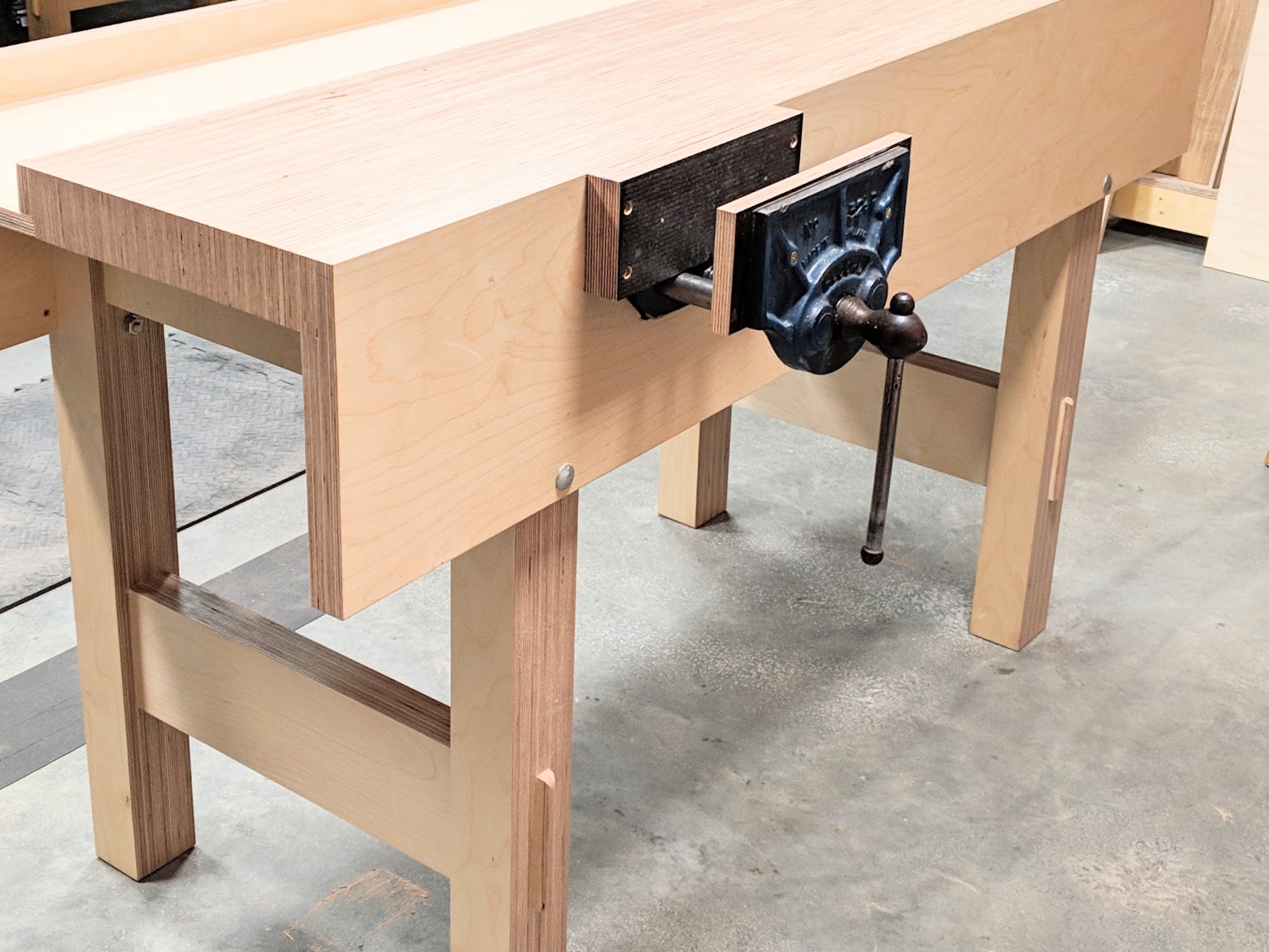
Proven plywood has passed the test. Plywood is a truly remarkable material that takes up the slack where an expanse of solid wood would simply render a project impossible or impractical to make. Unfortunately it's the cheap grades that have given good plywood a bad name so I do understand people having misgivings about trusting it. It's important to note here that most big box stores are unlikely to stock the quality you might be looking for beyond say more a carpentry grade. It's two components that affect the quality mostly, density and thickness of the plies. The harder the wood the more dense and the thinner the plies the greater the number per inch or centimetre. I do like to counter some of the fixed ideas certain cultures have about the way people think things should be. Fashion has become a strange thing. Most fashion has its own built in disposability and that's not really what we want in this day and age. On the part of large conglomerates there is the built-in or factored in obsolescence by way of failing parts. Then there is the equally insidious element where things become unwanted simply because of whimsical change--a change of clothing or shoes and such. Fashion in workbenches is not a goal but I feel I wanted a statement of confidence. A statement of intent if you will. A plywood workbench speaks volumes.
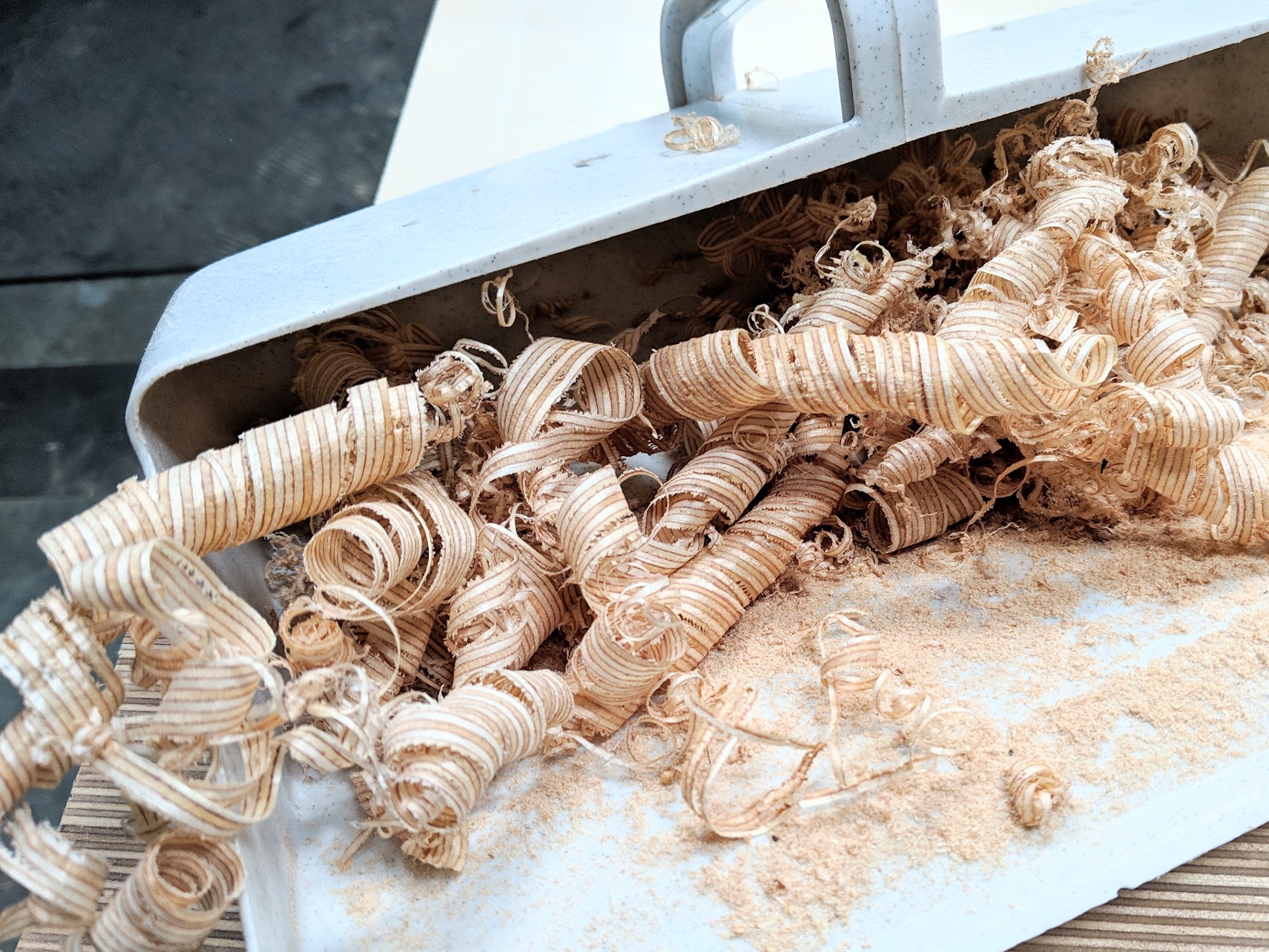
Bandsaw and plywood make a perfect union. I have always worked to encourage machine-only makers to get involved in hand work with hand tools. It will likely take the rest of my life, but I'm fine with that. I doubt you'll ever see me use a power router but fifty years ago I might have said you will never see me make a plywood workbench. But there's a difference you see. The router has never really freed me from anything, mostly because I tend not to use what it does best in making and that's profiling wood with moulded edges. Even when I did use a power router regularly it was never ever to cut joints nor to groove or dado. Plywood, birch plywood with 13 layers and no voids throughout, is a well proven resource. It stays together and doesn't delaminate if of course it's made by a quality maker. My bandsaw is also a well proven method for cutting wood and it takes the smallest footprint of woodworking machines, a major factor for most woodworkers working from home in limited space. It's versatile in that both straight and curved cuts come from the same machine and often using the same blade. It also removes less than 1/16" of material per kerf cut. Combing these two elements in my plywood workbench build was a union match.
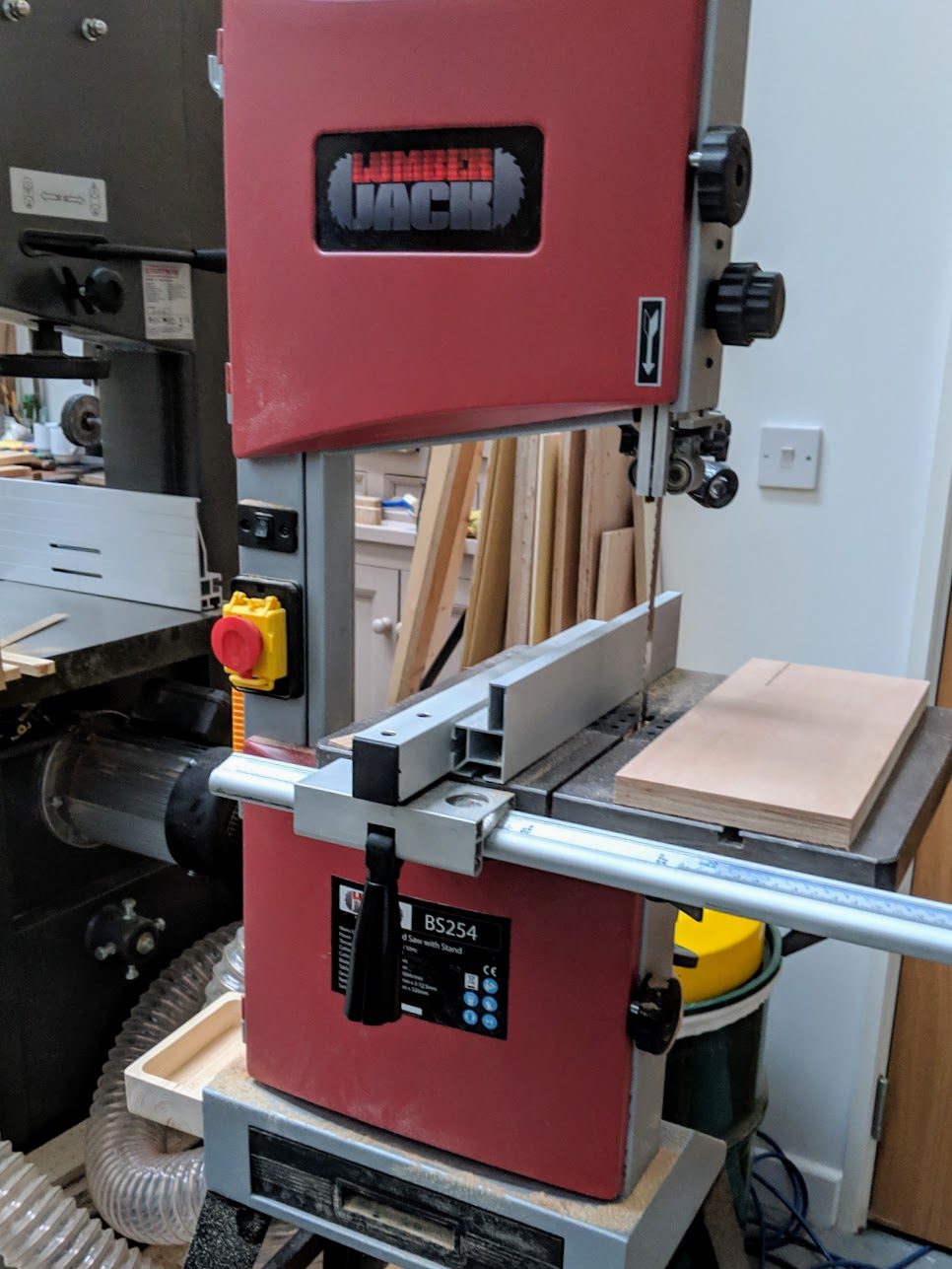
I'm sure some things seem strange to you. My using the bandsaw, the plywood bridge bench, some my other designs like the Eco Waste Bin with its unique plywood through-tenons extending from the ply panels into the posts and frames (the one we made a few weeks ago on Woodworking Masterclasses) and of course several others.
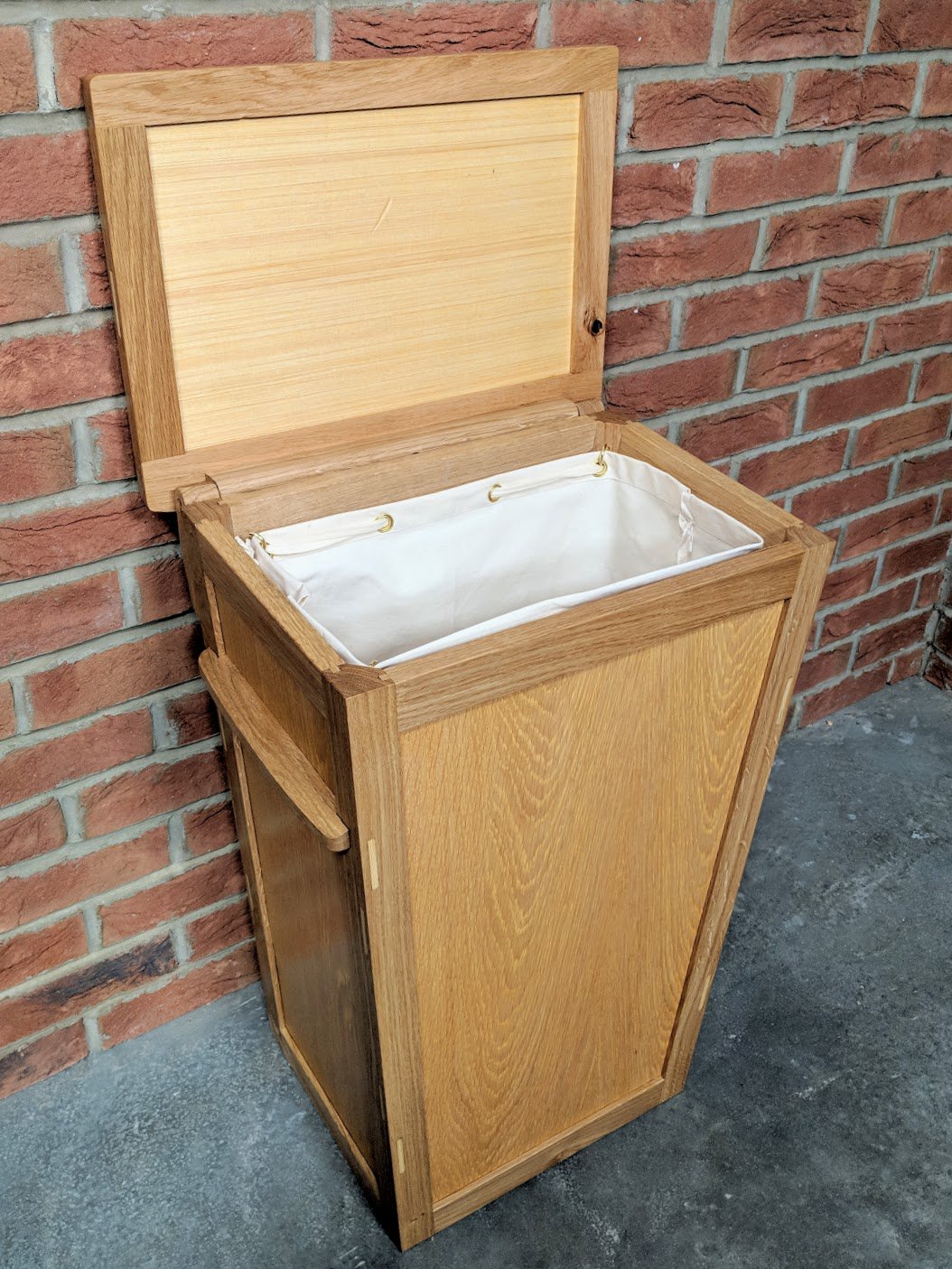
My Eco Bin was a statement. I made my Eco-bin using solid wood and plywood because the lightweight sub-wood beneath the book-matched veneer created a wonderfully strong yet almost weightless container that was no heavier than its typical stainless steel or even plastic counterpart and, more importantly, it gave me a more lovely wooden waste bin that hadn't existed before.
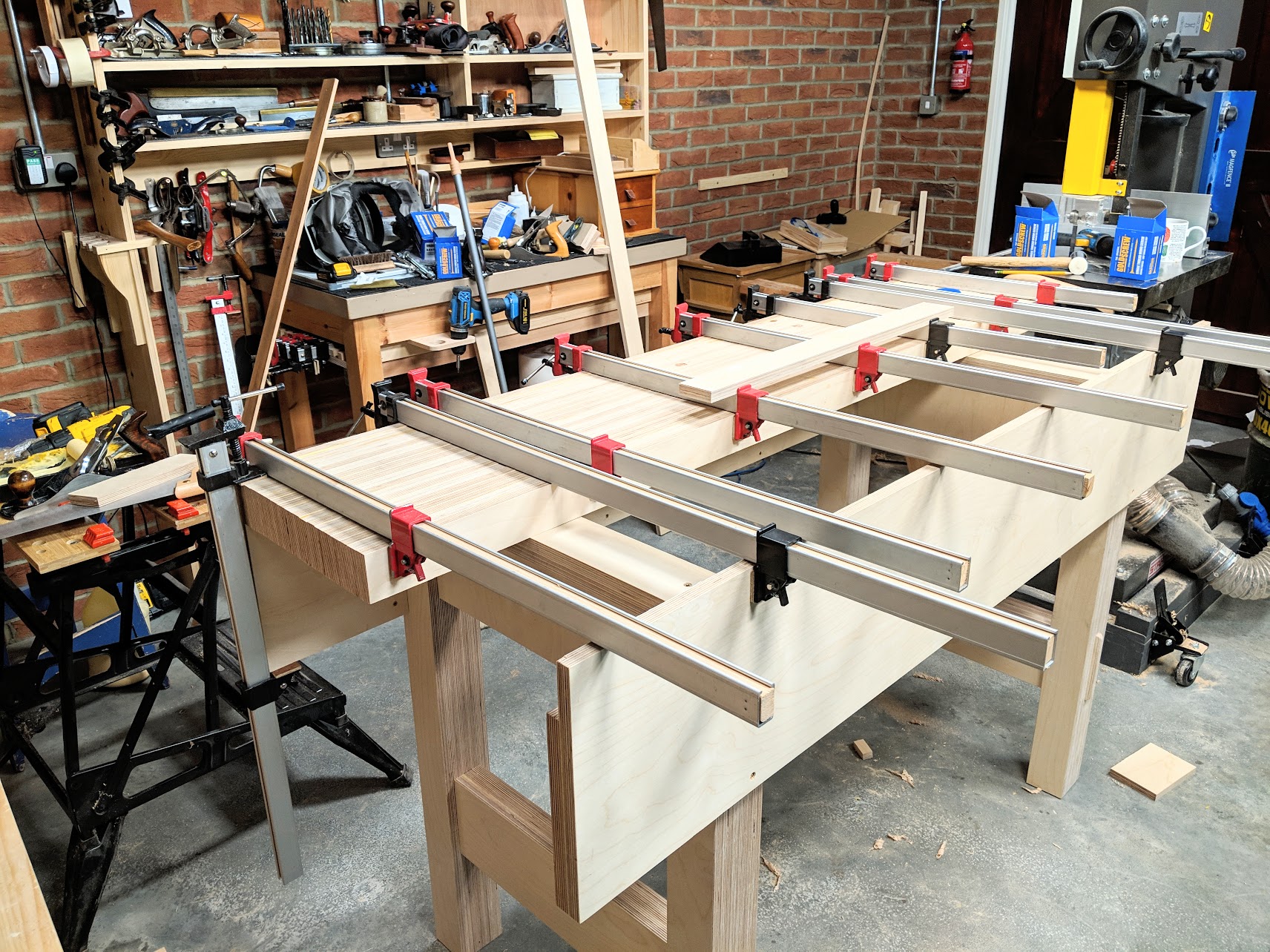
Concepts of good design defy time. It has been true throughout time and it's still good today. Design has always been important to me and now at nearly 70 I find myself more apt and able to look with modern eyes in my designing. My ambitions are to create fashionable pieces for future use with proven longevity in mind. To do such a thing accepts the reality that tradition was born out of the innovative of its day and continues on into the progressive of the day. Finding union between the two brings us the designs that meet the more pressing needs of today and with age of course comes my experience and a perspective to show something might be designed fashionably with style that still has a longevity built into every fibre.
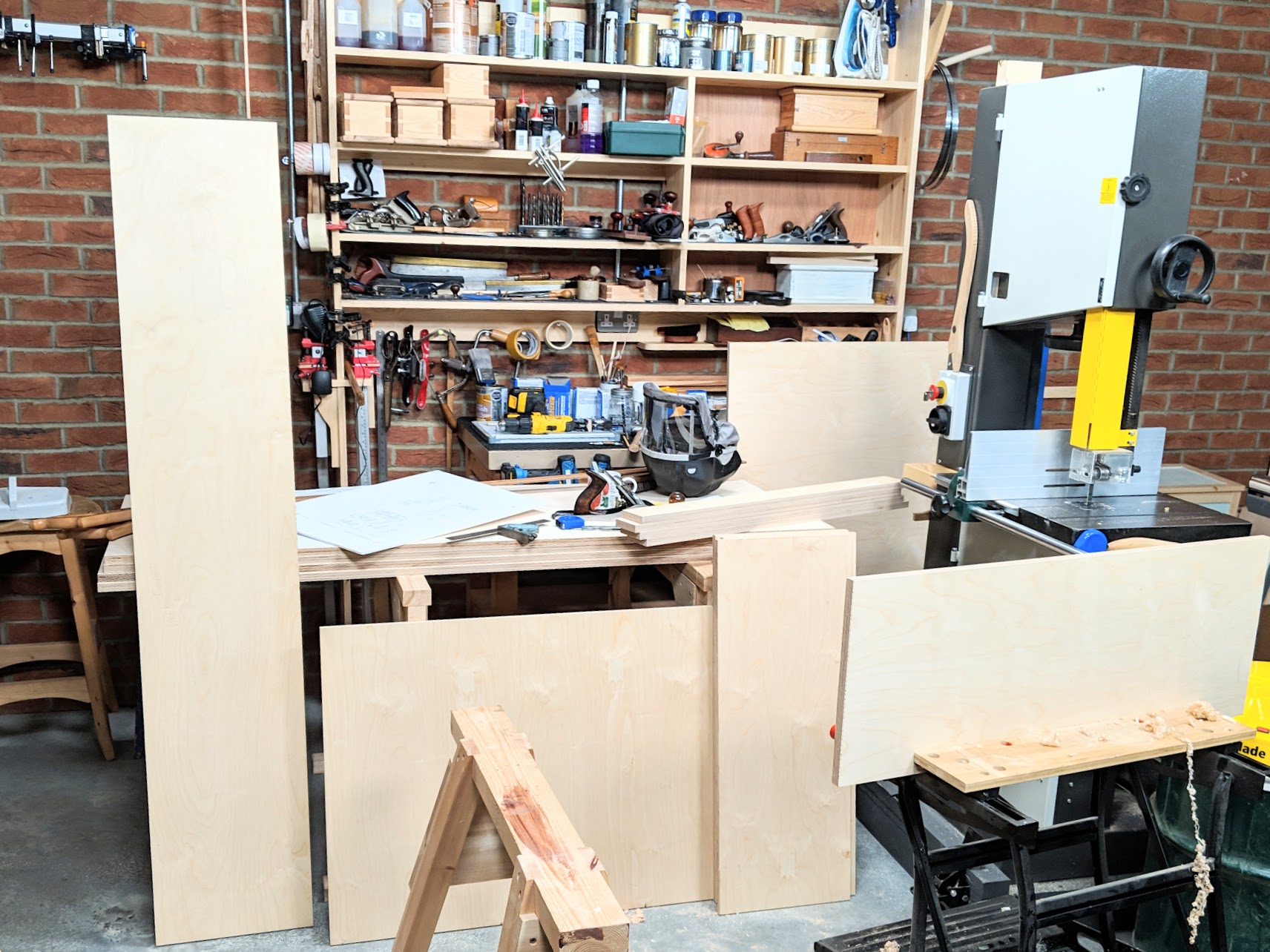
To make my workbench I decided that the size of workbench I have used over the decades is about as perfect as it gets. I have made just two of them now because I have two in my home workshop garage end on end. I switch from one to the other as I want to and I can also use the two vises at once inline if I need to. I can also put two benches back to back for a wider depth at 54", but that's rarely needed. I will be giving out more details on the bench build as I go here on my blog and soon you will be able to enjoy the whole series on YouTube.
Comments ()