
Making Another Bench...
... A Garden Bench
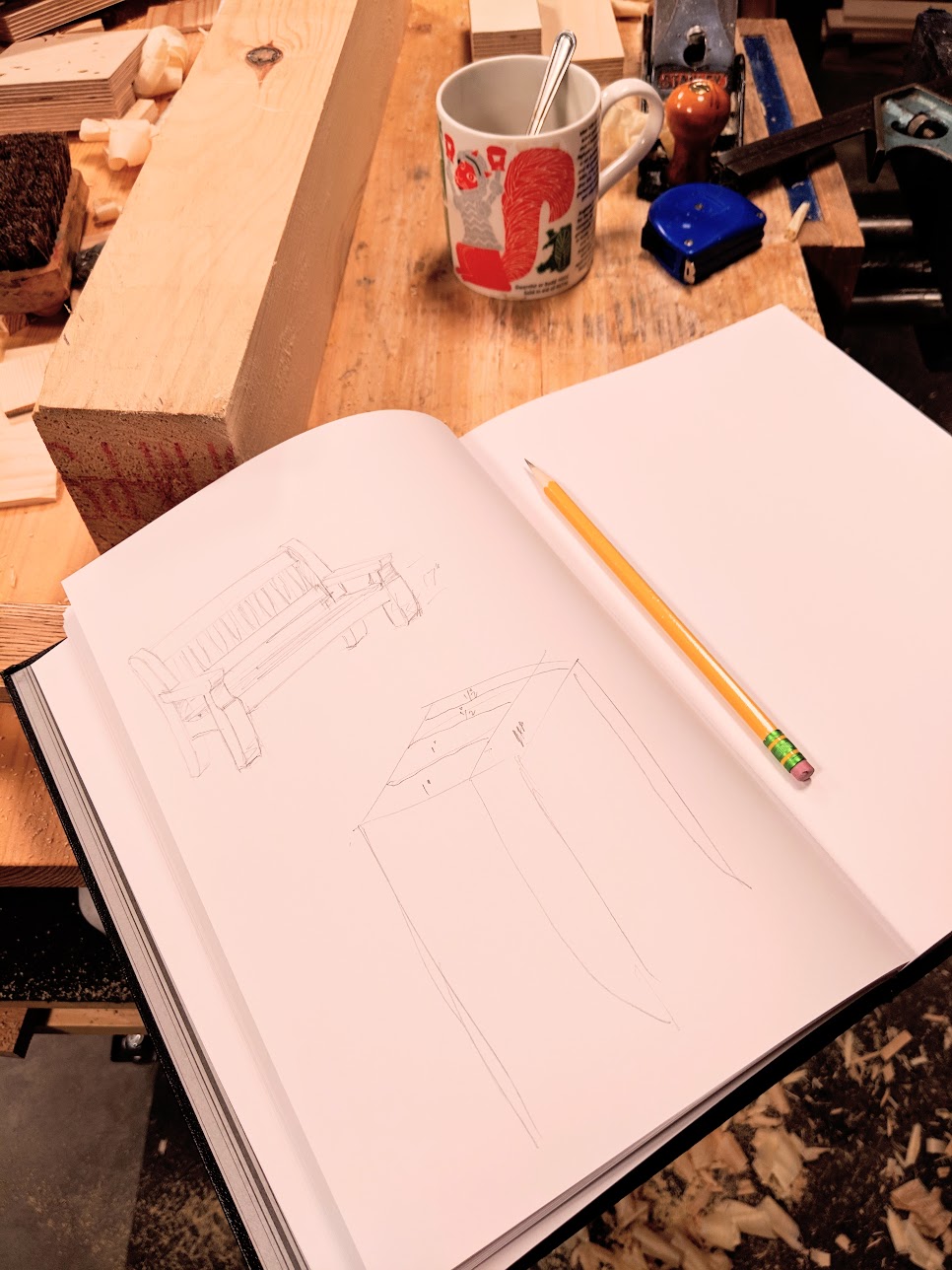
I'm making a garden bench. So far it's taken me a day to cut all the wood, plane it, cut the parts out, joint the 10 2" deep mortise holes and cut and fit each of the tenons. I know! It's pine, but making the joints should be easier in the oak I am planning to make the video series from when I get to the version you'll make. It looks totally chunky and clunky as is the trend of the day right now but shaping will change some of that. You know, heavy mass, the appearance of mass-impressive alluding to longevity at least, but there are things to do to it yet and I start to finalise the looks according to what's in my head now that the joinery is almost completed. The arms I have yet to add. With Spring nearing (just 2 months away) I wanted to be ahead of the game for everyone a little. Start now and you will be just in time for outdoor seating through spring and summer. Shortened versions will make single seat chairs with or without arms and, longer, a three seater. Remember too, all designs are adaptable. Leave of the end arms and build a table to match and you have a corner unit. Extend the side rails by six feet and you have a bed frame??!!!
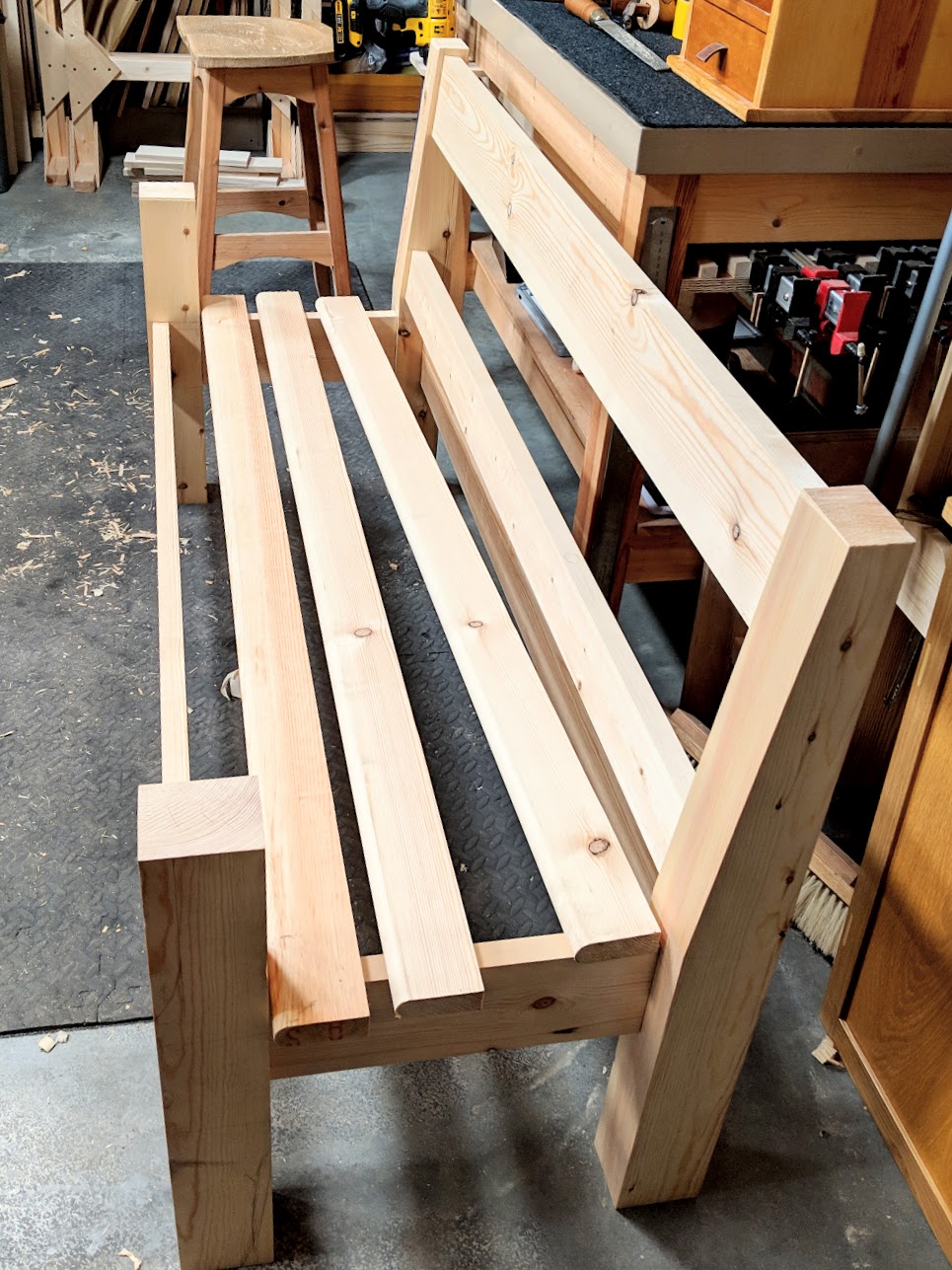
The joinery is always enlivening for me, especially with hand tools and all the more so when they are larger and wider where they go together so quickly. In the oak you can split cut more readily than any other wood and more quickly than sawing. You might want to watch for this technique in the upcoming videos. My joints, each one of them, surprisingly, slipped in perfectly with no slackness for air and no undue tightness. We'll see how we do in the oak in front of the cameras next week when what we see is what you get. Actually, we should have filmed this one!!! But oak is always a joy to work, especially straight grained oak. I am also planning on using draw-bore pins for pulling up the joints and there is still something so unifying that makes the integrity of the method seem so, well, final.
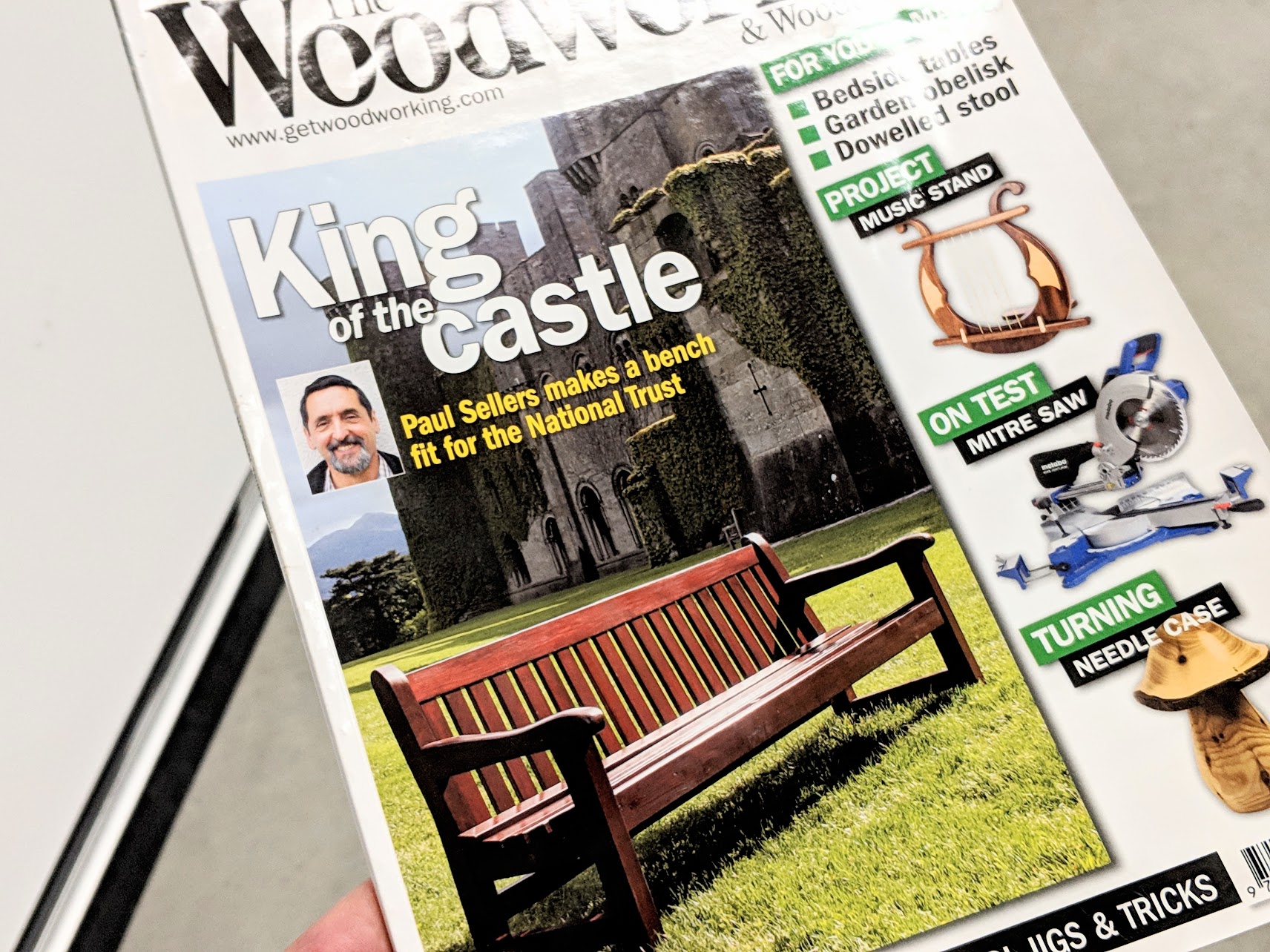
The thing about garden benches is the exposure they get to the elements, one minute rain-soaked joints and then sunshine drying out the whole. To glue or not to glue becomes one key issue. Then to paint or not paint, to varnish or not varnish, to oil or not. Hmmm??? No matter what you read or watch there is of course no finish that is life long and the main problem with almost all finishes is the reality that they actually need regular maintenance. Two thing affect outdoor woodwork of any kind, sun light and wetness, be that humidity, rain etc. The idea at first is to prevent the sun's rays from turning the natural colour occurring in planed and sanded wood to dulled-out grey and also to prevent water from entering the wood resulting into subsequent rot. There is no one-time finish to last the lifetime of the wood beyond a few years so that means that the wood will only actually last for say 6-10 years or so. The reality is that applying a finish can and does most often result in moisture being trapped behind the finish and resulting in more rot than it ultimately prevents. As sunlight mostly only affects colour retention, ultra violet will eventually break down anyway so you will ultimately lose surface colouring unless you are diligent to recoat say every few years. Ultimately the sun light wins this one.
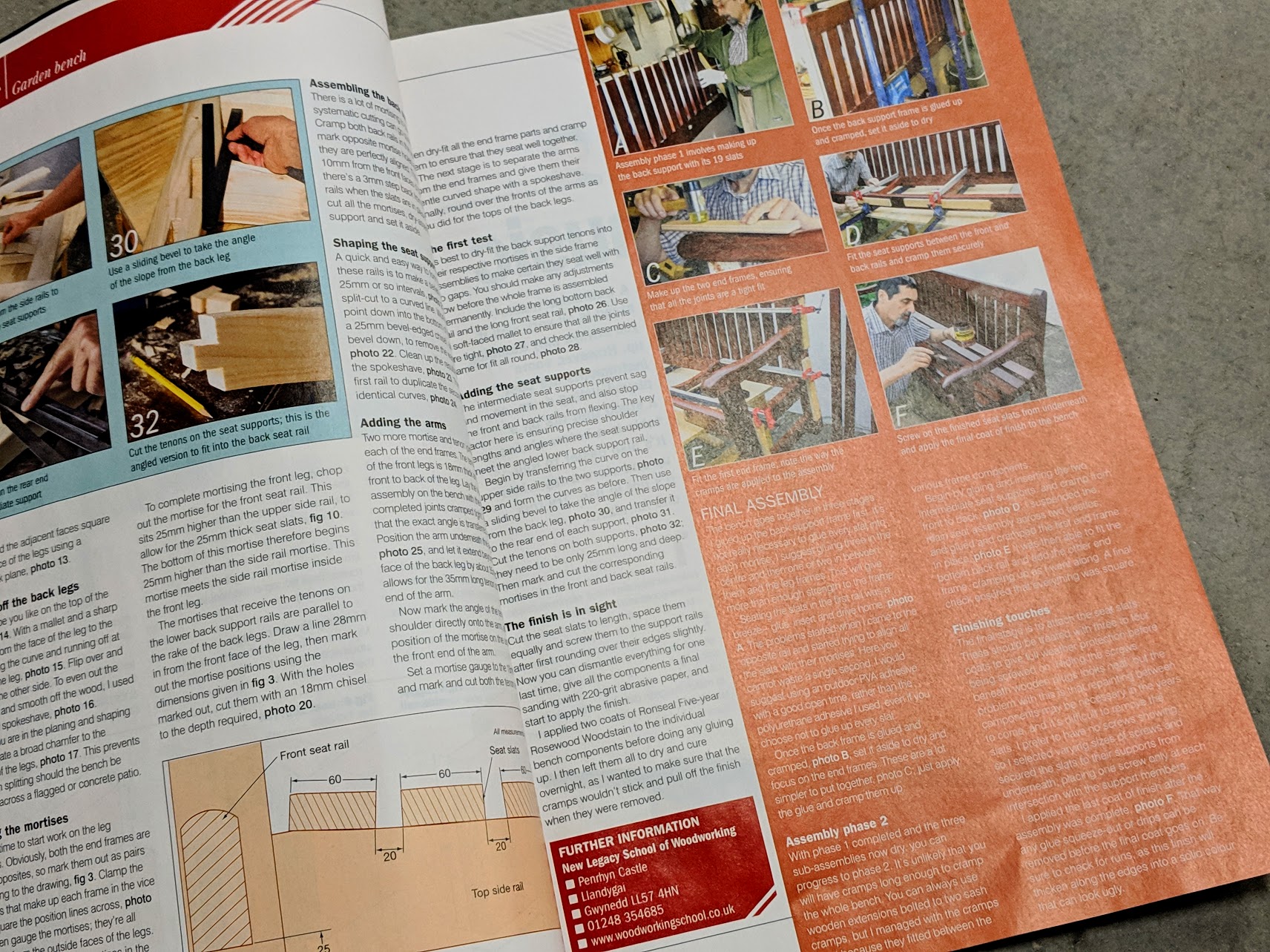
I will talk about finishes and finishing options in a blog very soon.
Comments ()