
What's My Worth—Part I
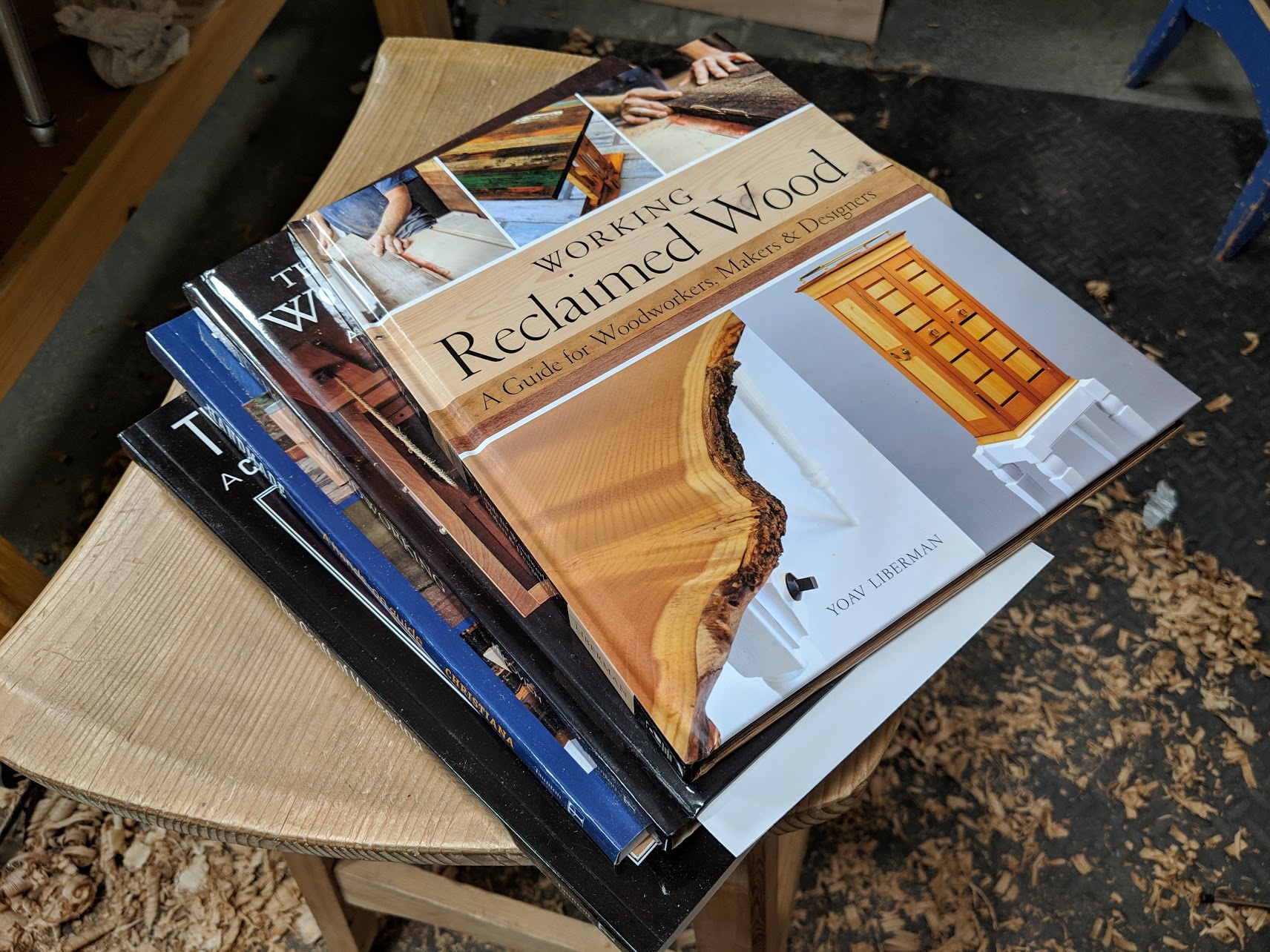
I received four books for review this week. They got bogged down in the post and should have arrived 6 weeks ago. Glancing at the covers of a couple I can see the content will not be for fine furniture as such but more, alternative pieces using wood that's basically secondhand be that shaped, square, painted, varnish or unfinished. Often the work is not even fine work necessarily, more the creative considerations of inventive people transforming something thrown, chunked and discarded or set aside until good use could be found for them. We have all seen renewed interest in alternative-use items upcycled into unusual accent pieces and often furniture. It's not a new concept in any way. It's just come around again though many do think that they invented it. In the 60s and on through to today recyclers, upcyclers, restorers have all actively put their mark on the discarded in very unique ways in an effort to repurpose what would otherwise be considered by most as being of little or no real value. Giving this type of work a proper name, though mocked by some, has somehow validated the once rejected and indeed changed the way people perceive value. Scaffold planks and pallets are the most basic of basic forms of repurposing the discarded, but even that's not always the case. One national chain store selling DIY and construction materials recently had brand new pallets for sale at £15 a pop.—not repurposed—unused purpose made and created for the DIY market. Not true at all to the spirit of recycling and so too I have seen scaffold planks with steel hoop iron in place on the ends brought in to fill the gap in supplies.
I have known two of the authors of the two of the books personally and spent time with them. I have also spoken to them on long distance telephone conversations too. Yoav is a die-hard 'skip-hopper' (dumpster-hopper equivalent USA) doing his bit to make sure nothing gets wasted and he is highly creative not just in woodworking and designing but writing and teaching too. I am reading the book but just raiding the pictures make you want to get out there and join him. His ambitious projects always bear fruit in the form of quality workmanship too. The different chapters walk you through concepts you might never have thought of and indeed his insights provide a plethora of unique opportunities for anyone with upcycling and saving wood, trees and valuable land from pollution, being polluted or polluting. If you are at all interested in this sphere of woodworking and furniture making I think you would enjoy owning the book Working Reclaimed Wood By Yoav Lieberman; A Guide for Woodworkers, Makers and Designers.
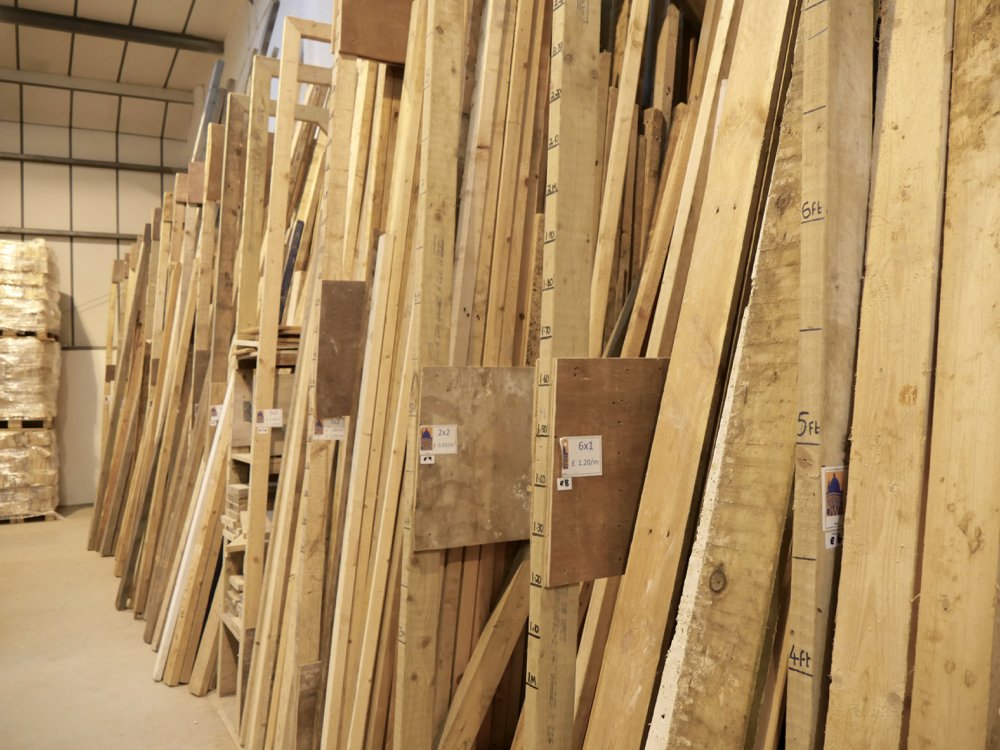
For the main part, and I think the authors would at least generally agree, the offerings in their book would not necessarily be considered fine furniture (though some pieces displayed obviously are) so much as finding purpose for what might otherwise be unusable. On the other hand it is also an alternative to the status quo of both woodworking and furniture making as well as design. The message being conveyed in the books is quite clear. There's an alternative to fine that does not mean discomfort or squalor. There is an alternative to mindless throwaway to counter our consumerist values. It's more about repurposing our value system and how we measure and quantify what we make, use and sell too. My view is simple enough. Some people see a vegetable colander and say lampshade, others see only cauliflower and cabbage. Added to that as always is countering of waste and the burying of it. Out of sight out of mind for one generation means those born two generations later say what's that nasty smell or better not build there. The small book stack made me think on another situation that occurred this week also. Two questioners wanted me share more about turning their woodworking into a business and then pricing the work. I will give my view on this in What's My Worth-Part II.
Comments ()