
Seeing the Art in Hand Planing—Part II
It's a funny thing, and I have done it myself, when people swipe off shavings to prove a plane works. Most of it is quite unreal as no one really just swipes of shavings one after the other from one end of a board to the other and equally across the width of a 12" wide board. No one. Usually it's the grain that dictates otherwise, unless you've picked out this absolutely knot free, straight grained board with no grain variance in any odd direction from the long axis of the true. In the real world plane work demands much more because the wood is so demanding. So if you think that all others demonstrating such mastery and the problems you're having are all down to you, you're probably being hard on yourself. The reality is more this. And I have watched them behind the scenes in places around the world. Often they are there to show you such good work because they are selling something. When you're selling something you don't want to seem like you're struggling at all. The best way to avoid struggling is to spend time focussing on one thing and one thing only. How to get the blade as dead sharp as possible. Spending half an hour in this unreal realm will be well worth it if you can make yourself look good and someone else look bad enough that they just have to buy what makes you look that good. Pick the right wood, sharpen the right plane and you have the ingredients for making yourself look like you are in control. And remember. the camera always lies!
OK. What am I saying? Well, in my experience, and you may have heard me say this many time, life is like wood, it comes with knots in it. I said this first. It's my phrase and my quote. In my experience it is quite rare to plane wood that has no knots or grain that once surrounded knots somewhere in the fibres of just about any board. That being so, and it is a fact, there is bound to be grain that is with you and grain that is against. Grain that twists and turns 10 times in two inches and grain that rises straight up right when you least expect and least want it. This true in most woods but is worse in others. Try hand planing yew or beech. Sometimes that plane just glides over the surface and shavings ripple up from the mouth of the plane like butter wouldn't melt in its mouth. Right when this happens the grain shifts and there is a 1/8' deep tear out that just cannot be repaired. This happens to everyone other than those selling planes or plane irons or woodworking classes. In real life wood grains tear no matter which plane or technique or wood you use. Get over it.
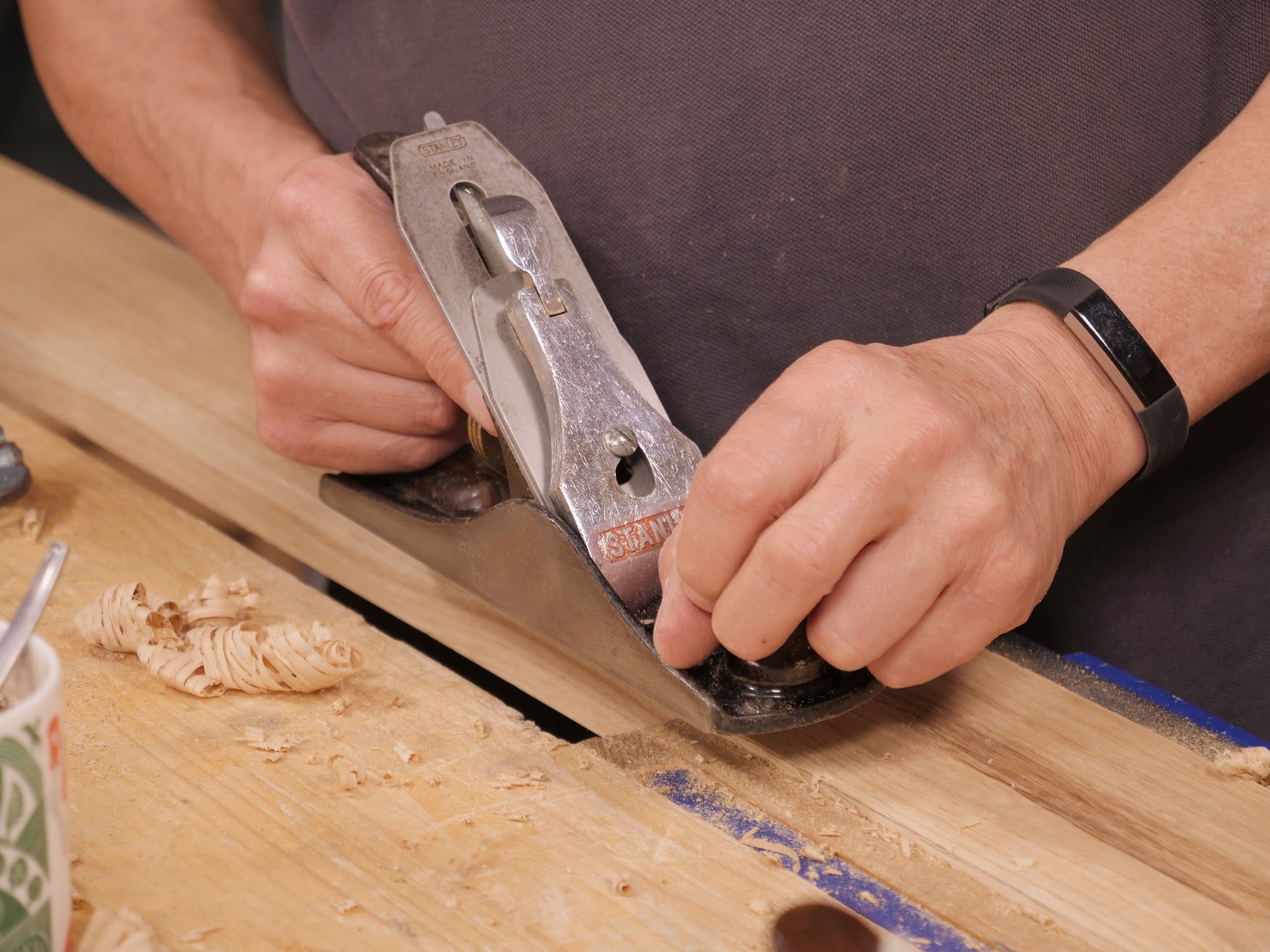
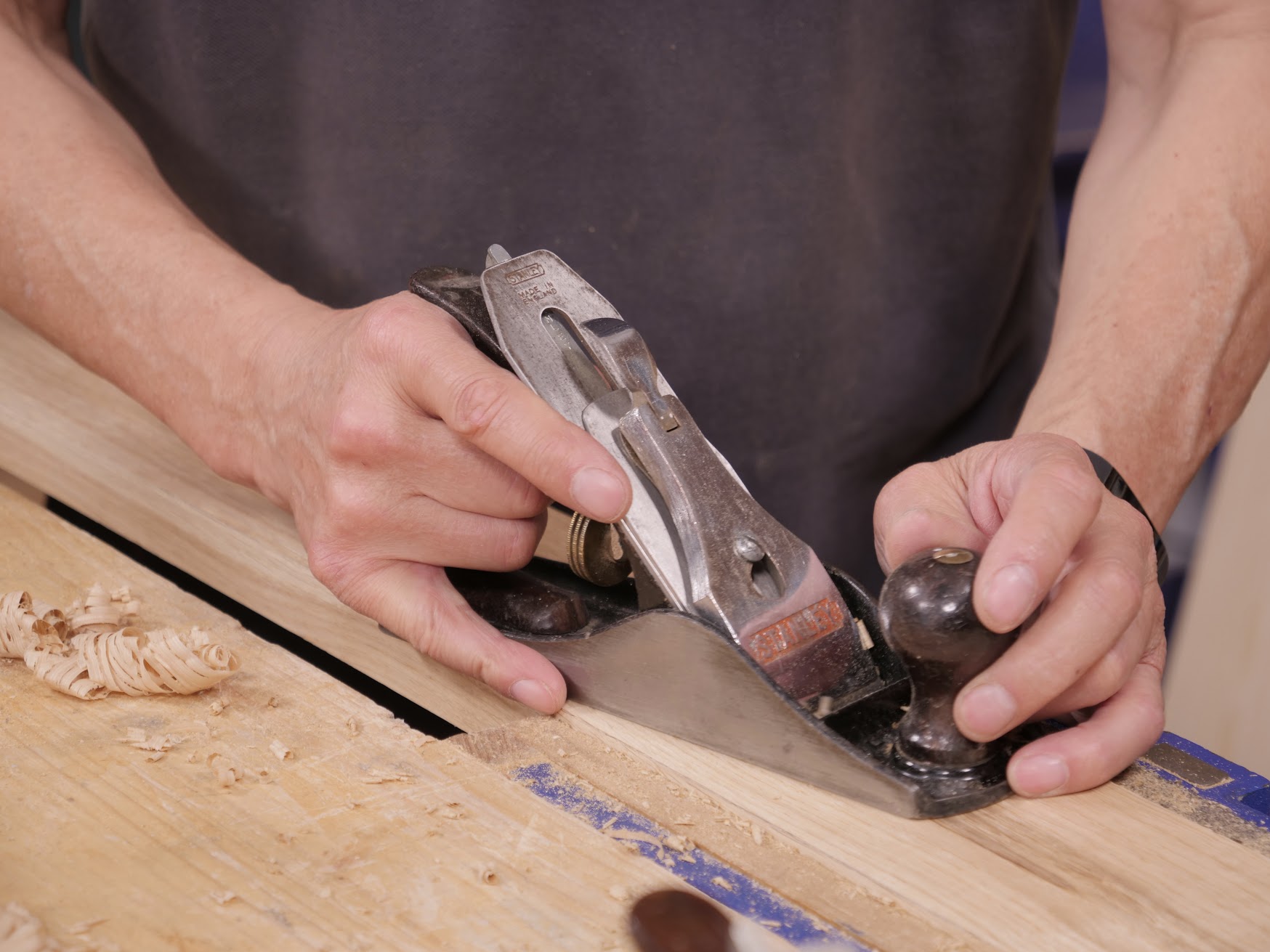
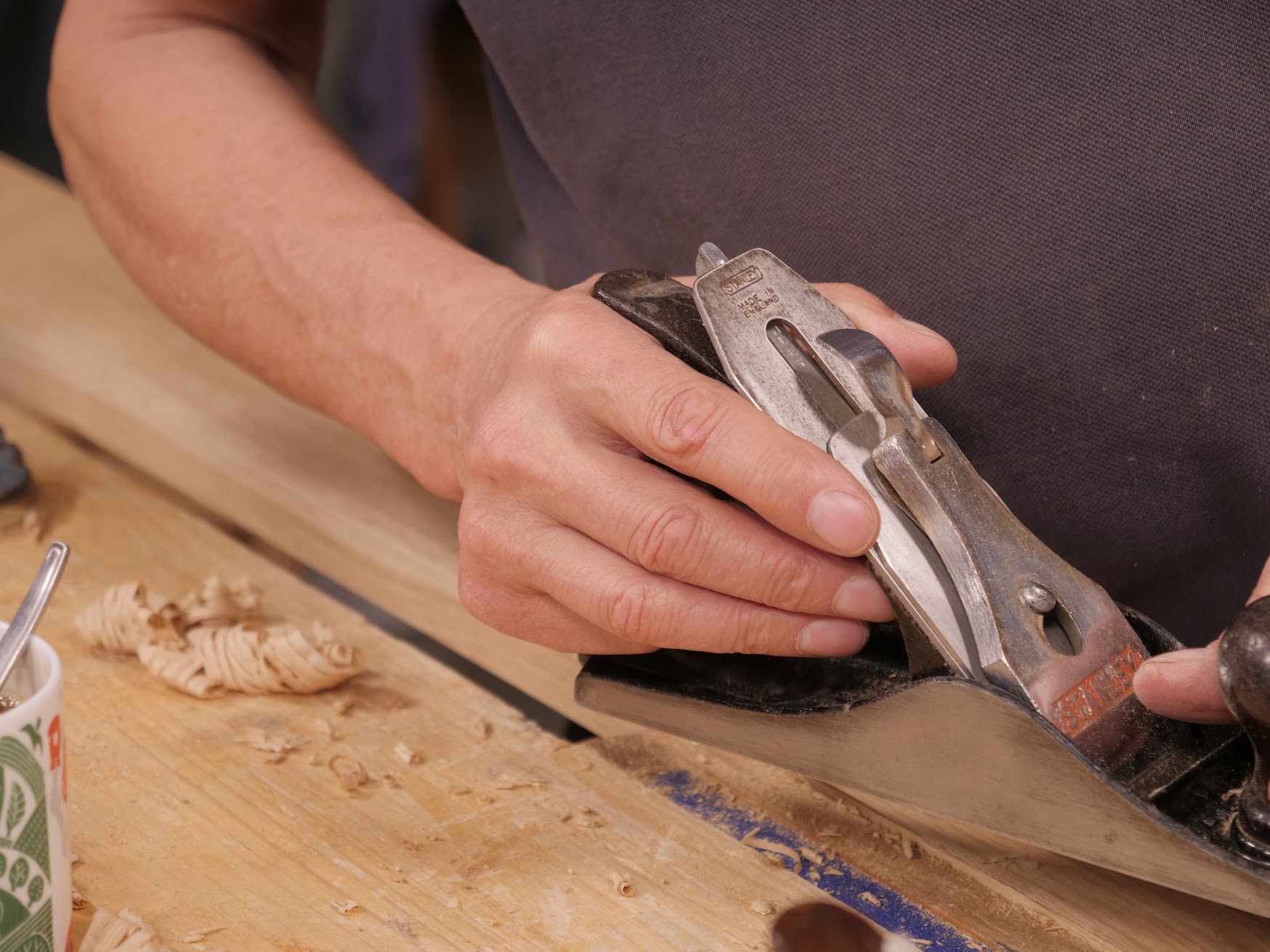
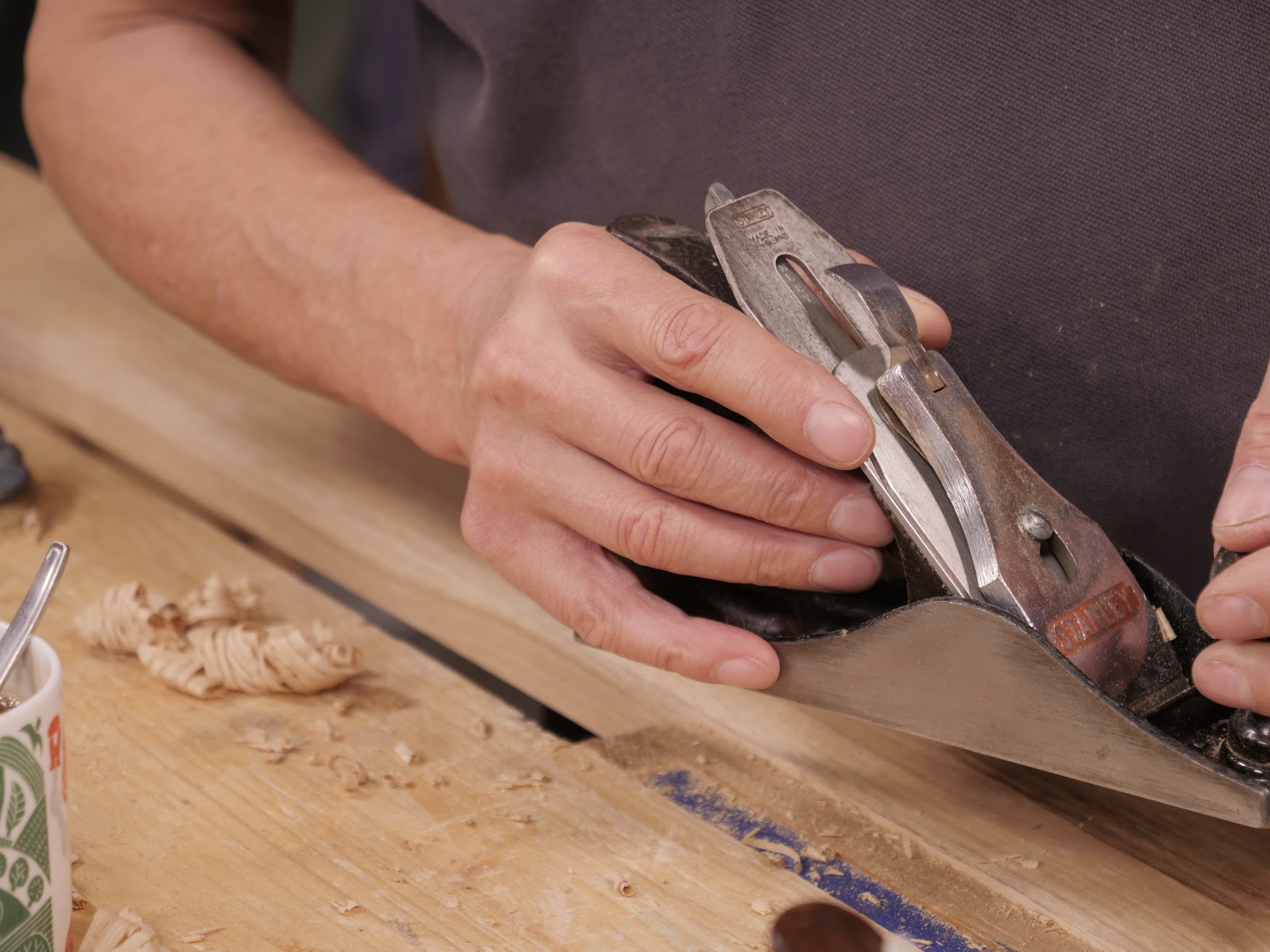
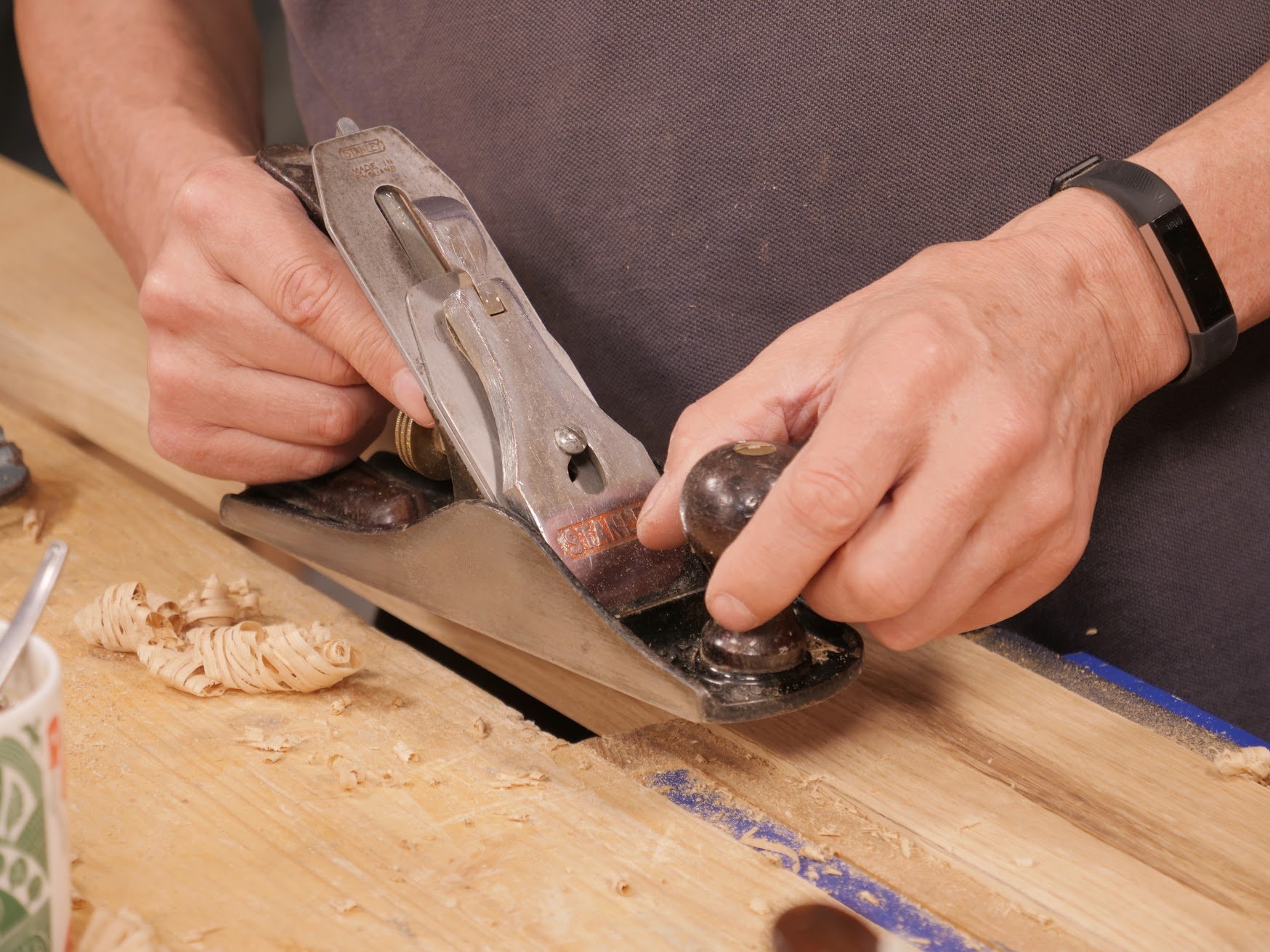
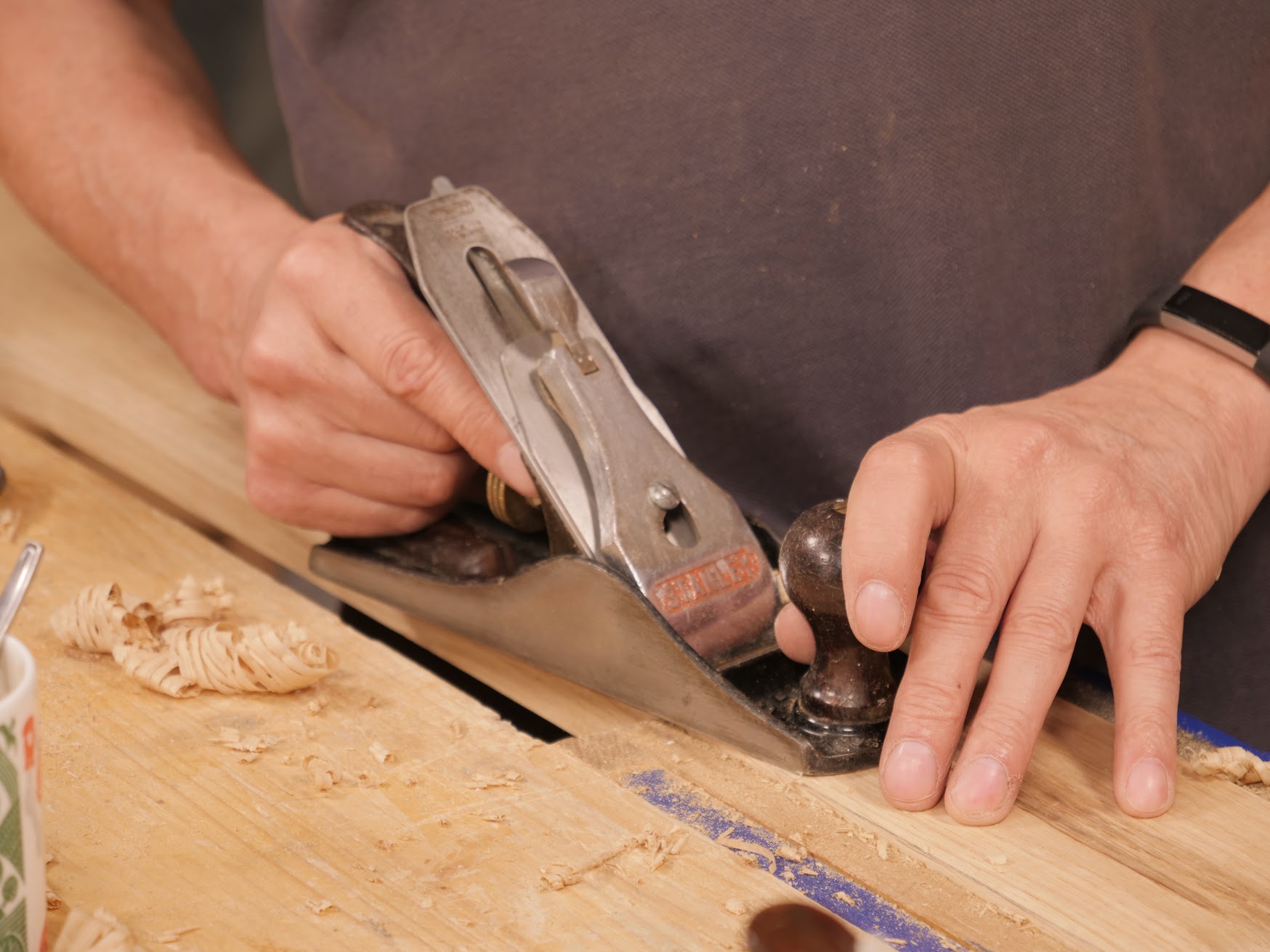
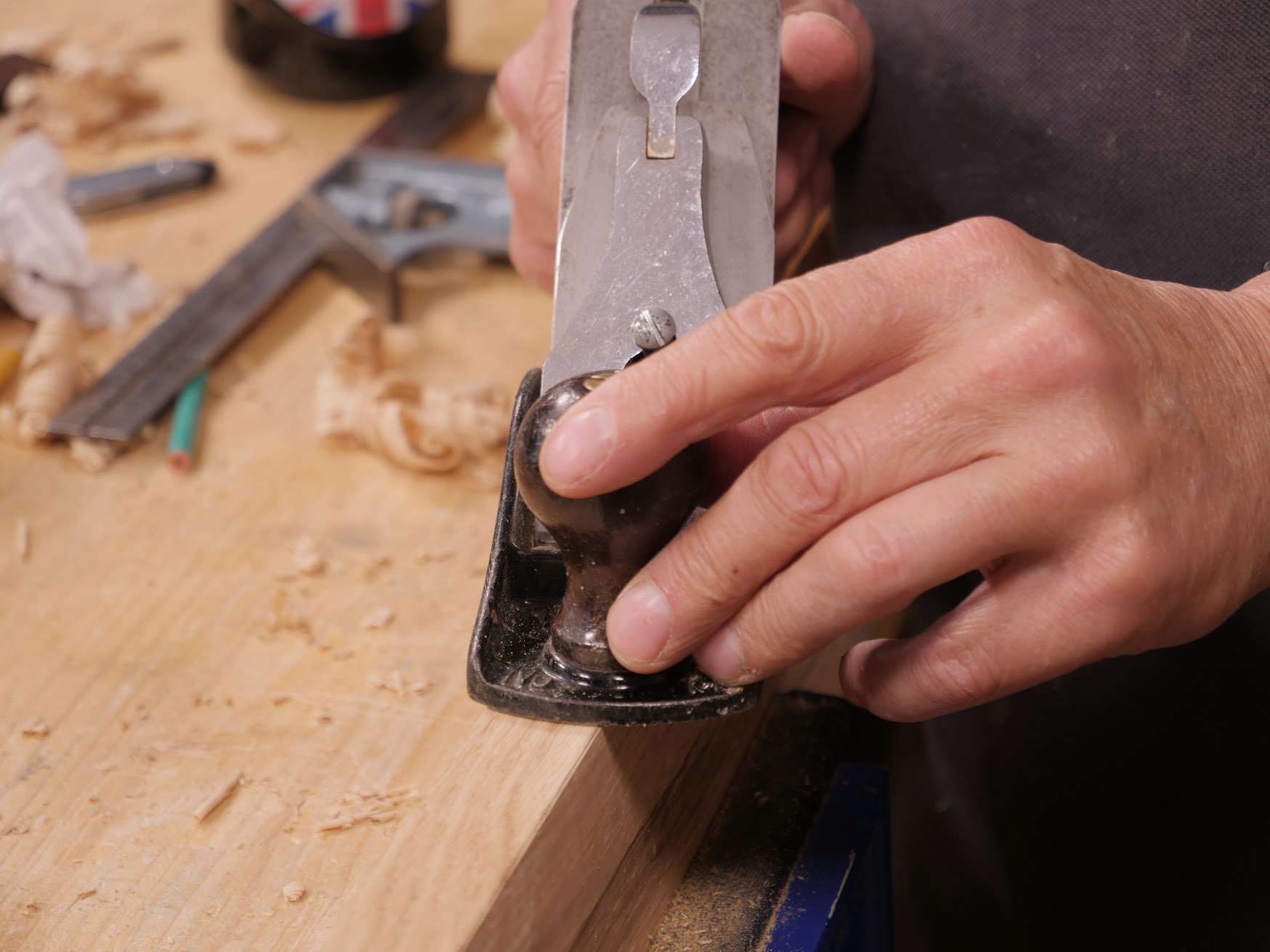
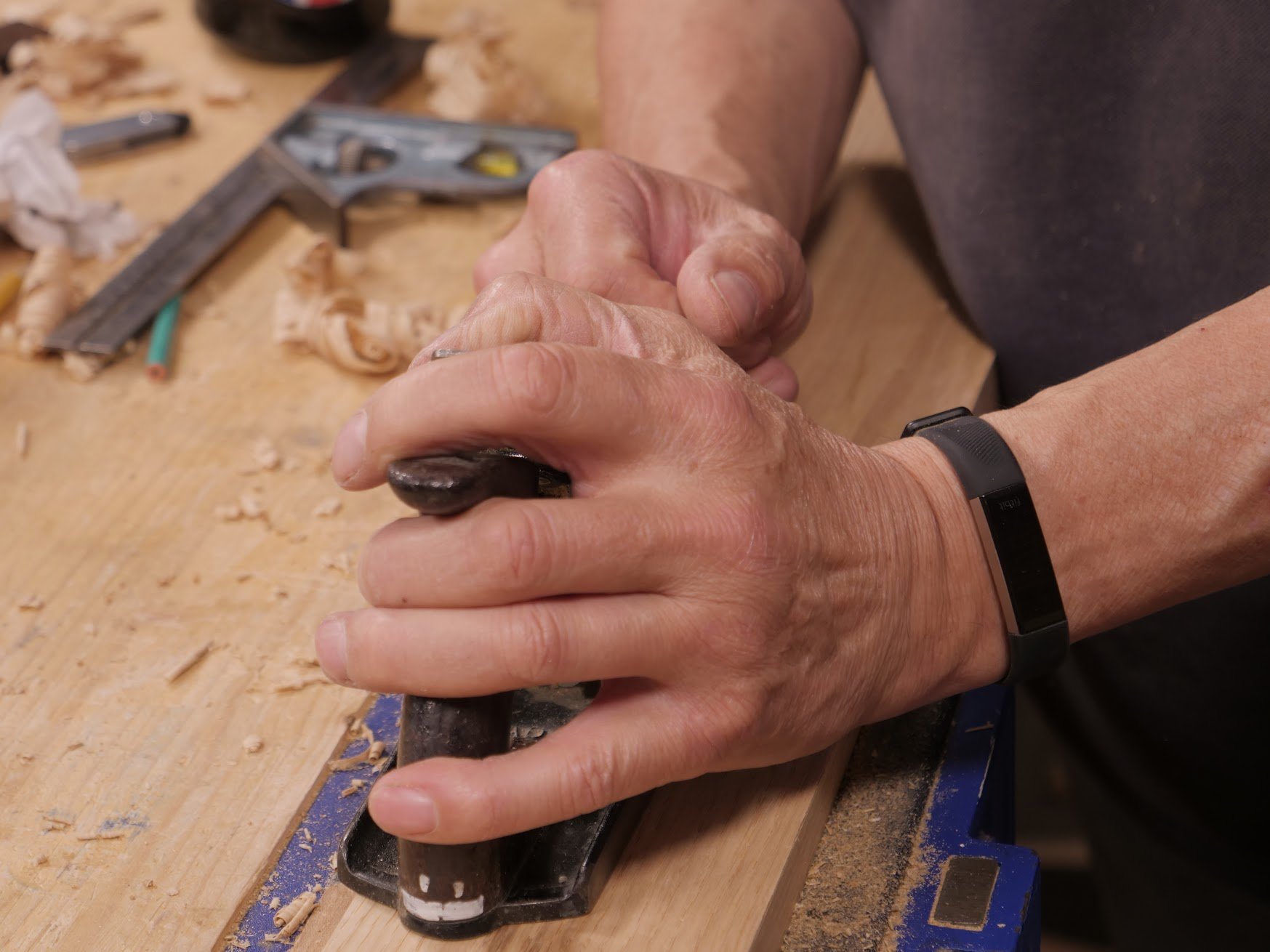
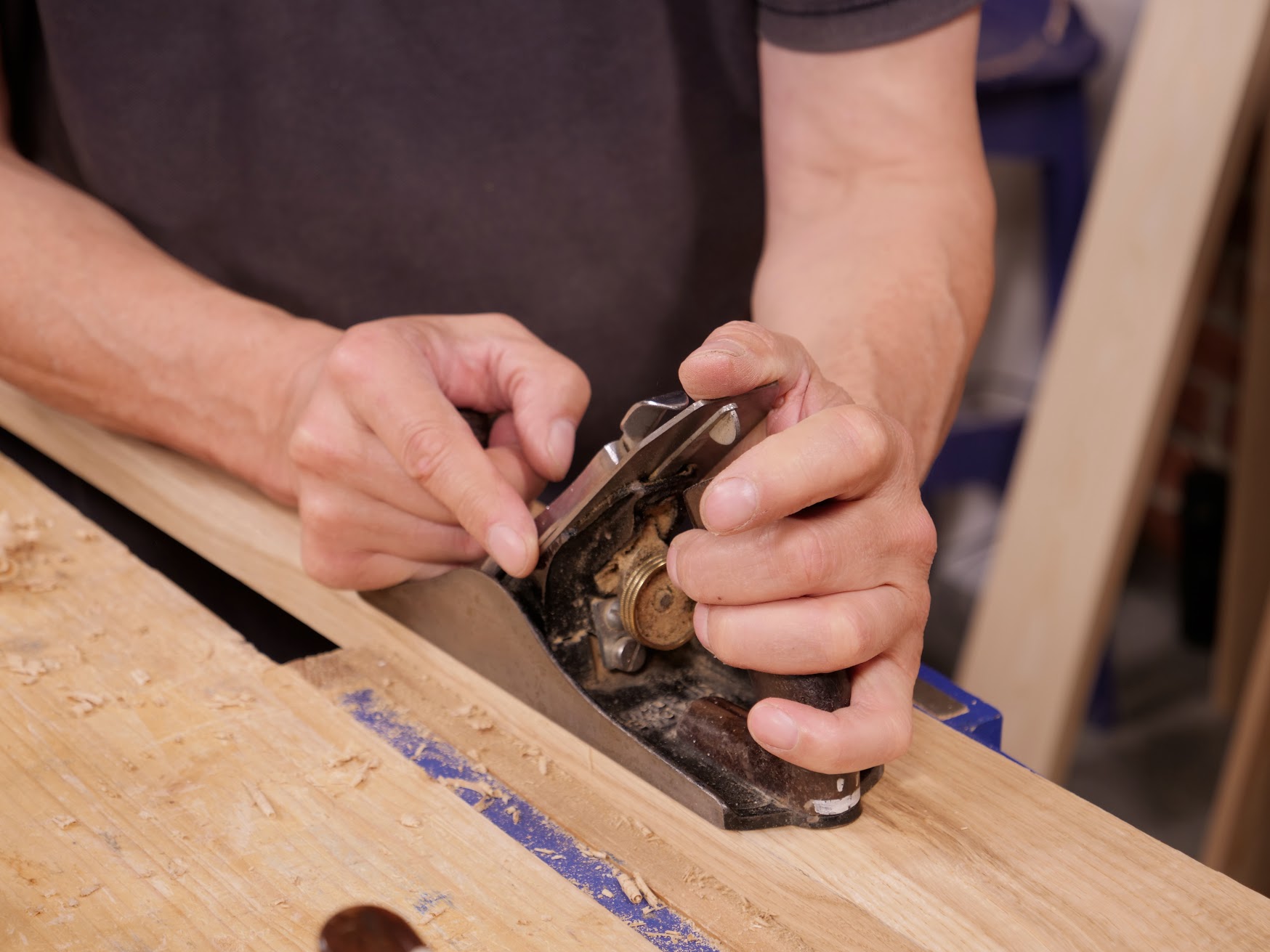
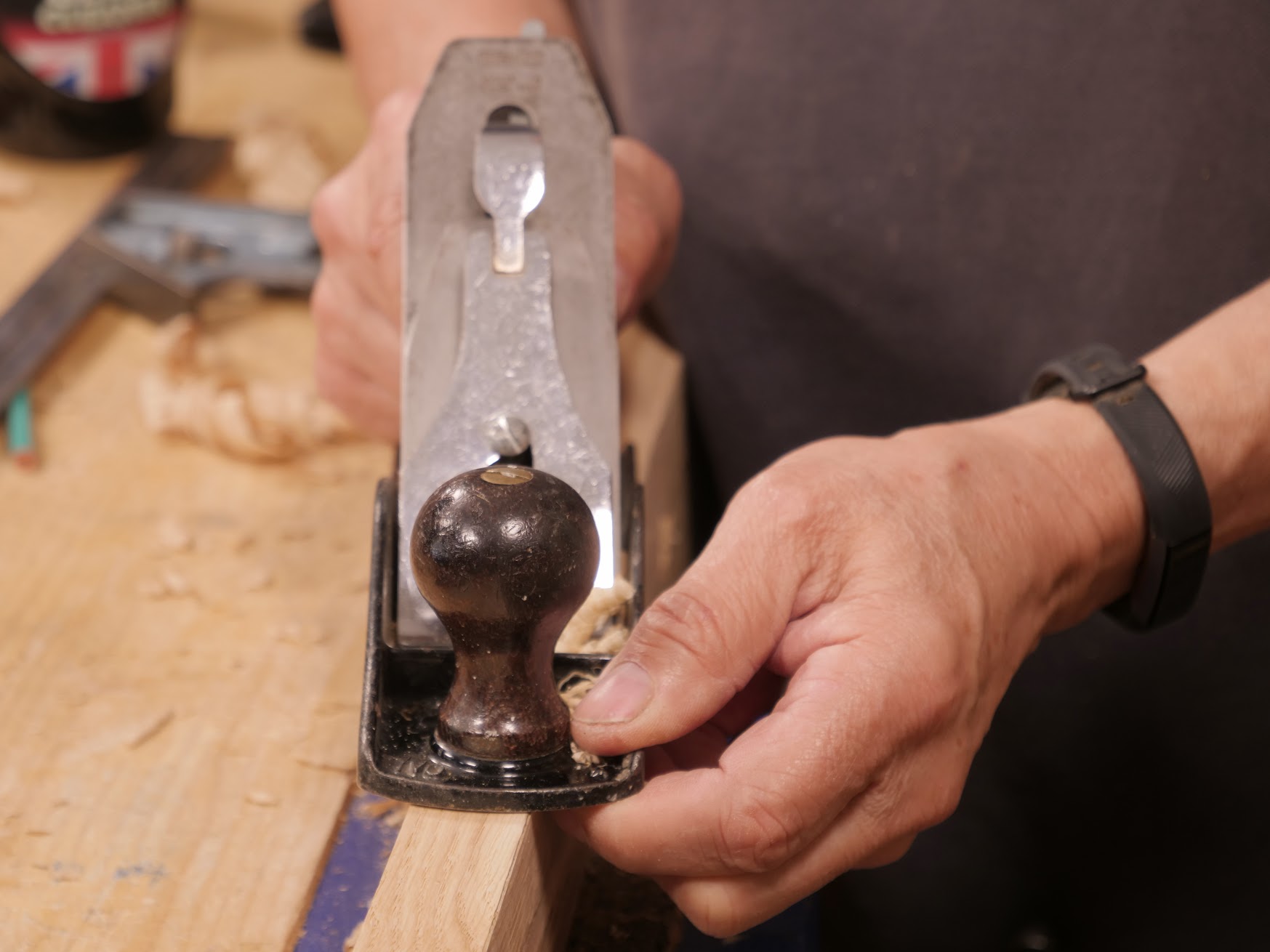
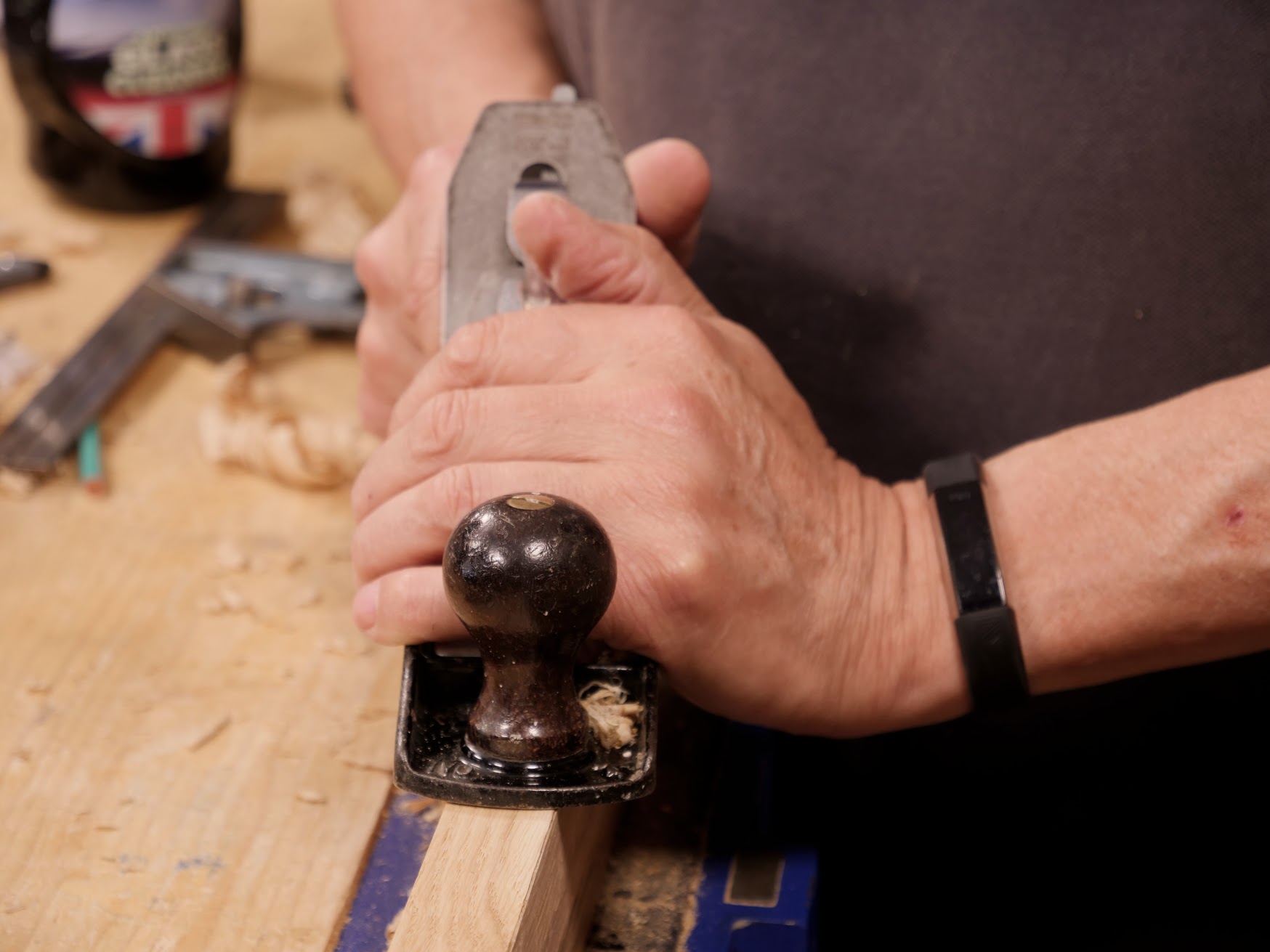
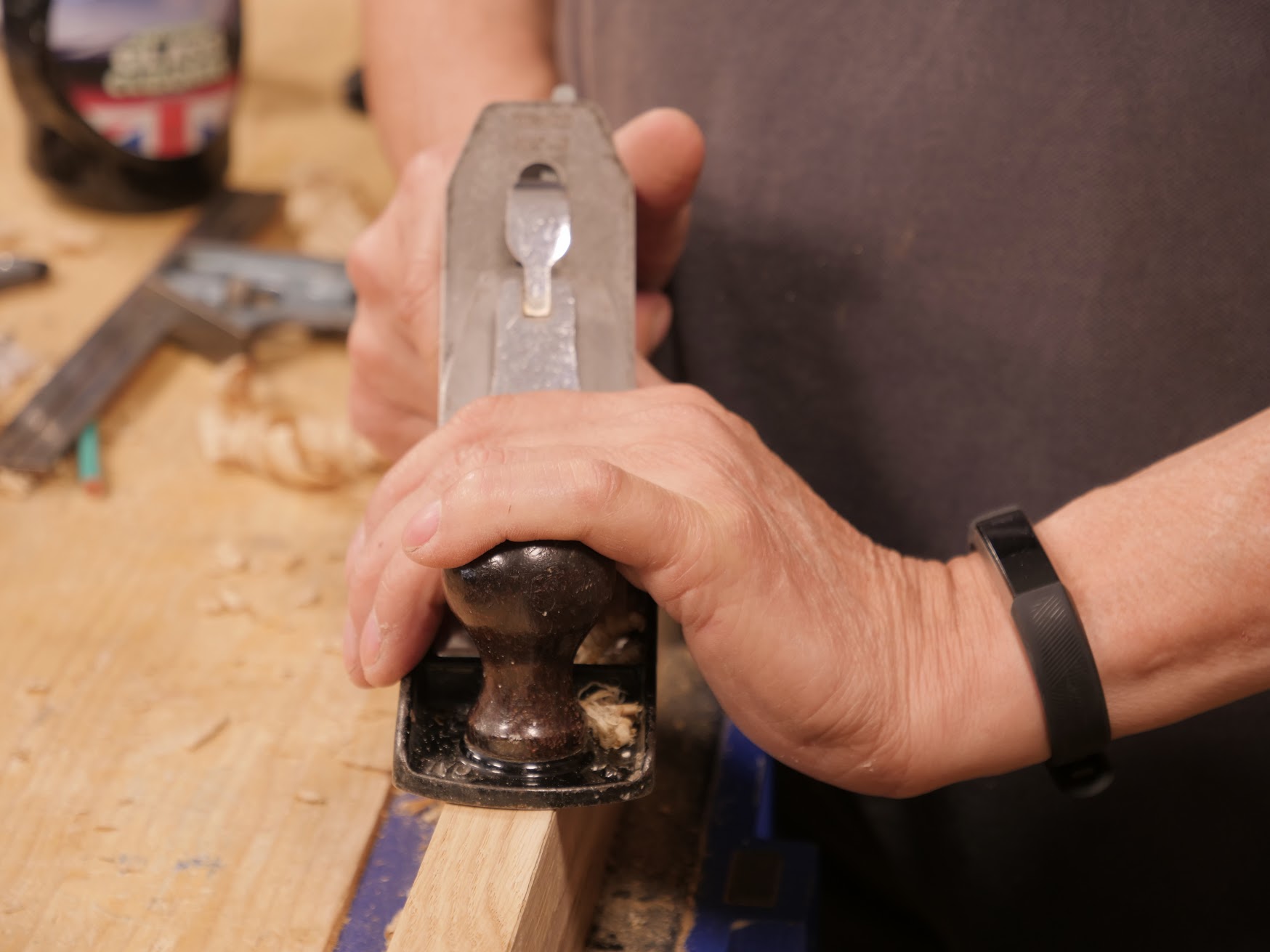
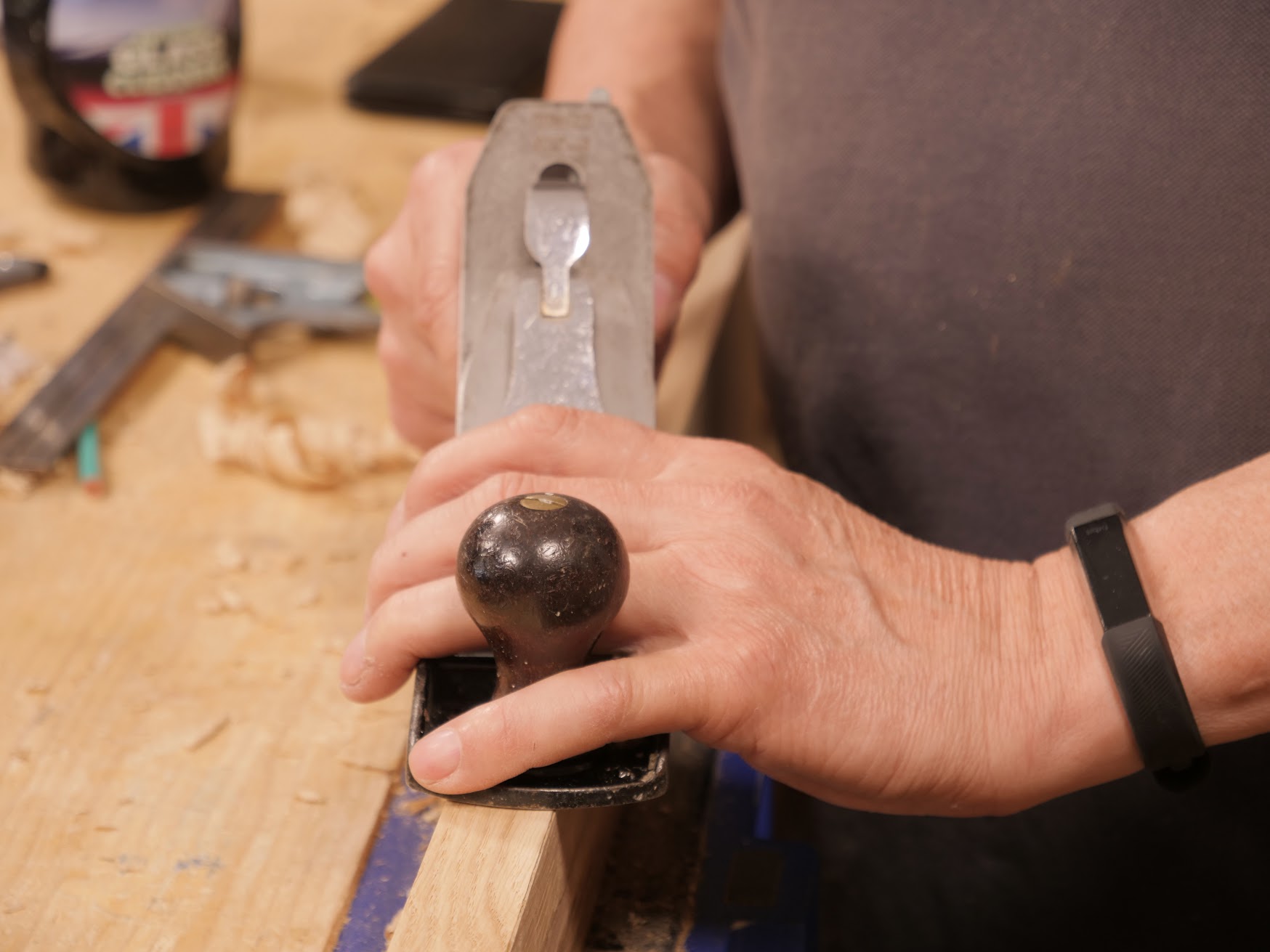
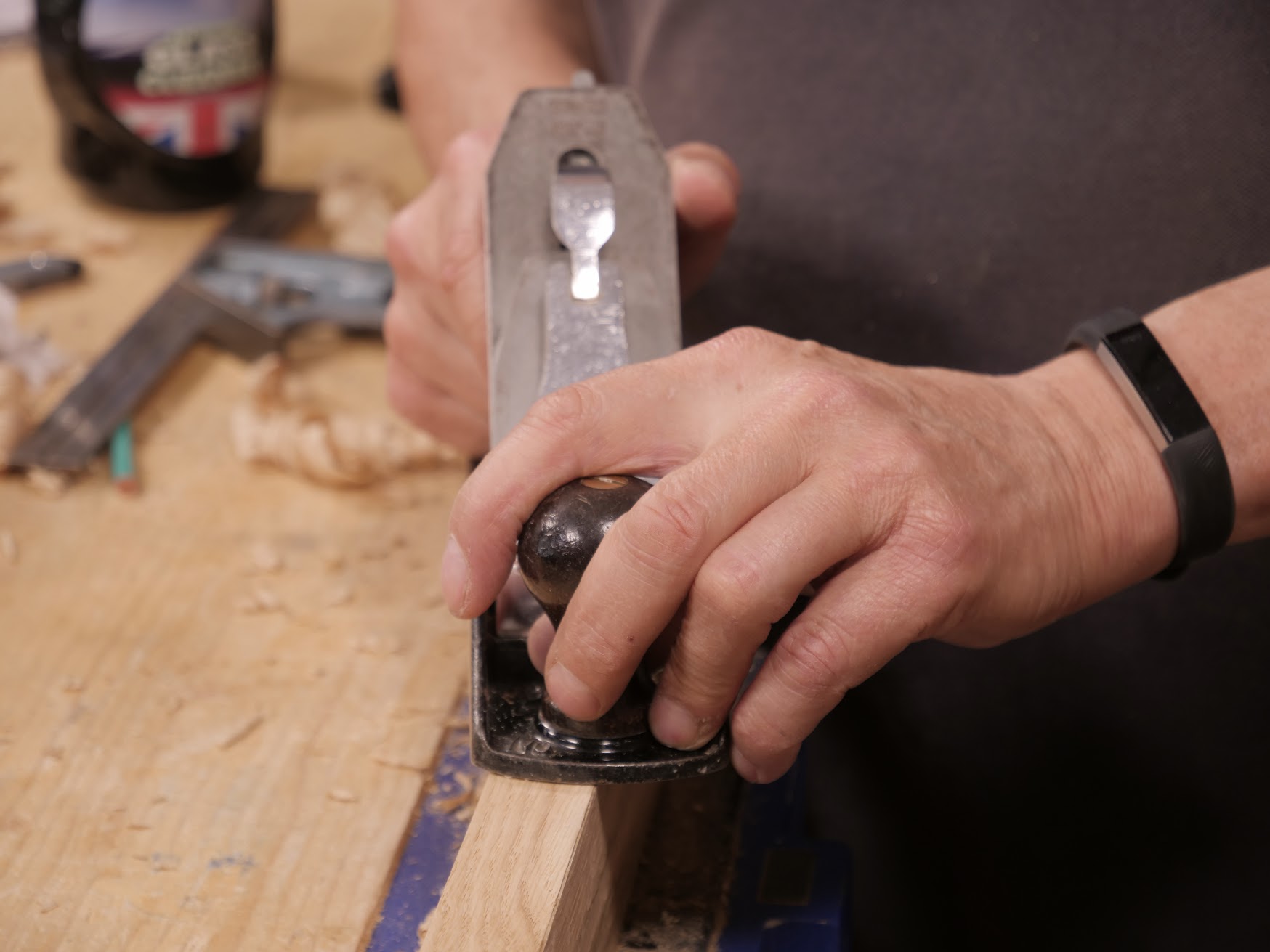
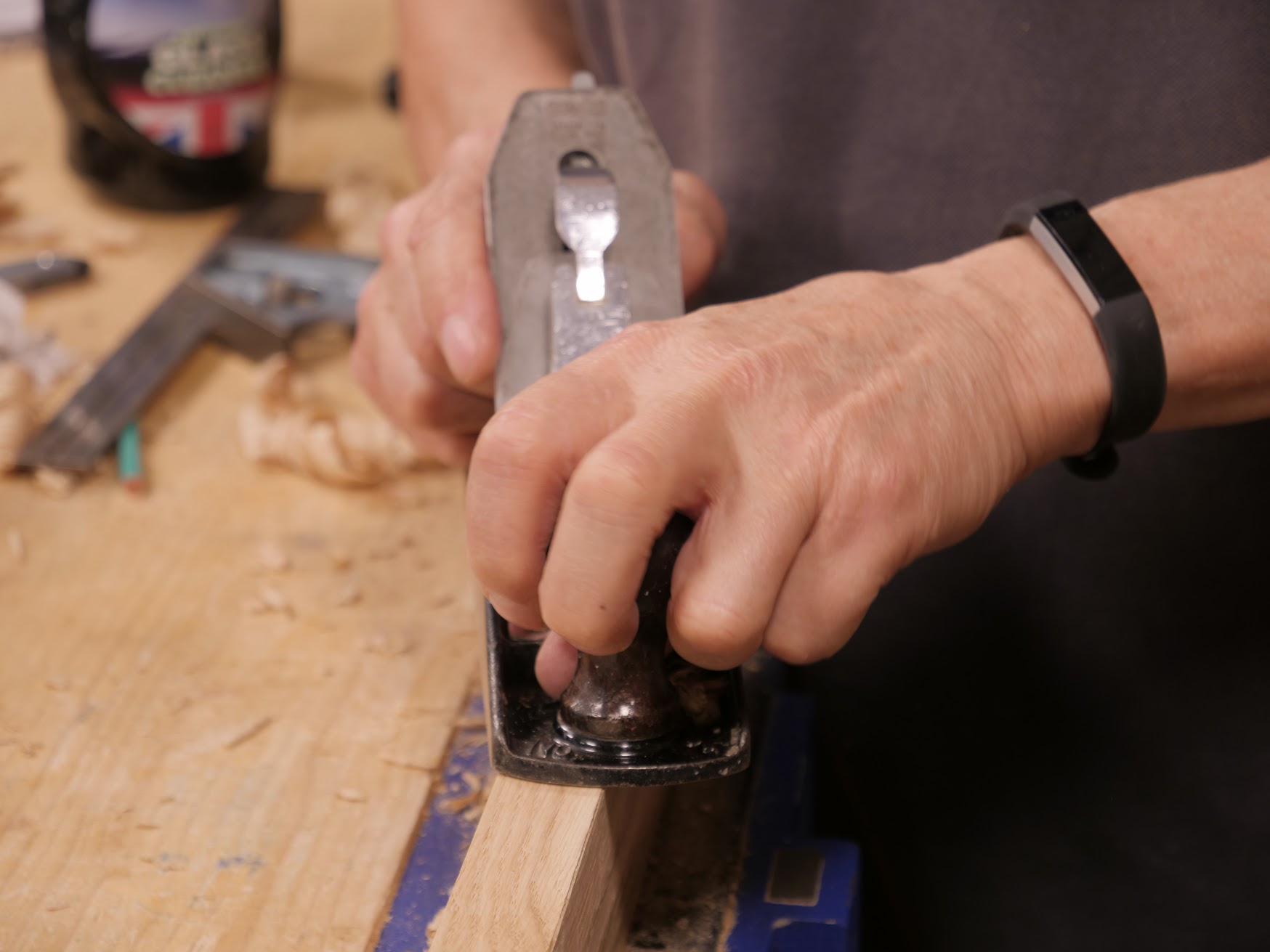
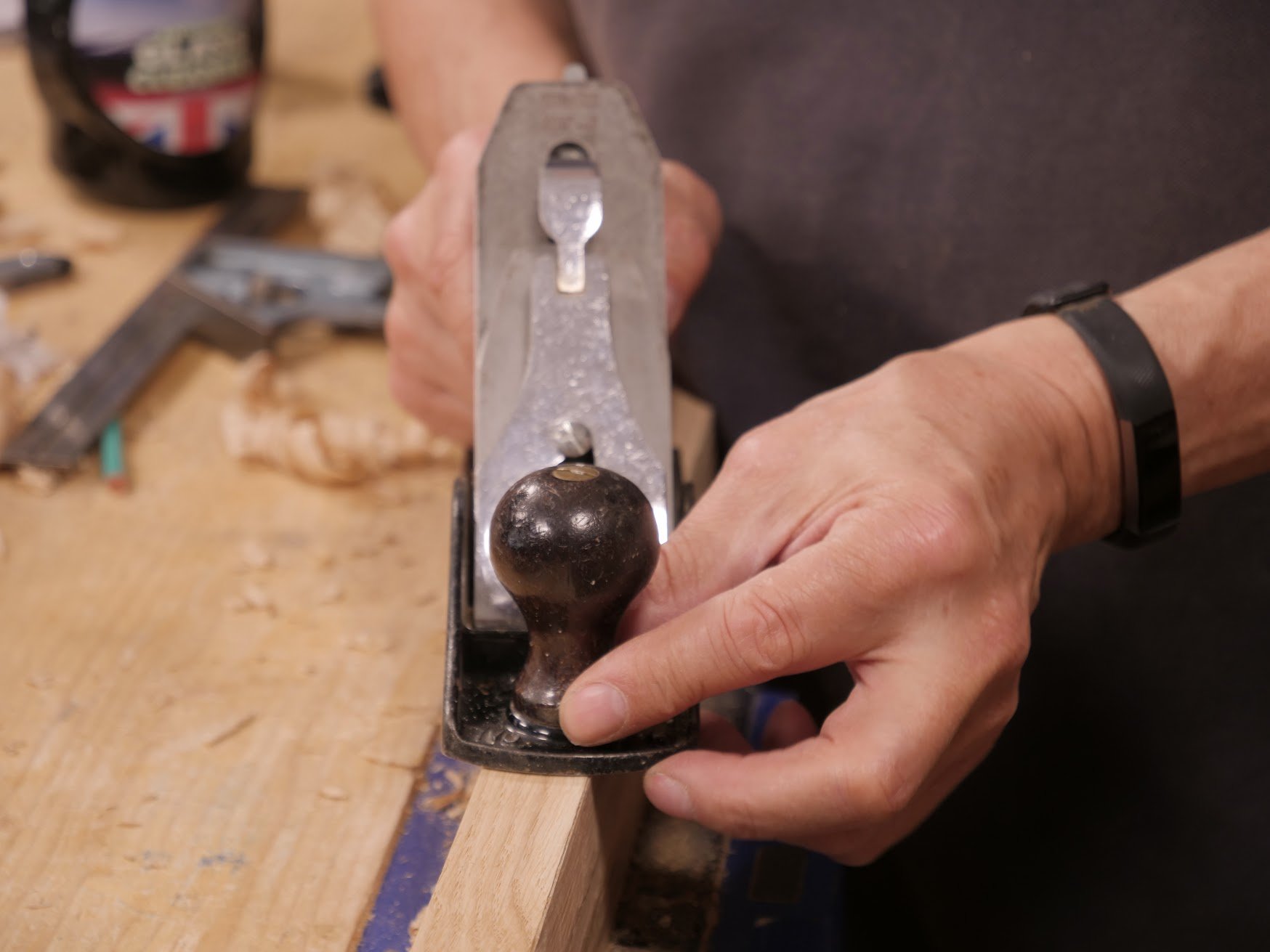
Returning to the real world at the bench with a box rim to reconcile or a sash window to level over in a quiet corner of the shed, you should consider rejecting the bulldog bearing down advice you've read of or watched in a video. Better to tell you the truth now. I watched a video of me going about my work the other day and I watched my hands change position a dozen times in the planing of that project. Rarely at all, if ever, did I have full fist grips on the fore knob or tote. My hands twisted and turned, lulled and shoved minute by minute as `i perfected the wood.
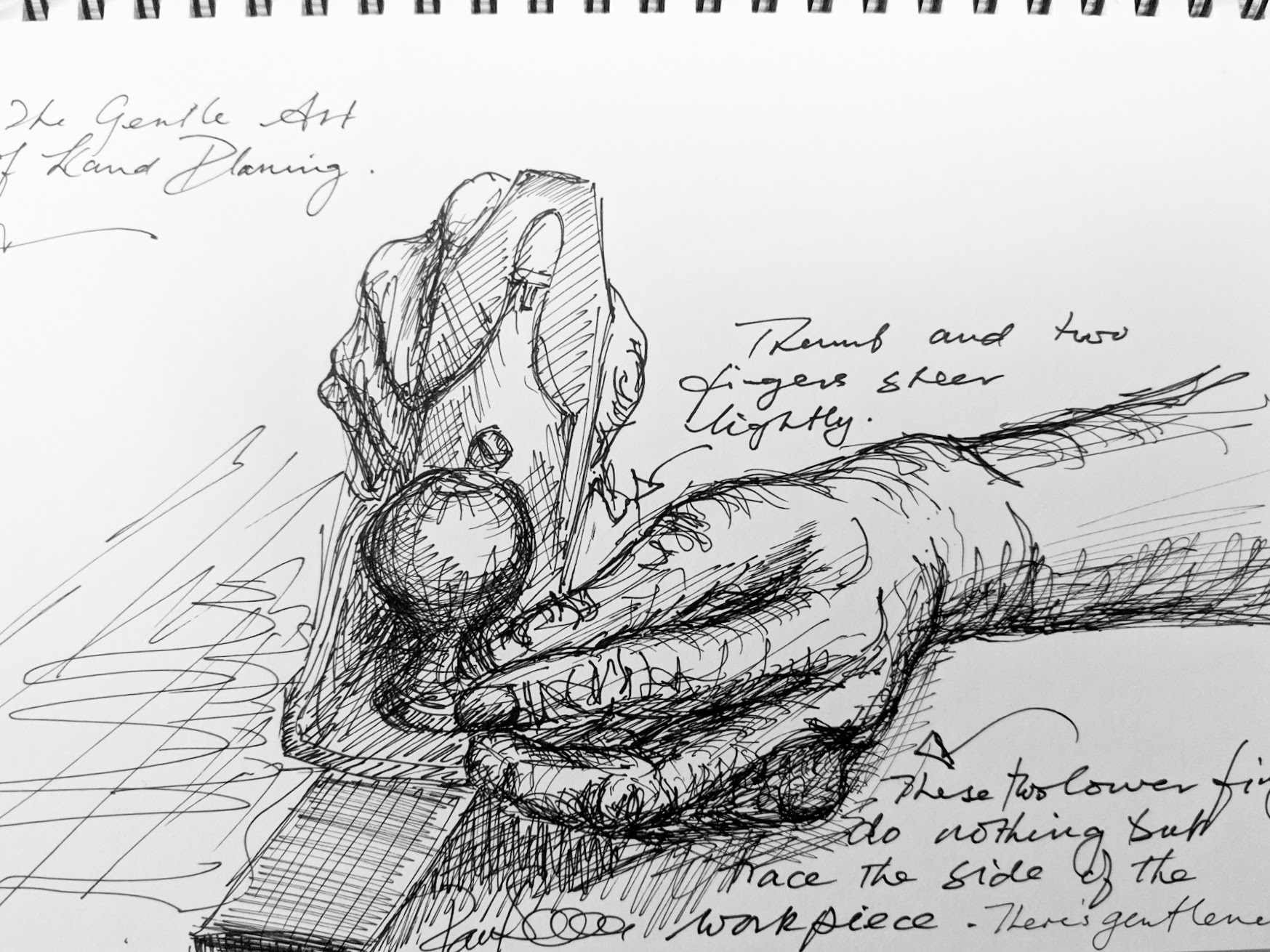
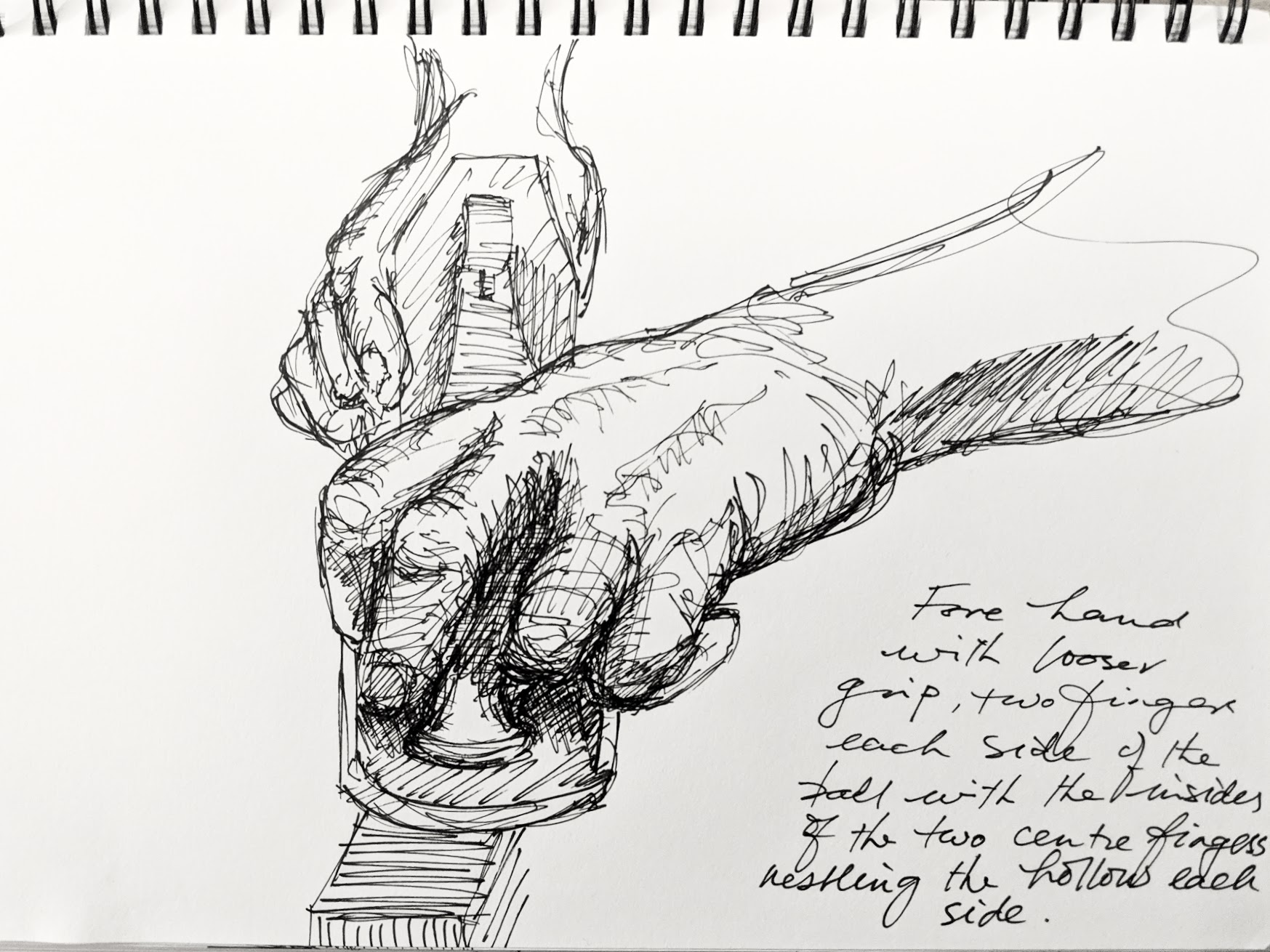
I made a video of the work in hand but here are some of the contortions I went through without my knowing I did such a thing. I replicated them as exactly as I could to help you understand that there is no one hand position fits all wood planing tasks. Here they are:
Comments ()