
Not All Planes Are Created Equal
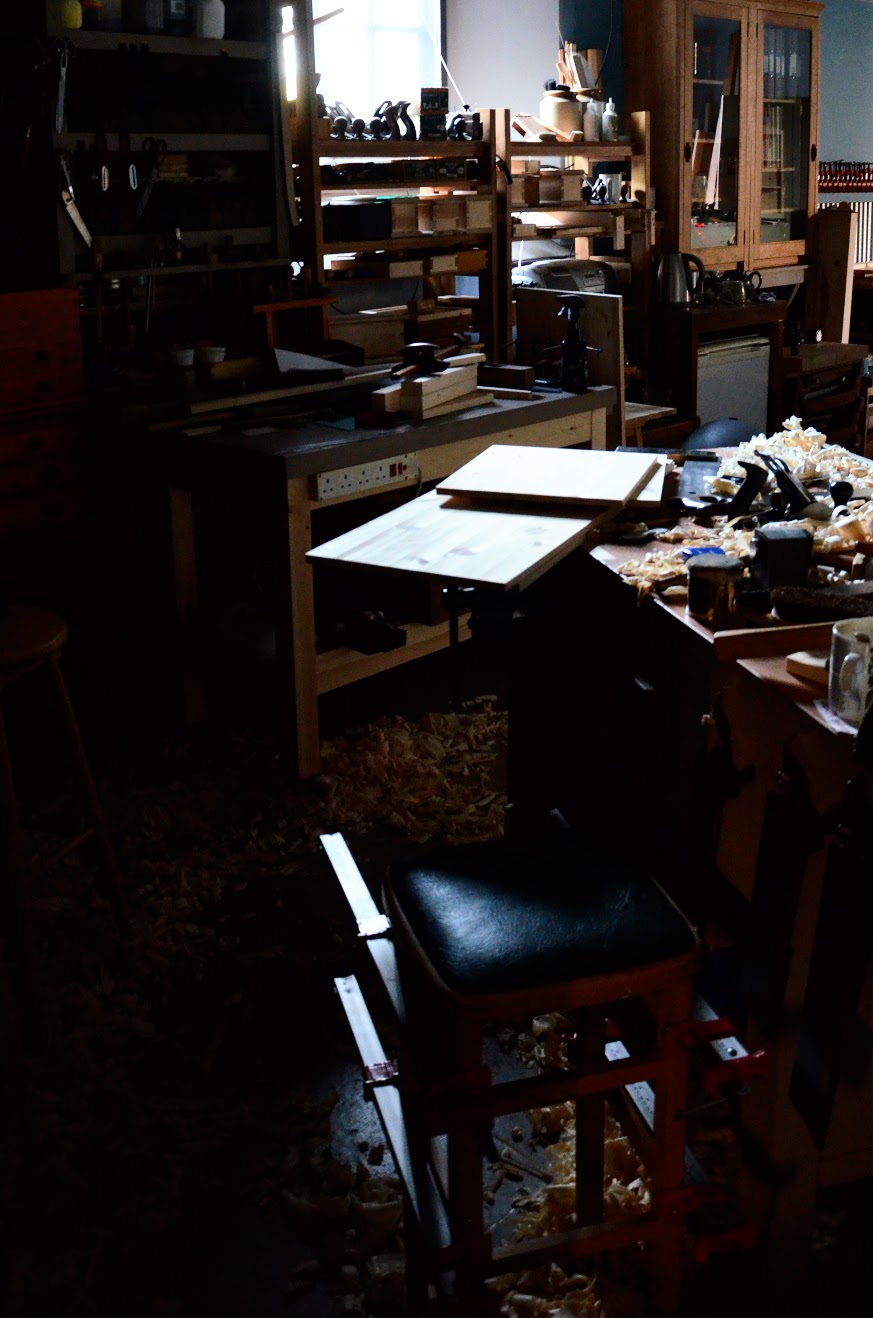
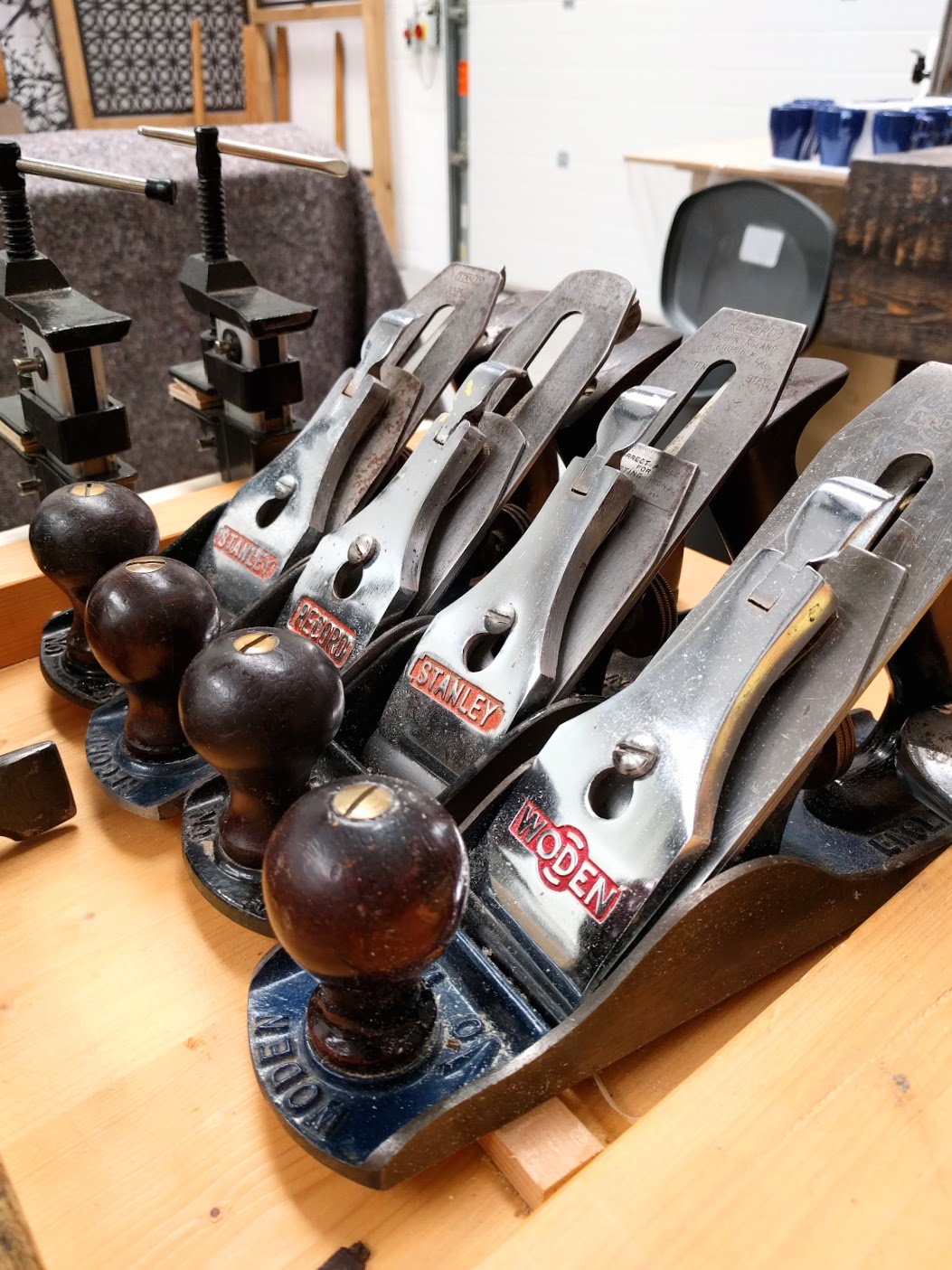
It's hard to say how many planes I've taken from rubbish-looking to fully operational models. Hundreds, I know. Unlike the modern day clones of Bed Rocks, where they are all equally well engineered and perhaps, dare I say much less characterful than their Bailey-pattern counterparts, each basic and feisty Bailey-pattern bench plane as in the #3, 4, 4 1/2 model smoothers, and then too the 5s and 5 1/2s, all have their own unique personalities. In other words, no two of these plane types in the same sizes, makes and dates of manufacture, are the same. Of course I am not talking about looks. No, I am talking about how they each feel uniquely different in the hand and on the wood. You would of course think that they were; that they should be; that I am romanticising, but, well, what I am saying is quite true. I've trained hundreds, nope, thousands of people to take their own version of the basic smoothing plane apart, work with the mechanisms to free them, fine tune them and then too to sharpen them and reload them ready for setting and working with them. I think it would be true that tens if not a hundred thousand people can do now this that ten years ago could not. No way of checking really. but I know there is now kindled a new and very fond affection for the Bailey-pattern and Bed Rock plane.
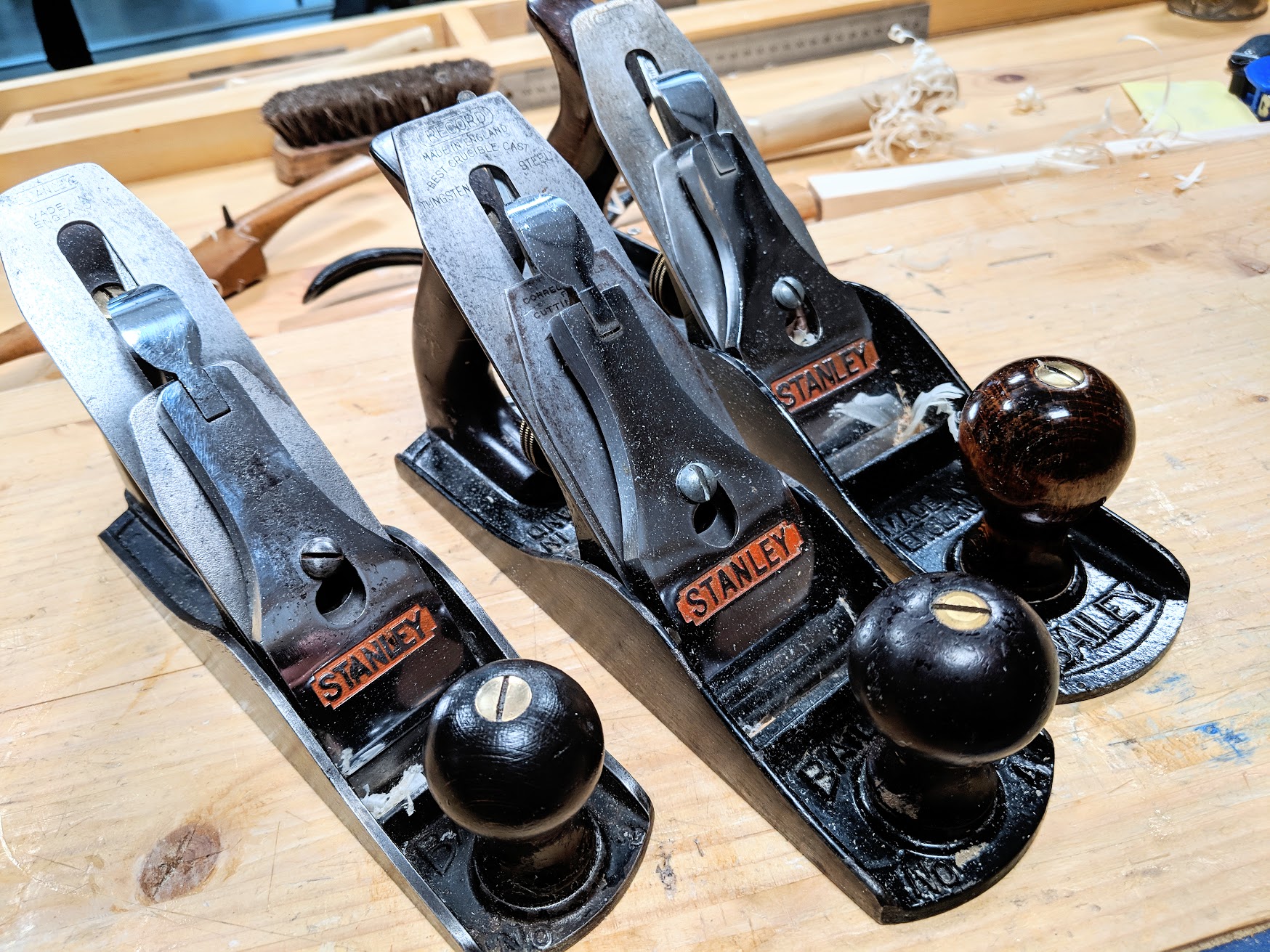
Over the last 20 years I have advocated that people pick up their version of these planes from secondhand markets like eBay, car boot sales, secondhand shops and garage or estate sales. You've done it and you are doing even as I type. Every week Carla alerts me to questions surrounding this wonderful bench plane. Every week I answer the questions and every week someone gets back to me to say at last they did it and the plane is working like magic.
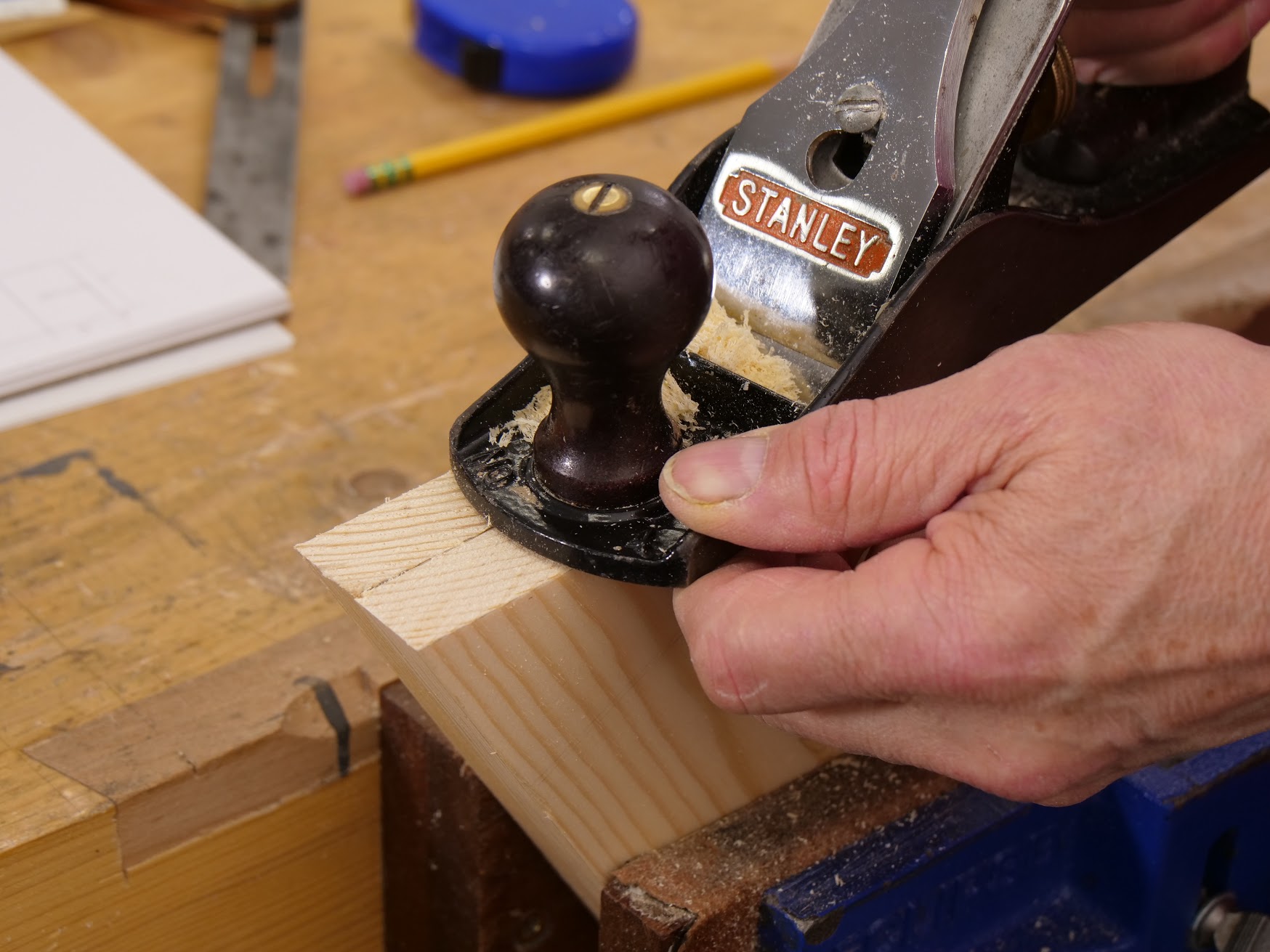
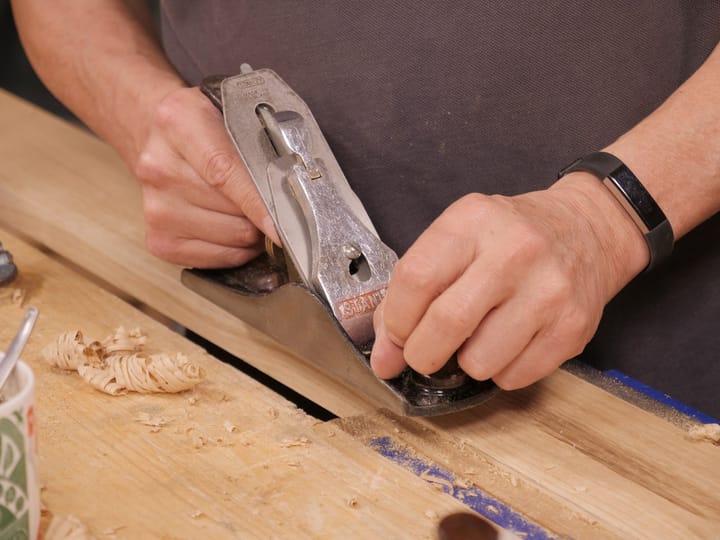
What's difficult via a blog, vlog or video, no, impossible, is to convey that planes are something we don't just shave wood with but something we sense and feel the wood through. You see every single Bailey pattern bench plane responds differently to the wood and just as there will be a thousand different feels with a thousand different planers, there are a thousands different grain structures and stresses in a single species of wood. Combining this reality, the response we should have to the planes is to accept its personal idiosyncrasies as individual characteristic personality. You will no doubt get the same results from twinned planes running in tandem or inline, what you don't get is the same feel. This I learned when I was a boy. Not at first, after a year or two. If George said, "Go ahead and take my plane to that, it'll be quicker." I knew though his plane was identical to mine, it felt very different. In the schools I have established and run through three decades, where I might sharpen up 40 planes and set them up and test them before the students came, they all felt uniquely their own. These are the things that still fascinate me about working wood. These are the things I write about because of my fascination.
So where are we in our relationship to the bench plane?
What still astounds me is the perspective people have about these tools. Most often people do fail to see the individuality in each one made even though they all go through the very same mass production methods all the way through the making process. Often people fail to see that along with the nuances of the individual planes there are our own personal nuances developed as we grow used to a particular plane too. We become infused with a subtle power that enables us to become highly sensitised to every aspect each of the planes we use. The more we use them the better we understand them and the more we become attuned to them. It's as if we see their secret innards interplaying with one another in front, behind and side by side. Eventually we are able to minutely tweak the settings purely by touch and without seeing and looking suddenly the plane is performing in the same way as a violin in the hands of the maestro. Whilst these planes have been turned out in massive volumes over the last century and a half, it's the interplay via the various linkages that makes for the individualism I speak of. Leverage and friction are really the key players mechanically, but then there is the flex of muscle and sinew that actually compose in sensitivity to the wood itself. The more you work with the plane the more it becomes a particular extension of you in your work.

Comments ()