
Why a Garage Workshop Beats a Castle Any Day!
I am currently taking possession of my new garage workshop. The brickwork's dried out now and snagging is all done. Having moved shop for the umpteenth time, both on larger and small scale levels, this feels as though it may well be my last workshop. Since my last making to sell in the USA ended my commission work I no longer make for work but the garage workshop is a workshop I could readily make and sell from. Were I to return to my former maker days selling spec and commission pieces to support a growing family I could make every piece I ever made from this new space which is roughly 3m x 5m. I need so little by way of machinery. I use hand tools in my work and that won't change now. To make all the things I've made through 50 plus years has been a wonderful. It's kept my mind alert and my health good. I no longerI have to prove anything to anyone, my work is well proven. The multiple thousands of you who have followed and known me through the years are no longer mere spectators but practitioners of my craft. This is how the craft is being preserved and it's being well done in garages just like mine quite well enough thank you.
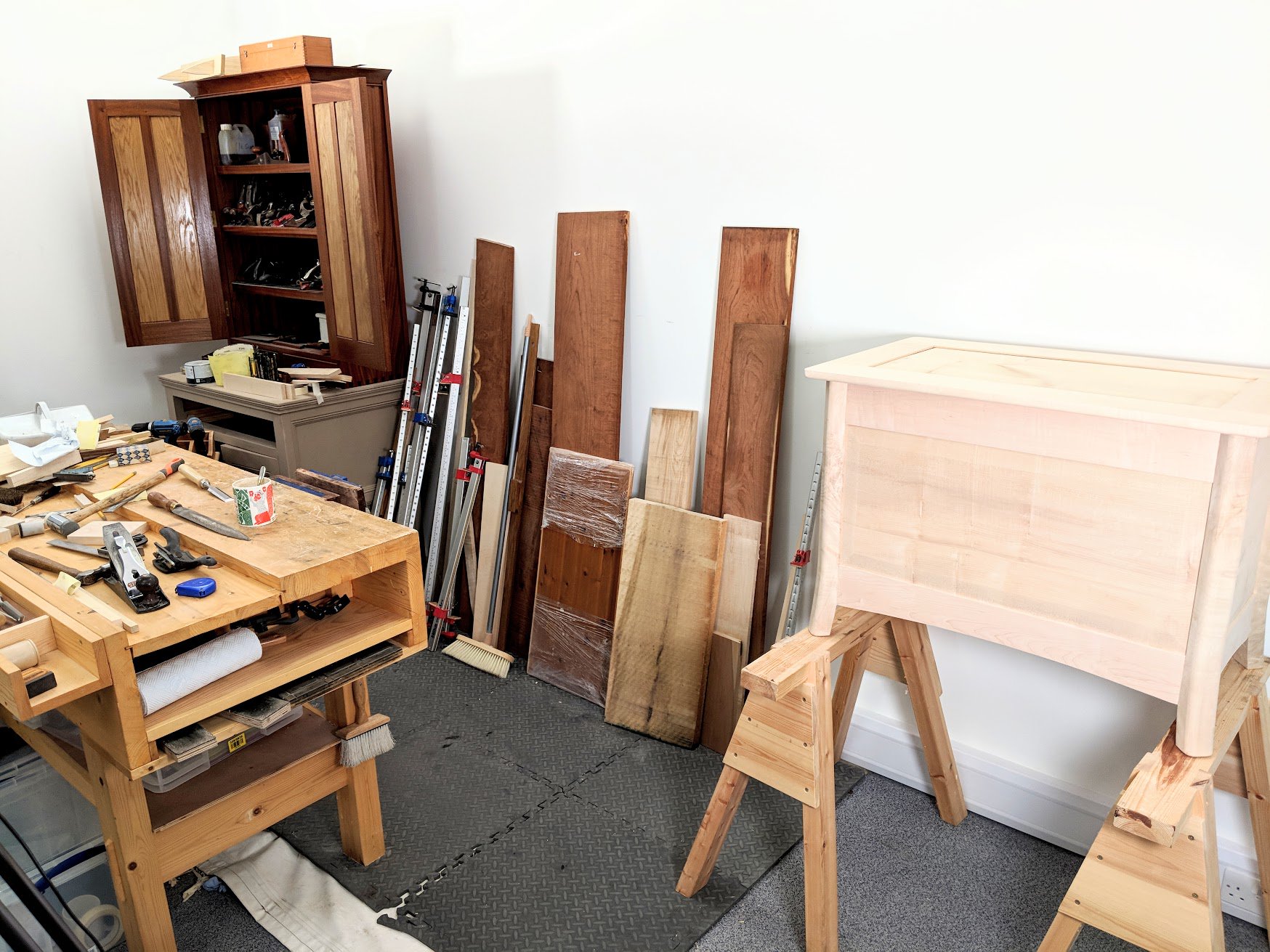
Knowing that this is what the majority of you have told me you have to work from, it is fitting for me to lead you and others along a similar passage. Unless you are commercial maker, something I never considered myself to be, or worse, a professional, also something I would never consider myself to be, you need little more than what I am showing here for a new and raw beginning. You should not expect any more nor despise it. In reality the actual space you need to perform physical work in is about 3m x 3m square and with roughly 2.8m to 3m headroom if possible. I've worked in two metres if headroom and found ceiling height the bigger issue. Any additional room is mostly for stowage of equipment and the storage of materials such as wood, finishes and ancillary necessities. So keeping the whole thing real for the majority is what my life is mainly about. I want real skill, real work, real hard work, real effort and all of this throughout my every day. I never needed the Castle workshop nor in particular a teaching facility to make my furniture in and yet in some ways, many ways, this workshop feels like my castle, my classroom and my garage. My happiest days have been making in my garage and that's what I feel talking to you this evening.
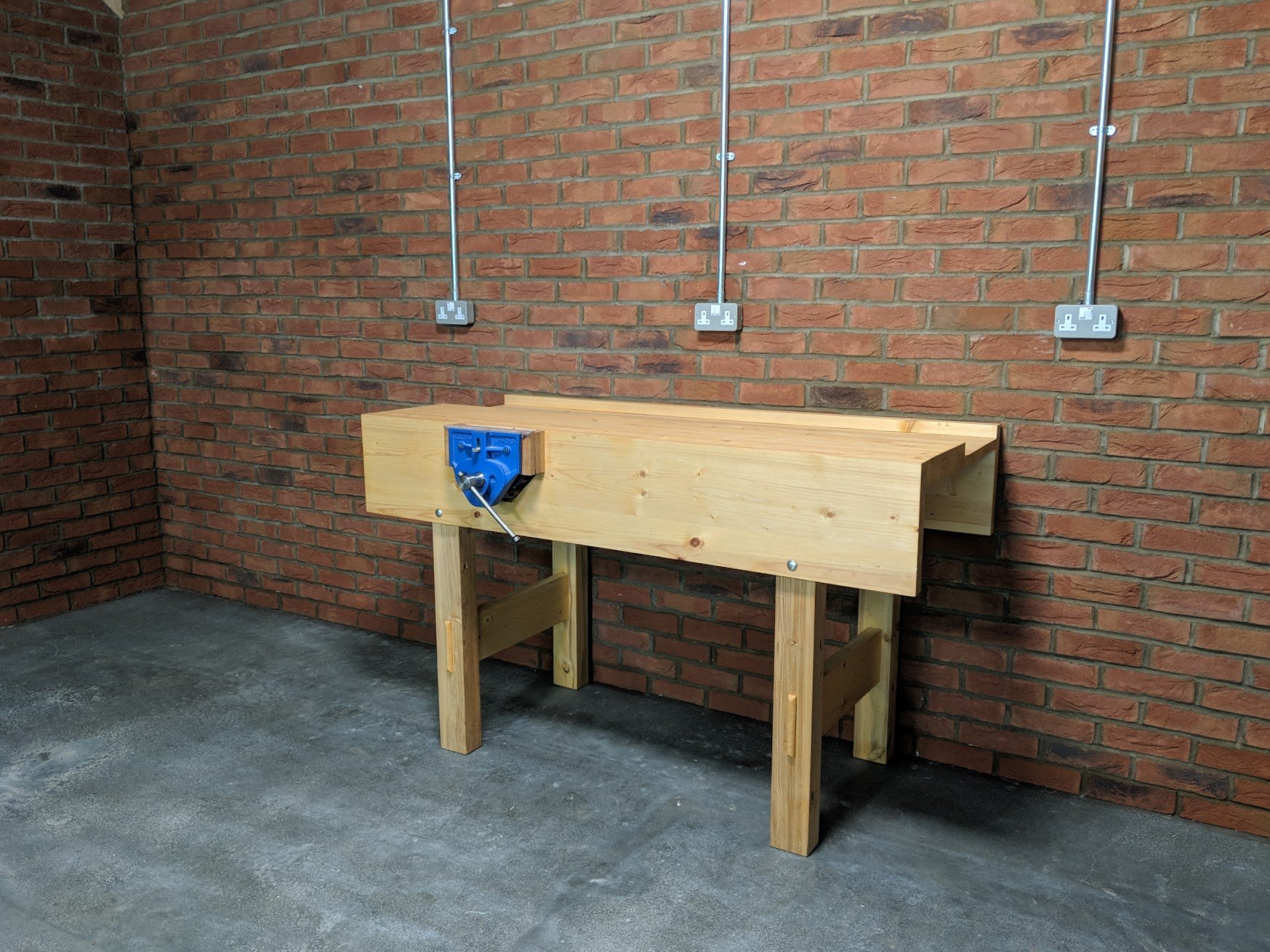
Some of you have expressed concern about the garage looking lonely and so too my workbench and even me. What you usually do not see is the hundreds upon hundreds of emails we receive expressing deep and sincere thankfulness for what we've been doing to prosper others in the craft. There's no quick, slick talk, no sponsors and no sales pitch either. Telling people to subscribe is our way of telling others to find a simpler form of success. People follow us to learn how do it, make it, finish it. They want the skills I have owned for decades; half a century and more. You don't see what I now see from my garage side of my workbench. I see half a dozen unique young people beaming back at me as we joke back and forth during the workday. They've got ideas and skills to make my work easier as I grow older. They have vision and purpose. Sometimes, often, I think I am dreaming.
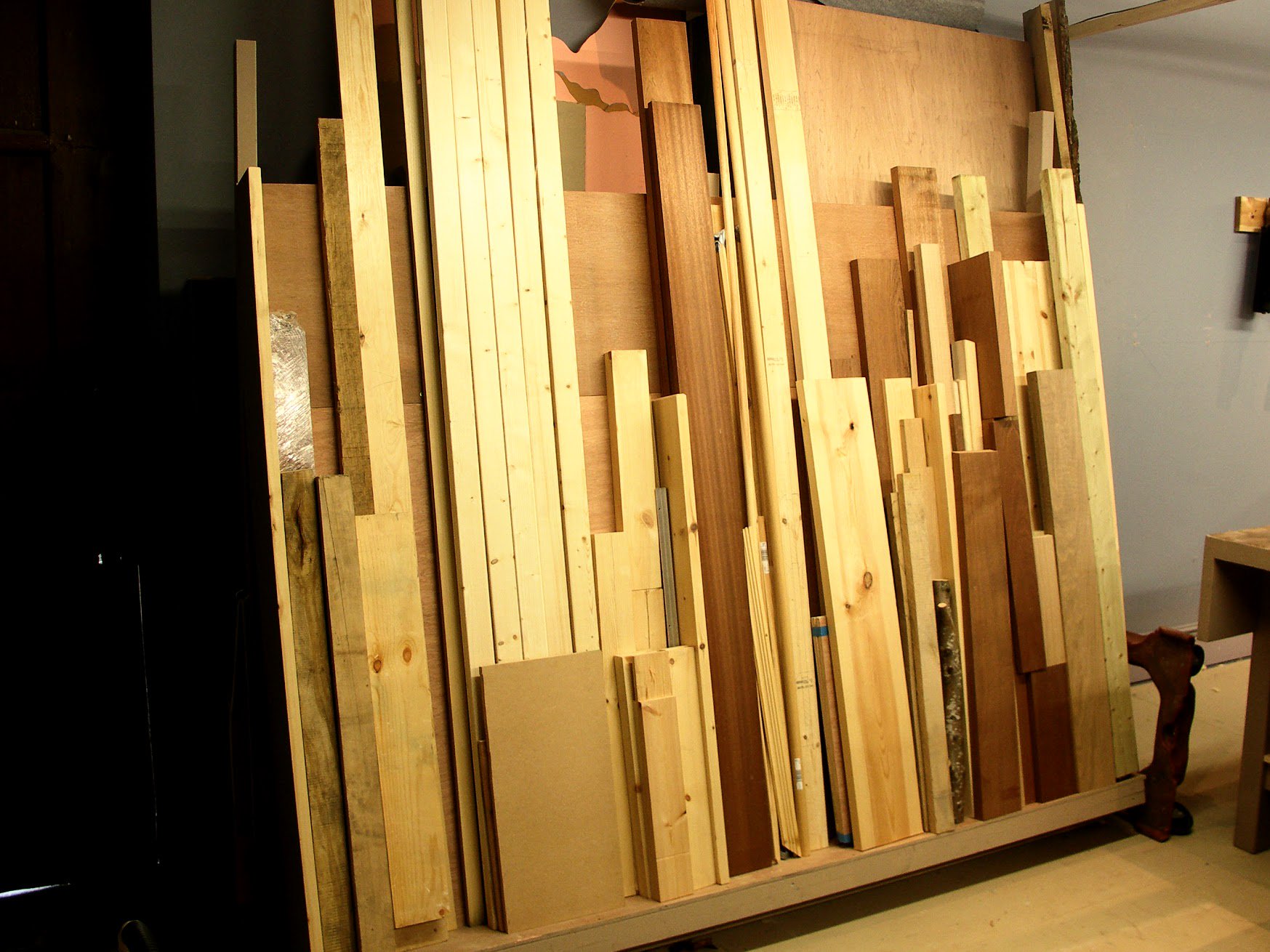
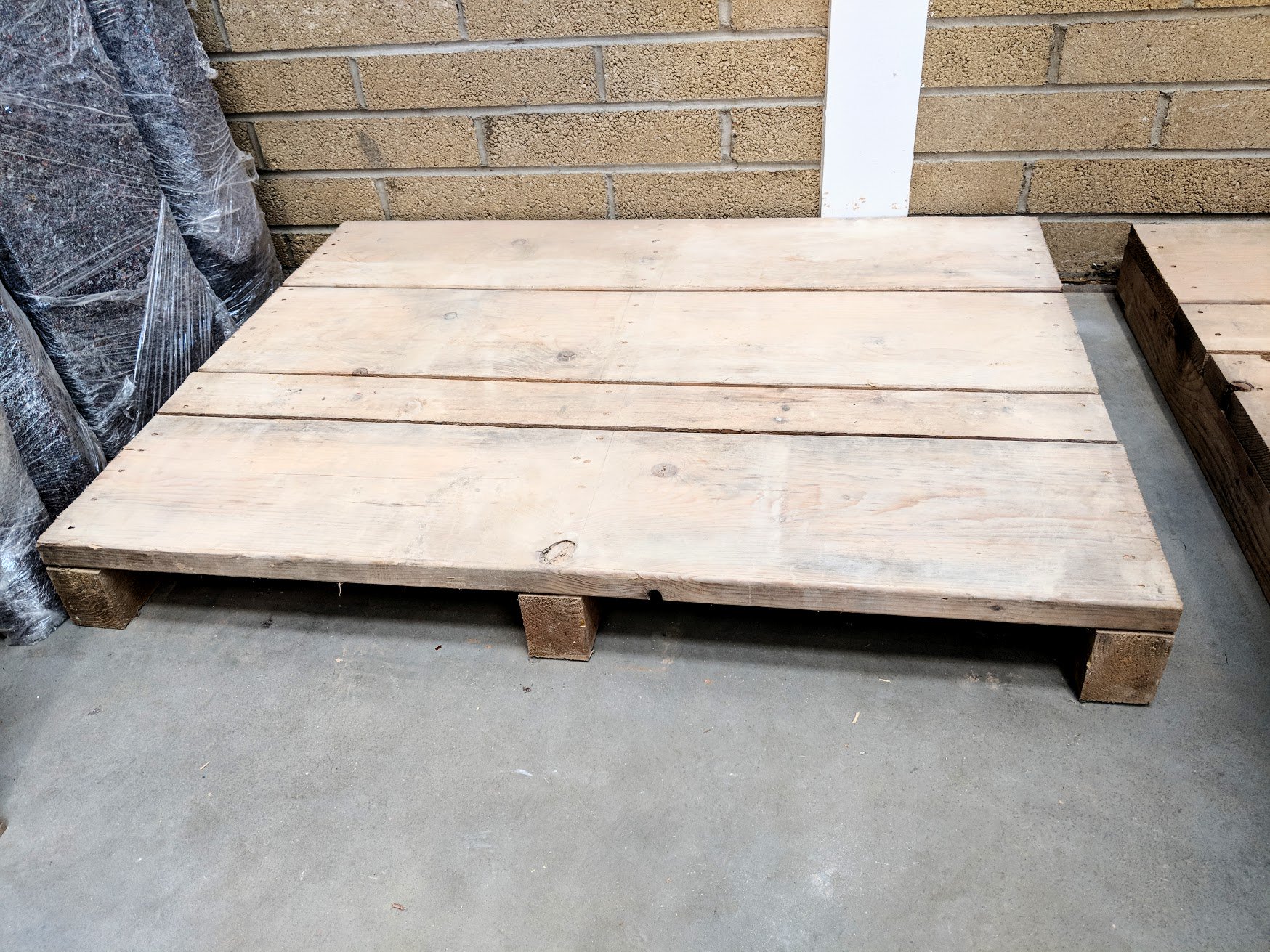
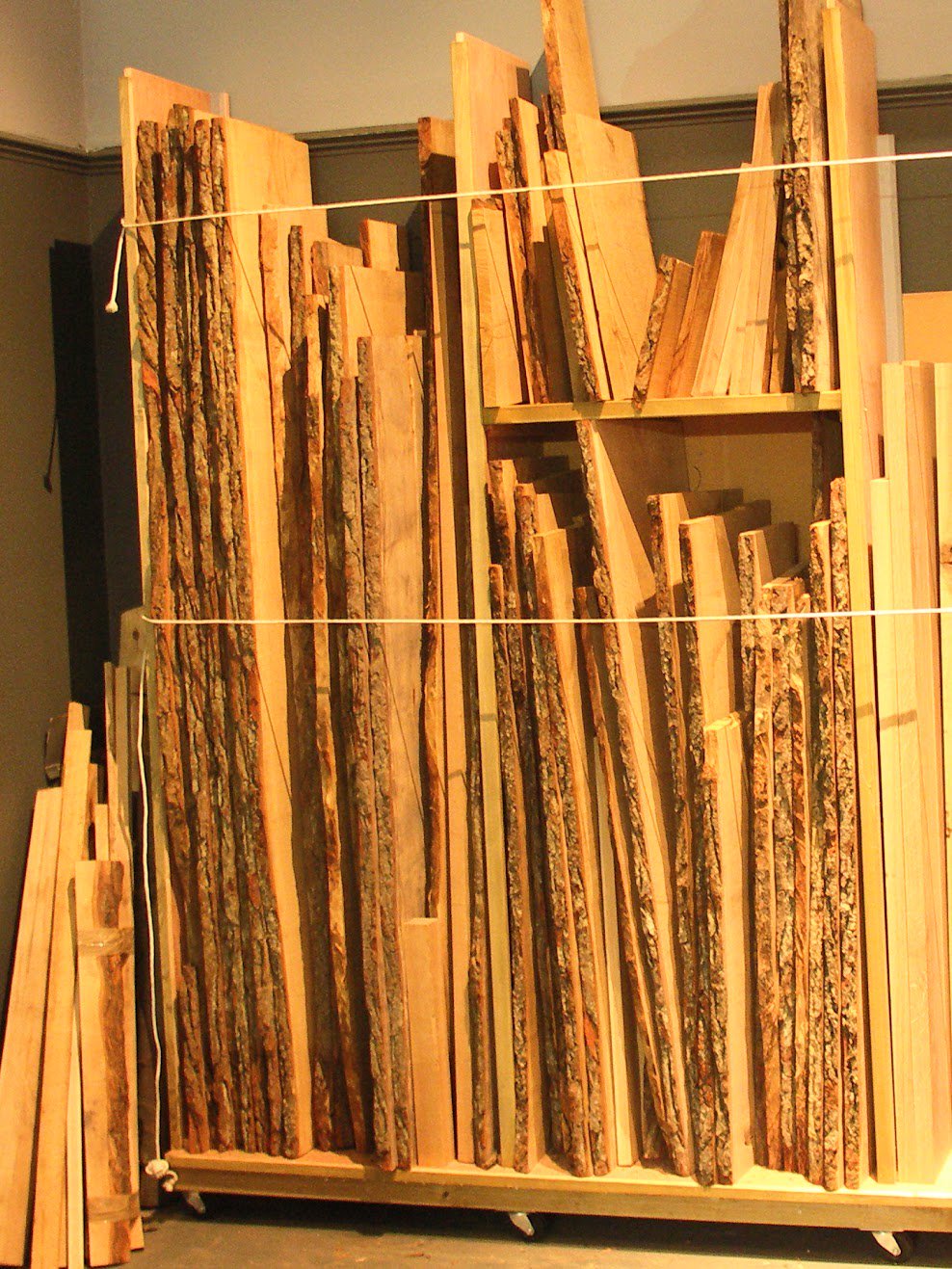
As it is with most woodworkers, I keep wood in stock. Not a lot, not too much, about enough to pick through when I am ready to start a new project. It's good to have a project in mind and buy ahead accordingly where possible. I have always liked to keep the wood around for a while before I start working it so that it can acclimate to the shop, releasing any excess moisture ready for the drier places it might end up in when the piece is finished. Generally I am talking about good wood I have bought or had milled for my work and not say pallets. Whereas recycling pallet wood has merit, I've yet to see something truly lovely made from the wood. Mostly it makes us feel better to become more nonsumerist to use up what might otherwise go to a dump or end up as only fire fuel. Perhaps I should set myself the challenge to prove myself wrong and make something lovely. That's not a bad idea. Most of what's seen made from pallets is unskilled workmanship commensurate to the material. But I have seen somethings made from unjointed, screwed together functional pieces that, well, I quite liked too. Anyway, no matter, I have kept some pallets through the years and put them to good use. When I look at a pallet these days I look mostly for clear grain and find it without spikey knots—wood that can indeed be worked with hand tools like handsaws, chisels and planes. I recently found some heavy pallets to stack my stuff on too, for transportation needs in my moving palletised furniture pieces and then for temporary and permanent stowage. These were the rarer good sort of pallet. Not pretty, just stout and not throwaway stuff. Surprisingly a recycling wood outfit flung out these pallets for firewood so I grabbed them and repurposed them. With none of the usual gaps associated with pallets and solid two-by stock and 4 x 4 bearers it was a no brainer for me. Hannah and I have worked in some odd days to try to bring order to such a mass of things. Pallets are ideal if you have a pallet truck to move things around.
Wood storage is often a serious space issue. how do you throw this or that piece away? How do you keep it? What gets burned and what's a keeper? It's not just new wood that's the problem but more the overage via offcuts. Is there a system or a rule? A rule of thumb, maybe? Whereas the wastage by large companies is excessive and really inexcusable, when you work for yourself you acquire too many offcuts you know you may well use sometime down the road. The issue then is exacerbated by the reality that you are indeed constantly accumulating them with every rip or crosscut you make. Mostly it is not extravagance, just that you must buy wood longer than you need by a couple of feet. What to do? I have a found a charity developed to help people get back to work in and around Oxford. I deliver my scraps and offcuts to them and they use them for making projects they sell. It's good wood, not rubbish at all. I feel so much better doing that.
I have never been wasteful with wood. Offcuts from an ash tabletop make good cutting boards, wooden spoons and spatulas. In times past my offcuts meant good cash flow. A shop with an open door policy meant sales to tourists looking for small mementos of a vacation to the region. I have sold thousands of cutting boards that were beautifully made and finished. Some were freeform, some rectangular. Each one was eyed for shape and uniquely individual. If you don't want the open-door invasion, pack them up and sell them through the local deli or farm shop. Local people and tourists like to support local artisans even when the product is twice the cost or more than from the chain retailer.
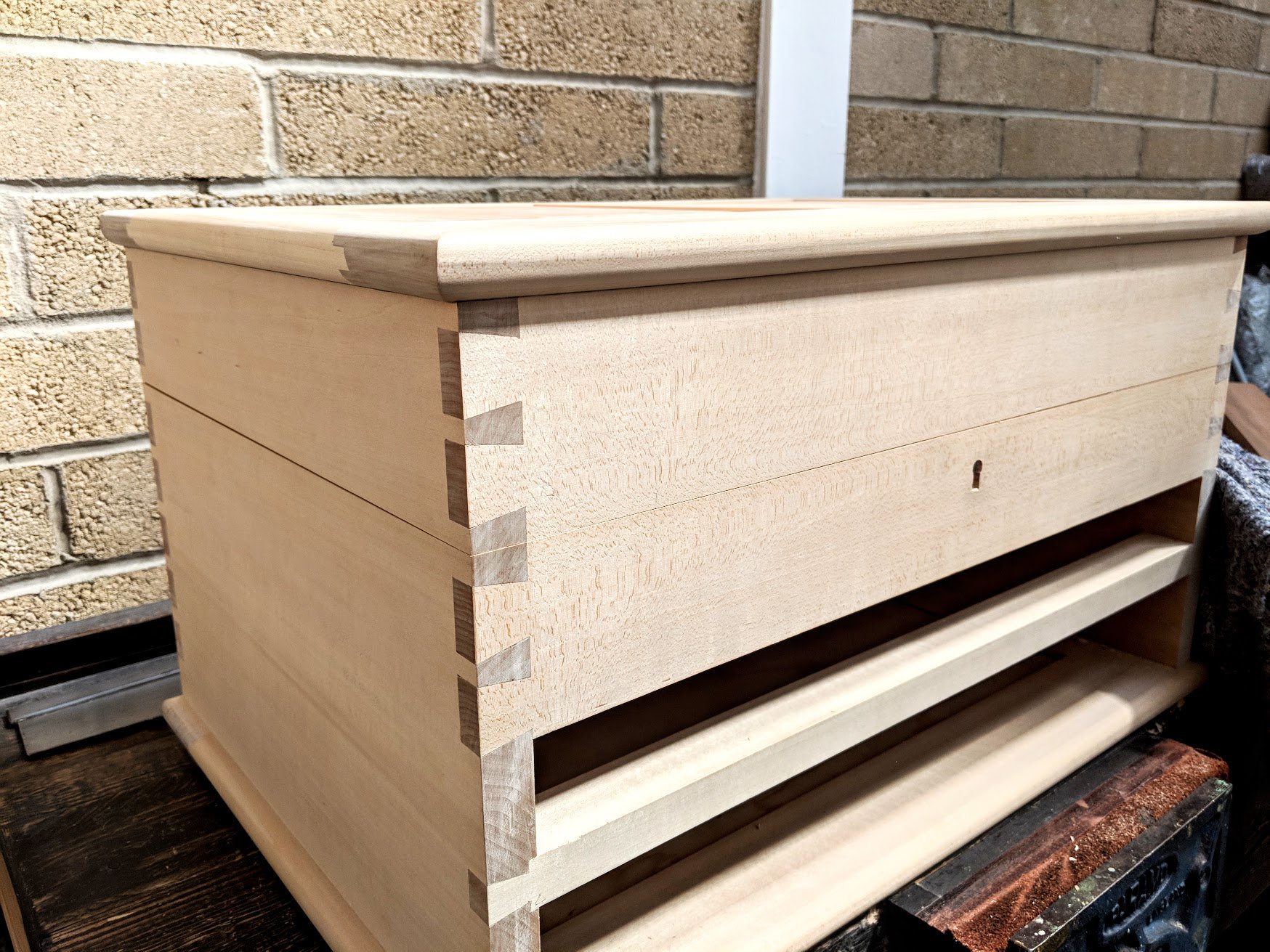
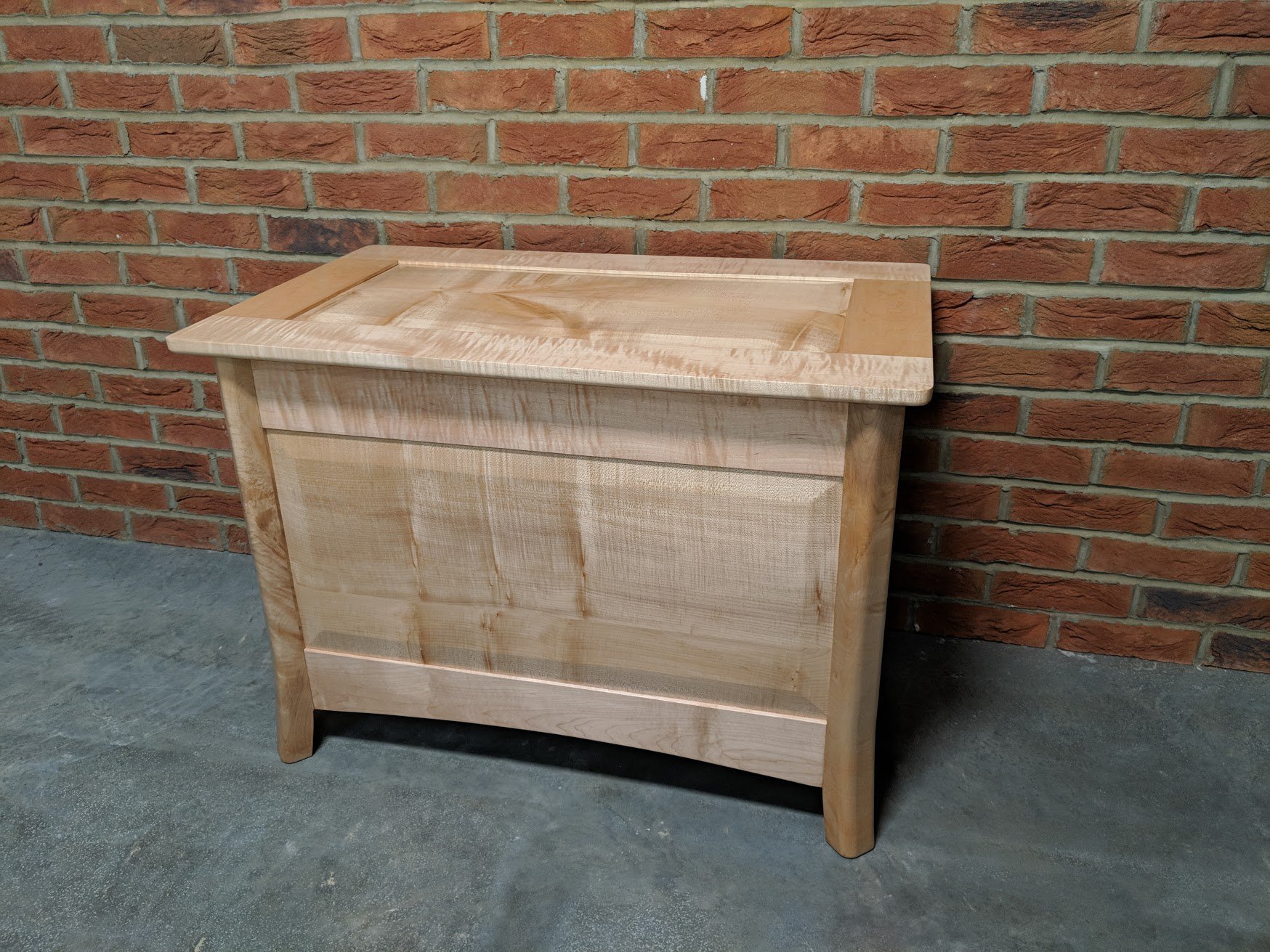
Donating my surplus to a charity training provider, social enterprise or community interest business has been really great as helping people get back into the workplace through a safe and nurturing environment has become ever more important to me. By making saleable products to support the charity they too become self sustaining. In my own background I am looking at more work with other organisations to train their mentoring teachers to teach and train the methods I use. Who knows how that will look down the road. Teaching teachers is something I feel is important enough for me to invest in be that my time to teach or financially. It's something I want to become increasingly passionate about. It's about restoring good health to others. I will keep you informed of the developments as we move some of that forward. I will be speaking at more venues on this and my experience working with people has made me aware that there are a lot of caring individuals out there.
Your hand tool workshop is where real living begins. All else is just an alternative unreality. That's the way I have always seen it. The more you do real woodworking the more real it becomes to you and your family. It's something also great to talk about with friends at work too. They will be surprised when you tell them what excited you over the weekend working in your garage.
Comments ()