
There's a Book You Should Read
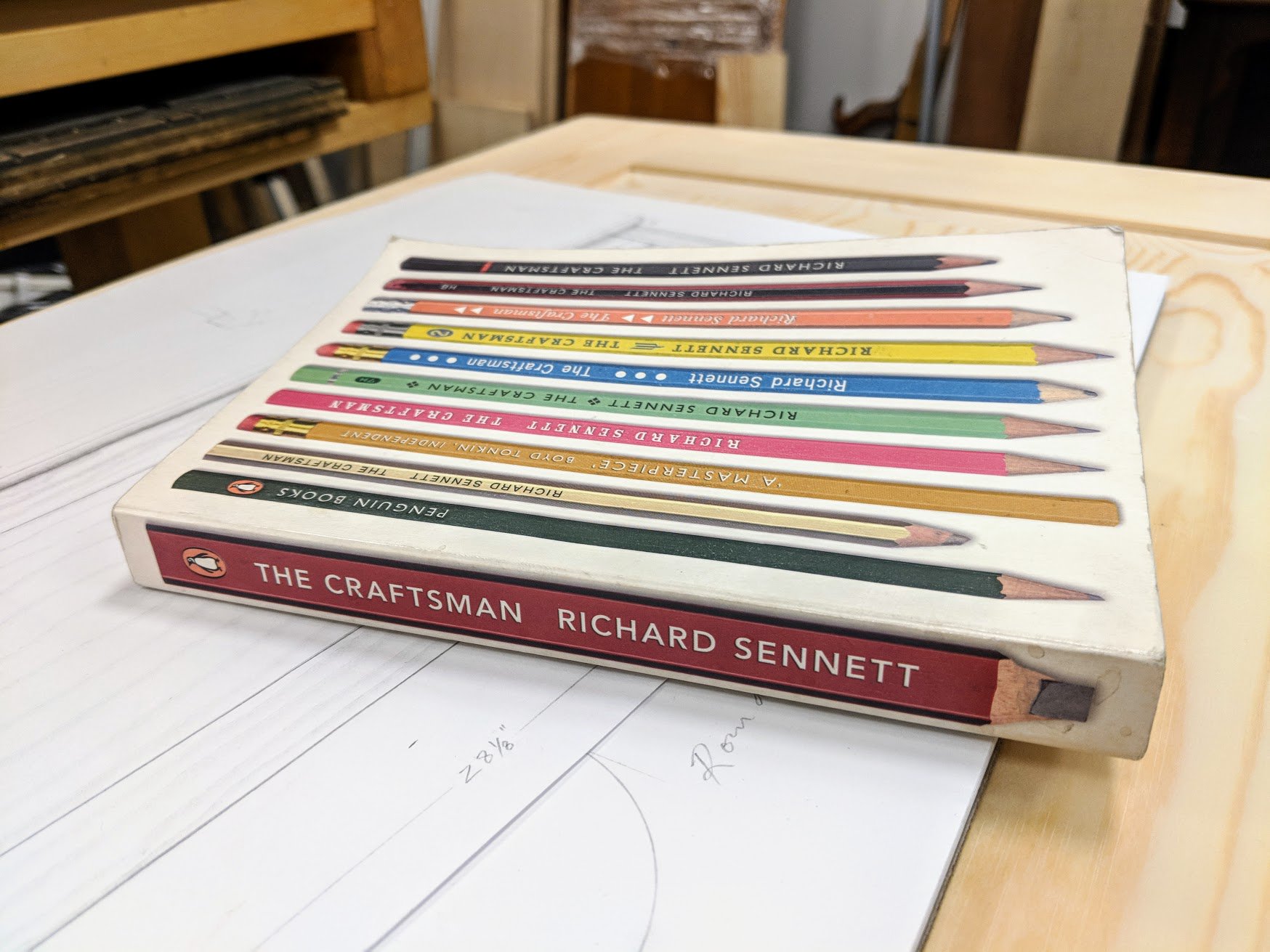
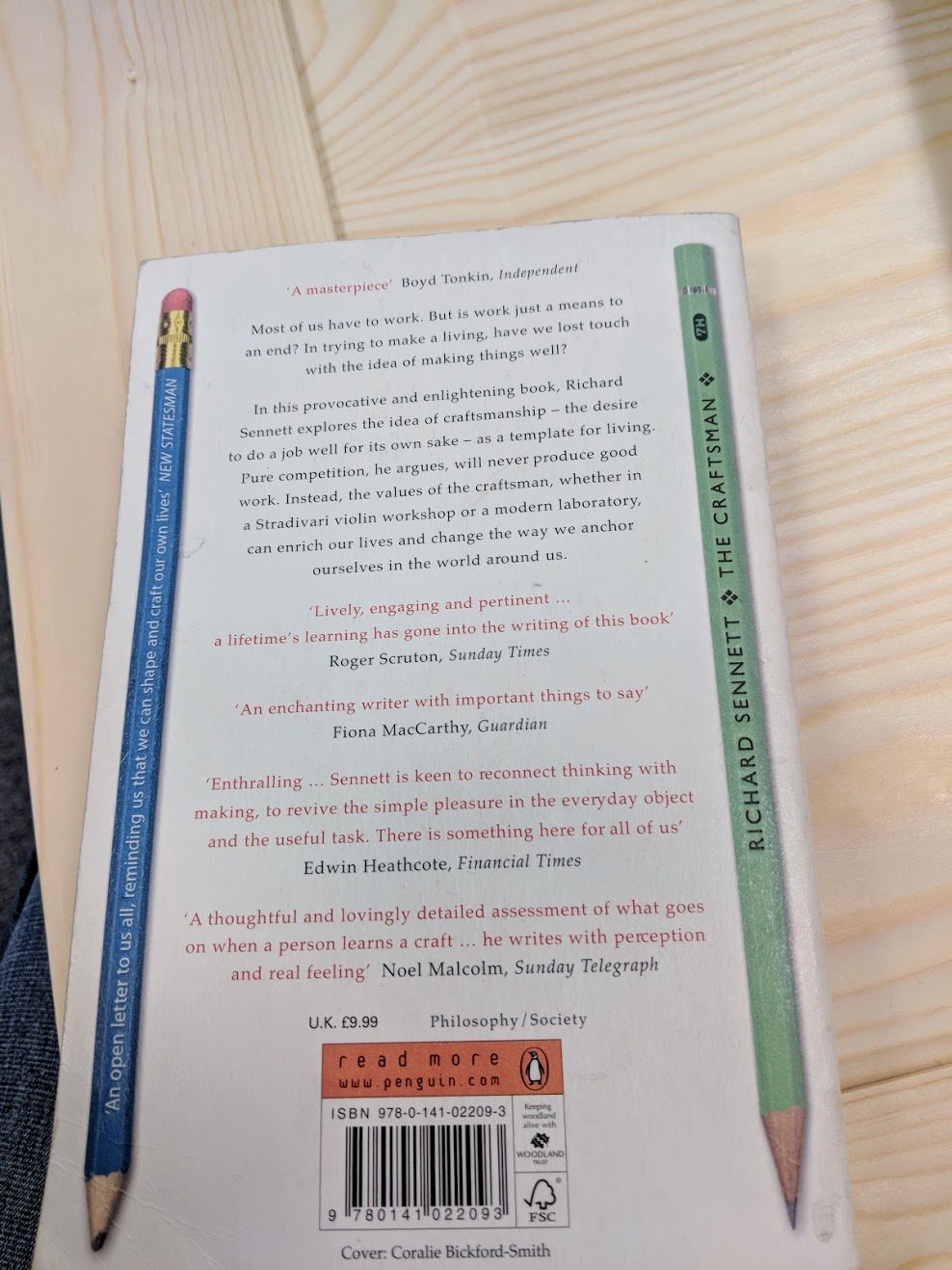
I've written so much on how I feel about my work, how I chose what I chose as a way of life, why I work the way I do and do what I do. The way I do it is not mainstream any more that's true, and I rarely meet others like myself any more, but then, hovering in the background of many people's minds is a penchant, a yearning if you will to fill the void with challenging tasks using latent skills. I don't understood all the reasons, but this alone stirs up agitation in a positive way and such a thin exists in a large percentage of people. Whereas racing down a zip wire stretches the imagination as does jumping from a plane in a parachute drop, at the end of it you really have nothing to show for all the effort and expense. The challenge to develop skill on the other hand leaves you with something worth having. Tools, product, self esteem, purpose. I write about these things because they challenge me to reach an audience looking for answers. I film them for the same reason. I have never really liked facing the cameras and doubling and tripling my workload. It's hard and challenging for me. I do it because it matters that others discover themselves.
I never quite understood why academics, writers and journalists feel compelled to write about we crafting artisans and what we do either, why they writ about apprenticeships and the return of dying arts when they generally have no idea at all what they are talking about nor can they fathom in any way what we aspire to do and be except to the most shallow levels. This is well proven by articles in British newspapers.
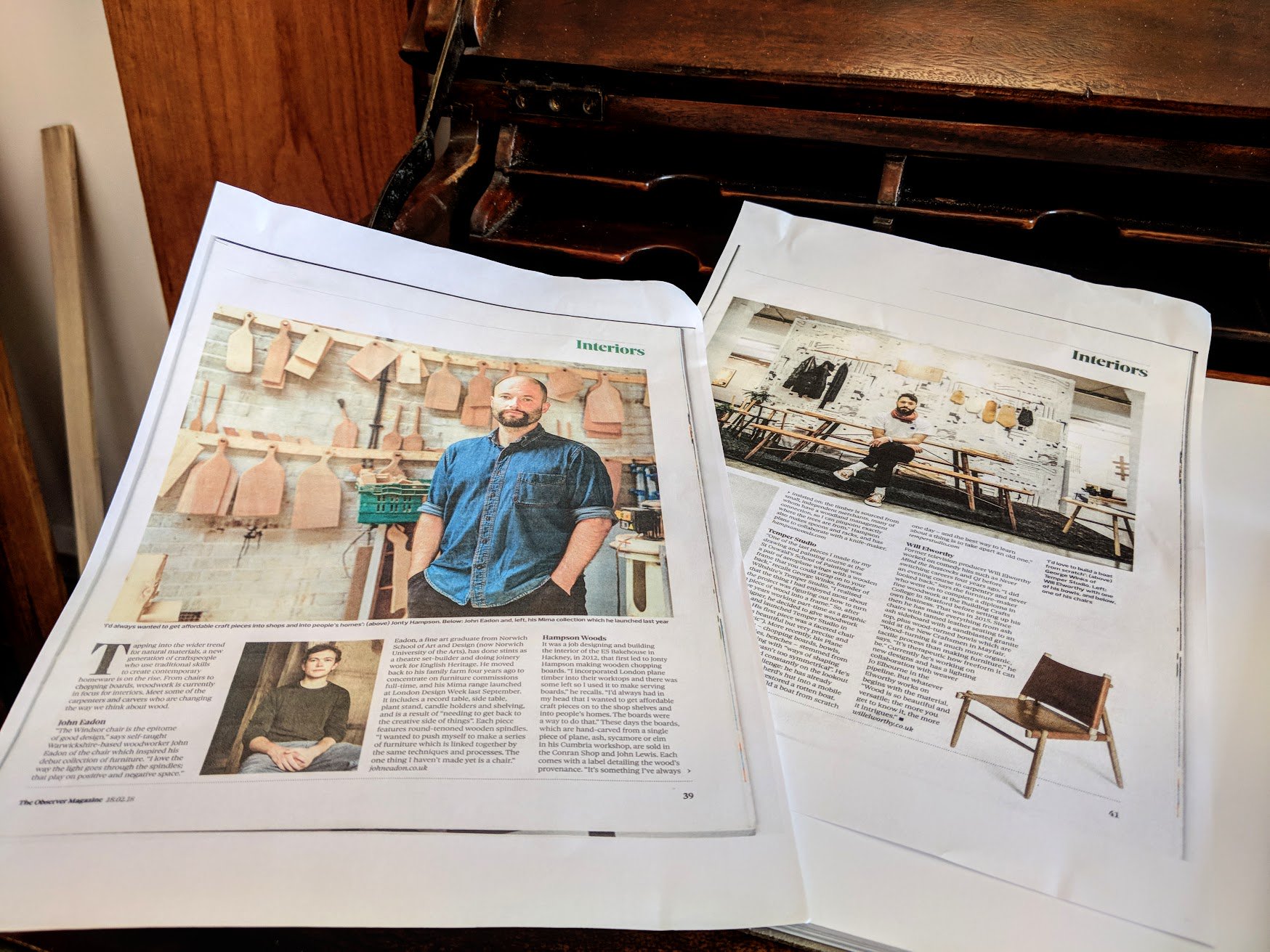
I read an article about skilled artisans producing designs and selling their wares to mainstream in a recent weekend issue of the Observer written by Emma Love. In two minutes I thought to myself this surely has to be a joke. It wasn't! She, Emma Love, was unfortunately deadly serious. It was filled with journalistic drivel where she used stock phrases of the day like "Traditional skills", "Tapping into the wider trend for natural materials,". What she didn't see was that most of the goods were highly over priced and none of them used traditional skills anywhere. So the blind lead the blind with ear tickling stories that raise people's faith but are far from the truth.
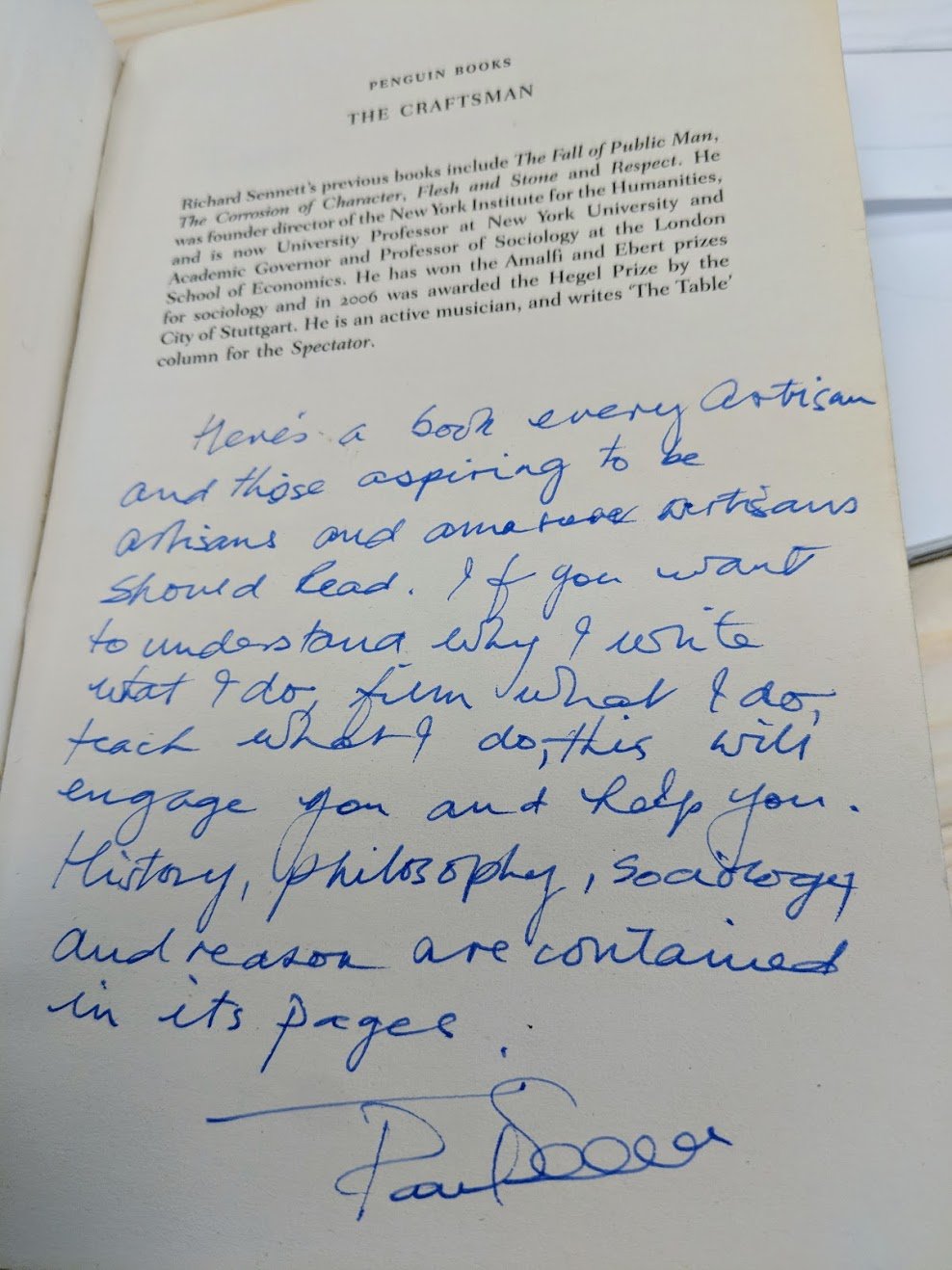
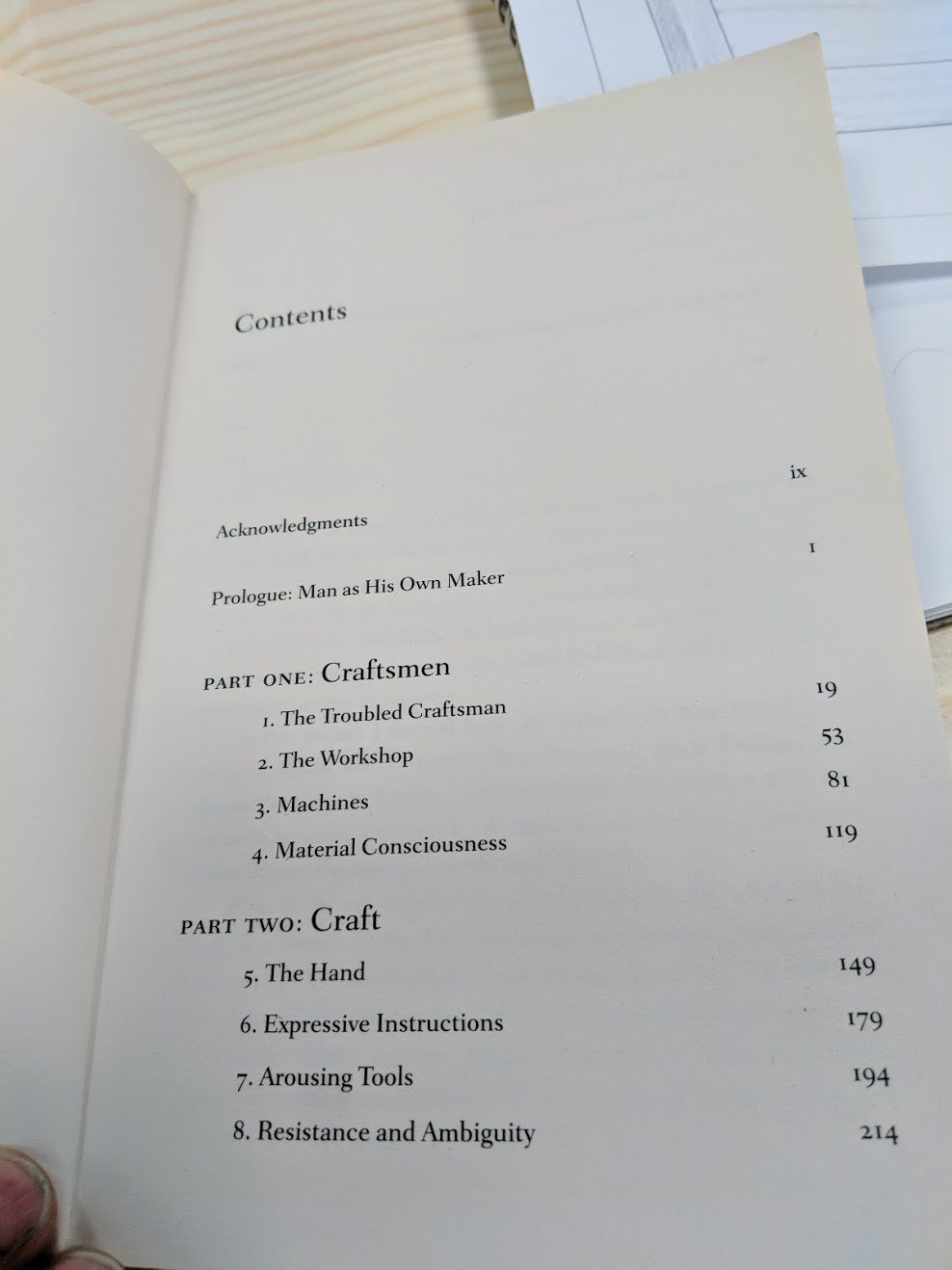
I wish that this journalist read a little more. I wish she had read this book beforehand, perhaps she might have at least understood she didn't understand; that she couldn't understand. Richard Sennett's book is a well researched masterpiece, unpretentious in every sphere and should be mandatory reading for any and all craft students and mentored apprentices true to their craft. Sennett carefully crafts his sentences with depth and meaning of an artisan, and whereas I might not agree with every single word, I do see that he worked extremely diligently to open the world Pandora left to get a point of view in place first and then blasted through the myths and mysteries of why we do what we do, why penchants exist as yearnings beyond our understandings and why, when we are young, we should indeed listen to our hearts.
Comments ()