
Woodworking Is The Sport—Practice, Practise, Practice
Craft Can Have Different Meaning
Some times we lose sight of the meaning of craft. To some, perhaps most, it's now become more a pastime—something you do when there is nothing to watch or you have nothing else to do. Schools have also succumbed to become somewhat dismissive of true craft to substitute what we once had with a much lowered expectation because it doesn't fit parental/teachers expectations in terms of what is now called 'good or future prospects'; dumbing down craft work for children should have never happened. There is always a place for true craft whether academic or not. I know that mostly they can't, but I so wish that teachers could understand craftsmanship and artisanry. If they could they might be able to steer the truly gifted in a more positive direction in that just a few kids might find their true calling. Craft is the art of work. We should never lose sight of that!
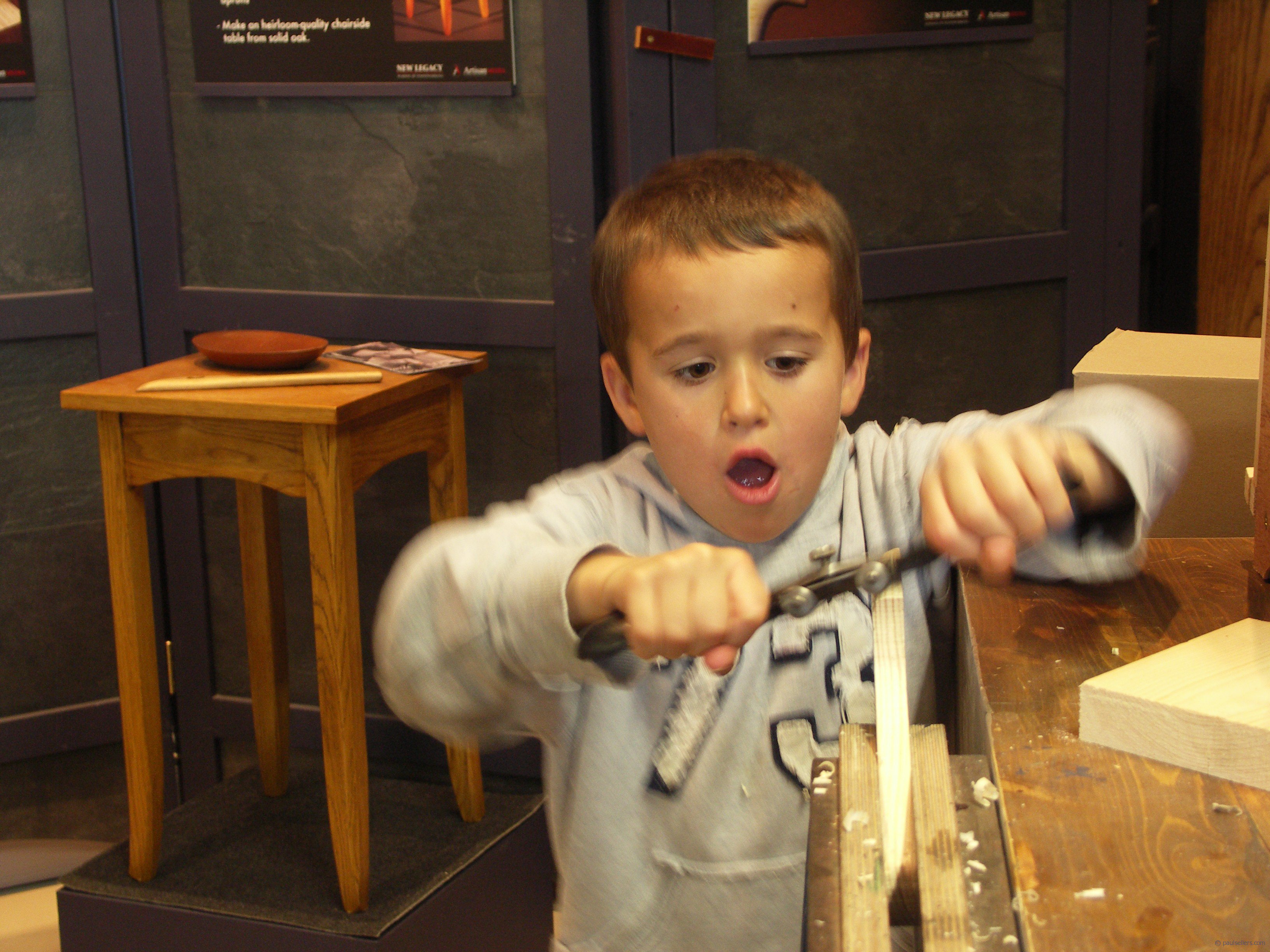
Dynamic Power in Woodworking
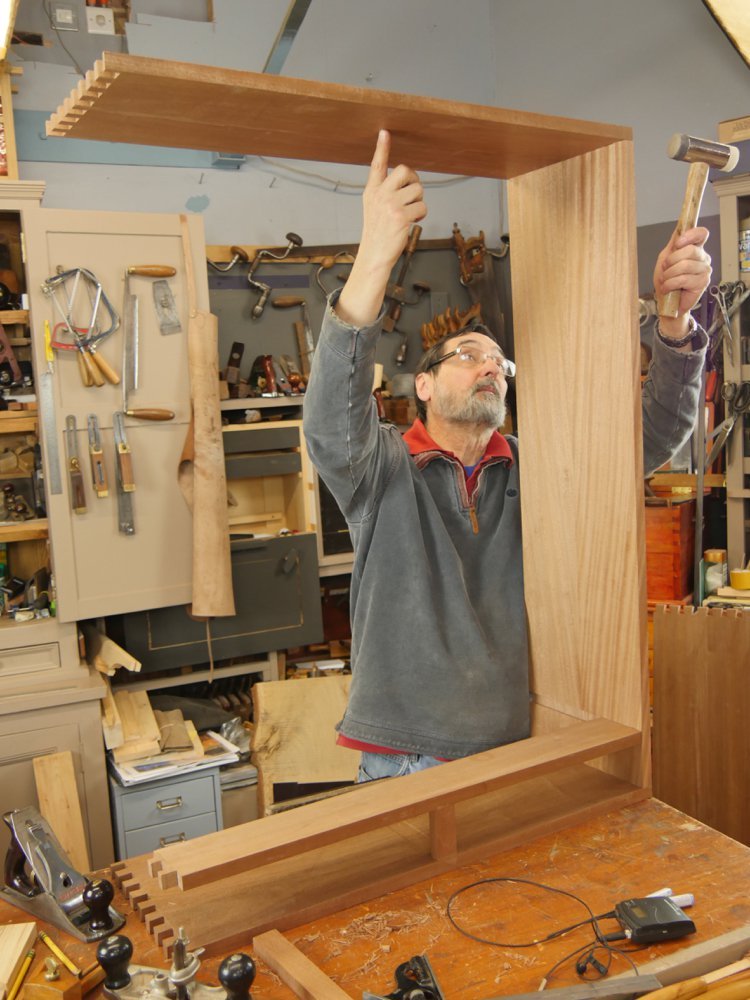
A craft like mine demands heightening levels of focussed energy. By that I mean every sense, those beyond the main five, engage behind the scenes to connect my entire being to the minutest details of my work. It's not just what I see or hear but what's deeper inside the fibres of the wood and deeper inside me too. When men said the wood speaks to them, in times past, this is what they meant. It wasn't necessarily audible at all, it was in any sense more metaphysical; an echo without the bounce of resonance but resonance all the same. Without focusing all of my senses it's impossible to achieve the levels of accuracy I see as essential throughout my work. That does not mean that I am consciously directing my senses, just that the demand I have sensitises every neuron so that I can indeed carry out my work to the levels I insist on. I think that that is why I have never really wanted substitutes for my own abilities. That's why in general I avoid always running to machines for every cut. Apart from the invasion of dust and noise, there is the invasion of skilled work. As it is with any art, athletic sport, or whatever, I must constantly exercise my body and mind to my craft. Without total engagement, muscle and sinew, thought and more, sensitivity atrophies. You cannot establish skill without exercising every aspect of your being. It's no different for us than it is sports athletes and artists, as crafting artisans, we must begin at some point to exercise our whole being on a more than regular basis.
Competitive Sport
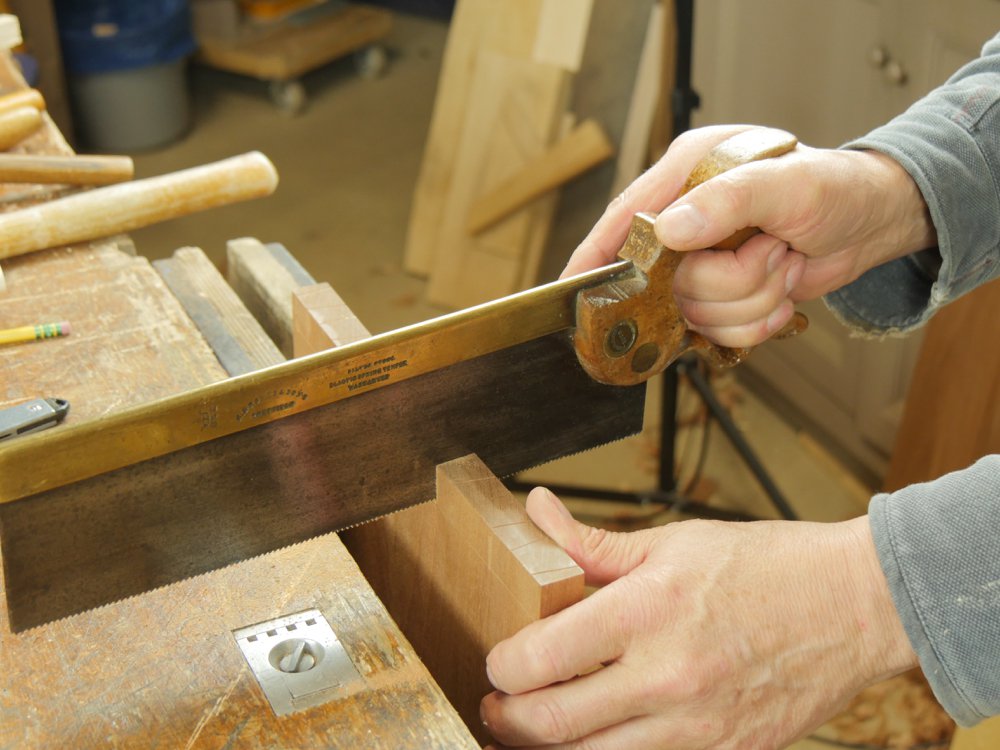
I'm competitive, but not at all a sporting person as in sportsman. By that I mean I'm self high-demand and pit my body against the task but that's in work. So that said, I'm not at all talking about sport, I could no more watch any kind of competitive sport for more than a minute without switching off. Now I might well climb a crag alone, run long distances alone, such like that, but mostly sports leave me cold, but put me behind a plane, give me a saw to transform and a class to teach and I'm right there in the zone, for hours. I can work with my hands for 12 hours straight with a 1/2 hour break and maybe an apple or an orange and two trips to the toilet. I've always been that way. In my 50's, my prime years, I mostly worked in the workshop before sunrise and well after dark. It was my job to provide for my family and it was my job to make certain my boys had skills to work with their hands. With 159,000 hours under my belt with and average of a week off a year, I find myself still in fairly good shape.
Practice and Practise
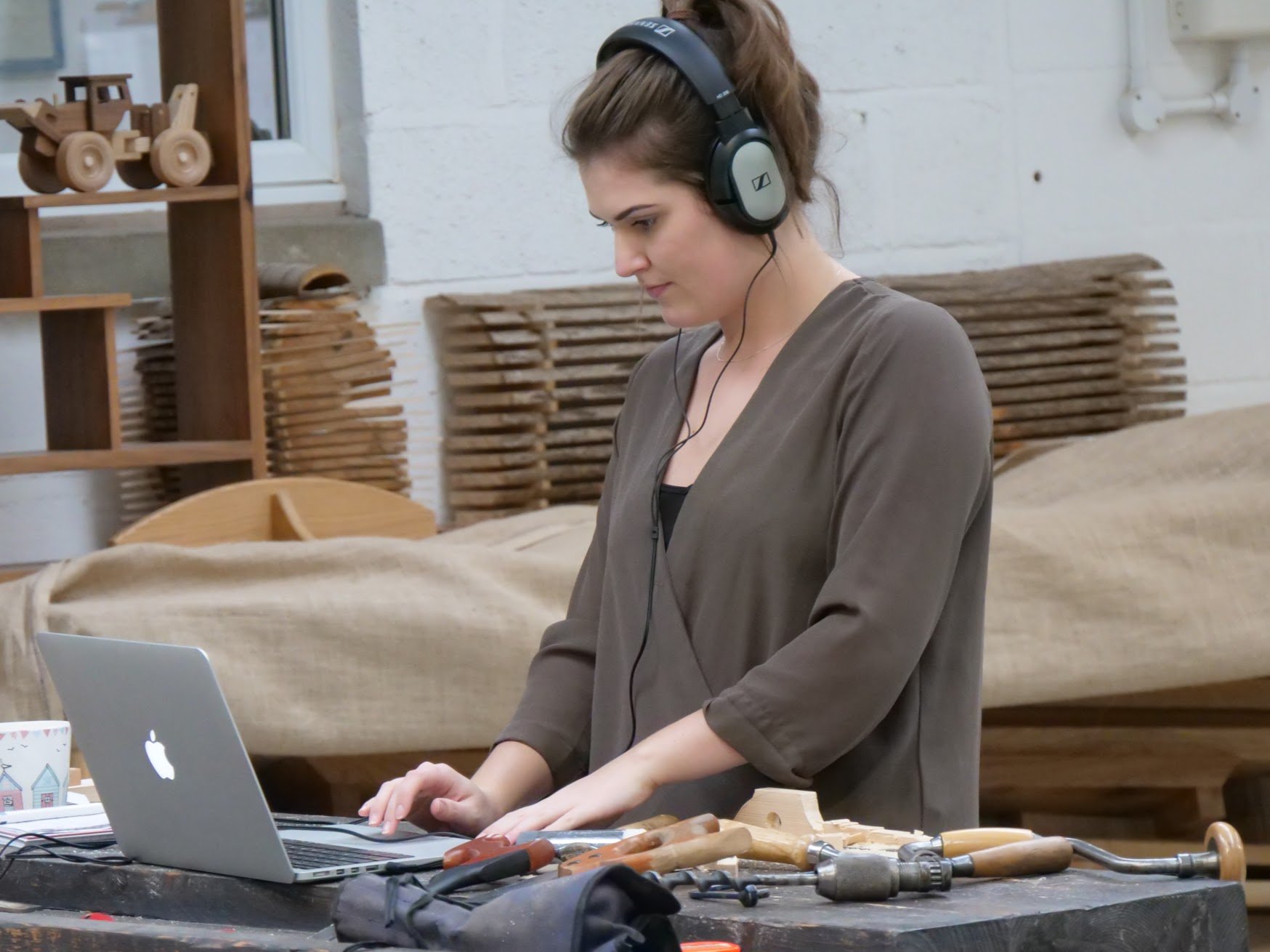
To keep ahead of the game, to work efficiently, I have to keep my body fit and lean. Why? Because my work demands muscle, strength, accuracy. There is a synergy I generally do not withdraw from but for a few days in a year. Though I walk and run each day, these contribute very little to the strengths I need in my actual work. The muscle development for walking and running do not equip me for bracing for saw thrusts, planing and holding my body in position for minutes on end until a cut is completed. Think heart beat and breath, breathing and pulse. Think stamina for endurance. Running and walking for a few miles a day keeps my mind alert in a different way. What keeps me alert and active the most though will always be my work and my will to work. In my view, woodworking with hand tools demands some of the highest levels of self-discipline and engagement and should never be seen as a passive spectator pastime. In my work at the bench, I no longer practise to establish skill at all. By this, I mean sharpening a saw or planing a board achieves for me a guaranteed outcome. I never sharpen a saw badly any more, so the practise of sharpening a saw is no longer something I need to develop. It's a foregone conclusion that the practise of saw sharpening is now the maintenance of skill and though I need to maintain saw sharpening and maintain my skill levels, my muscle tone, dexterity and sensitivity are already irrevocably in place. The only way I might lose them is if I don't do them. They are all in good and excellent shape. They don't improve, so it is not to practise saw sharpening in the way of personal training in any way but simply the practise of saw sharpening.
Izzy Learns Sawing Techniques
In the beginning it is good to practise hand sawing with the different saws. Every saw cuts differently and therefore the strokes feel different even in saws made by the same maker and of the same size and type. I have been working with Izzy, who cut her first dovetail this week, found the initial exercises a struggle, but she developed awareness to many elements she had never needed before and she got it. Her finding sawing difficult, and we used Western saws that can indeed be difficult in the early days, made me aware that perseverance is an element we rarely think about. In her case she ended up successfully working with the power of western saws; once you get it you get it and it's yours for life. Oh, before pull stroke saw advocators jump in, I won't advocate hard-point teeth saws as throwaway tools. Aside from being disposable tools, they have their own issues too!
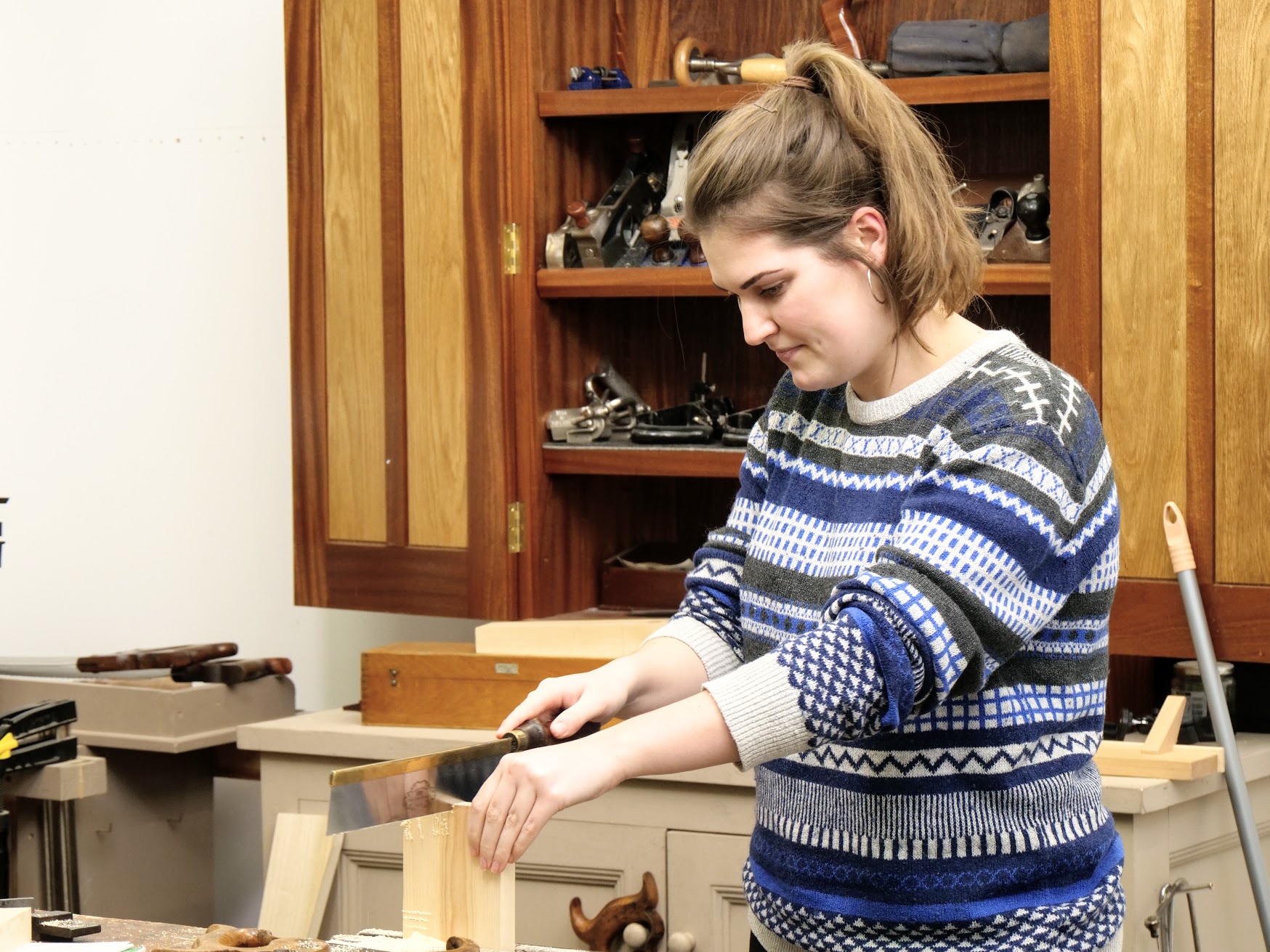
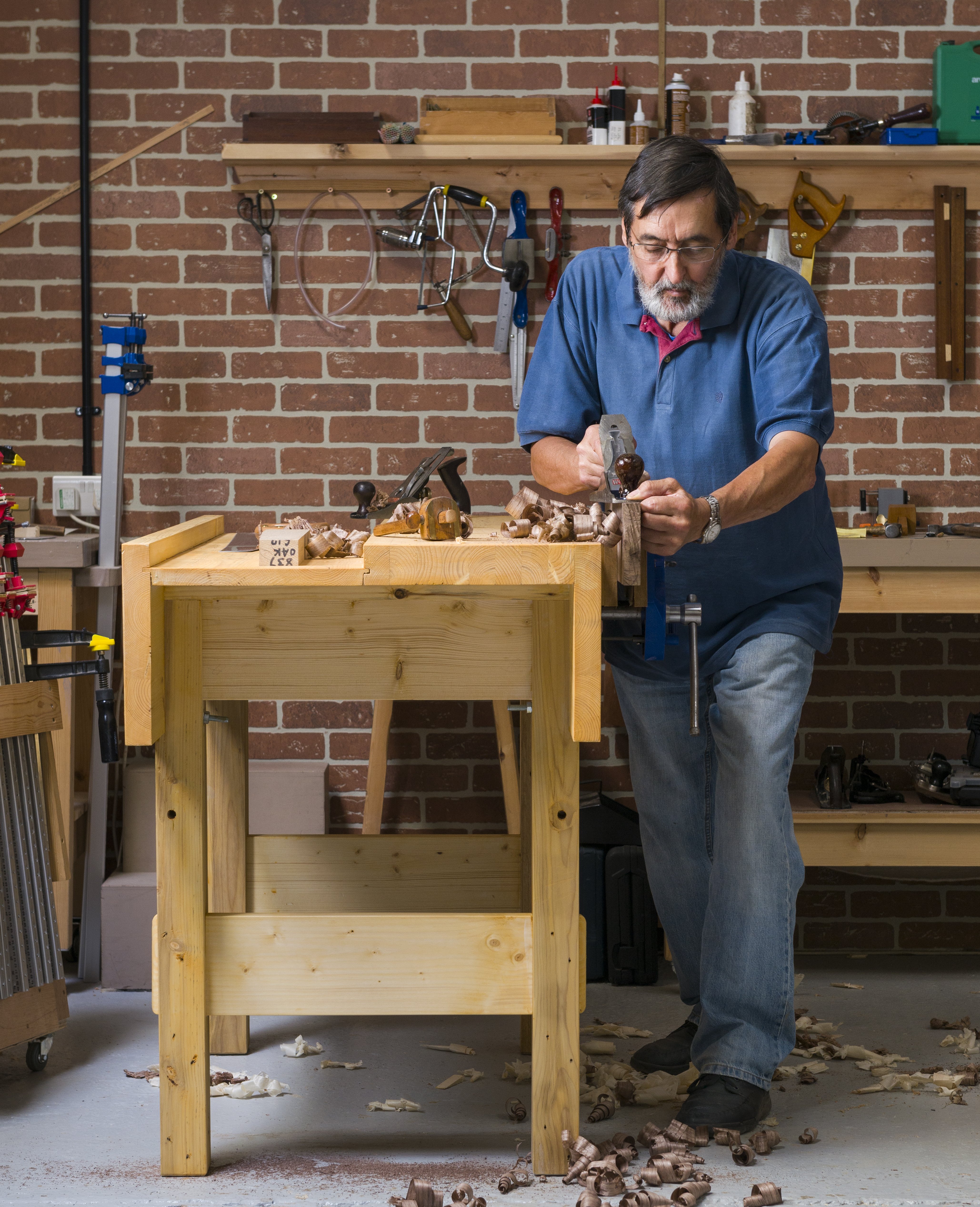
So off Izzy went as have thousands who've stood by my bench over the decades. The saw judders, skips up, grabs and slips sideways, away from her line. It's not as easy as I made it look but she knows it can be done because I showed her it could. With each joint, she was disappointed. On the third, I suggested she might lower her expectations and relax into it. On the forth, there was a good outcome. This means her next practise will be a small dovetailed tray; for four corners will give her the practise she needs and from now on she will master dovetailing.
Practise Makes Permanent
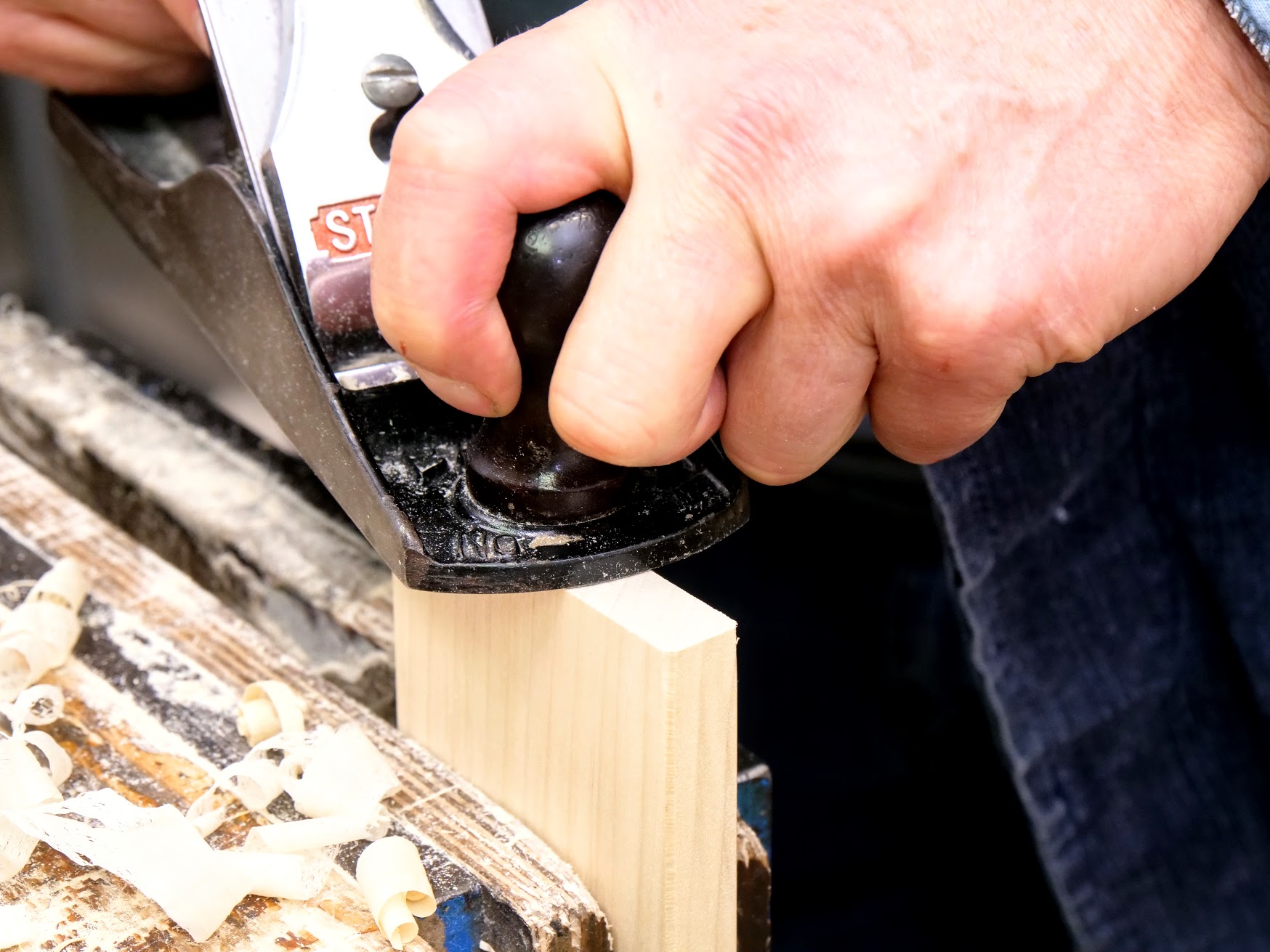
So the body must be exercised, disciplined, worked and worked steadily to perform. The mind working three-dimensionally releases the brain chemistry and thoughts develop to change spectators used to merely watching to become actual doers that can no longer only spectate but enter the realms they may once have feared. The fear of failure often stops us from actually trying something new or different. The fear or perhaps doubt is perceived but not real. Bad past experiences do hold us back. No one wants to fail, no one! Perseverance creates a path through the rough. You must practise to develop skilled workmanship and improve performance. Unfortunately, we have dumbed down perseverance and the need of it by over-rewarding and false self-esteem. We can often be cheered on to achieve when we fail to put in the effort. On the other hand, we never want to withhold encouragement from those who indeed have low levels of self-esteem.
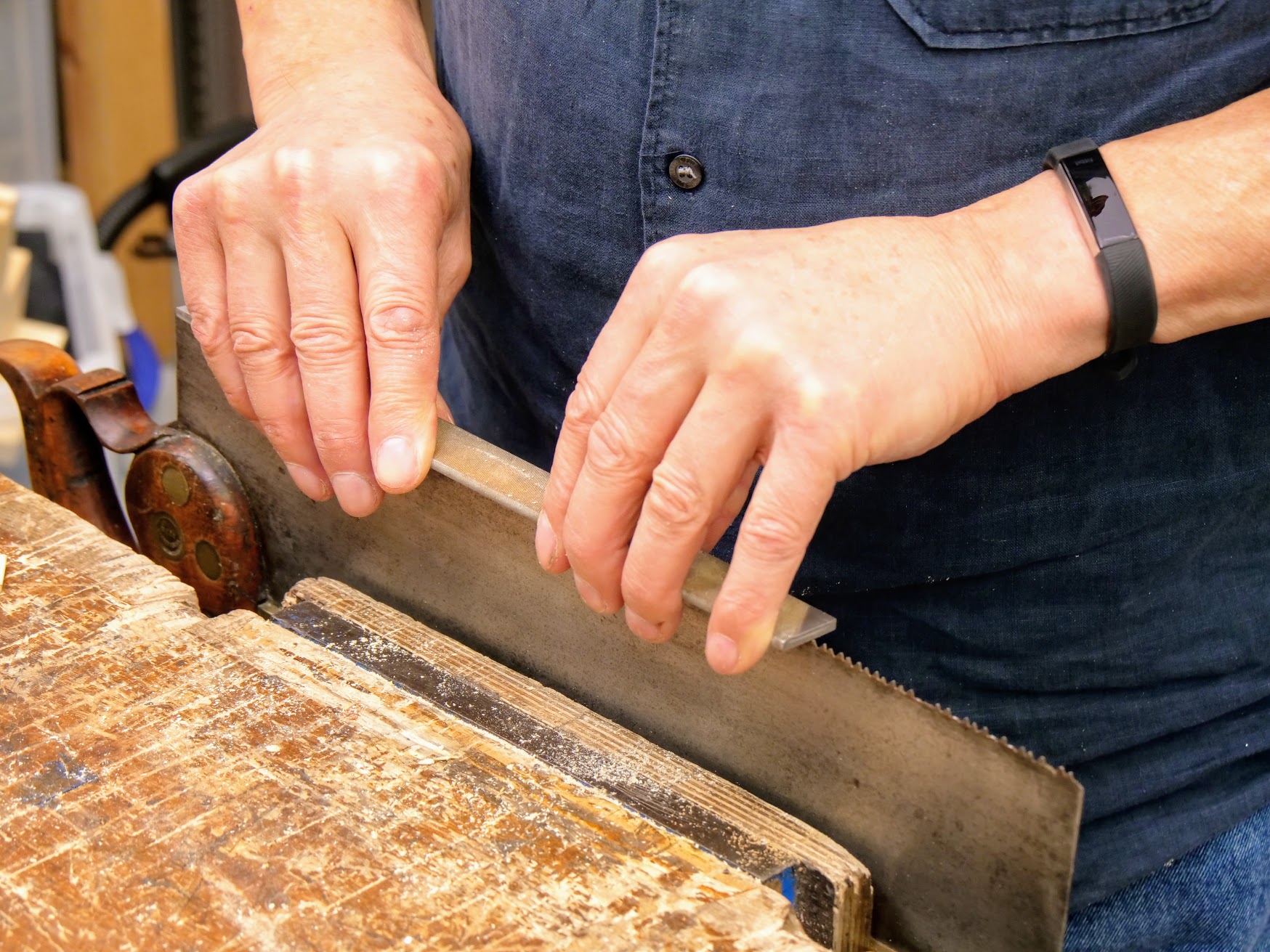
With the mind releasing its chemistry, and that starts within seconds of offering the saw to the wood; any tool that is we begin to apply ourselves via our other senses to the challenge of working our body. At first, our body feels awkward. It is as if its too heavy. Moments seems somewhat sluggish, unsynchronised to the point of stubborn. This is to be expected all the more if we have done no craftwork before or for long periods. I feel like this if I take a month out. How much more a natural consideration when your mind and body has never done such things before. Lower your expectations and raise your aspirations. The will to achieve is 99% of a successful outcome.
It's a funny thing that people will run for hours in a week but not put practice into handwork. They immediately want an outcome to match an experienced craftsman. When I'm working, after a time, I feel my arms ache and my body often locks on a fixed, awkward angle for a long time. My knuckles may well turn white and so too my fingertips to expedite my intent as if nothing else in the world matters.
I Want Skill and Exercise and Not Substitutes
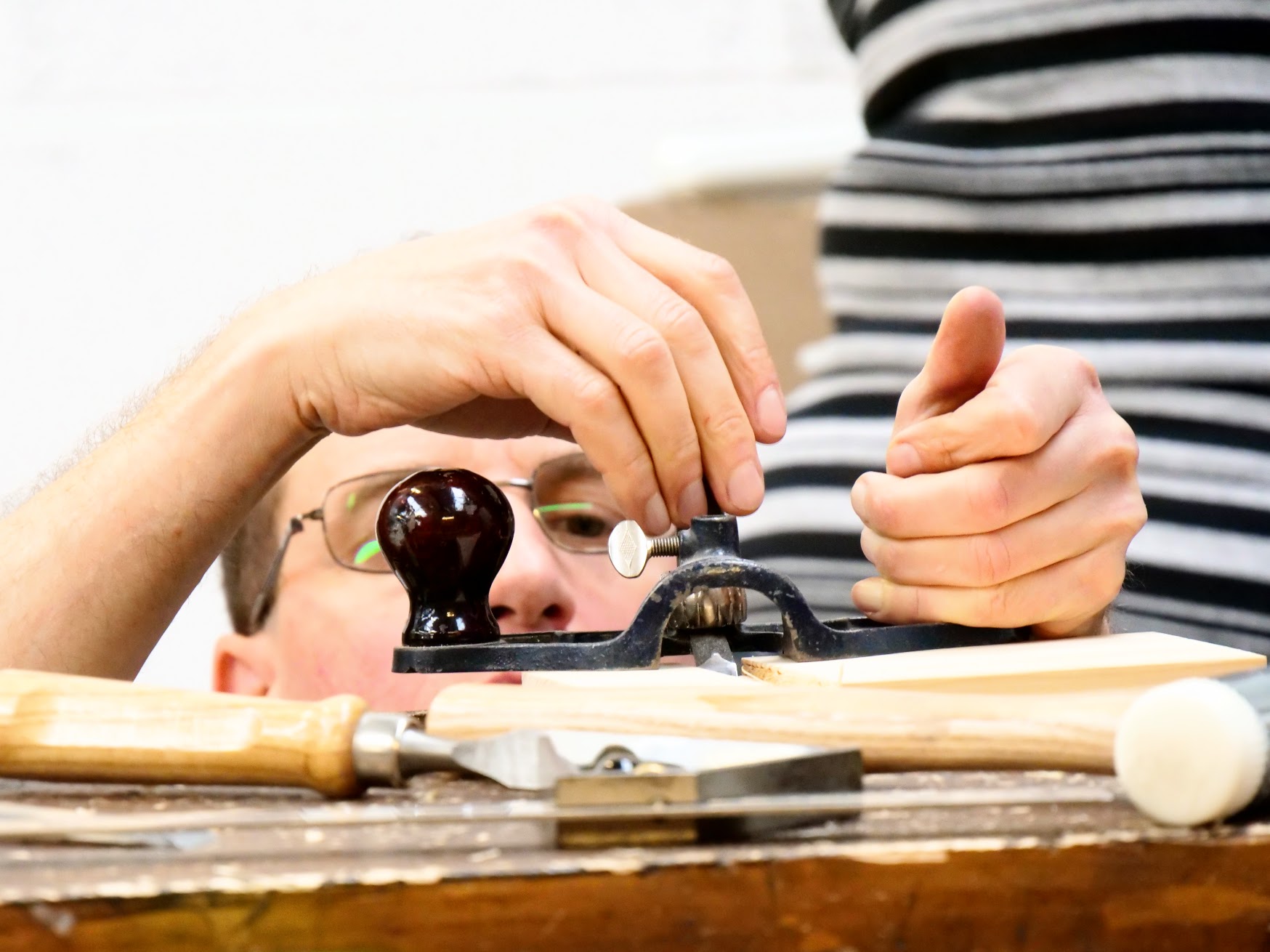
There is no other way to work what I want so it's a must for me to keep in good shape. Sometimes the intenseness must be relieved. I must tell my body to stop, to unwind the spring and break away for a minute. I must renew a breathing rhythm, but I also know that without contracted breathing I would not have the accuracy I want. So I know that throughout my body, every ounce of muscle and sinew takes its place to expend itself for the good of even the smallest cuts I make. It's all about engaging power and then releasing it to the small tips of the saw teeth. We extend and contract our muscles but not to lift heavy weights or run faster to beat other weights and speeds, but to use the exact amount of energy each cut needs. Sawing, planing, those tasks with repeat strokes over extended periods are measured by our sensitivity. The woods, even in the same species and the same piece of wood, are always different in terms of density and consistency. We adjust our working of the tools according to what we sense. This all relies on our sensitivity and our responding to what we receive.
The Senses Give Us Wellbeing No Robot or A.I can
When we understand that all the senses, the five obvious ones and the other 20 or so hidden ones, are given for the single reason of gathering information and that all of that information is to inform us to make decisions, we realise we must engage with that information to make constant adjustments. These are adjustments in pressure, direction, alignments for our arms, legs, shoulders, eyes, backs, feet. Our whole body becomes the carriage for the tools we are working, the extension of who we are and indeed our intent. Therefore it is not mere mechanical rigidity but the remarkable ability of the body to flex in agility to perform tasks in the most sophisticated ways that no robot or artificial intelligence can.
When we see that it is through our self discipline, personal training and mental and physical development in relation to the way we work the wood that we are indeed ably taking control, we no longer feel threatened. It is a most wonderful reality that A.I. and robots will never substitute for the creative art of craft that I speak of. These two imposters of industry are merely brute beasts, the same as the lie is to truth as the merely stands in truth's stead!
Comments ()