
Beyond Closed Doors—Oxford
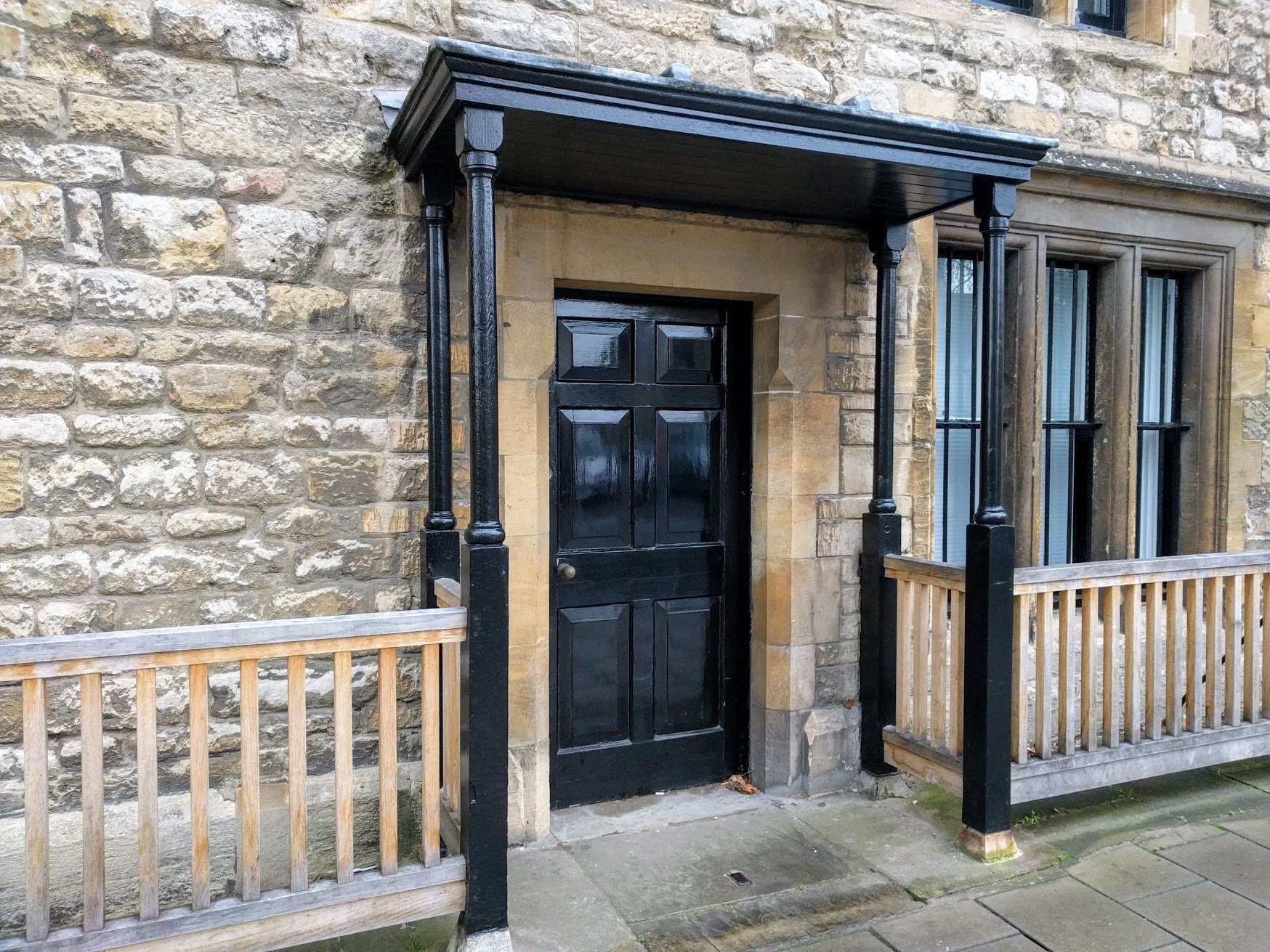
Doors of Oxford
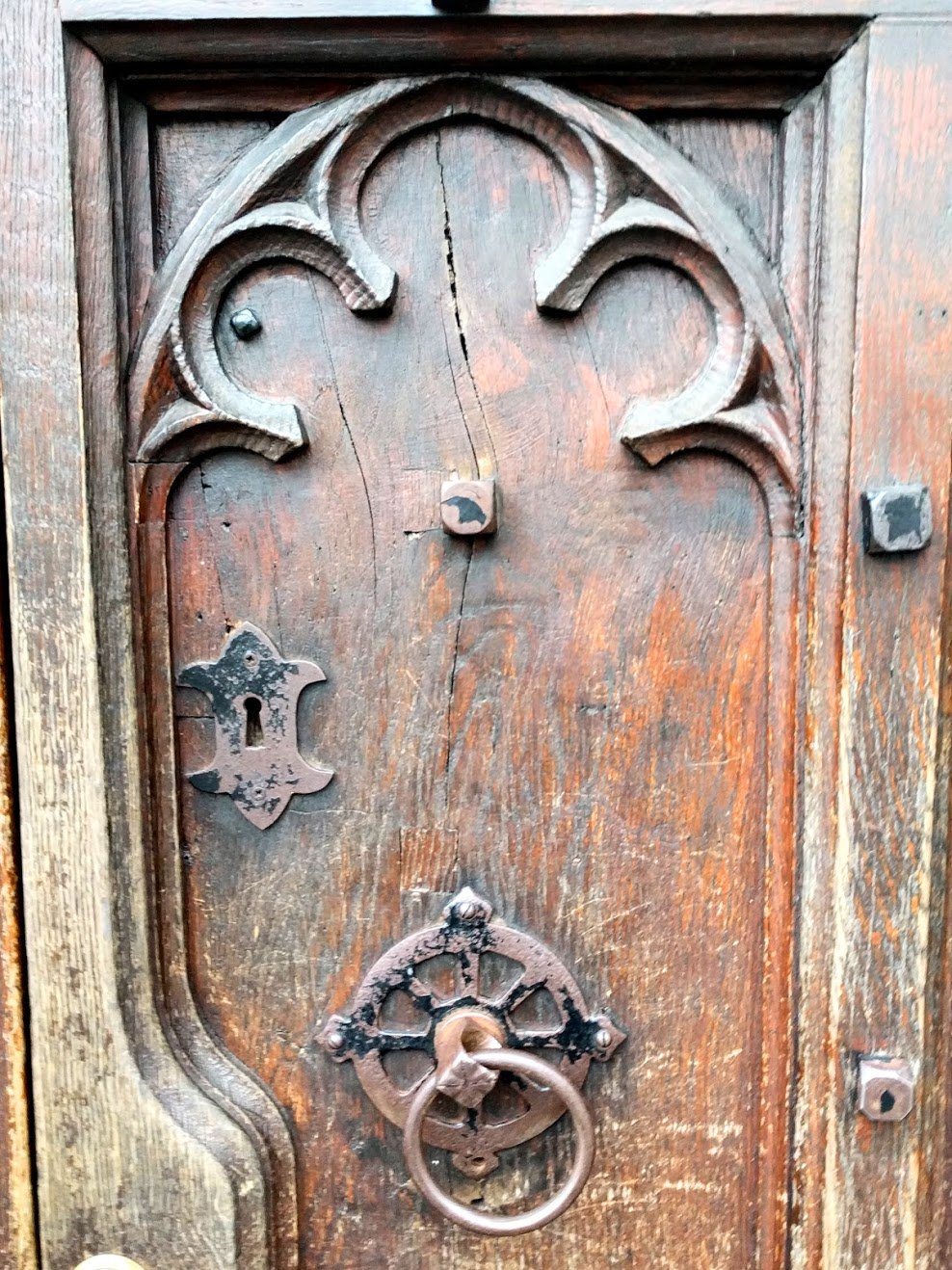
I spent three days ferreting the streets of Oxford over the holidays. Stayed in a nice hotel so I could walk into the City and see it emptied of students and cars, a million bikes with cyclists on and such. I've never seen the streets so emptied so I actually walked down the middle of the road on Christmas day for several minutes without a car coming by at all. Those on the streets were mostly from other climes taking selfies, some were dossing down and enjoying the freedom of the streets Christmas brought, but some had no choice. Me? The nooks and crannies have always lured me because of unusual hardware as much as wood things like doors are made from. I'm thinking book about doors now as I walk on my own. I stop to stare and people stare at me stooping looking up like an eagle crooks its neck down to look up. Though I am alone its obviously fascinating to others passing by.
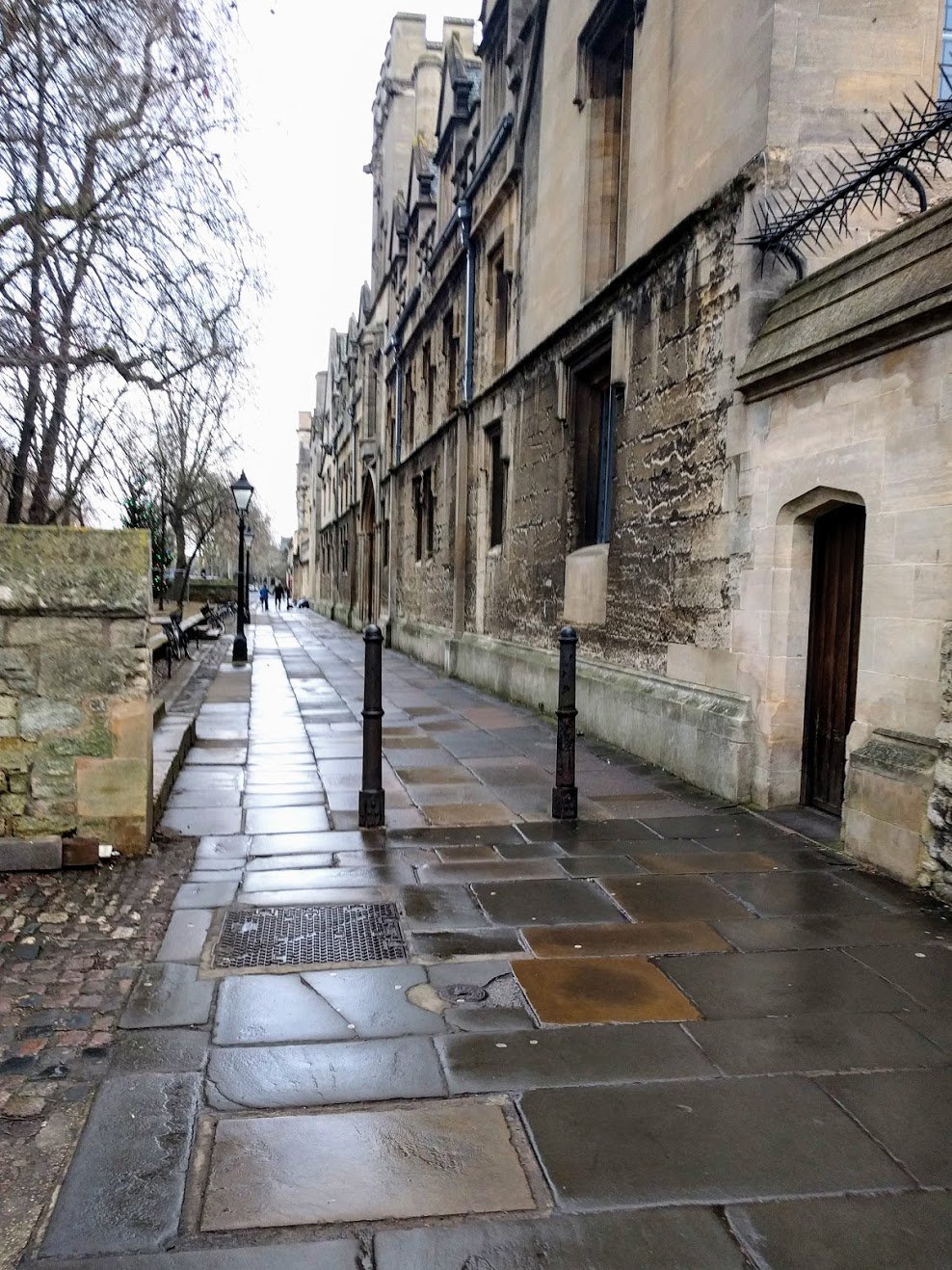
Beyond that, the doors stand between me and those who once passed through these doors. Many if not most will be linked to some historic event of the past. I'm thinking of a book that meets the two dimensions that link equally to the past: a detailed study of the doors themselves, how they were made, who made them and who might well have manned them, whether ancient or new. But then there is the life beyond the doors of those who once live, survived, thrived in successes and lost themselves here. Remember people like Albert Einstein and David Cameron graced the doors, halls and walls of the University Colleges that are widespread in a very different way than modern University Campuses. There was Adam Smith, Aldous Huxley, Boris Johnson and Margaret Thatcher to name drop just a few others. What about Rupert Murdock and J.R.R Tolkein penning their futures in media and what about Bill Clinton (1969-1971) with Stephen Hawking at the same institution. Christopher Wren, T.S Elliot. The list never ends of course because not all made it onto the charts of fame.
The common threads woven throughout all of these thousands upon thousands of doors are wood and mortise and tenon joints. Who knows it? Well, people may pass a cursory glance at the antiquity of some, but for the most part really no one. This may be the hub of academia but when you distill all of that down, not many will be interested in what's beneath each shade of paint. Historically though, you cannot deny some of the most famous people in the world either taught or studied here at some point.
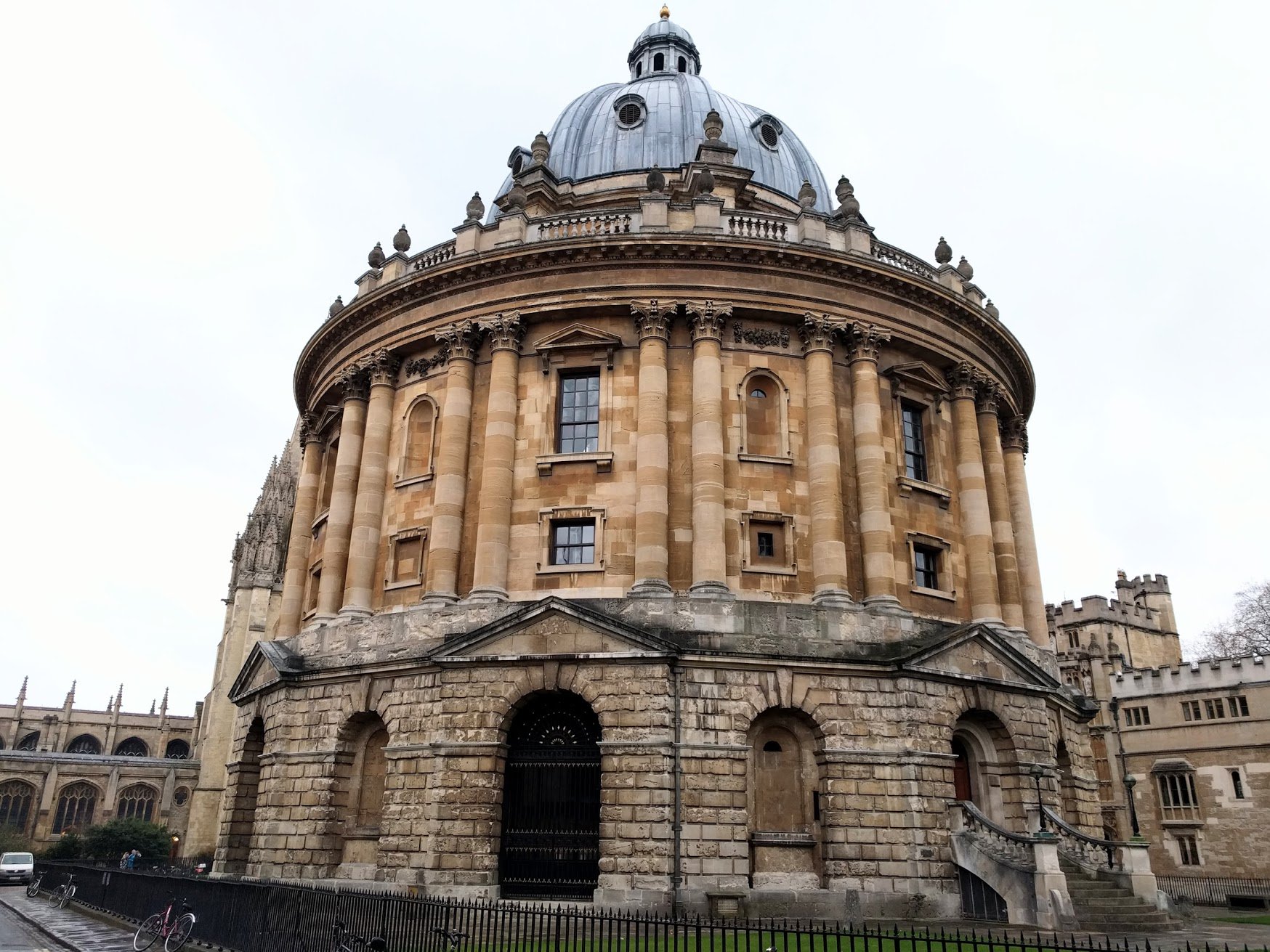
There's a gate stay/stop that always stops me. This one follows the door in its arcing and stops it shy of the wall inside. The stay slides with the door's swing. Imagine thinking such a thing to be necessary and then the man who forged it in the forge. It must have been a wonderful era of untapped possibilities in the uninvented. I love the thought that something is indeed uninvented. When I came up with my mortising system and posted it on youTube it was my invention. When I proved its efficacy for the first time I beckoned Joseph over and said, Just watch this!" I showed him how I developed it and then we videoed it and posted it online. I wonder how this man expressed his excitement when he developed his idea for the door stay. Maybe his son was pumping the bellows to the coals while students passed along the rat runs to their different colleges. Einstein could have been there somewhere around, he was there in the 1930s. Perhaps it was before his time.
Anyway, I liked seeing the closed doors but will seriously consider the doors of `oxford because they are so truly interesting to woodworkers. Course what you see on the outside is only the merest fraction of what's inside. From modest batten doors bellow stairs to the grand entrances above, it still amazes me that the one joint all doors are hinged to is the humble mortise and tenon. I doubt we'll ever look back and say the biscuit joint held these doors from 1700, or indeed the domino or the pocket-hole screw.
Comments ()