
Left Versus Right
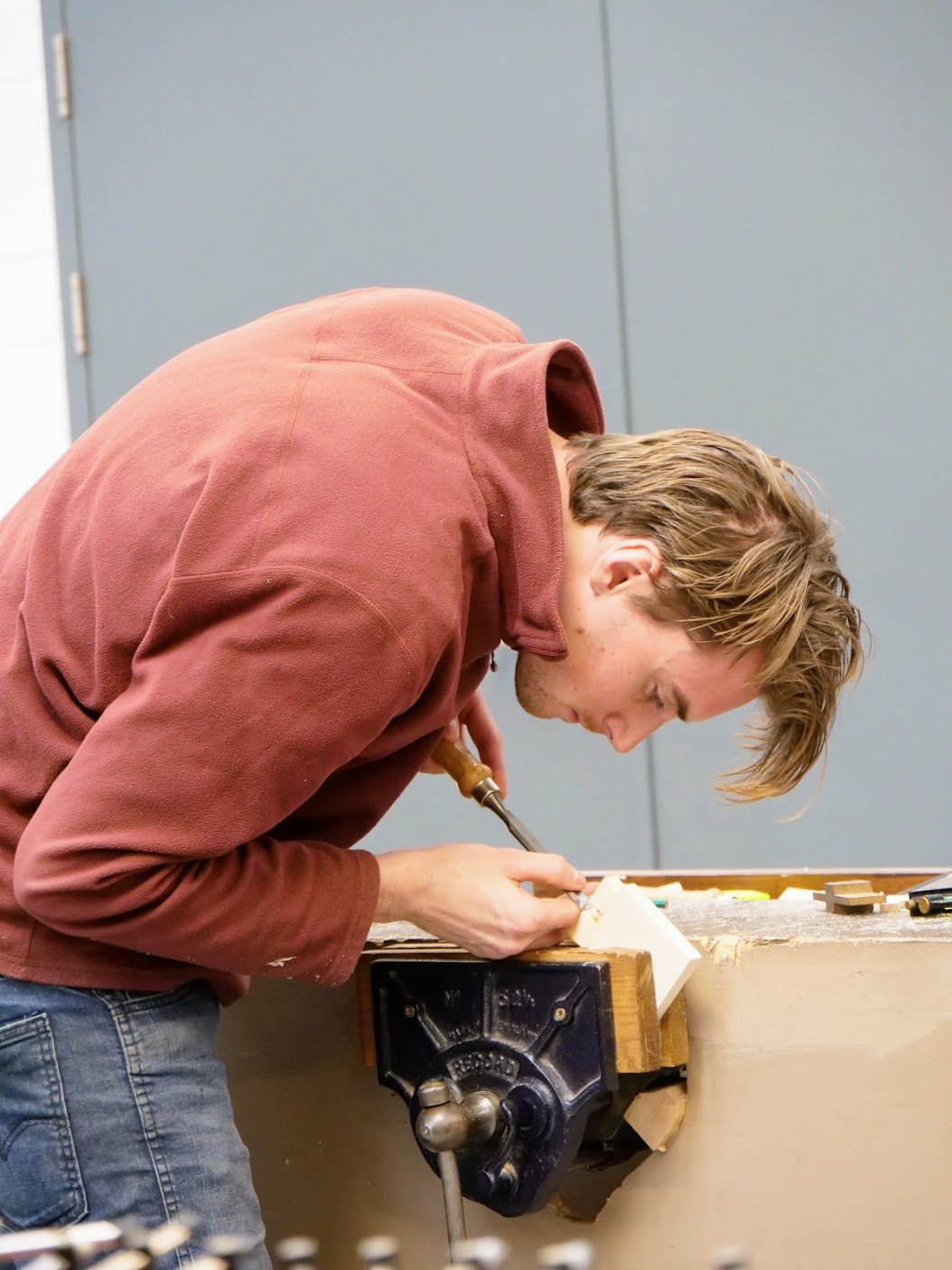
In last week's class I asked how many of the 11 students were left handed and five left hands went up. Hannah was there too so she made it an equal six and six and my being right and periodically left handed made for a perfect if not unusual balance. That being so, it made me aware that finding some level of balance is always critically important. More typically the ratio should have been nearer to 1:10 so no more than 2 at best.
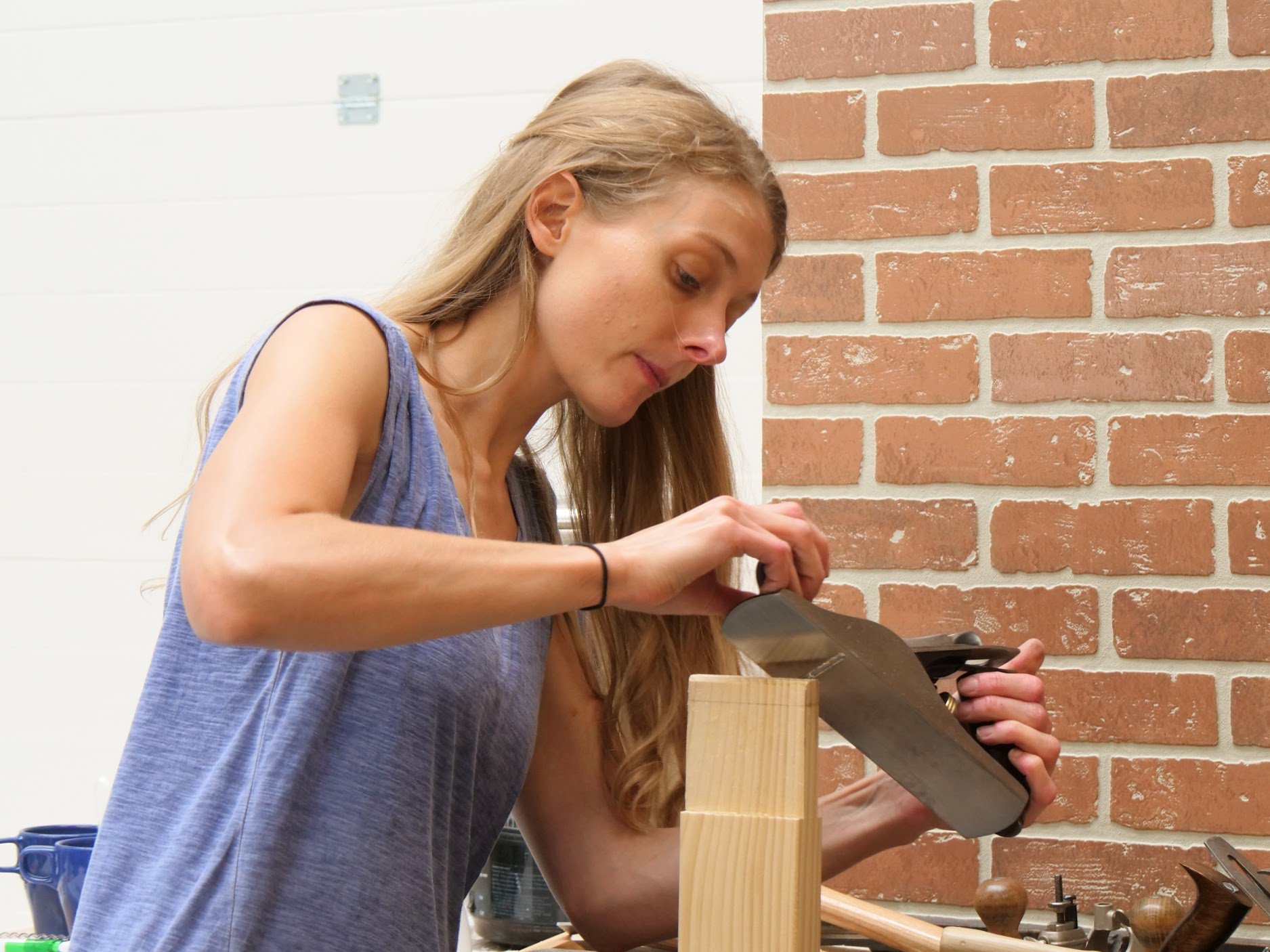
It was when I realised how very imbalanced woodworking had become on my arrival in the US that I began to investigate what went so very wrong. Every woodworking workshop I went into back in 1987 was basically a machine set up and I never met anyone that used hand tools, even chisels. Always there was a token tool sitting on the top shelf gathering dust somewhere, but these seemed more to be abandoned and in disused disrepair rather than functioning versions; a Stanley plane, an old Disston handsaw. To me it was the sad malaise of decades and very much the new norm resulting from the new Norm era, but that was indeed how it was back in the late 80s. It was my introduction to the USA but it was here that I discovered there were masses of people that though they only did woodworking by machine at that time, had a true penchant to discover the techniques of hand tool methods I was accustomed to using in the every day of my life.

There were powerful influences that drove the empire of machine-only so-called power woodworking over hand methods not the least of which was the essentiality of dumbing down the skill levels and the need for skilled hand work within the woodworking industry in general. Could we in private realms outside the empires live without machines? The question might more be why would we? Well, to see things for what they really are we need to see that we are not comparing apples with apples. The needs in industry are nothing like that of private sector woodworkers nor is it altogether what they really need although access to them can be handy for a section of woodworking. When you run out of sales for an industrial sector it is not unusual for the producer to consider plying its trade into any other sector. In this area it was perhaps more accidental than actually targeted and planned. Norm Abrams did more for the sales of machines and so-called power equipment than he ever did for the improvement of woodworking. His dextrous manoeuvrability with machines paid off in the industry. Whereas he did show that DIY could be had by anyone, he also sent the clear message that machines were the progressive way into the future. To someone like me, someone who knows machines as well as he knows his hand tools, it seemed to create more of a monumental imbalance. Whereas machines do have their place, in my work I can reduce the need and invasiveness for so-called power equipment like belt sanders and others by about 95% just by my mastery of a simple-to-use hand plane. This then gave me a clearly defined message for the enduing decades. Today I revel in the idea that we have changed the face of woodworking and clawed back some of the important things we had through centuries of proven technology. In my now not so small way I see people embracing left-handed, right-brained thinking more and more. By this we have generally changed the face of woodworking and challenged the status quo to the point that using the old and the new technologies of various types we have indeed shifted many long term biases.
Comments ()