
Let's Talk About a Sticky Topic
Periodically, not too often enough to be overly concerned, someone makes a statement about this or that, types in IMHO and moves on. You know that there is nothing humble about it really, just a comment tossed over the shoulder as they walk away from any kind of accountability for it. "Too much glue!", one says, and then, "Too little glue!" from another. From another a joint's too tight for glue and a joint without room for glue, too-tight a recess and too loose a mortise or whatever and so it goes. Well, of course people it seems are entitled to state their opinions, but where that freedom originated from goodness knows. I do know this though, at one time, when someone gave an opinion, they were suitably and respectfully brought to task to qualify what they said. They had to back up the opinion they gave with some hard facts. In the new era of online connectivity the subject gets a bit stickier. Here it seems ever more possible to bypass accountability because the internet mostly provides an escape through certain levels of anonymity; for most that is. For our part, well more so today, we tend to just turn a blind eye. You know, tolerate it. Whereas at one time we were always face to face with the opinion, and that made a huge difference to what we said because, well, we could be challenged, people throw out opinions from anywhere in cyberspace.
In my apprentice days it was wiser to ask rather than state, especially if we were indeed novices. Just turning that blind eye today leaves the stage all the more open for even more opinion. Unfortunately, with so many opinions to consider, it's impossible to give what opinion consumes the very most, out attention. In the age of mass information we now experience in equal measure mass misinformation by way even of false information. Paying attention consumes the very thing we are most often short of, our time. Too much information and the dissecting of it creates a dearth of what information inevitably consumes, our attention.
So mere opinion is not really enough, although personally I do think it's important to hear from others what they might have to say where possible. Opinion, to have any real validity, should be based on some level of relational experience rather than, well, just a random thinking spell. I know, freedom of speech is important and there will be those shouting free speech, free speech! Freedom of the press! and such like. This is not really about that at all. If the Prime Minister of the UK or President of the USA or the Prime Minister of France headings up the government, Emmanuel Macron, tell me to use less glue or more glue because of this that or the other, the weight of their influence on me will be as much value as their political persuasion and governance. I would trust them about as much as I would trust them to run their respective governments. Not much at all.
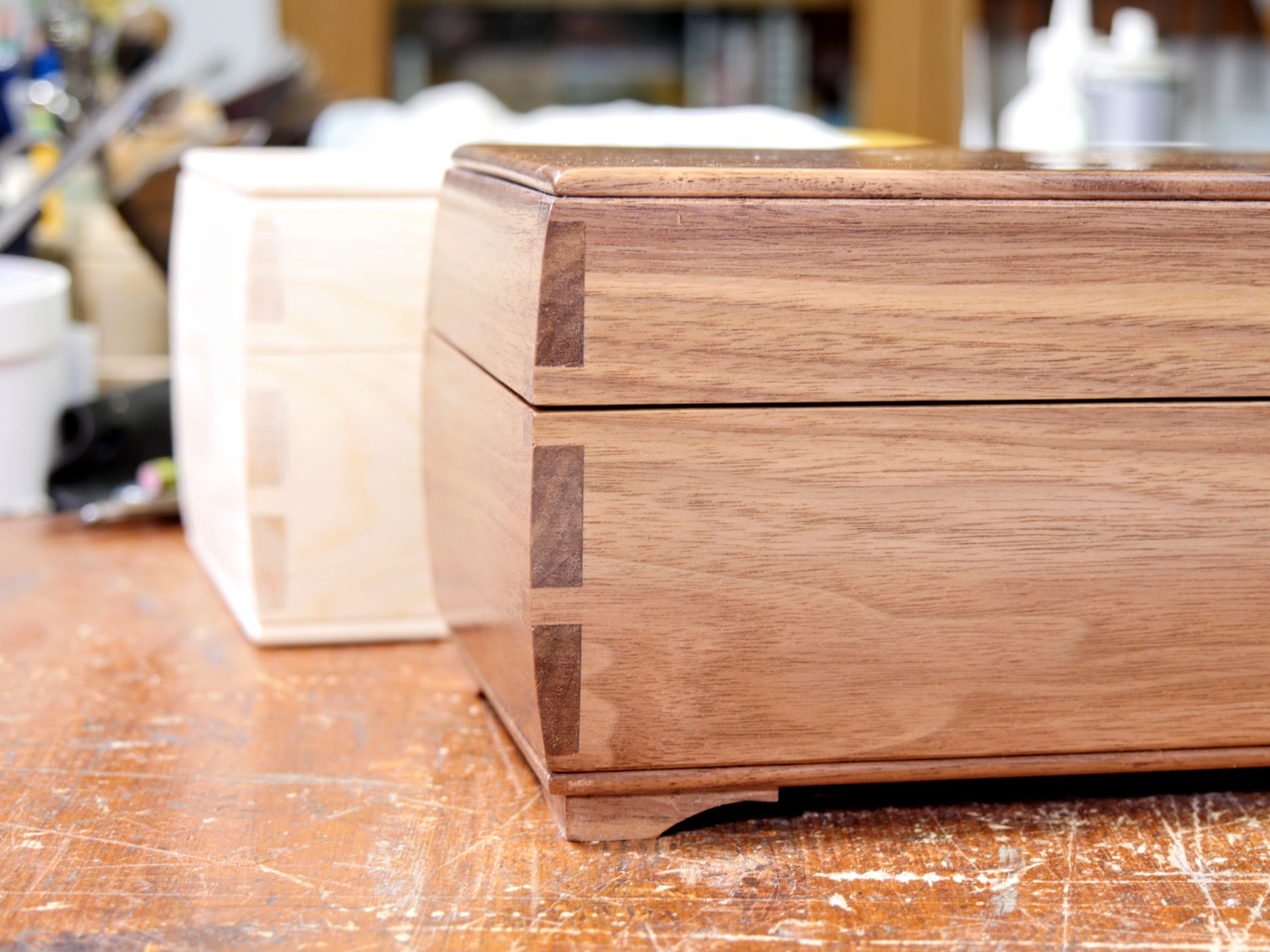
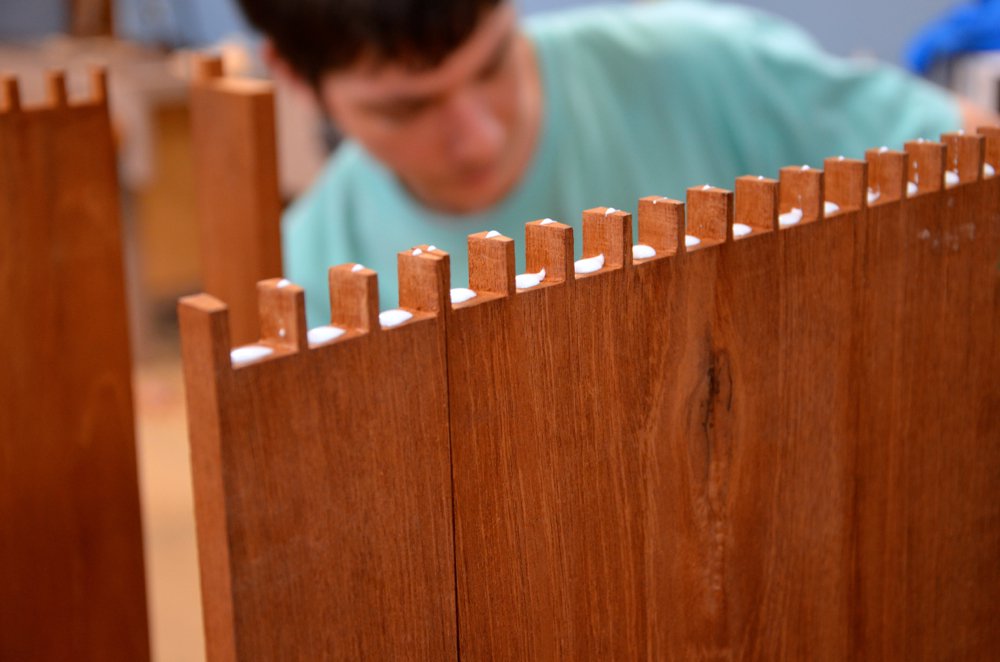
There are a thousand opinions out there about gluing up. The kinds of glues and so on. What I want to know is what's happening with the glue-up in the reality of my work life and in my use of it. In 53 years I don't recall a glue line failing or a joint glued coming loose when the joint was as well fitting as shown in my videos. I have however seen many joints turn loose when joints have had air around the meeting faces.
Scaleable opinion
I often think that opinions should be based on something experiential, perhaps even have some kind of scale according to hours worked, number of experiments made, such things that count. I mean, even a point of view has a point from which you are physically looking at something, but in an age when people give opinions willy nilly, opinions all the more lose any kind of real validity. That's why I carefully look to the sources of information. Financial incentives are powerfully persuasive. I take adverts in magazines with a pinch of salt and do the same journalistic licence. Lots of issues go unchallenged all the more, especially opinions designed more to lure you in than give real information.
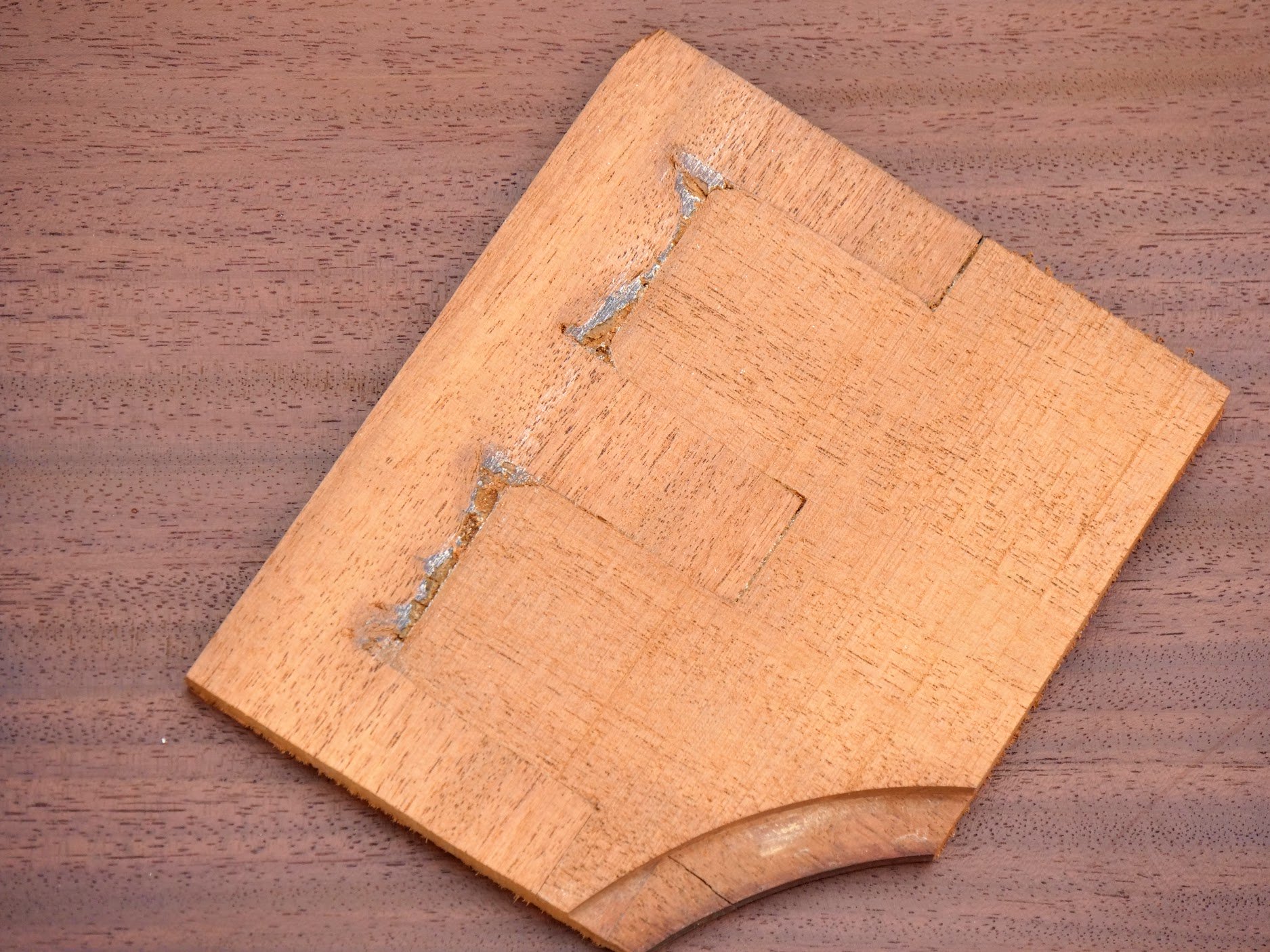
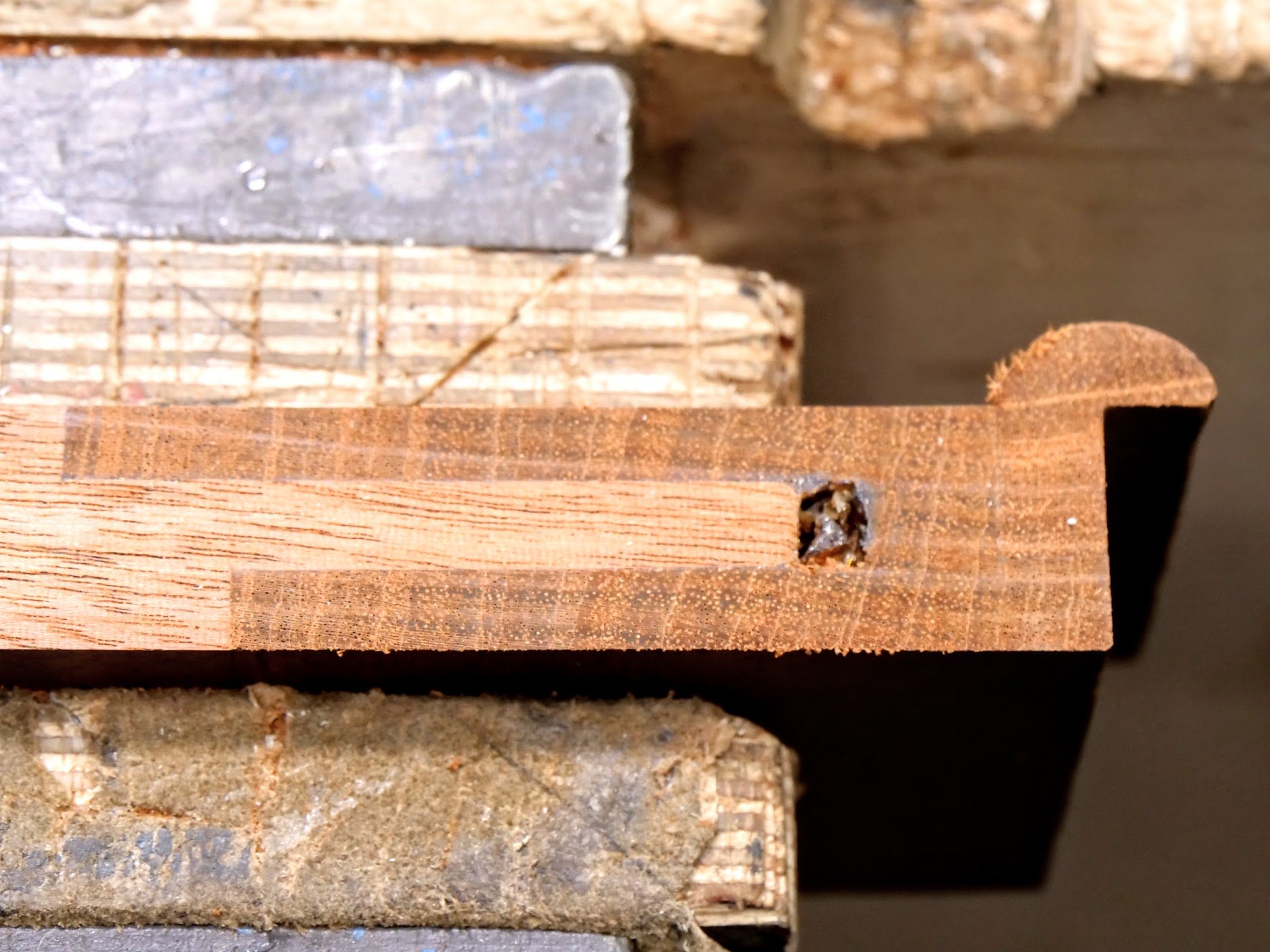
Is it the glue that sticks things together or the mechanics of the joints? Glue should never substitute for a well fitting joint and a well-fitting joint means that the faces inside meet as fully as possible so that they can indeed mate. Glues like PVA have three or more real values to us. One, it serves as a kind of bedding agent in the seating of the joints where often we cannot see. The glue dries between mating surfaces and fills any minor discrepancies between surfaces. I hasten to add here that minor means almost zero. Two, it gives adhesion to add to the wood surfaces and develops full integration between the component parts. Thirdly glue, water-based versions, swell the surg=face fibres and draw them together to make the ultimate connection and whilst still mildly wet cohesion becomes permanent even if the wood beyond the surfaces withdraws slightly from the outer faces. Elasticity in the wood allows this and the joint remains permanent. So you see you don't really need gaps for glue even though n much modern joinery today gaps are allowed for ease of assembly because gap filling and expanding glues are used to compensate for poor standards of manufacture. I good, not too tight but tight enough joint always remains firm.
Here is a good example of the most perfect mortise and tenon joint I ever saw.
No gaps and no air in the thickness or width of the joint and it was still together after 150 years and would likely have gone on for a further 150. That's my opinion and its right!
Comments ()