
Gaining Experience
Question:
Hi Paul,
I've invested financially and time wise in gaining training for joinery and bench work but need the ongoing experiencer to carry me through to become an experienced craftsman. I have tried to find a place I can work with a qualified craftsman but no one seems willing to take me on, even without being paid and going in on a voluntary basis. Do you know of anyone or anywhere I can get the extra experience through an organisation, an individual or something?
John
Answer:
Short question, long answer.
It's a dilemma I see frequently enough, John. The issues are varied. Most people believe that college courses give the best start when the most reliable training is side by side with a skilled craftsman. Apprenticeship to has lost its meaning so you'd best make certain what you define is the same as others. Not all apprenticeships are what we might recognise today as being actual apprenticeships.
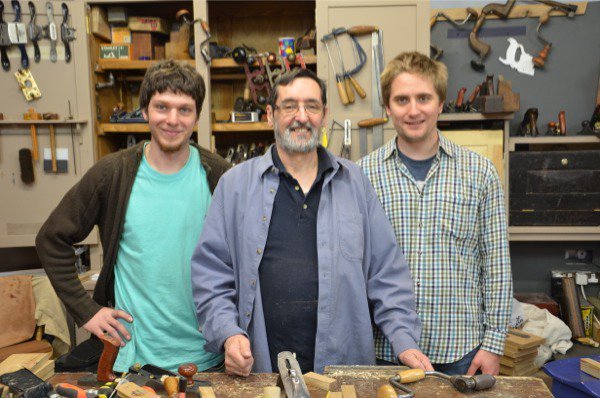
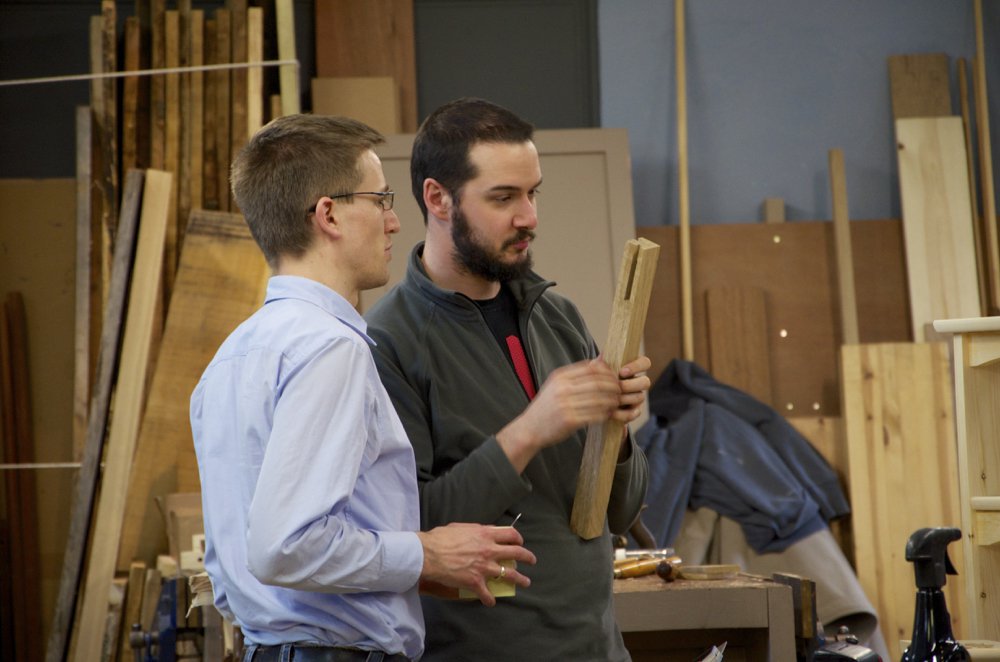
Employers, governments, colleges, schools and politicians bandy the word around to mean any and all training when in most cases it is a means of controlling issues such as common sense health and safety, qualifications and much more. Often this can result in all manner of unwanted governance in your workplace depending on the region, state and country in which you live and work. The term apprenticeship is quite different than it was in times past—apprenticeships and apprenticing I mean. Apprenticing was at one time simply a formal or informal agreement between a skilled crafting artisan or indeed a company employing such and an unskilled person seeking to become his or her apprentice. Parents would have at one time paid a master to take on their young adult for a number of years in-training so that at the end of say seven years (depending on the era, country etc) the person was fully skilled and able to work competently at their craft. It's a funny thing that people, parents and students, will willingly pay/go into long term debt to the tune of £30-60,000 to gain a degree that they actually might or even mostly never use to even do a job as their future work yet would not pay a company to train them to specific work. It makes good sense for someone to take their degree money and offer it to an employer to take them on—at the end of two or three years they might well have worked themselves into a job.
Your year in college, as you have already learned, is more the qualifier that you have the NVQ (A UK work-based qualification issued by a governing authority or entity.) needed to work. Government support by any measure will always mean work-place visits by entities to check out progress of both you and your employer or trainer too. This is an interference and even though perhaps valid at some level, it interferes and it does interrupt good work practice and productivity.

Work experience is naturally much much broader than the college can provide in the artificial conditions and environs of college structures and this is what colleges in general cannot give you. Often the NVQ ties in with work and the workplace an apprentice might work and train in; really putting flesh on the bones as it were, real working conditions. Thankfully you can gain the real qualification in Britain of just going to work with someone like myself. So far, those I have taken on as apprentices through the past 30 years have never actually used the degrees they had for anything in terms of gaining a job or being qualified for it. I would never take them on because they had a degree, only because they showed a passionate interest in learning with me. On the other hand, others that work for us do have degrees that well equip them for their work. So, all things considered, it seems that craft training would, if possible, best come one on one as in times past. It seems that college may well deal with things that should have been taken care of in school. You know, maths and English, social studies and such.
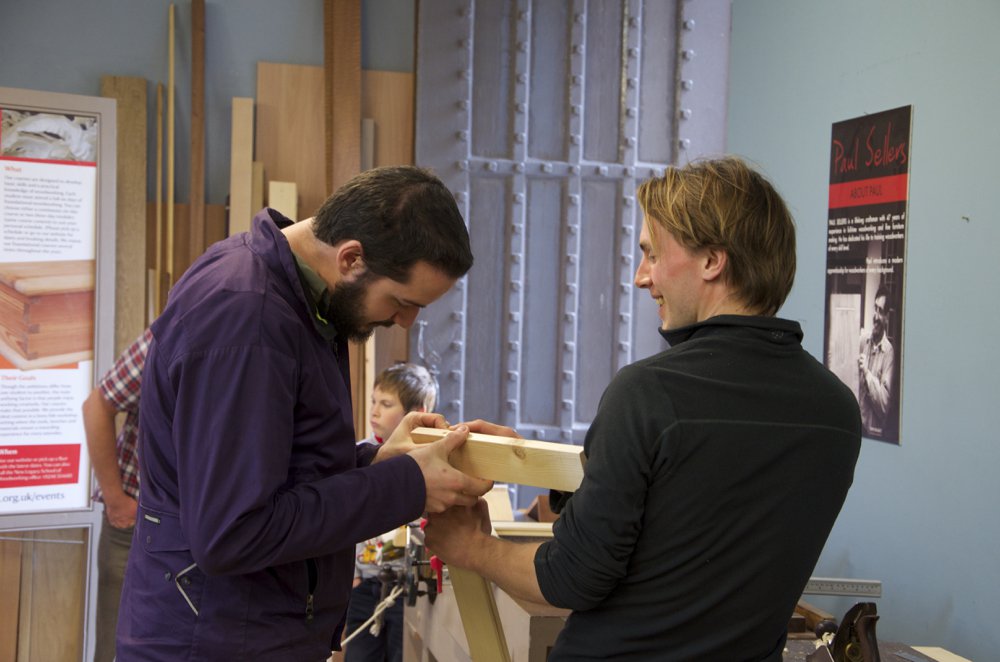

Another thing that adds difficulty these days occurs because there are so few small companies available to offer apprenticeships. Many companies, small entities and one-man-bands, simply cannot afford an apprentice even if an apprentice volunteers to work for no pay. This might be construed as slave labour these days. It might be seen as your taking advantage of an individual if you are in the position of business owner. The truth is this. Even if you do not pay an apprentice you have added liabilities. How do you insure for someone not working for you in your dangerous machine shop? How does an apprentice make up for your lost time training them. My experience proves that I am about 50% efficient if I have an apprentice working with me. In times past the ratio might have been one apprentice per 5-10 craftsmen. The company could absorb the costs of an apprentice, which ensured they had a skilled work force through ongoing training. I use the maxim, 'One apprentice makes a craftsman 50% less efficient, two apprentices 100% unproductive.' Of course that is something of an exaggeration, mostly, but it is not too far from true because on my own I can indeed do the whole job myself without the interruptions. Of course we, in our goodwill and ambition to help, look beyond the first year to the year when we can indeed start to allocate work to a productive trained person.
The idea of taking on an apprentice is to train someone to work inside your labour force. It is always a costly investment. Often people who want to train today want not to work for someone else but to gain the training and experience so they can then go on to establish themselves in their own independent business. At first they are grateful for the opportunity to train, but it is common for an apprentice, after receiving enough training to be somewhat skilled, to leave and set up in competition with their former employer. They, during their time in employment as an apprentice, had access to everything they needed to establish themselves—estimating jobs, using the same suppliers and so on. They underbid jobs to get the much needed work, even, as in my case on three occasions, steal your designs, customers and sometimes materials as they set themselves up. This has had an impact on small businesses and cannot just be ignored. This then begs the question, why would anyone take on an apprentice if there is no ultimate return on the investment?
Comments ()