
Step Ladder Making I Enjoyed
June 2017
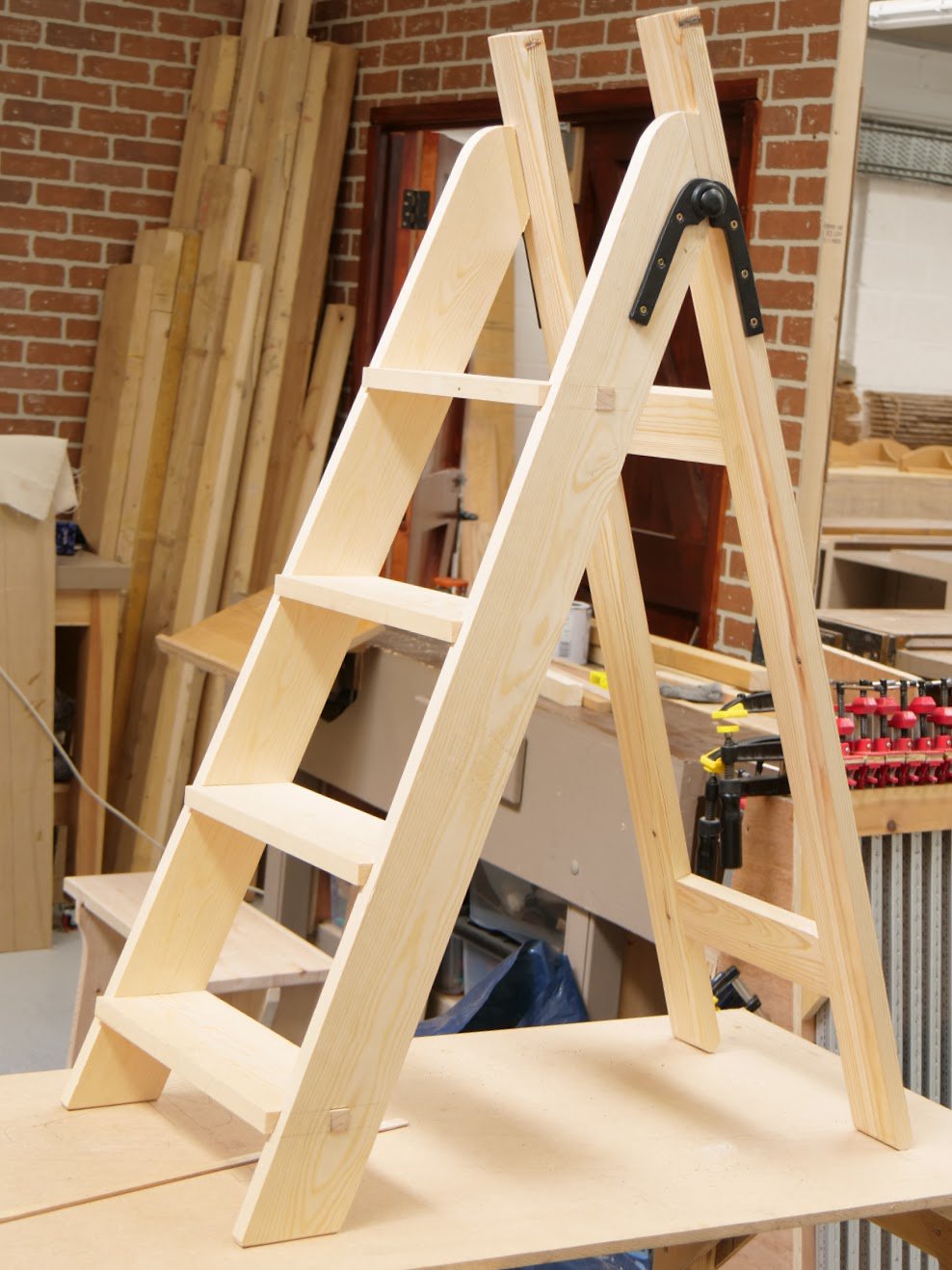
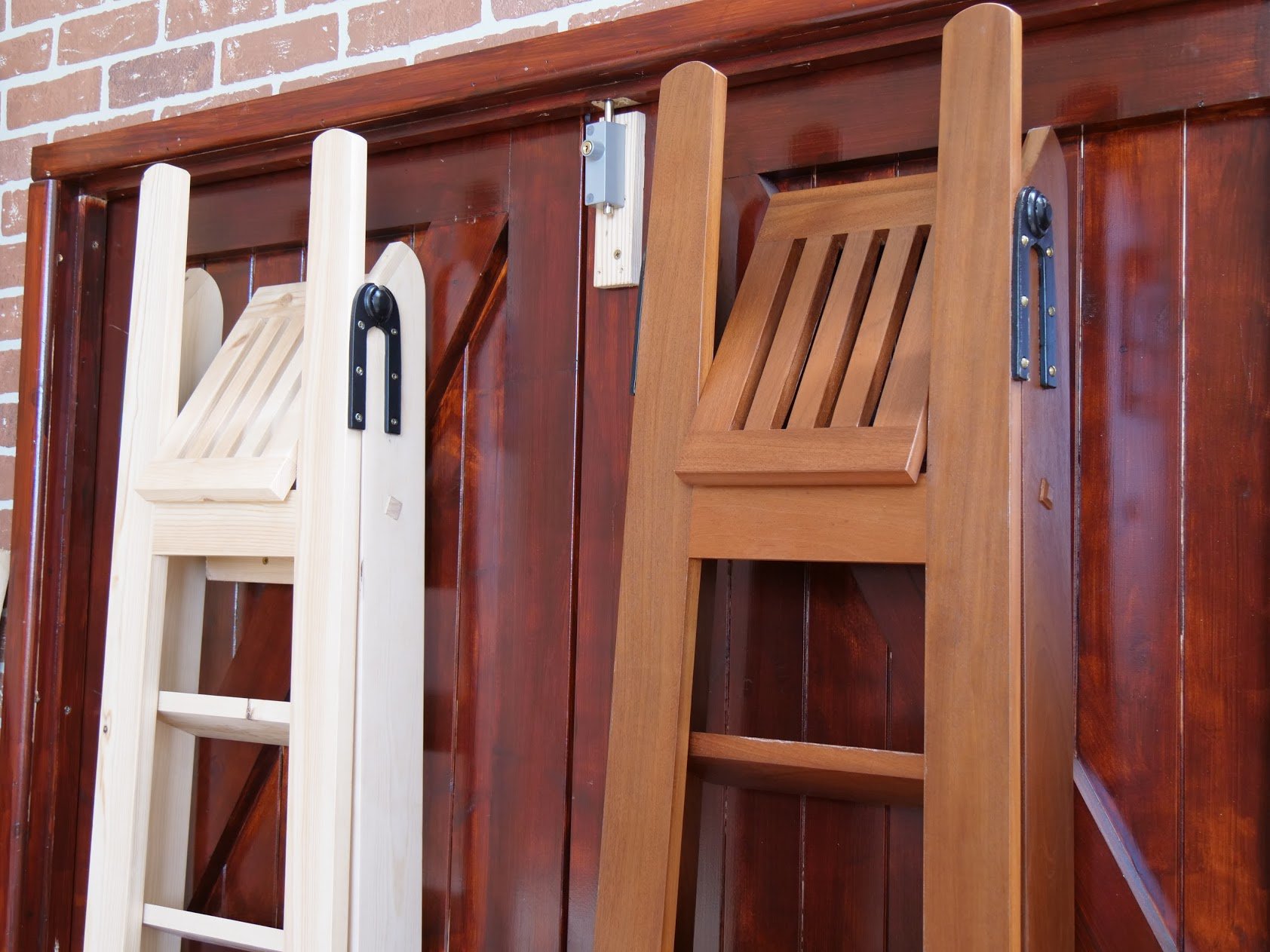
I recently concluded developing a new pair of stepladders, actually I made two pairs in the perfecting of the video series we made. In the mix of everything I used two woods that made me conscious of how much we do indeed take our wood for granted. When I went to the US to live I was quite surprised the first time I heard people say something like, “I was surprised to see you as a craftsman making something nice from trash wood.” I naturally defended the wood and still do simply because my understanding was utterly different. Whereas most woodworkers rightly defend oak as a resource, in Britain about half of the furnishings produced for utilitarian pieces including furnishings did indeed come from the softwood range of timber. I’ll admit the pine I was using when living in the USA seemed less stable than ones I was used to in England, but I attribute that to extreme levels of force drying, forced growth and short tree life and not the wood itself as a problem. Kiln drying is an impatient forcing of moisture removal that seriously affect timber stability. Pine is mainly associated with rough pallet wood when mostly it’s not pine that’s used so much as colourless and characterless other white-grained woods. Strangeness aside, pine has been an amazing resource to us and we have relied on it for centuries. I will always love it. What most people may not know is that not all pines are created equal. By equal I mean they share a name in part but even with identical names they grow in different conditions and therefore produce different results and so differ in density, workability and more. Beyond that, how long and where the wood grows, how it’s cut makes wood unique to its tree. How anyone can say wood is a trash wood I shall never know, beyond it being in ignorance alone.
I often wonder if we know sometimes what we are actually saying when such things are indeed said that way though. Evaluations are one thing but on what basis are they made. Opinions matter all the less usually if they are not based on true knowledge through the experience of working i it and working it for a longish period. I have seen many vintage tool chests made from pine a hundred years old and in permanent service. If the men I served my apprenticeship with used it to make their tool boxes from as a commonly available wood, and then carried their tools in them for five or six decades, who am I to deem the wood trash wood and unfit for purpose?
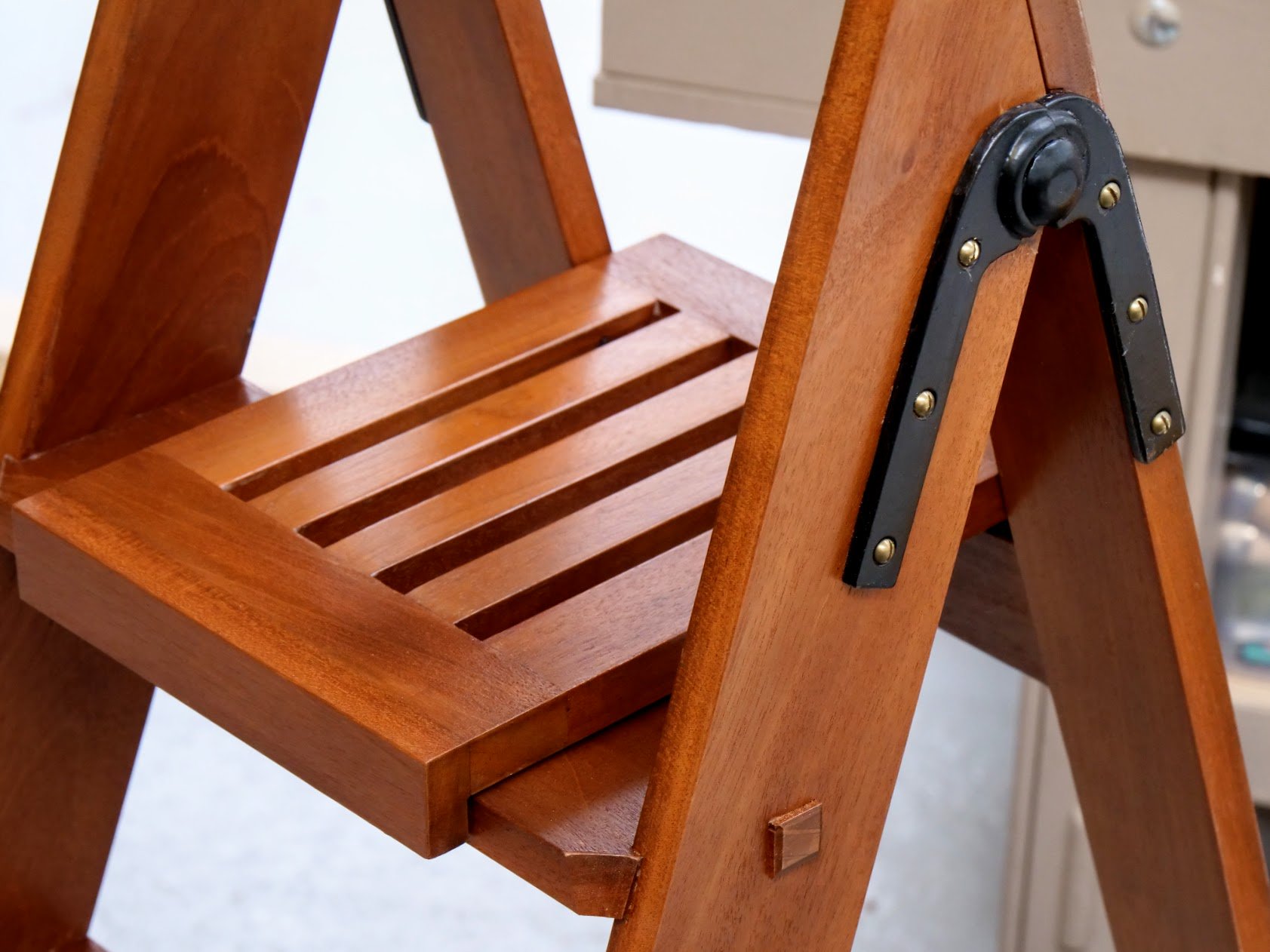
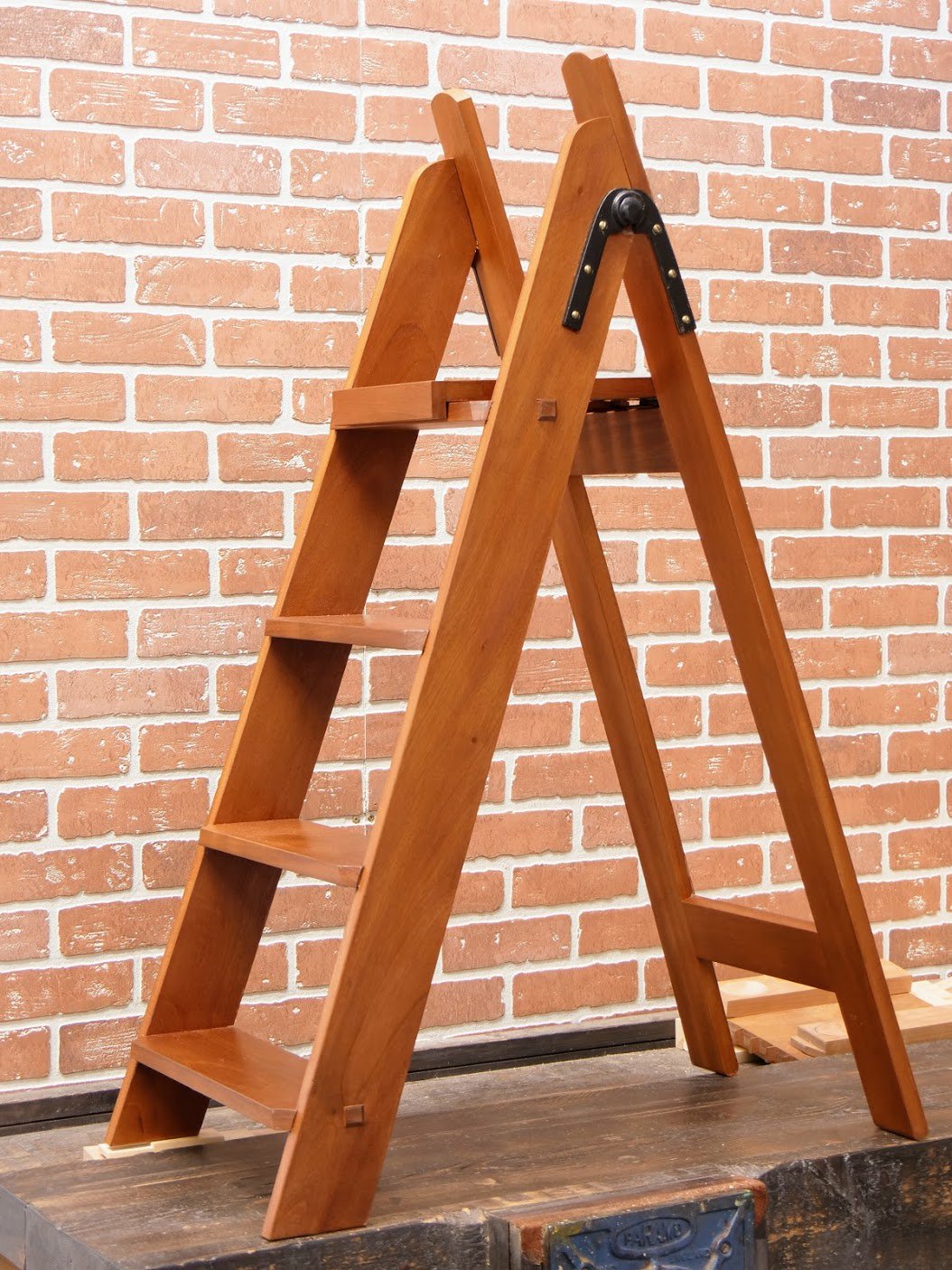
The pine stepladder is very lightweight and strangely resilient to adverse pressure. When it squats on all forms it’s solid as a rock and it has no rattle anywhere. I feel absolutely secure on them. Even the better made aluminium stepladders rattle and flex and I strongly dislike that despite the fact the most H&S guidelines support the use of aluminium stepladders to be used in the workplace over wooden types. If I wasn’t filming I could make the pair I made in a full day whether they be pine or a hardwood. My mahogany pair were pure joy to make as mahogany peels like butter. I love the dark, rich grain for its diverse colour but also the way it works with hand tools. Join us on woodworkingmasterclasses.com for this and several other new projects about to unfold.
At the end of all things man has no right to say any wood is a trash wood. When he does he is saying he has no understanding of wood. Without it we would have no clean air to breathe. Isn't that enough for us to value it alone?
Comments ()