
Planes to Buy and Planes You Best Avoid
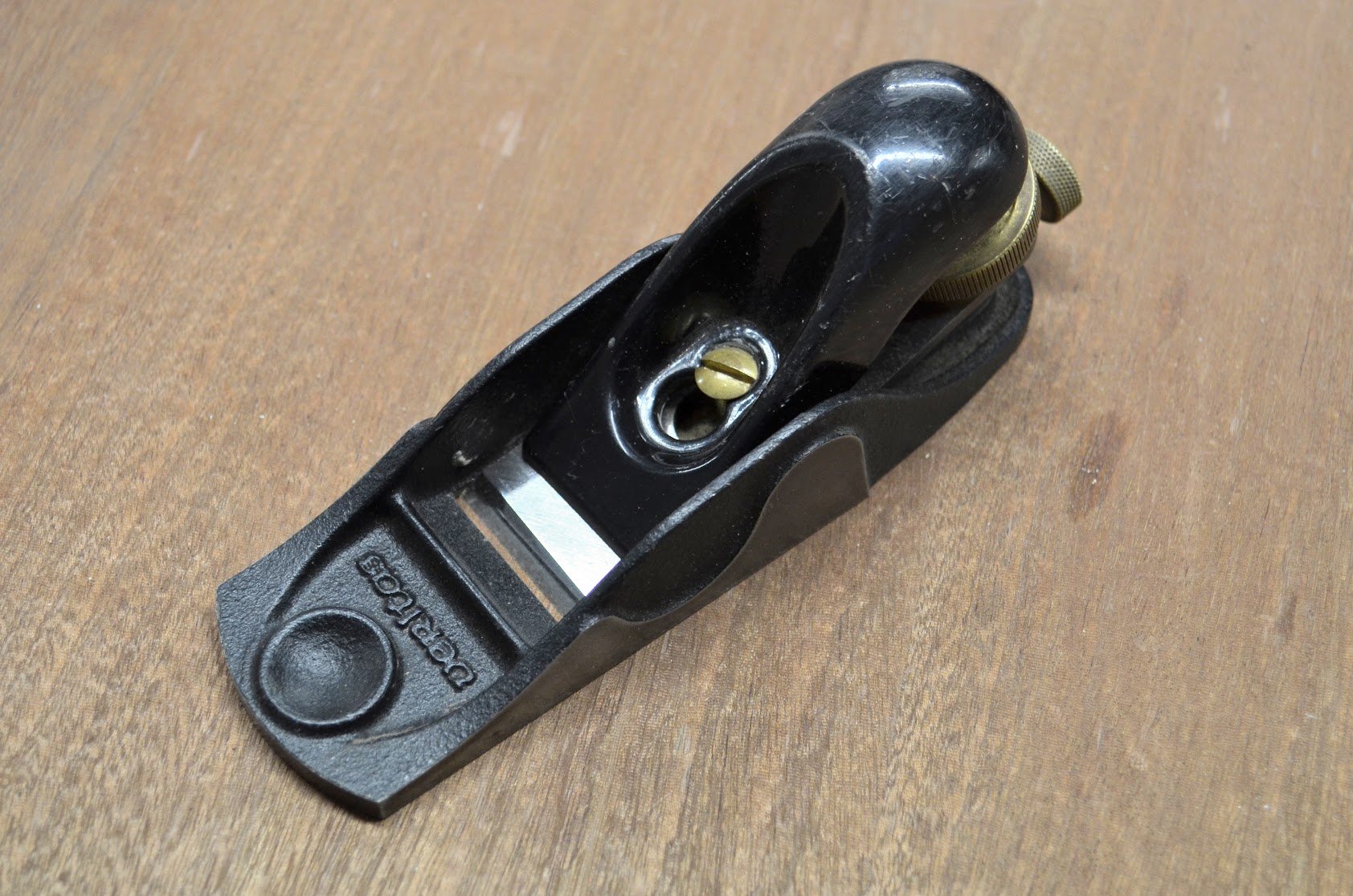
My basic view of the smaller planes called block planes is that they might occasionally prove handy but they have only limited real value in terms of general woodworking use unless you are working on smaller work at say finer levels where larger planes may perhaps be a little cumbersome or for some other specialist application. These planes are not bench planes as such and therefore do not do nor were they intended to do what bench planes do. Don't be confused as to their functionality and worth. I know a statement like this usually brings in a tirade of comments of how others find them to be their most used and useful planes. Of course that's fine, I just don't want people the do what the big brothers do that's all. I use mine periodically throughout year, mostly some quite specific work surrounding small components and then for some single-handed functions. I in no way want to discourage anyone from owning one, but not all block planes listed under the name block planes were created equal; some that I know and speak of should never have been made.
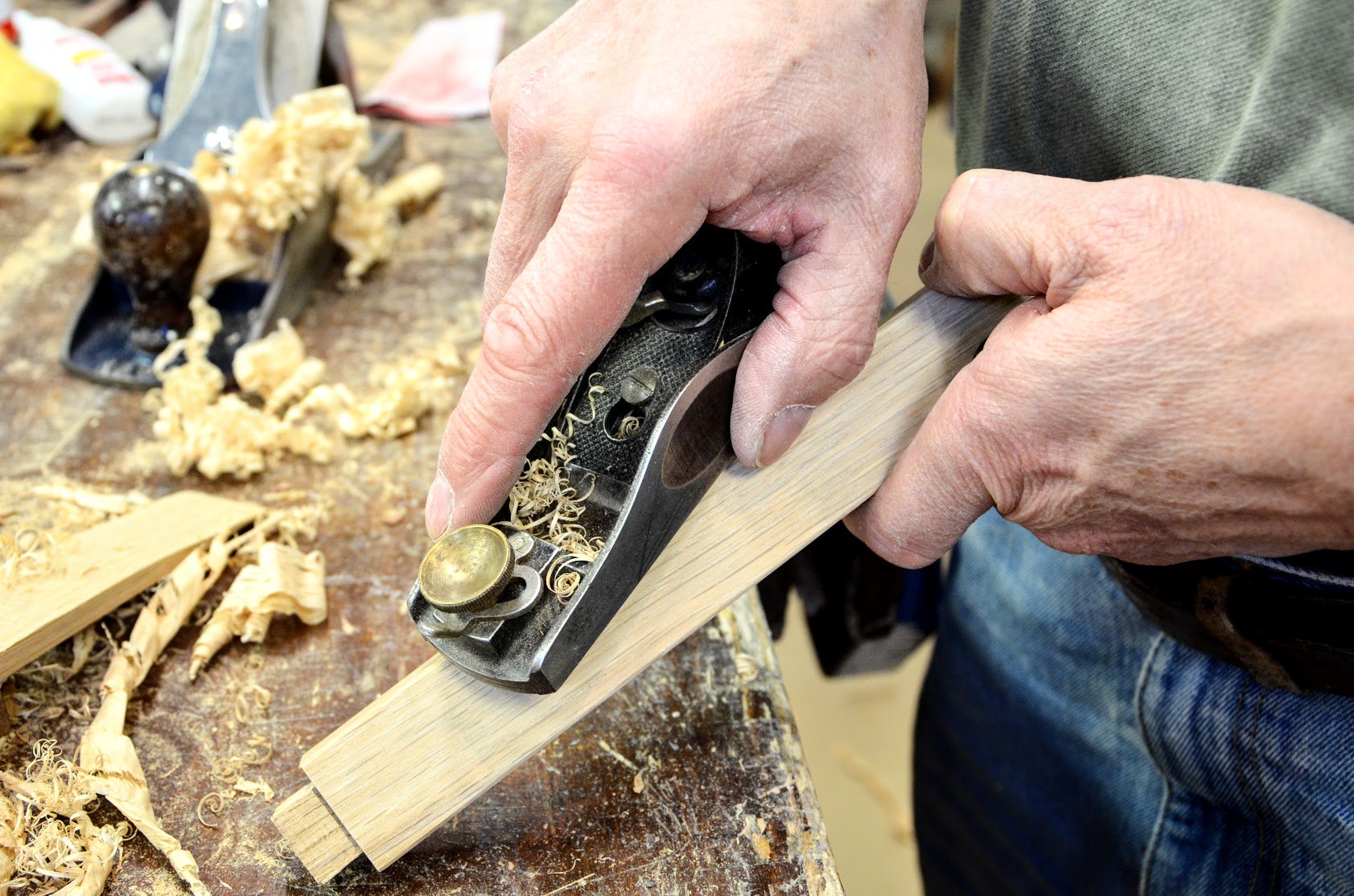
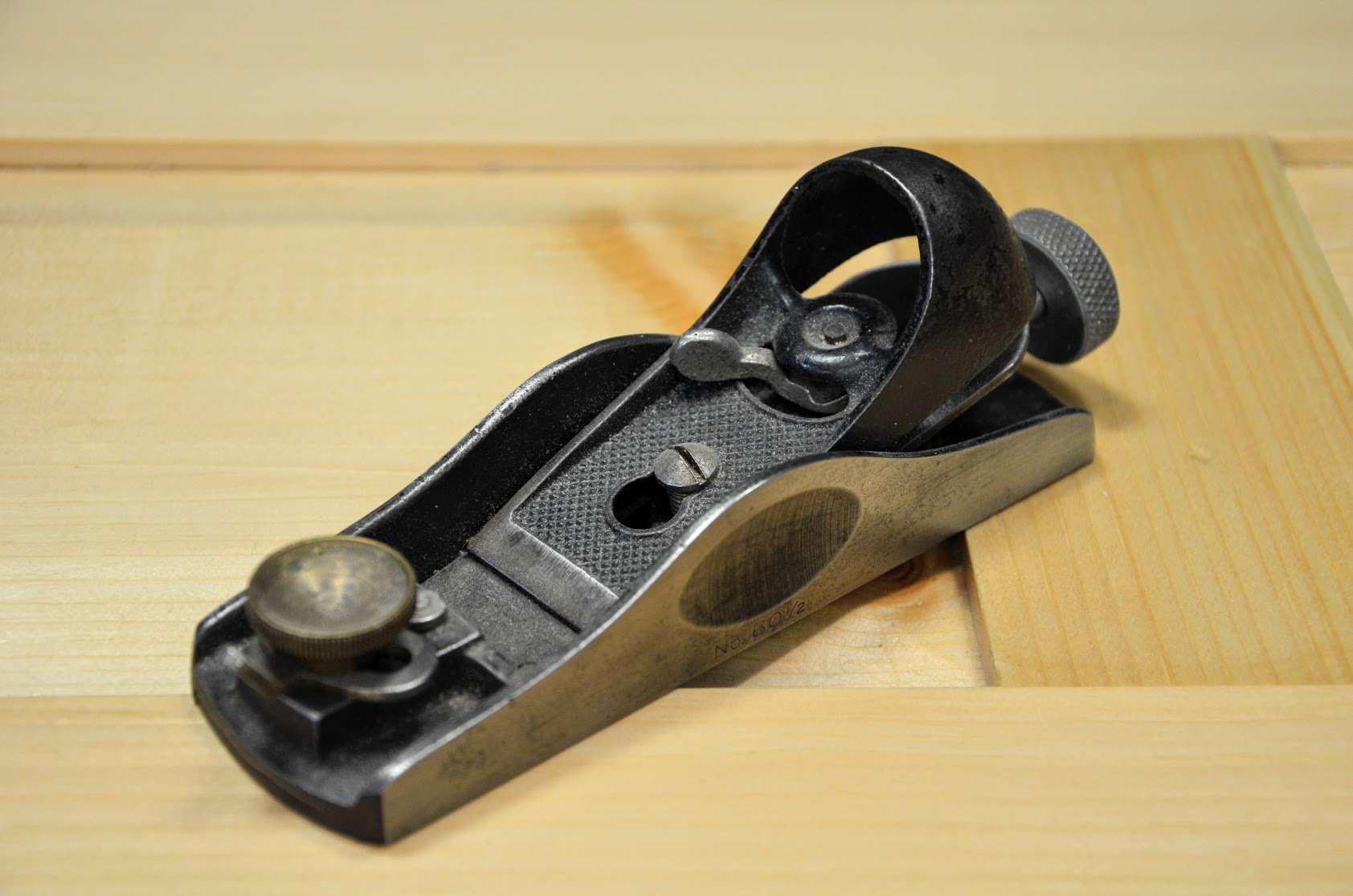
When I worked in shop-fitting, some decades ago now, three block planes numbered as models 60 ½, 220, 9 ½ were well proven and better-made block planes that were somewhat irreplaceable for some particular tasks. Specifically, we used them mainly for trimming plastic laminate flush to the substrate or an adjacent facing of laminate too. Those were the days before flush cut router bits came in and plastic laminate work was very nearly an art form all of its own where all edges and corner were planed with a block plane first to remove the bulk and then hand filed and to create a slightly radiused camber rather than merely bevelled.
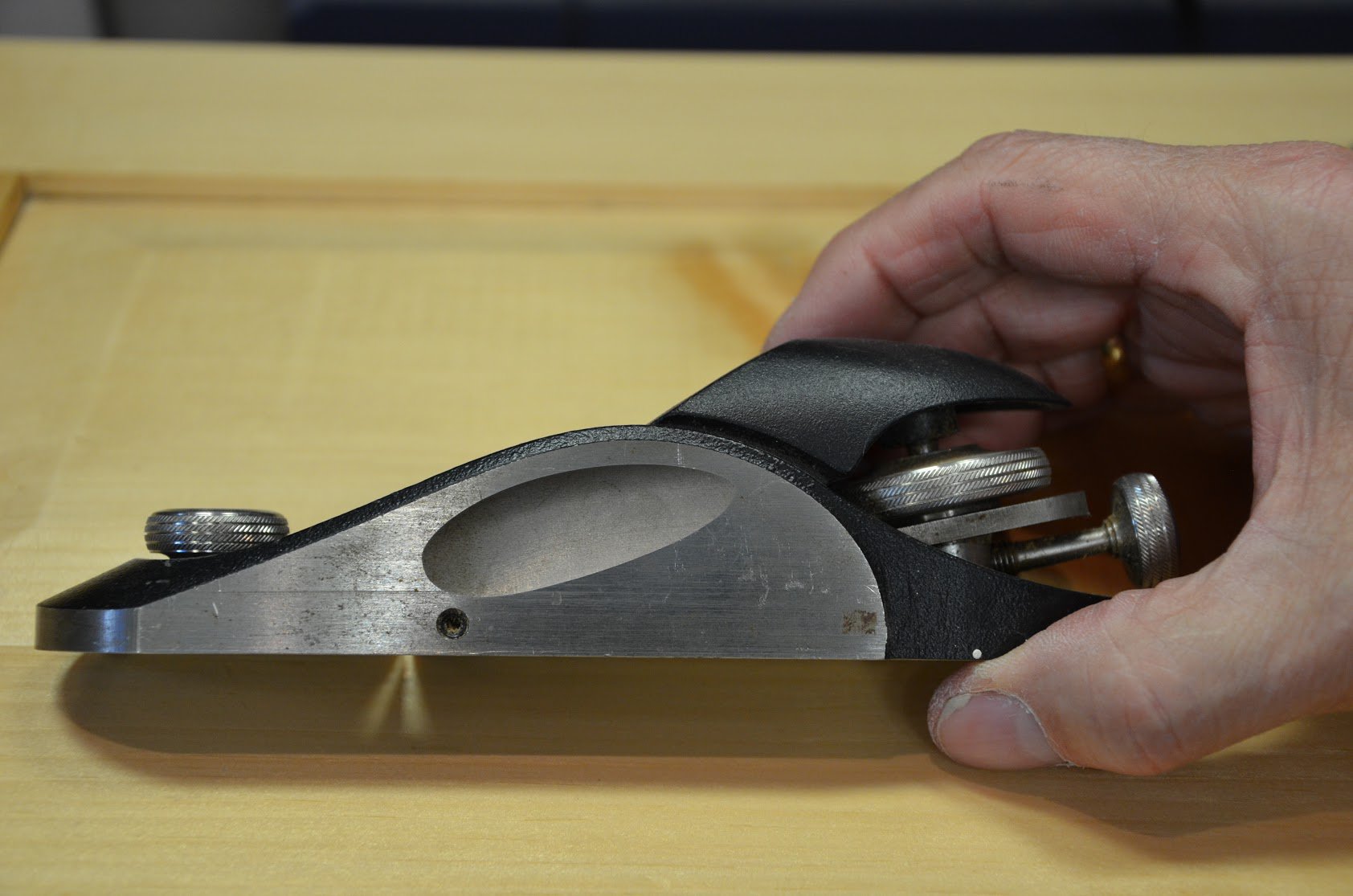
I recently watched another maker using a #220 to trim his 'real wood' iron-on edgings to MDF flush when he was disguising his substrate beneath veneer. This block plane was great for that too. But many new woodworkers buy these planes for surface planing believing that the size might be more manageable for them following a trend toward a bevel up option. Unfortunately, even with the better-made brand, they most often prove to be more of a problem to working wood than smoothing it and certainly become more than they are capable of resolving. What some claim only a block plane will do I can assure you, unless you are in a very tight space height wise, a #4 smoother will do just as well and usually much better. So for removing that internal arris of a drawer rim, trimming off plastic laminate or edging, they do have some valid usefulness. Mostly they benefit because of their single-handed, in-the-palm use, which releases the non-dom hand for holding the workpiece or indeed to pull against as you push the plane on into the cut. My concern is you might believe they will do more than they can.
Now for the bad,
bad onesNow then we get to the real purpose of my blog here. Two planes stand out to me as planes that should never have been made and should never be bought. The models Stanley #110 and #102 or the Record equivalents of them. They were the cheap and nasty, dead ugly and pretty useless. They were indeed by far the worst planes ever designed and made and they just keep popping up in places. I was asked again for my feelings on the them recently. So here it is. They are nor cute, nor nice. They're awkward to use and rarely work. They bite like unpredictable horses and dogs, just when you least expect it. My best use for them so far is to use the blades to make scrapers and scratch stock blades from. Landfill burial is too good for them!
Comments ()