
Quick Plane Tips (Pun Intended)
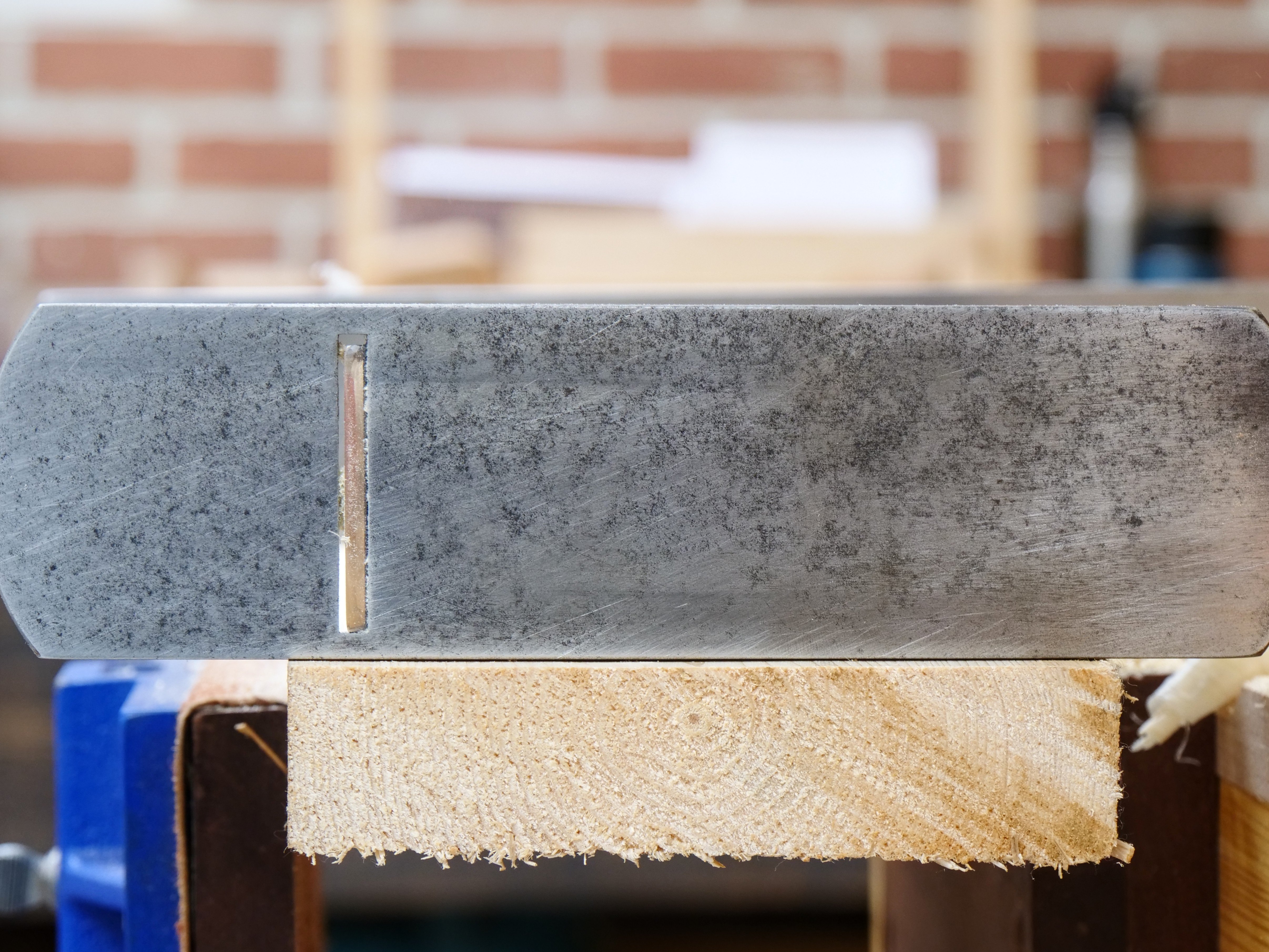
I was a boy when I first saw it. George planed the board flat and it looked flat to me. What did I know? Life was different then I think. 15 years olds, in a workshop filled with adult men, I knew then I didn’t know anything; at least not much worth knowing. The oak board I thought to be flat was crowned. Tipping the plane on its corner across the board’s width showed the highs and lows, if there were any. It was simple and commonly done.
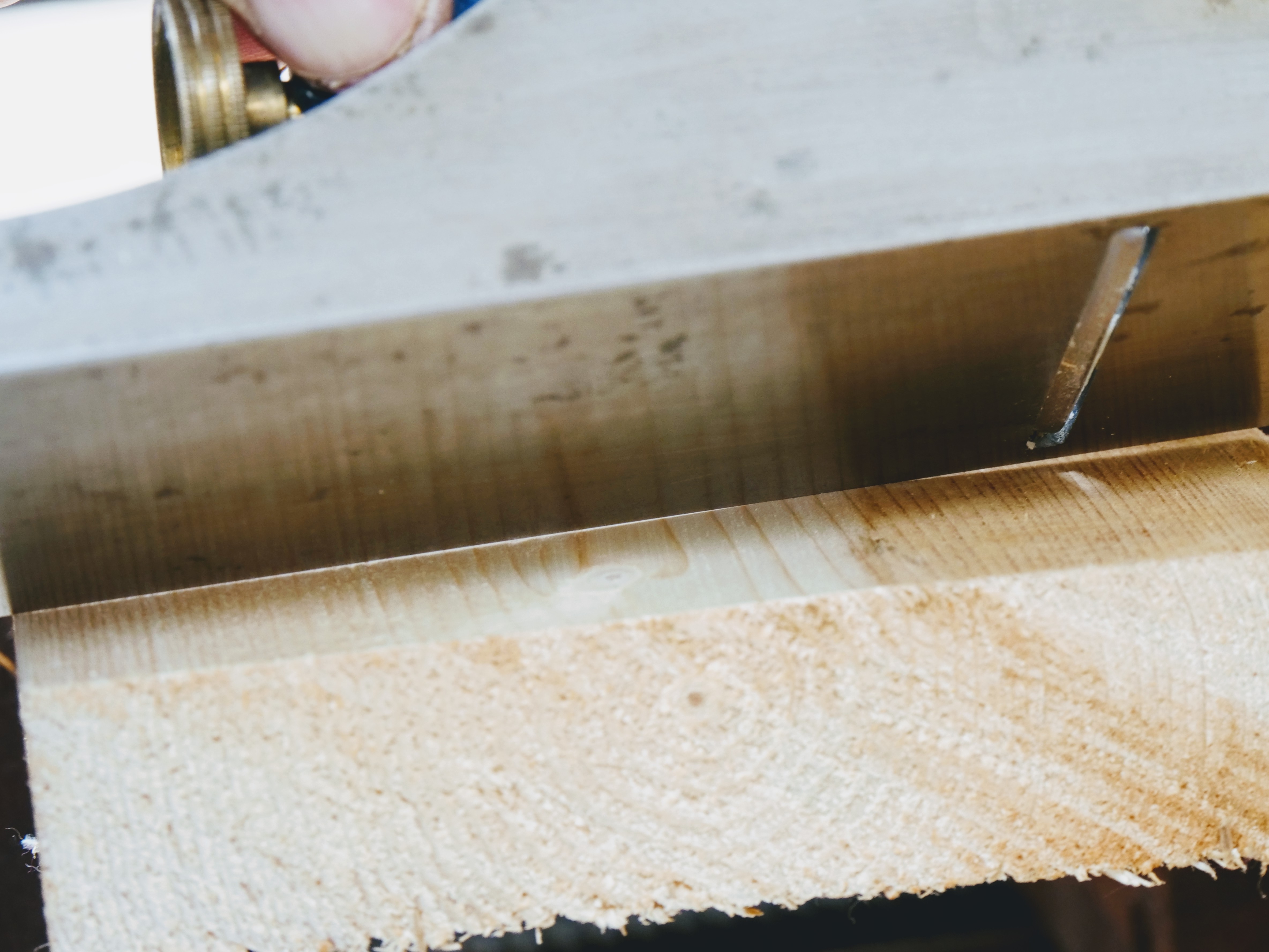
Now I do it all the time and have done for 53 years. It’s accurate enough and it’s very quick–gets you back to the task in a heartbeat.
The next step or tip for me is not one I’ve seen elsewhere before. With keeping a few planes close to hand on my workbench, notably two #4’s and a #5. In the process of prepping wood you can lay two planes over on their sides altogether across a board to look for any twist. Though this board is too cambered at this stage for testing, I am sure you get my drift, see how the back jack plane is higher on the right when eye-balled with the #4. Just as an initial example.
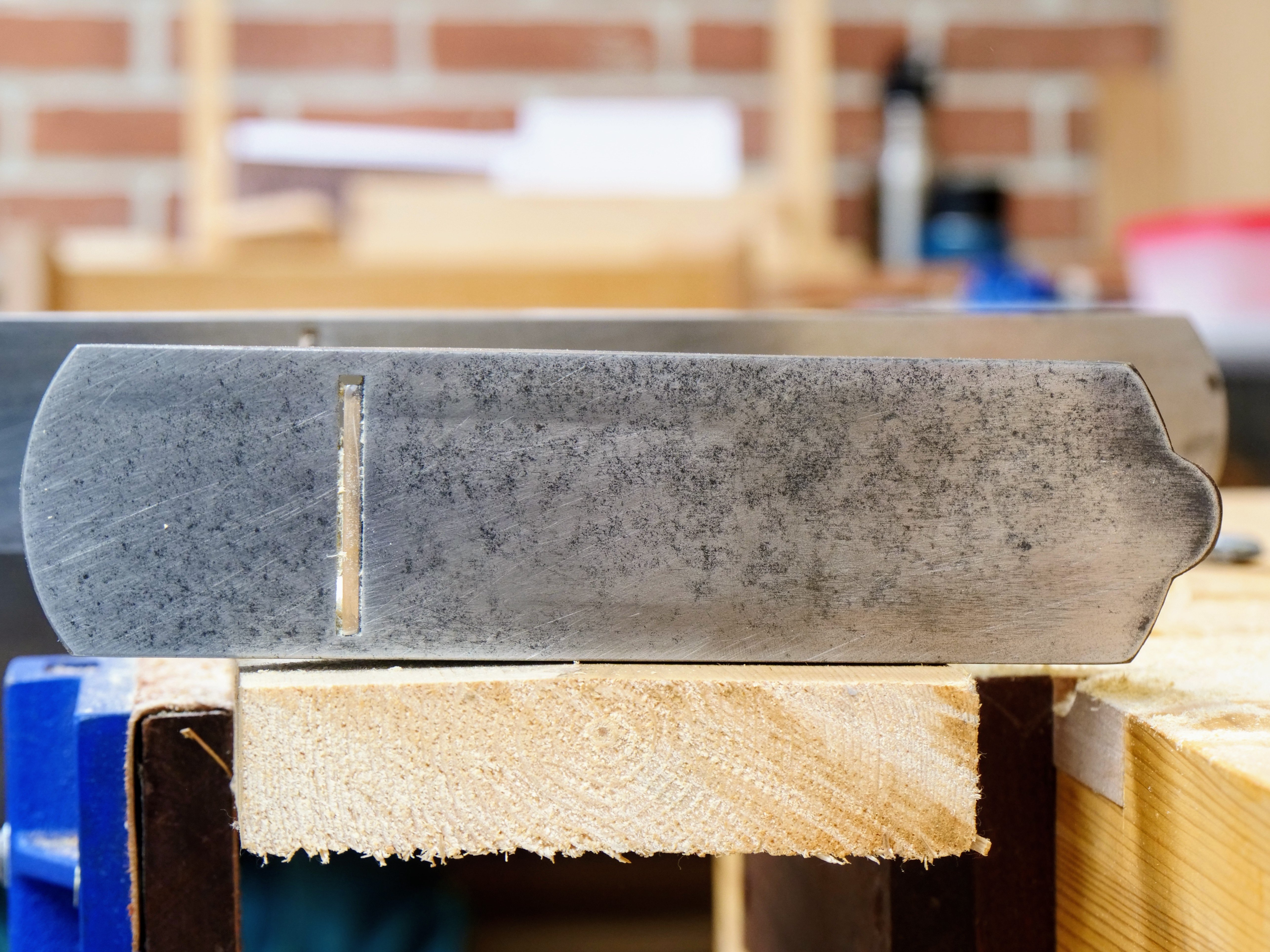
Other surface planing to remove most of any unevenness, and using the sole of the plane to transmit, as it were, the next step is to lay the two planes on their sides at opposite ends of the section of wood, as you would winding sticks. It works best to use planes, of the same width; #4’s and 5’s are the sam,e or 2 #4’s.
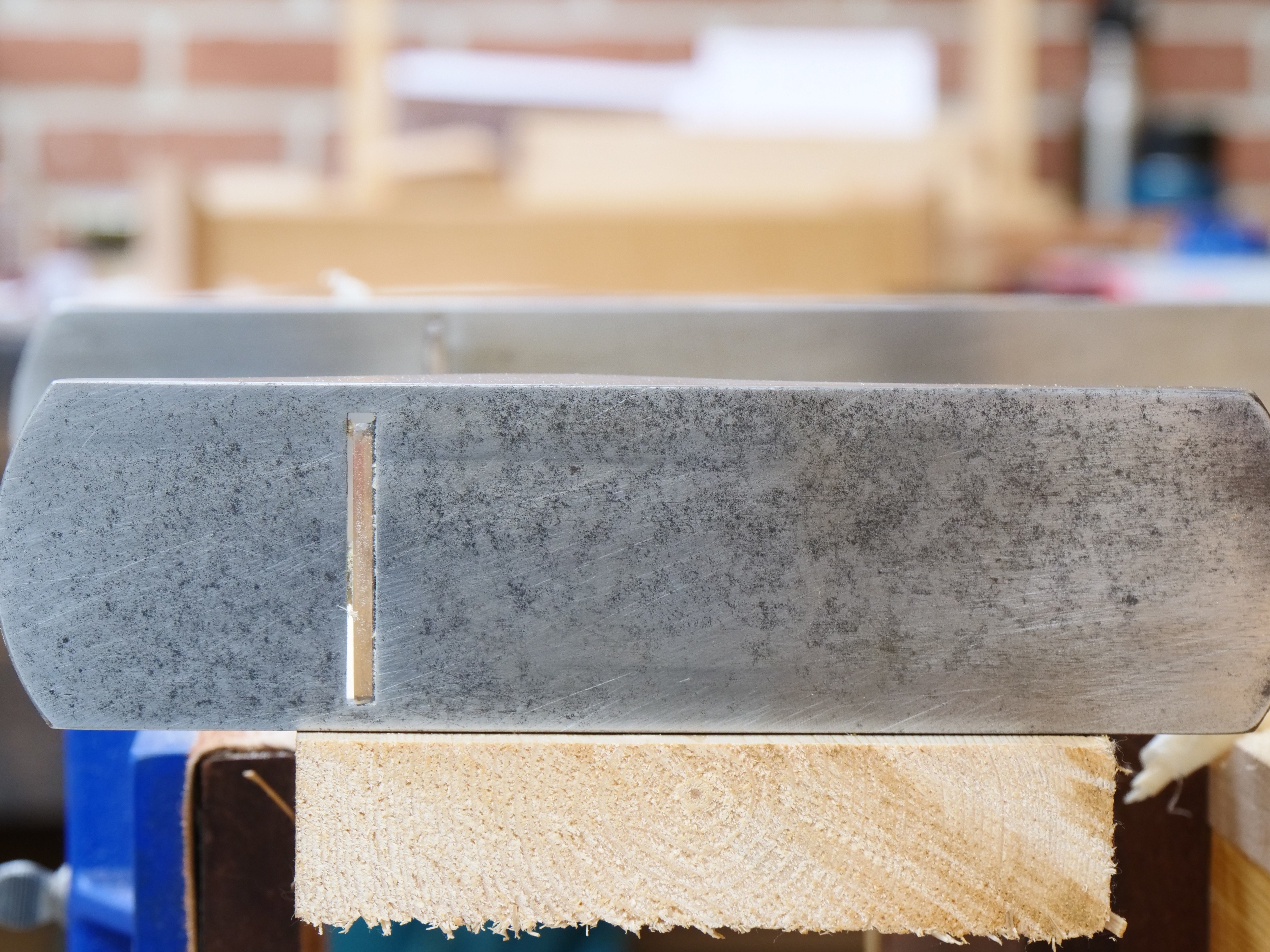
The exaggeration gained by extra long at the back also helps magnify twist too. Then you plane high point to high point as normal to lessen any of the twist and retry.
This shows I am closer by far but not quite there. You will need to balance the planes on narrower stock as sometimes the plane weight may not be even, but this trick does work well for me if I am too lazy to reach for winding sticks or, indeed, away from my bench or shop.

Comments ()