
Forensics in Woodworking - Links to Becoming a Woodworker
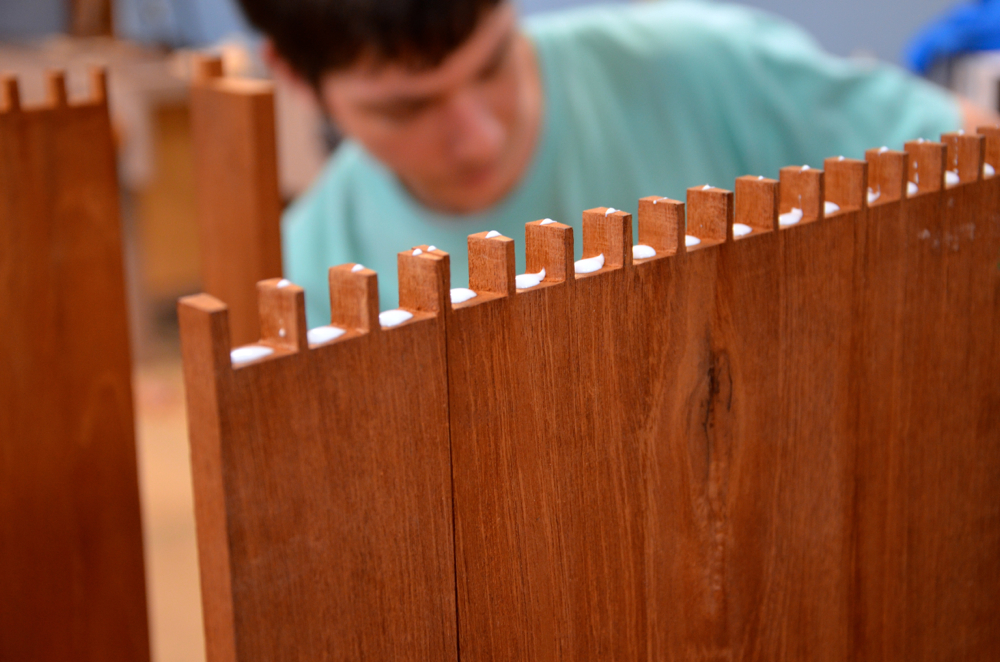
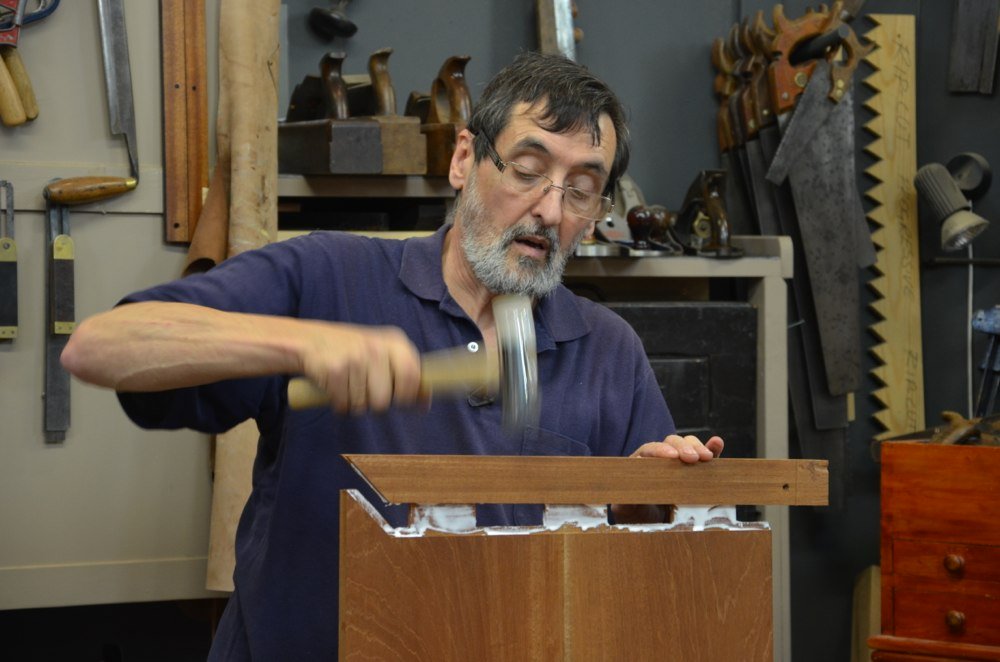
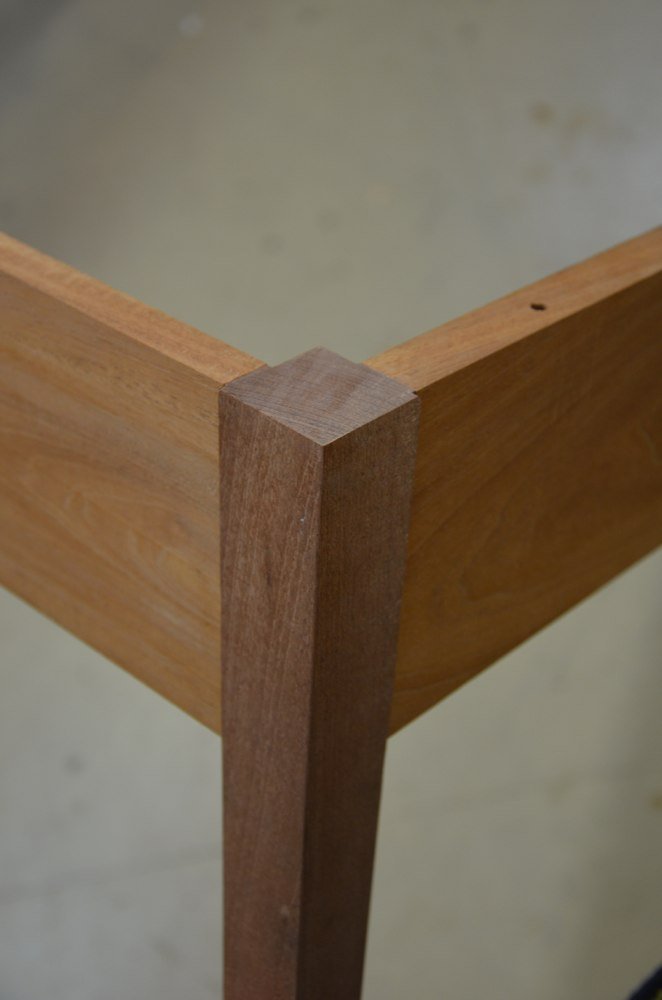
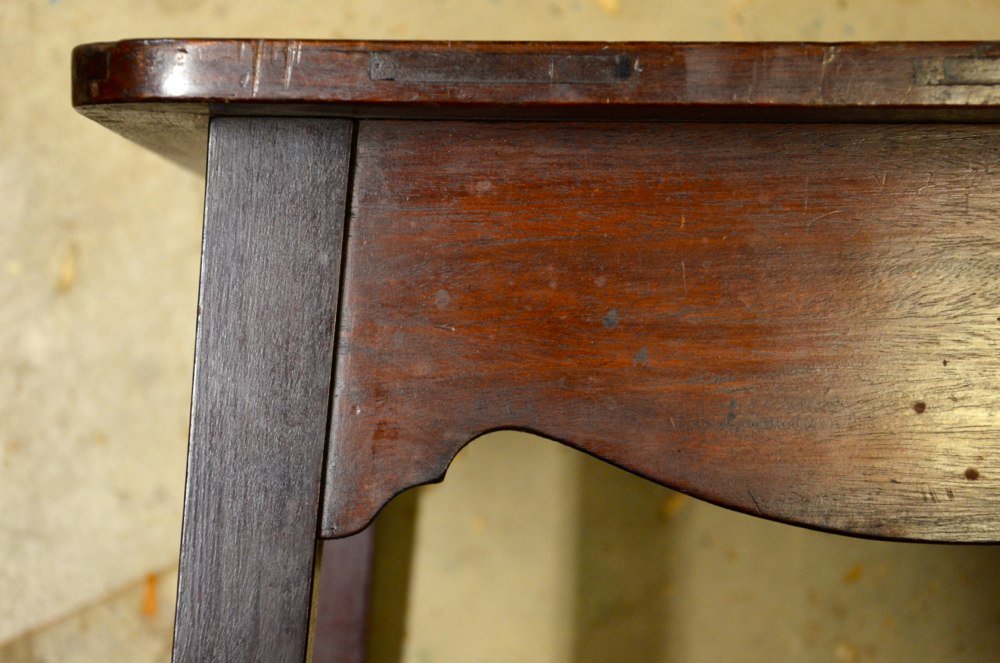
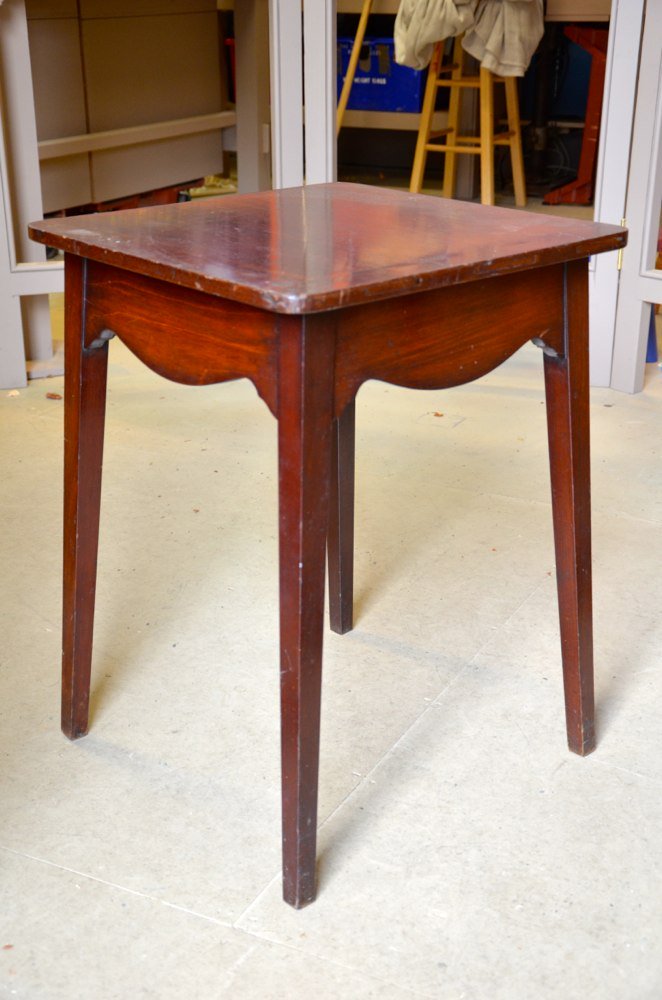
One of my most favourite woodworking series we filmed for woodworkingmasterclasses was three years ago now, I think, where I replicated a very unique and inspiring occasional table. Made from mahogany, at first glance the table might have seemed nothing of much out of the ordinary. A simple looking piece with no particular embellishments to make it stand out except, well, the very simplicity of the piece itself. I suspect that this piece reflected the man that made and then too the one who designed it; perhaps one and the same man. The reason I say it was simple is in the sense of it being perhaps more Shakerish, I suppose. Not that the workmanship was simple or the piece that easy to make, considering the splayed-in-both-directions legs joined by mortise and tenons taper-haunched into tapered legs and such like that. No, in essence of workmanship, the piece surpassed most of any work you might see today, but its inner workings were what taught me and gave me deep insights into the man maker and his respect for workmanship. Most of the impressive aspects were almost always hidden from the observer. Needless to say it was by this that I advanced my skill levels exponentially, primarily because I was humbled by its anonymous maker. Whereas I don't want to lie by exaggeration, I did become a better, more exacting craftsman, more highly skilled, better qualified in my work. Because of its high levels of exactness and execution, it caused me to reflect on those areas of my work life as a craftsman I might never have considered before. I saw how such a halting by stunning workmanship can, if allowed, intersect a man's life to continue training long after the man who made a piece was altogether gone. By such things the spirit of craftsmanship is kept vibrant and living.
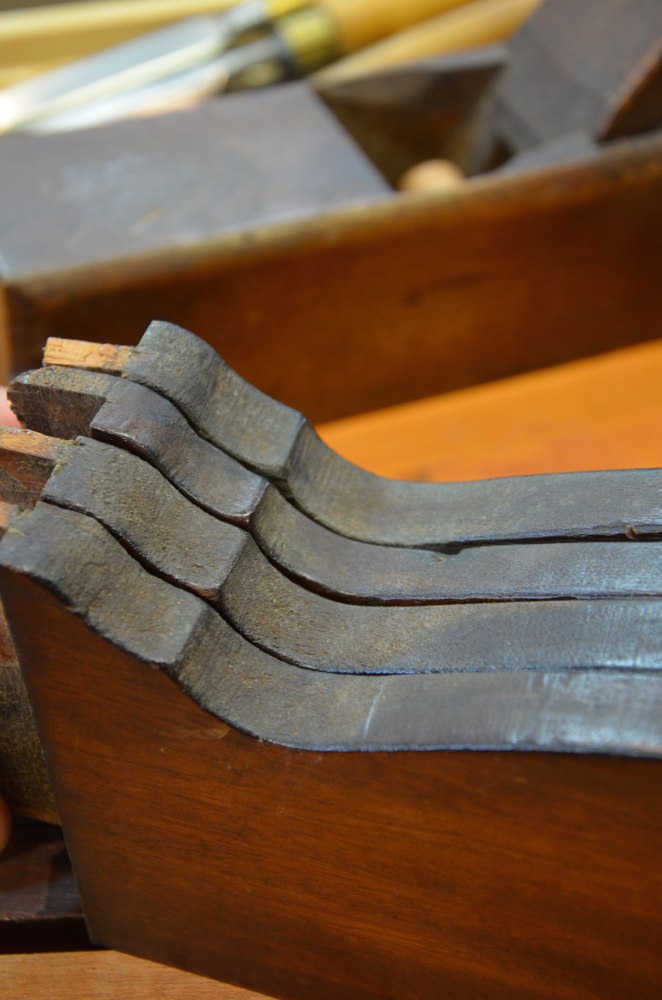
I think that it is a true statement to say that though a book of old might give insight into what was made and by degree how something or things were made, what they rarely of ever give are the inner trade secrets. And that's how I now see the significant legacy of woodworking left to us in the paring cut of a chisel's and the stroke of a saw and a plane. I remember dismantling the joints he made and discovering a sharpness I had yet to see in any working craftsman I'd met earning his living from his work. It's doubtful too that those now responsible for teaching and training have these insights at their fingertips or even understanding such things. Every time such discoveries come my way it drives me to rethink how we today view ourselves as craftsmen and women. Such things should cause us to dig deeper for the insights and wisdom it took to create such fine work. The answers are all around us for us to research.
If the craftsman that made the piece I speak of had such high levels of self demand when it came accuracy, why do we seldom believe such is possible in our modern work. Despite 150 or more years of daily use, everything about the piece remained totally functional and with all of the joinery still tight the piece is good for another 150 years. No iconic makers offering furniture provide such longevity thought into what they sell. Anyway, the standards certainly surpassed my own and gave me the penchant, even in my mid 60's, to achieve much higher results. I say all of this because throughout my life as a working craftsman I have I suppose 'bumped into' workmanship like this that influenced changes in me and this type of work has been nothing less than total tutorial to me, giving in essence a mentoring element even though the craftsman may well have been dead and buried for a hundred and more years.
So when someone asks me how they can become a woodworker it's really simpler than it seems. Remove what you don't need and see what's left. You don't need fancy equipment, fancy tools and expensive equipment. You don't really need every machine out there either. What you need is a drive for skill and no substitute should stop you acquiring it. You don't need a big shop space. Surprisingly, probably the last thing you will need is any kind of degree or even a college education of any kind and though everyone today should have the opportunity to enjoy reading, writing and mathematics, `i have known those who couldn't and they worked their way through life as a craftsman just fine. Go back 60 years and most crafting artisans prior to that time for centuries had no degree from a college or university to qualify them. That fact alone should make the process simple. So I am just suggesting that you put away the reasons for not doing something, take the bull by the horns and seize the hour. It's dead simple to become a woodworker. You don't need a degree to become a top-notch, highly skilled and sought out woodworker. You do however need to master a basic course and we've made it so easy to train. A few weeks in the shop every day will usually do it. Online training with woodworkingmasterclasses will give you all you need to progress your craft to the highest level. From there on there are many ways to develop and grow.
I also think it's a good idea not to loo for a full time job as a woodworker and better to just find a job of any kind that gives you income. That way you pay the bills and get on into woodworking in the evenings and weekends. You don't have to get paid to woodwork. I'd stack supermarket shelves for a living if it meant I had evenings and weekends to work wood. I'd find shift work to give me daytime to work wood. You don't have to get paid to be a woodworker. If it's in you and you take five years at weekends and evenings to gain skill, you can then consider whether you want to do it as an income provider. If it's a choice between watching TV for four hours or working wood, then that is a no-brainer for me and so too going to the gym for a workout when I can get all the exercise and more fun and fulfilment from not running a couple of miles and working out at the bench muscling some wood and hand tools around. In Britain people work a fairly short week of 35-37 1/2 hours. That leaves a goodly amount of time for real woodworking so it is great for those who want to pursue a woodworking path as well. Split your time with your family and what a great prospect you have. Most people I know that wanted to become full time woodworkers working for a boss ended up shoving wood into machines all day. That's not woodworking. Just include two hours a day plus weekends for a few hours as part of your lifestyle and you will always have something to rescue your with.
Comments ()