
Prototyping For Successes
Working on prototypes. Luxury or no?
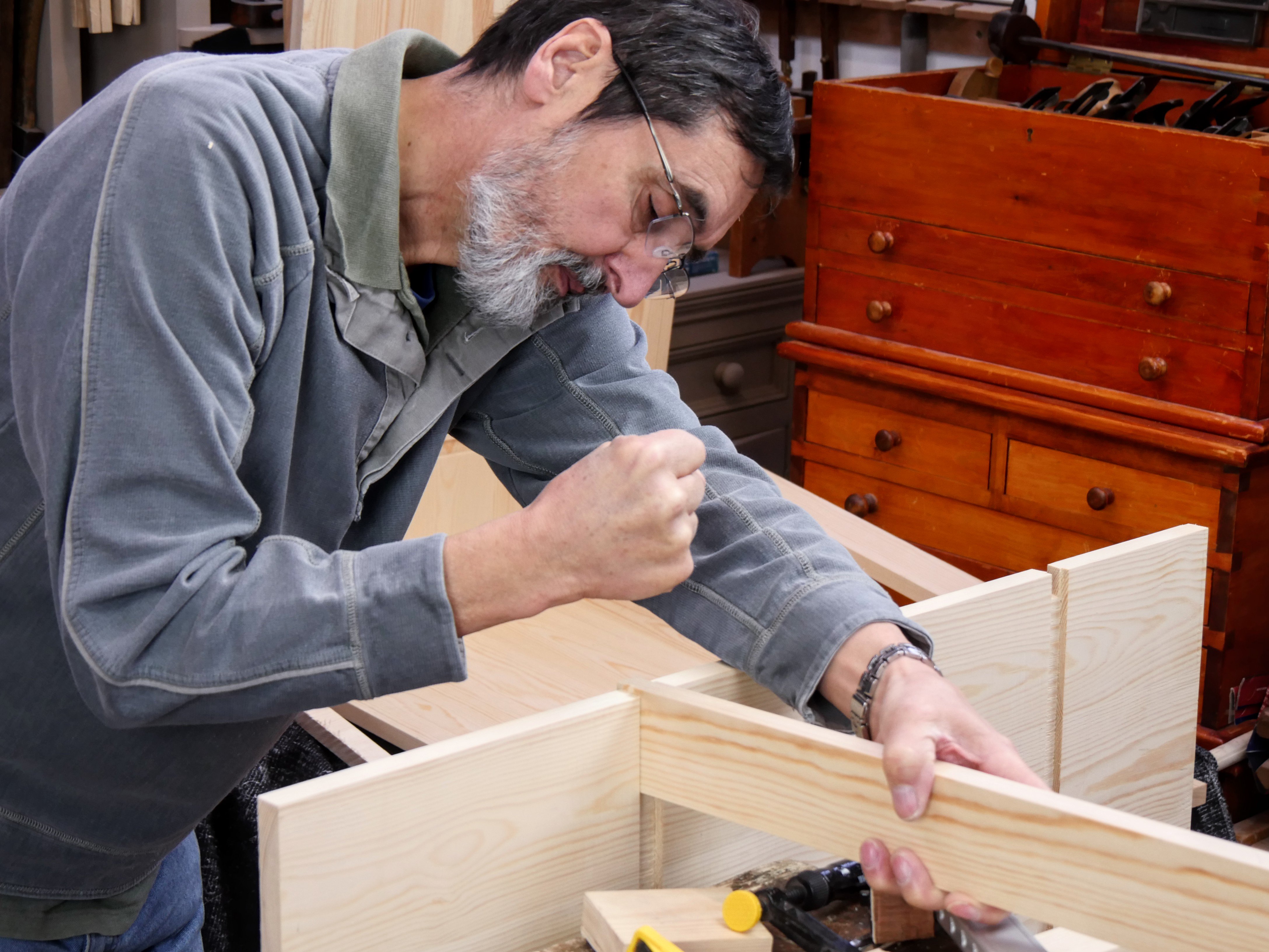
Well in some cases it might be but mostly for me, no. In my case it ensures my ideas and designs will work ahead of say gluing up, or indeed making certain as to the use of a joinery concept. If a prototype is the preface to a production run, prototyping, especially complex pieces with multiple parts, is an indispensable step. By prototyping we determine every feature of the final project and this includes the overall sizing, the component compatibility and then the joinery methods too. It's predictive. A prototype is really the rehearsal we need to ensure a successful production. Whereas a drawer is usually a no-brainer for me, and there is no need for me to trial a joint, some joint ideas may be different. An good example is the sliding dovetail joint we did in making the Shaker stool I made a couple of years ago now. Because it wasn't something I do often enough in my daily work there were things that needed working out and refreshing as it were. But there are several reasons for prototyping and especially is this so in production pieces I might have designed for batch production whether using machine methods or hand tools only or then again both.
Prototypes and reasons for them
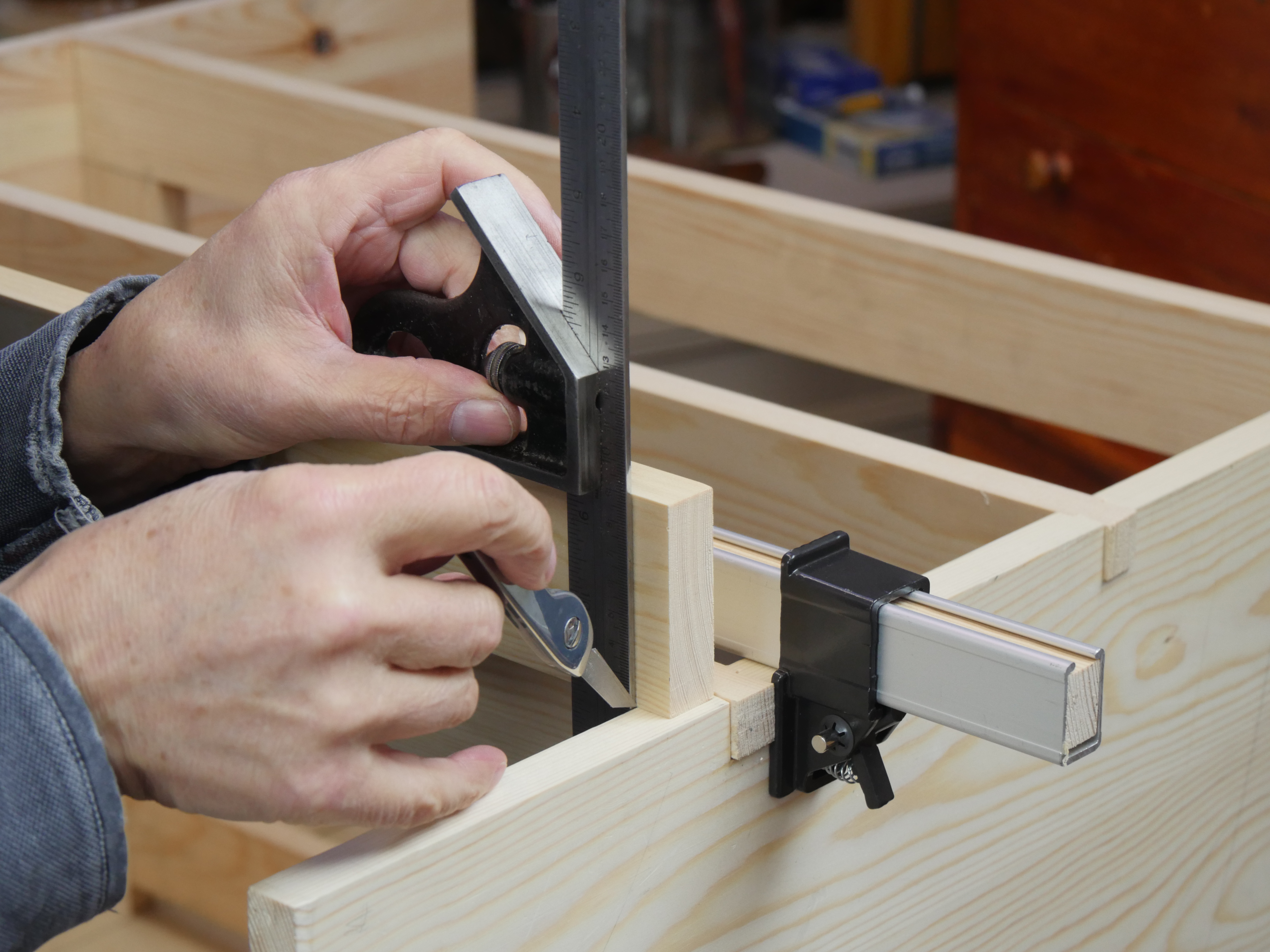
Below are some good reasons for prototyping projects. If you were making a one-off (a one-of-a-kind USA), a prototype may well be unnecessary altogether. That's because most of the elements can be drawn to scale and worked out purely on paper alone. On many projects a proportional representation is truly all that's needed, so joinery may well be an unnecessary element in the scheme of the design. On the other hand, for me, preparing for filming, I want to not only make certain my idea works but make sure that the film crew know exactly where I am progressing the work to. As I work and come to say a more awkward element I can call them over to draw them into my project and walk them through my intentions so that they too can plan a course for camera work. I want them to be finely crafting their work just as I am the wood.
So we see that prototyping gives a visual concept a fuller reality. This means that I and others can fully conceptualise the work and see the overall concept in full shape and form. It is here that we create absolutes as to whether the design suits us and everything else we want and make changes in or to if we see fit.
Prototypes for sizing

Prototypes help us to visually consider sizing, proportions and then placement in the place it will occupy. A piece can dominate space or indeed be undersized and thereby insignificant in its new location.

Prototype to check and test elemental choices
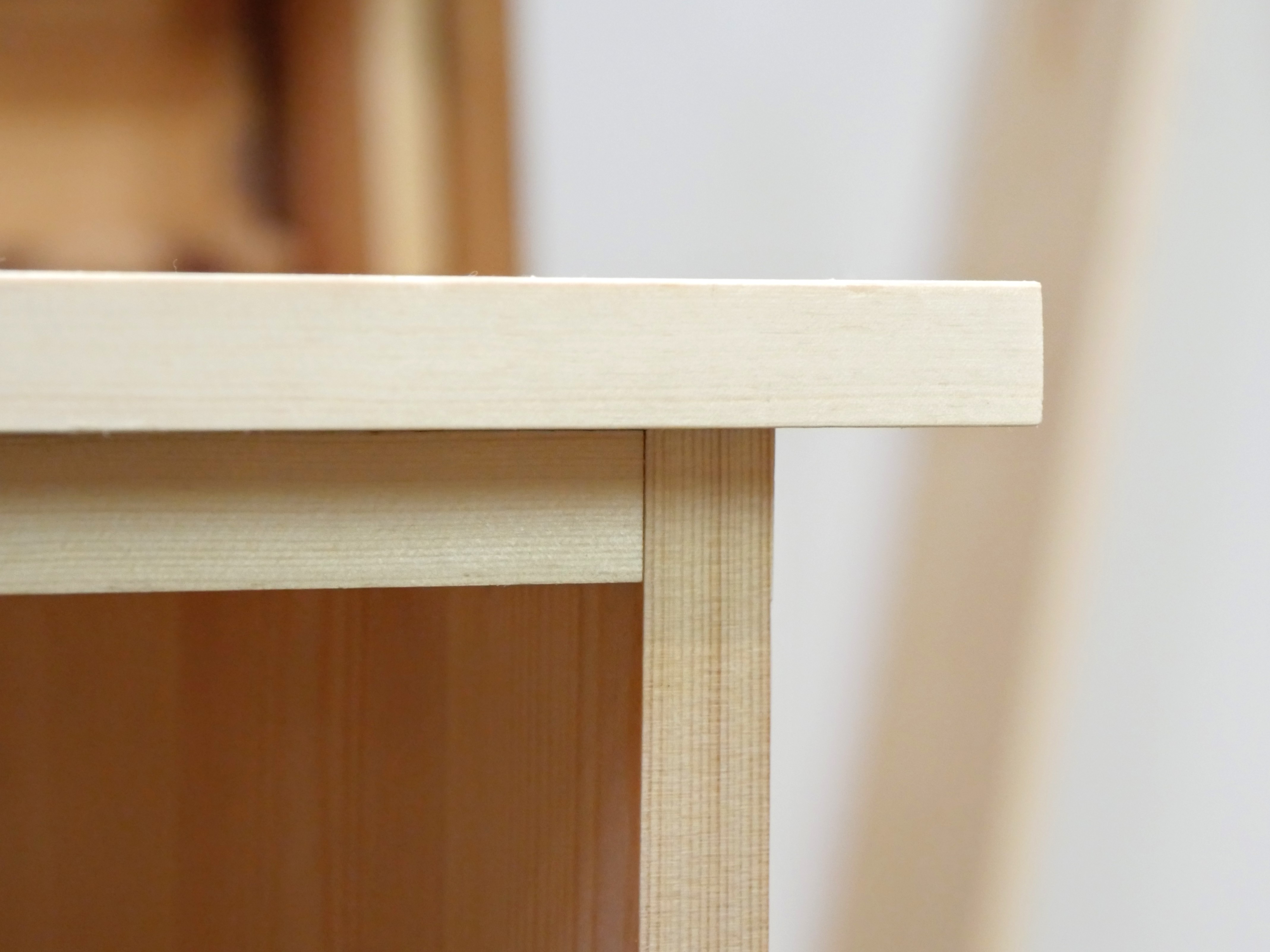
When we make joints of different types we want to make sure the joint is indeed appropriate and well-suited to its work. Most often, by experience, I know pretty well what will work without the need to make one, but when we are filming we want to make sure the joint goes together and so the prototype gives us the ability to practice or rehearse. Then too we want the joint to be appropriately sized. Do we cut five dovetails or six. How do they look proportionally? Have we hit the mark? I might cut a quick joint just to show the team how it works and what we will be filming. So prototyping can be to check the suitability of the joint for a particular application. All of this helps the video makers make me and them look good. Whereas it is true that I don't make too many mistakes as I work, and we often get response from people saying keep the mistakes in to help them, we don't want people to be intimidated or put off too. If wood splits at a point we might well leave that in, even a miss-cut too, but we certainly don't want anyone saying to themselves 'If Paul can't do it neither can I.'
Prototyping is also useful to see how adjacent features affect the joinery or the interconnectivity of components–rebates and grooves or moulding for example.
These checks and impressions all ensure that production versions work before setting up production cuts and runs.They prove the efficacy of decisions and ideas. In many circumstances prototypes prove to be the most logical path to a successful manufacturing process, be that for hand work or mass-manufacturing.
This is by no means a conclusive list of reasons but it is necessary for you to consider the limits of prototyping you might want to implement pertinent to any upcoming projects. I have screwed together components from scraps of wood and painted the whole with a neutral paint to create a solid. I then placed it in the home it would live in and so clinched the order when the customer saw how it related to her home. A two hour effort resulted in four weeks work. I find drawings and prototypes show my customer that we are indeed all discussing the same issue and looking for the same outcome. It's an insurance if you like and it's something you can refer back to if something becomes unclear or even disputed.
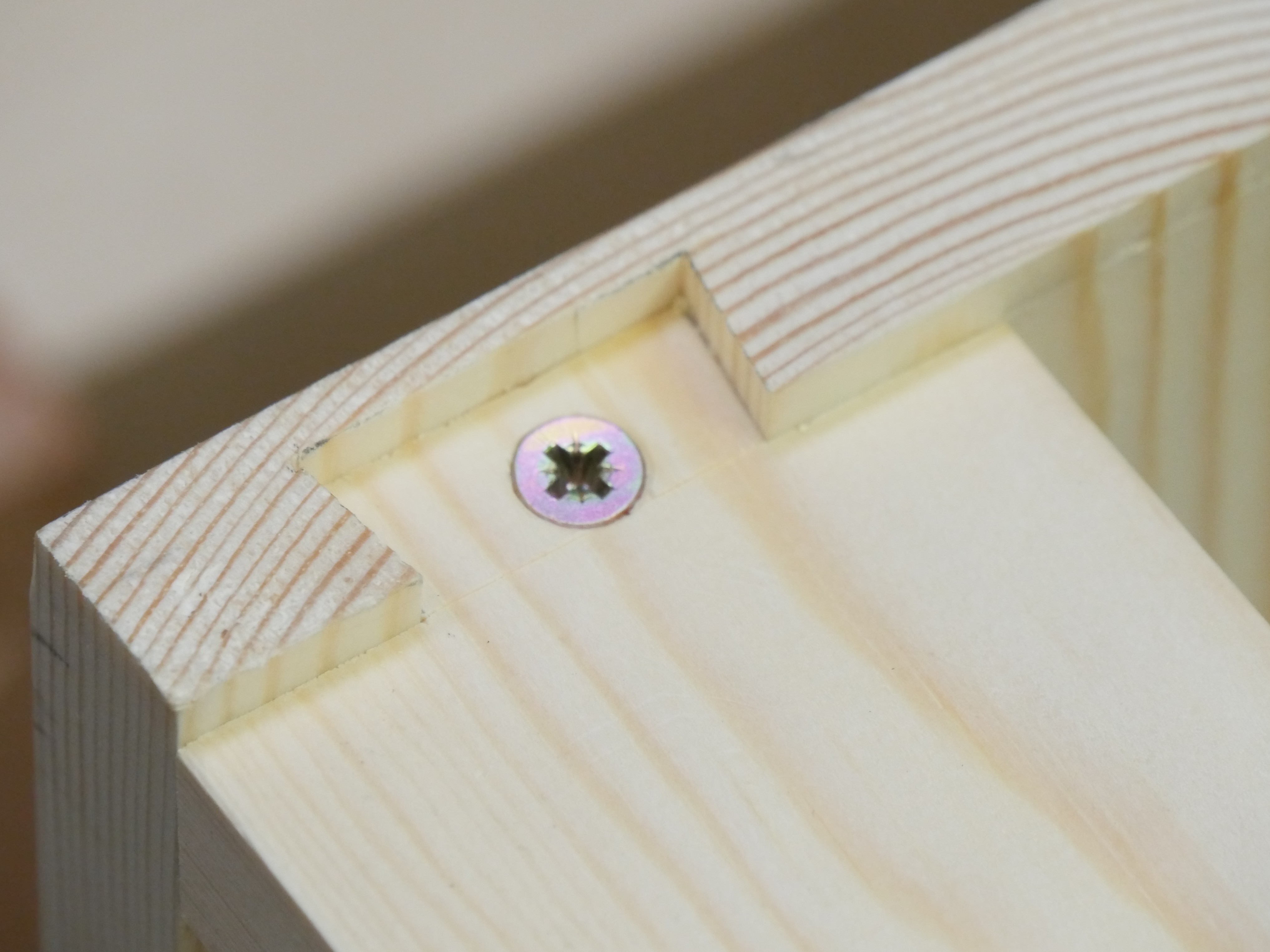
A screw-secured dovetail. Why would we use it?
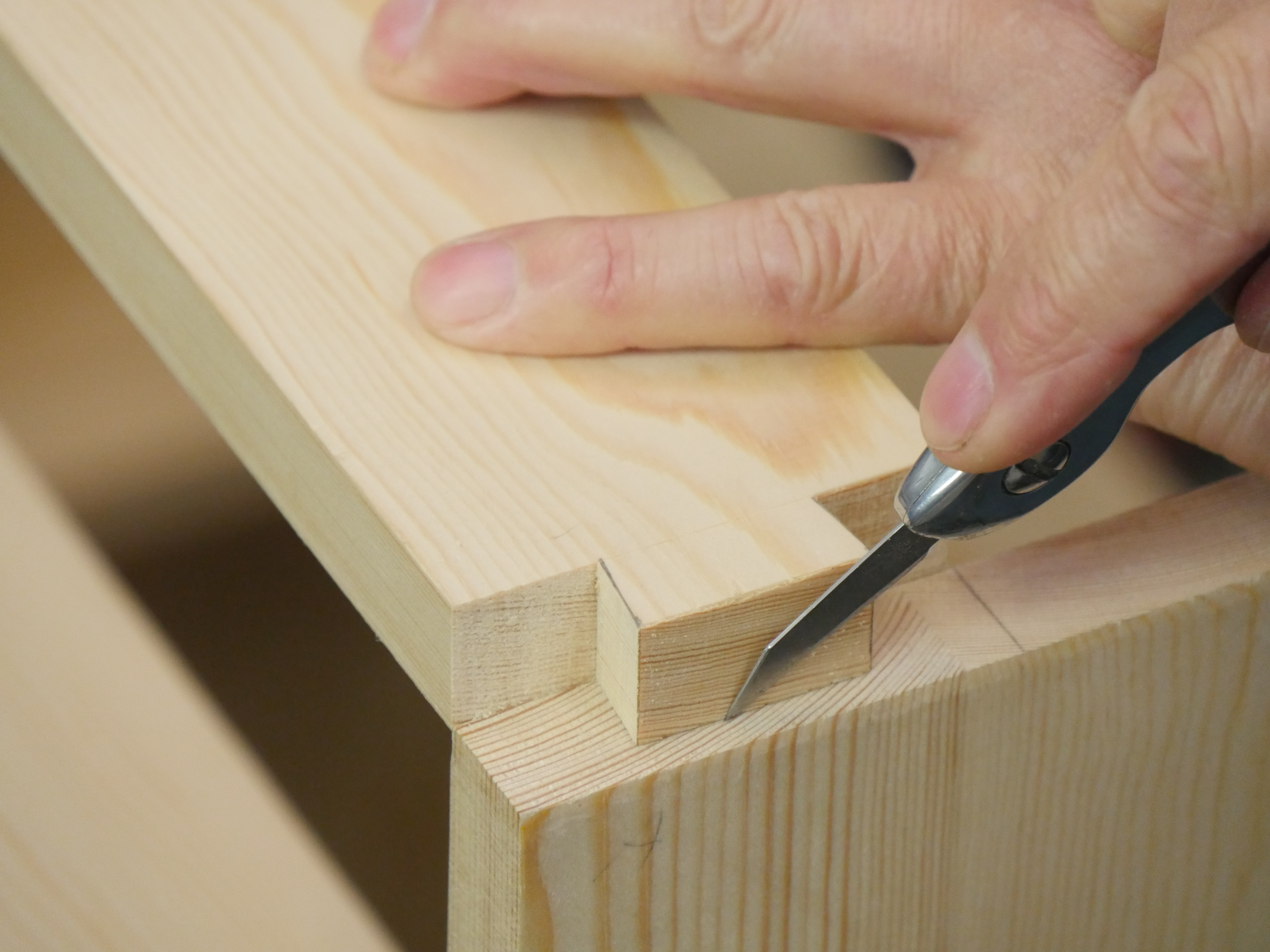
Here you see a prototyping element used in the dresser I am currently developing for filming. In this case I am checking constantly for measurement I am using and indeed giving to Greg who will work on the final drawings for people following the upcoming masterclasses project. It's a joint I have made dozens and dozens of times, but every element of sizing and distancing must be exact.
An in-endgrain dovetail captures legs and side panels perfectly to stop spread. It's a neat joint we use mostly at the tops of table legs and cabinet side panels, beneath the tabletops or whatever. Whereas in some cases a mortise and tenon might be functional, in this case not. The joint is simple enough to make but I have added a feature I use frequently on half-lap dovetails like this one that simplifies alignment of the tail-piece to the leg or whatever. I have always liked making this joint.
On old furniture pieces you might find a well-driven nail right through the middle of the dovetail used, as a sort of temporary clamp, as securement until the glue is hardened and cured. A screw works all the better though because, like the nail, it's never seen. But with the screw it never turns loose and it triples the strength of the union between the components. Beyond that you have no need to wait for glue-set so you can continue handling and work with the project as you need.
In this union of components I have allowed for the side panels to be housed into the top using a housing dado. That's the reason for the recess to be 6mm deeper than the thickness of this top-rail component. I will use the top rail to screw the top down while at the same time use the housing dado to secure the side panel along its full length.
Are prototypes a waste even so?
No. At the end of the day a prototype can still be sold or kept if indeed you made as a fully functional piece as will be the case with this chest of drawers. Pine can be left natural, varnished or painted and any one of these finishes can be attractive. We archive the pieces we make and that includes the prototypes. When you stack up the mass we have made it makes a pretty impressive gathering. One day who knows, perhaps they will all make another book!
Comments ()