
Good Morning Monday!
Last week was busy
I wrote this and then didn't post it.
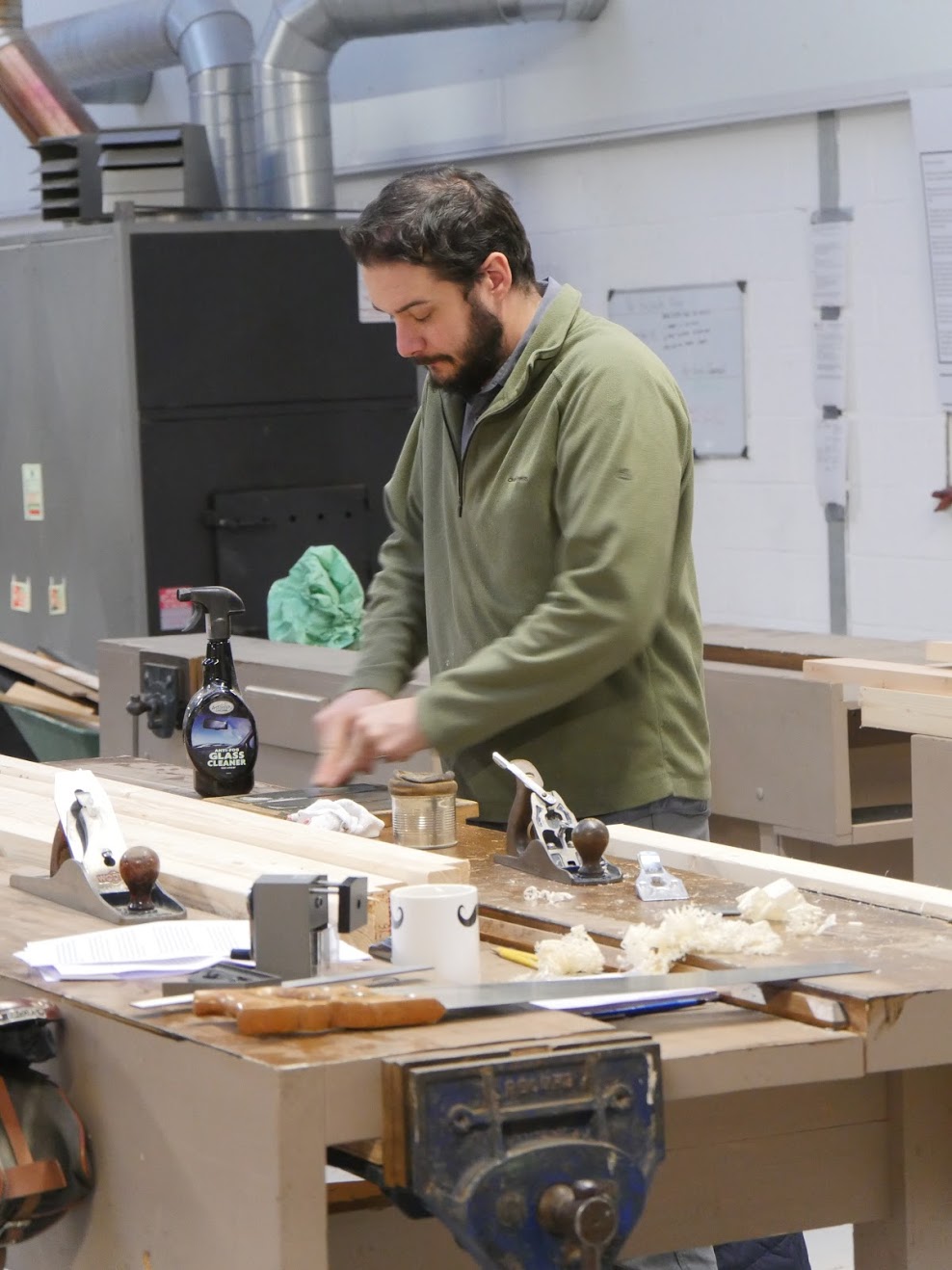
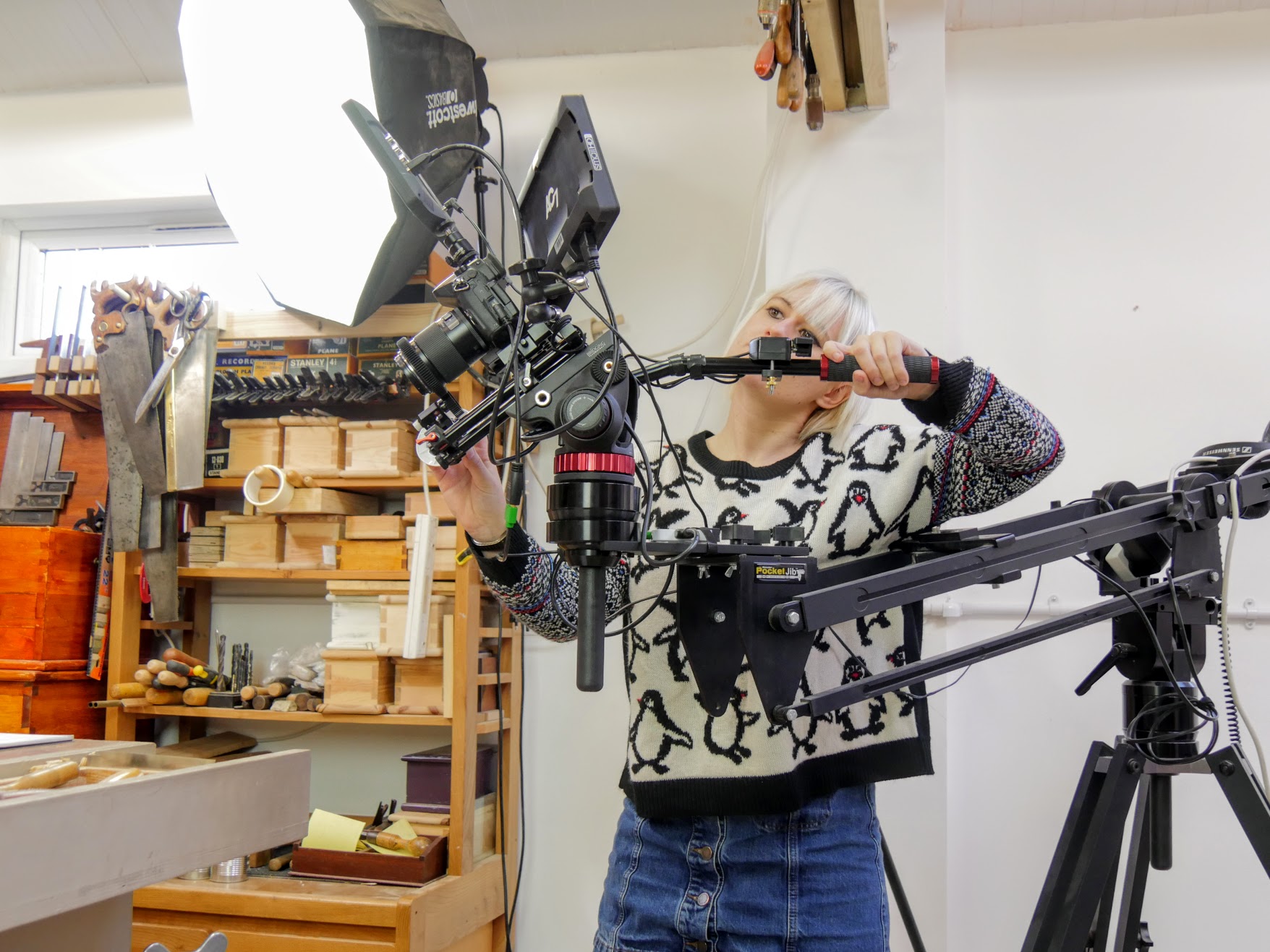
The year is cracking along nicely already and we have many new beginnings taking place. Part of Phil's role as manager of woodworkingmasterclasses.com is to make sure everything is filmed and packaged on time. This past week he's been making an additional workbench as well as filming and soon our work in filming starts to shift to help move us forward, which includes developing an additional filming set. Doing what we do is a learning curve for everyone. Eloise has been mastering the new techniques to suit our type of filming and of course that means developing her own techniques to maximise how we present the teaching and training we do. She, Phil and I have to work out so many things to take something like the dresser through the different phases requiring improved filming to make sure everything is as crystal clear as it can be, which presents quite a challenge, even for experienced videographers like Phil and Ellie. But we we seem always able to get there because of all the willingness we have to work together.
Apprenticing here in UK
It is more of a problem than you think here in Britain. Last week we added sound insulation to our studio to tone down the noise from power routers and machines in the background. The joiner installing the double glazed units asked about our work and my background as a furniture maker. He said his nephew "graduated three years ago from a three-year furniture degree program and since he started working has done nothing more than shove MDF through machines. This is what he was looking for!" I hear these stories regularly and indeed I don't see qualified makers even working for themselves doing much more than that. Unfortunately young people power their way through a three-year degree program saddle themselves with large debt hoping they have something to support them on the other side. What to do!
Sadly I think a lot of students start their higher studies based on an exposure to a design and technology class they had and envisage a future designing and making pieces to sell. Some do make it and some don't. In reality there will be a many applicants for a job and deciding who you take is not so easy.
But of course I think that it is perhaps important to provide opportunity for change because there are many young furniture makers striving to make a living and producing innovative and fine work and mostly it's about helping would-be customers to understand it's not so much about getting a bargain piece at the lowest price but purchasing the future for someone struggling to establish his or her name. I want to look at this a little more.
Working through the prototype
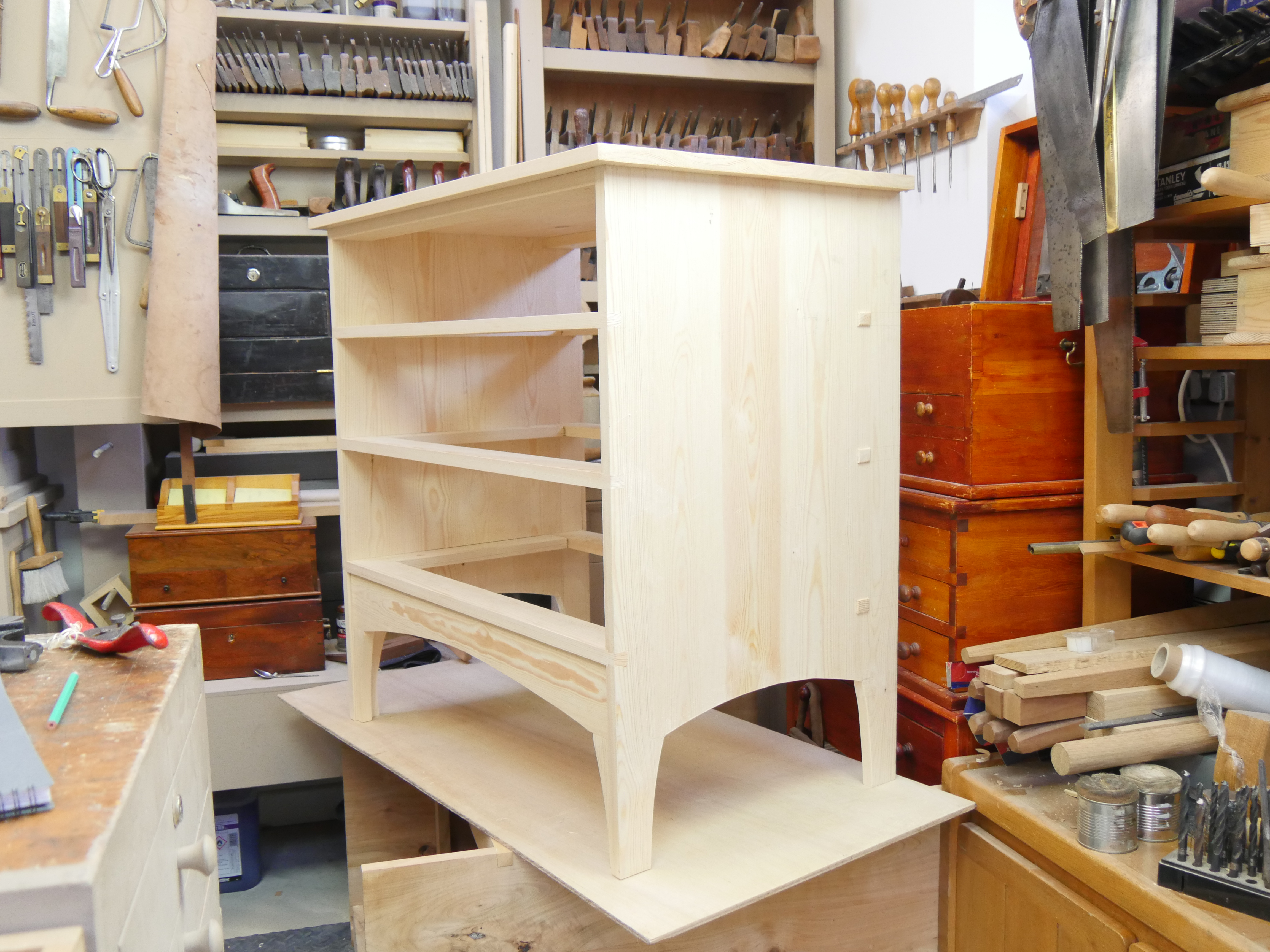
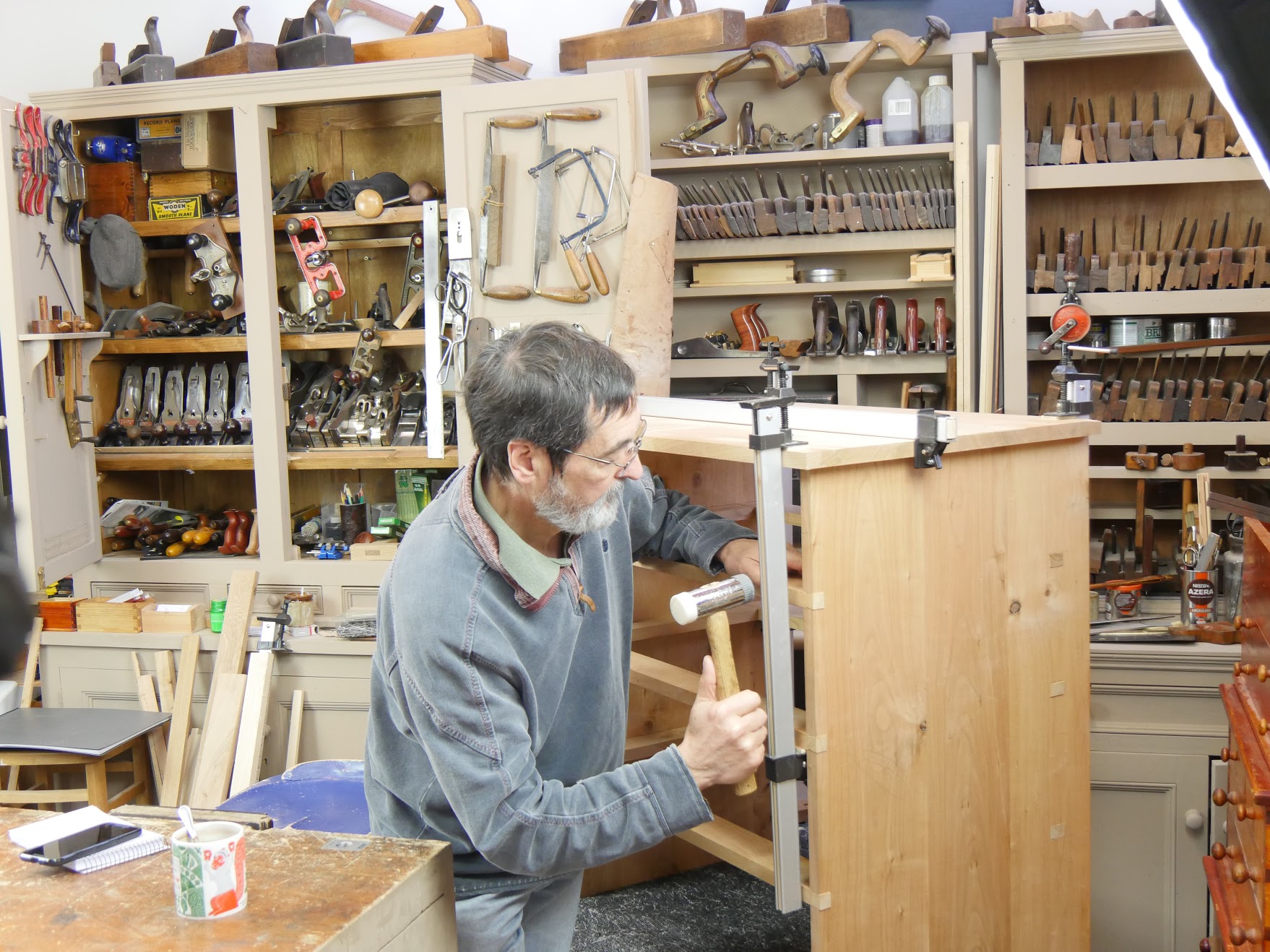
In my case a prototype becomes essential when the project has complex issues surrounding the joinery because there is usually a knock on effect when it comes to the final assembly. In this project I have 40 joints coming together within a few minutes. There are clamping issues to consider and then, because I have alternate grain orientation surrounding the long axis interacting throughout the life of the cabinet, my joint choices have been designed to allow for a quarter inch of expansion or contraction. Even without glue the structural integrity of this piece feels remarkable. Nothing moves when all the joints are interlocked and checking for squareness in any of the three dimensions the whole project measured dead square. Of course this means that the drawer making is made all the easier and that is the next phase. Yes, this is the pine one, but the cherry one has all of the joinery completed to the same stage so I am happy with the results. I think that machining everything would have been considerably quicker, but some of the joinery defied anything but the most complex jig making to make it work for the machines. So any speed made in making some of the joints would have been quickly lost and even passed if the skill of handwork wasn’t available to me. Another plus was that I loved making every joint and that’s true of 95% (or more) of you too, so we ignore the snipe and just make according to our will and not much else matters.
Over the weekend, having glued up my prototype Friday to show Eloise the complexities we face for filming it, I cleaned up the joinery with my #4 Record and the overall structure had remained dead square after I took off the clamps, which is always a good test. Today I will prepare for the next phase of filming and then finish of the prototype cabinet ready for making the three drawers. I can hand plane most of the external surfaces to erase any marks but in my case this prototype will most likely be painted. I have all my drawer stock already milled to near size and the rest is of course all hand work.
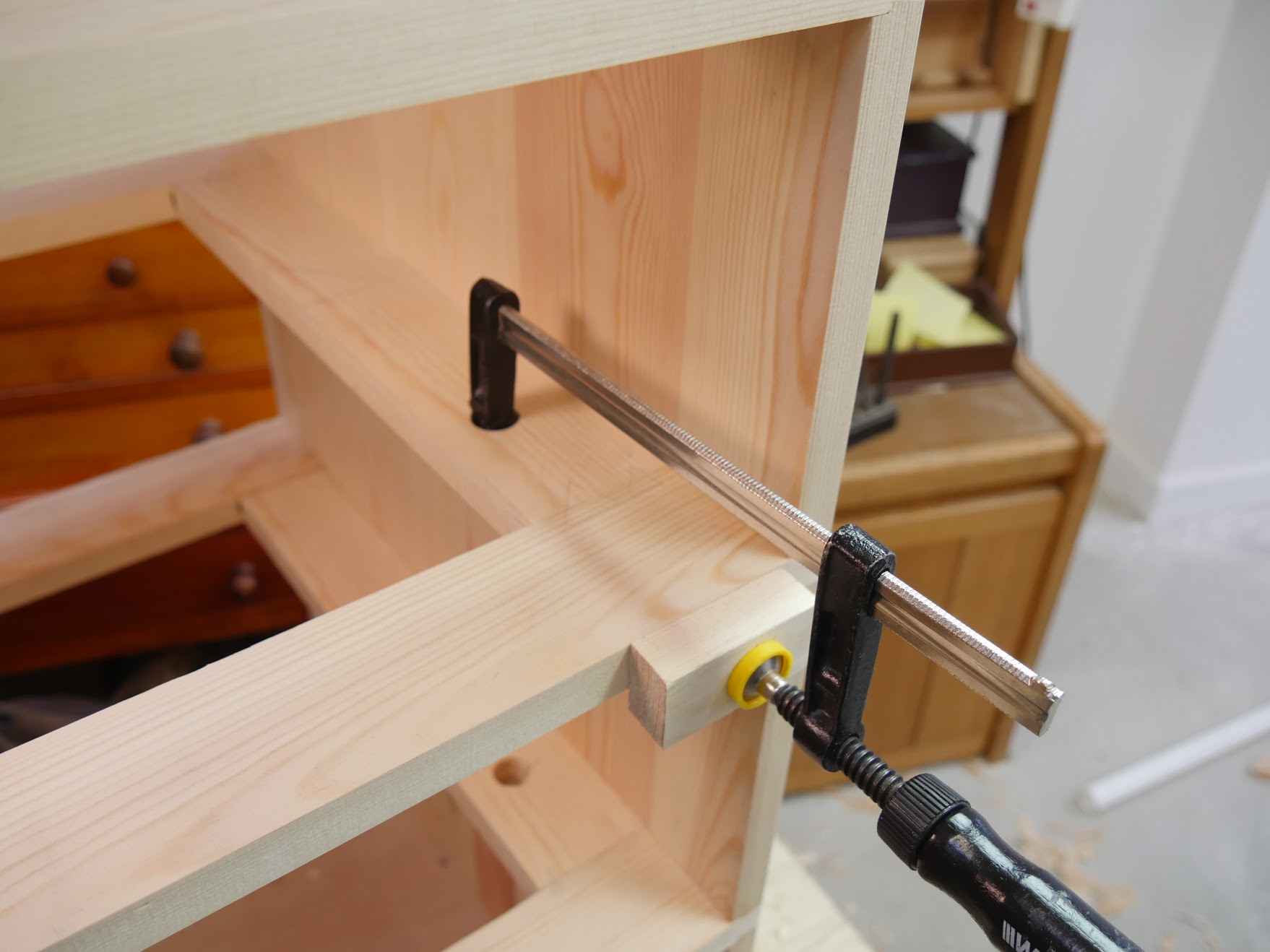
So, nearly there, I look at the whole and reconsider elements of the design. What would I change? That’s what prototypes give you too. My consideration of stock thickness, wood type and such like that all affect my decisions, as does the purpose of the project in two further dimensions––a training vehicle for relatively new woodworkers, and the final use of the piece in the home. The slightly heavier thicknesses make the joint making just a tad easier for someone fairly new to the craft. Because my main focus is on the joinery and the reinforcement that develops mastery, I want stock size that’s manageable. All of the materials for the final piece in cherry is 22mm (⅞”). It seems to work well for this. My pine prototype came from stock 20mm (13/16”) and that seemed fine too.
So now I am on with the drawers, big and deep, gradiated drawers, which diminish in size from 20cm (8”) to 17.7cm (7”) and then to 15cm (6”) at the top.
Comments ()