
A Rasp by Liogier
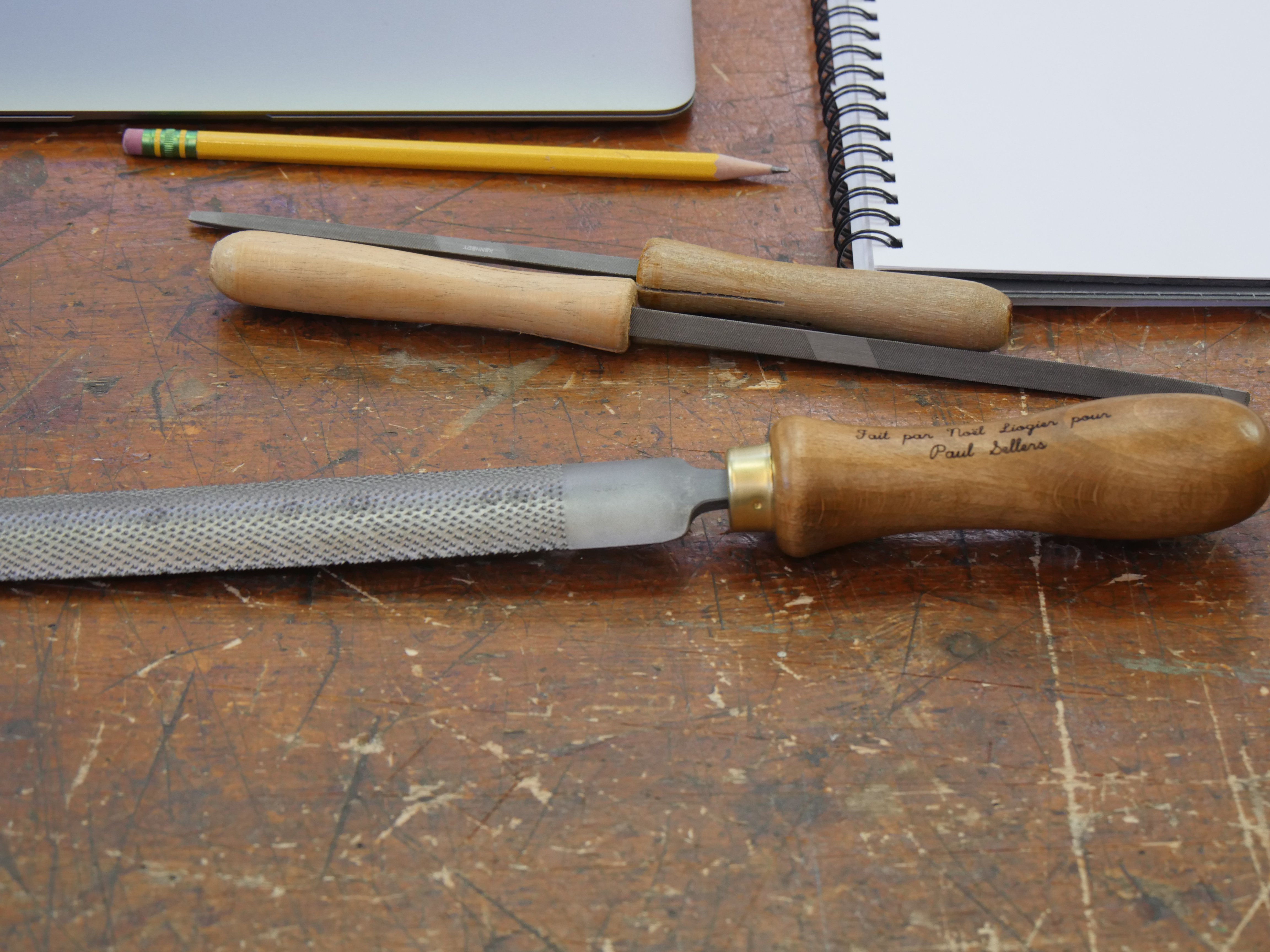
When I used my first ever rasp I was disappointed with the results because the teeth seemed to go nowhere in the hard and dense-grained wood I was shaping. It put me off and I continued shaving wood with carving chisels and then spokeshaves too. Most of my shaping still comes from such tools and the main reason is that they can be refreshed with a new cutting edge in a few seconds and so are long-lifetime tools that generally will outlive even the most productive carver. Let's face it, few tools work better in the hands of an experienced carver and in my view there is something very freeing in these spheres of tradition. Combine removal of larger areas with saws makes the task all the quicker and there is nothing wrong with using different types to get down to the core of where the real work begins. Bandsaws also make the roughing out simpler too. Bandsaws have indeed aided woodworkers to get to this point for a couple of centuries now, I have no hesitation using one if it's handy to the task.
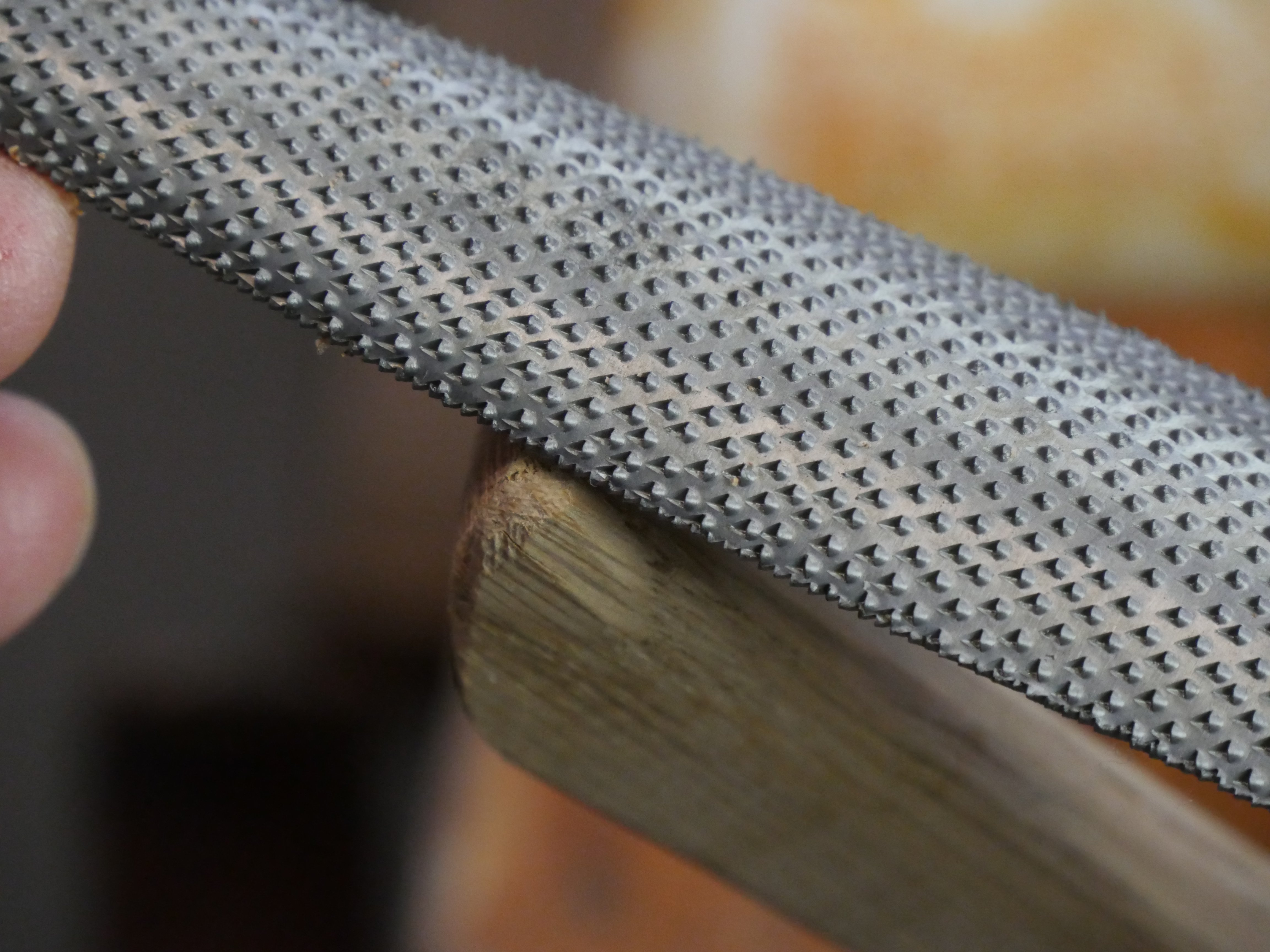
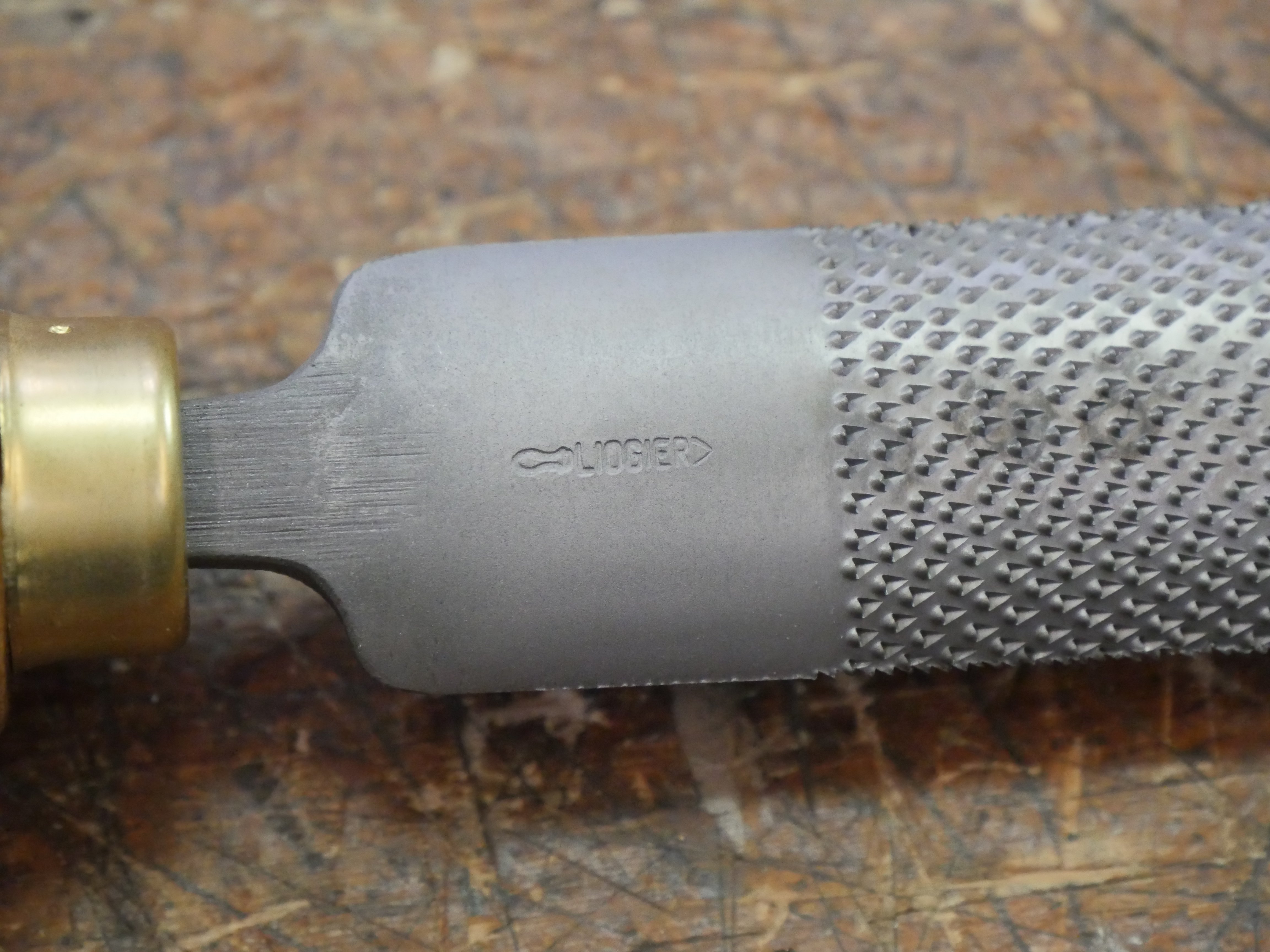
I ordered a new rasp from Noel Liogier three weeks ago and it arrived. I showed it to different people and said, "Isn't this lovely?" For the main part they saw nothing of what I saw even when I told them of how the grain was stitched. They went back to their smart phones and tablets and carried on reading fiction and playing games with pecking fingers. I walked out to my workbench, installed an oak blank and shaped out a spatula using the Liogier where the spokeshave couldn't reach. As I stroked a sweeping arc into the wood the teeth bit and I adjusted the attitude to develop the cut. The grain reflected my demands of tool and wood with each stroke and in seconds the shaping was quite equal to my mind's depiction. The rasp was equally lovely in its ability to cut stock waste away as it was in its appearance and so the aesthetics revealed the perfection of a man in the art of crafting true working tools.
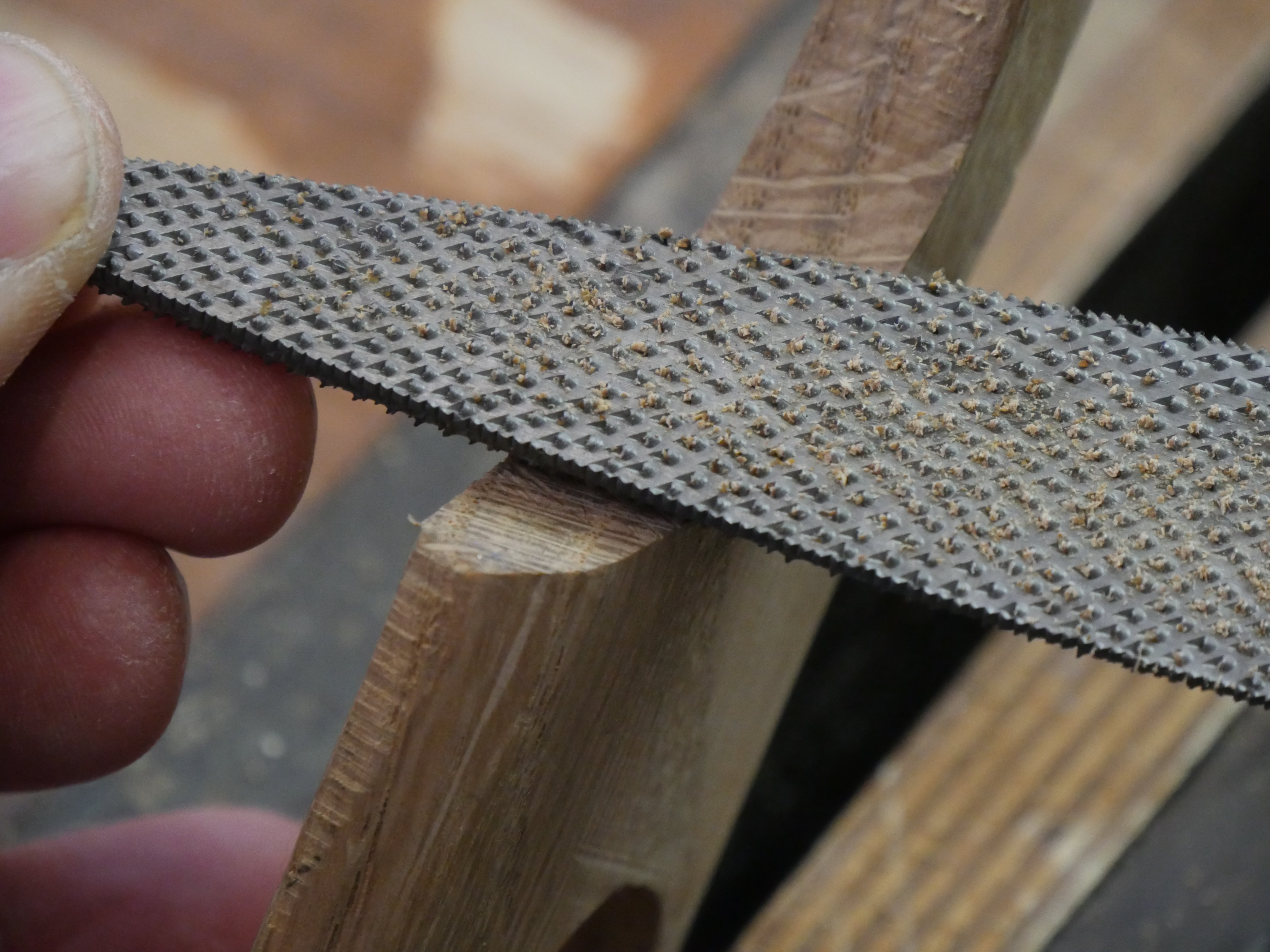
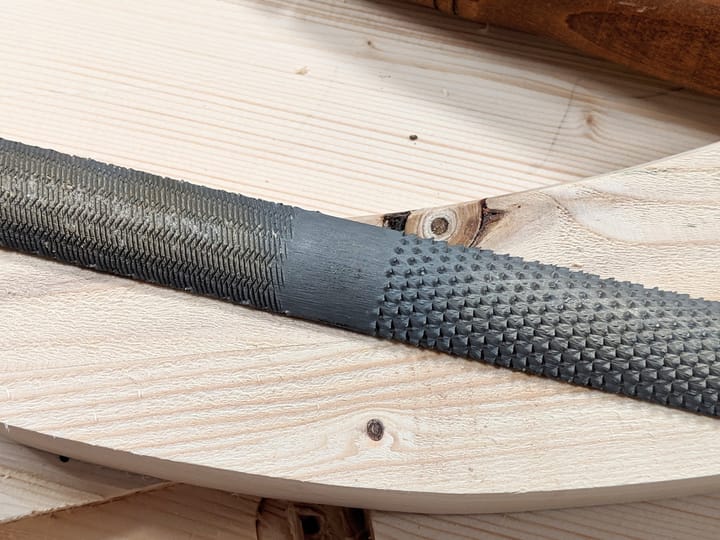
Hand stitching seems always essential to the making of a rasp and so to try and compare a machine-stitched rasp to hand-made is comparing chalk to cheese. They will never be equal in any way. The big question then becomes this; do you carve and shape enough to spend the £100 or so needed for your work? Beauty in looks is one thing but then beauty in work is something truly valuable. This is not like an over-engineered tool so much as an under-engineered one developed by hand and eye. It moves very gracefully into and through the strokes whether you use the round or flat face. This is a cabinet rasp and it is very nice.
Comments ()