
Workbench and Vise—Two Core Essentials to Real Woodworking
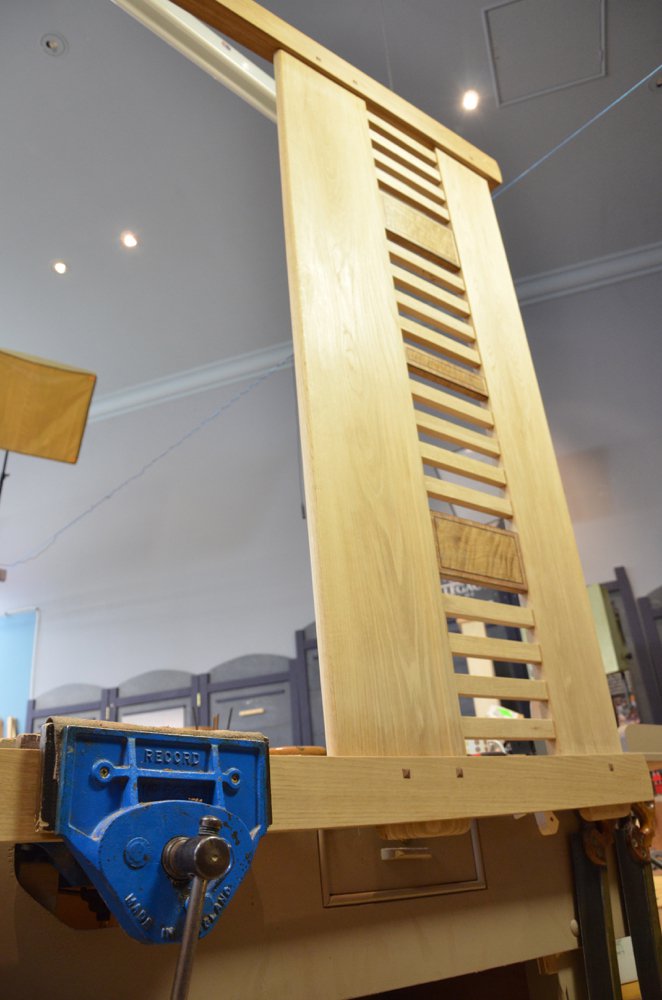
I've written different blogs that lead to the point where action becomes essential to actually precipitate the starting of the work proper; this for me is the essence of real woodworking. With that centred in our thoughts, we begin to see how the workbench, vise and hand tools predicate real woodworking. Beyond, or, I might all the more say, especially inclusive of that is the sense of entering a world you've may never have participated in before. If you have worked wood using other methods and techniques for some time but not with hand tools as such, then you too will get that same sensing of entering the unknown as those beginning to work wood by hand methods for the first time. Working wood with hand tools is quite radically different. The workbench, the vise and then too the ever-essential hand tools, become powerfully interactive components working with one another as each segment engages the other almost every minute of your working efforts.
On vise choice
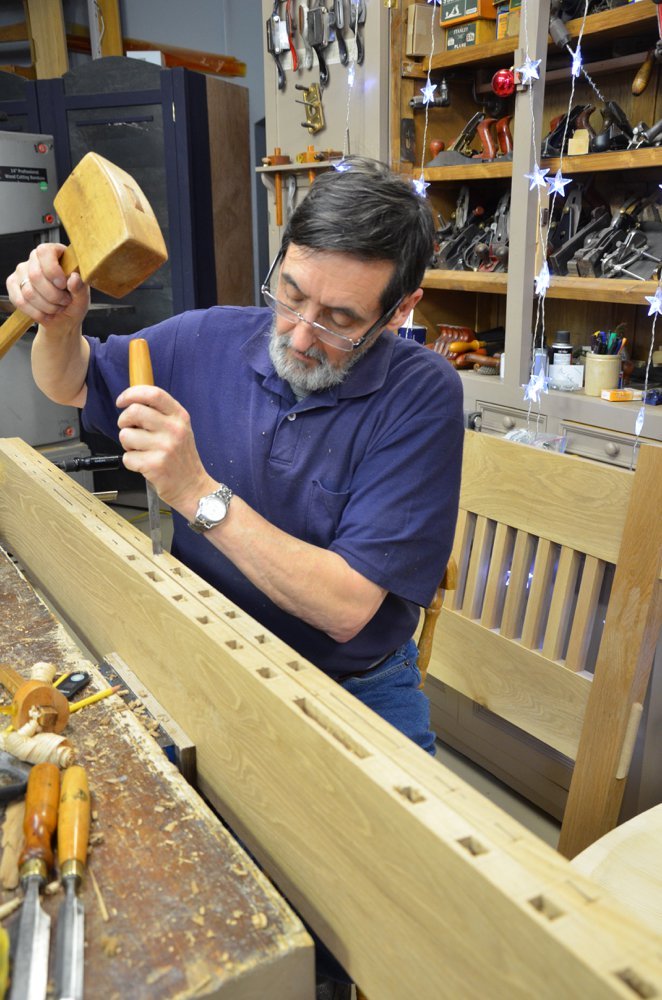
The very best work vise to go for in my view is the one shown at top which is the weightier version of the quick-release (QR) type vise, but there are other vise types you can consider too. I am prejudiced, but my prejudice is from using many types resulting in the primary use of QR vises for over 50 years. Quick release vises handle everything and anything I can imagine I need to hold in any given day and it will be the same for you. It is indeed the Joiner's vise and was designed to that end. Not only do they work exceptionally well, they are simple to install and most likely, once installed, it will be with you for a lifetime.
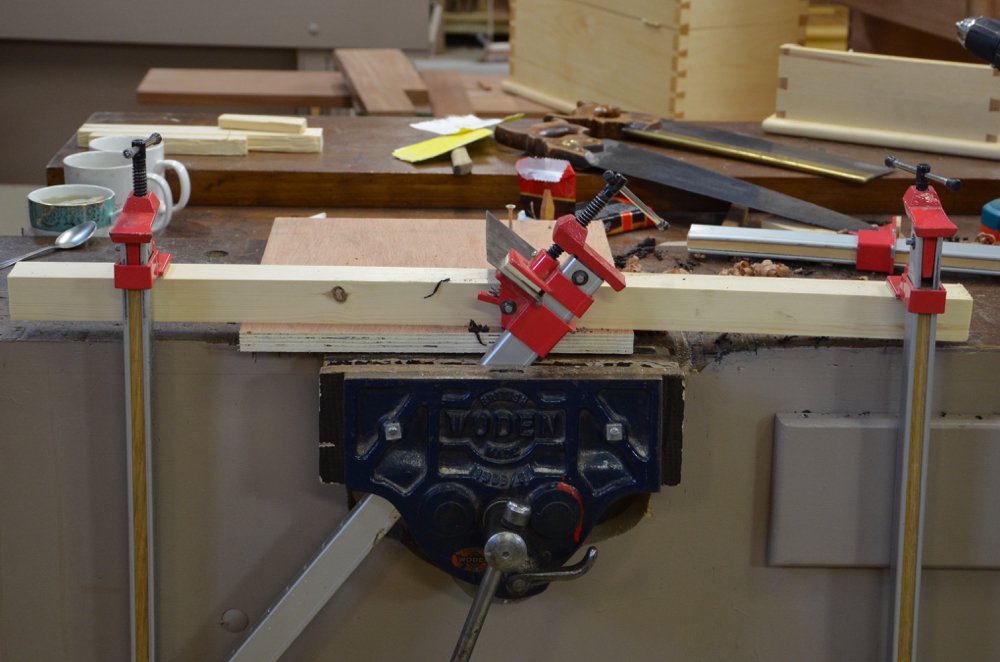
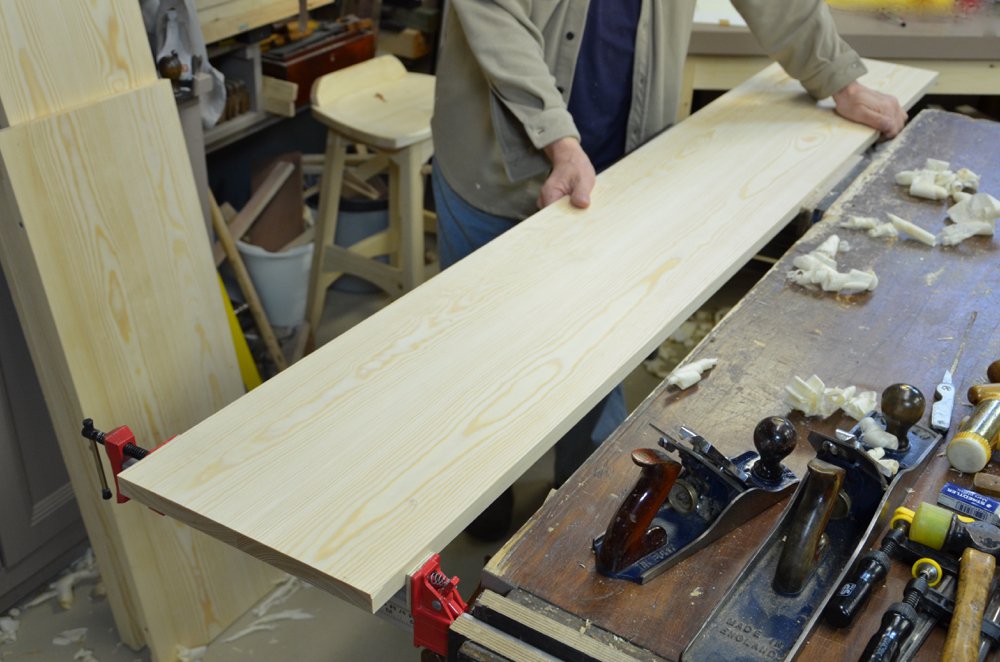
Initially at least, you only need a workbench and a QR vise to get started in the basics of woodworking. I say that because adding other work holding options at this stage is not usually necessary. I would add that throughout my 50 years working wood I have held 95% of everything in the vise jaws alone with no added enhancement necessary. The other 5% has been using the bench top with clamping for additional holding of say large pieces such as tabletops and such. So, if I can, I might just recommend that you hold off introducing any kind of dogging systems and boring holes throughout the benchtop until you are used to the vise and bench alone. This includes using holdfasts of any kind too. Just relaxed and enjoy using the simple simplicity of your workbench for a month or even more. You may feel differently after you've gone a few months and I suggest that you might try using my clamp-in-the-vise system and other methods first.
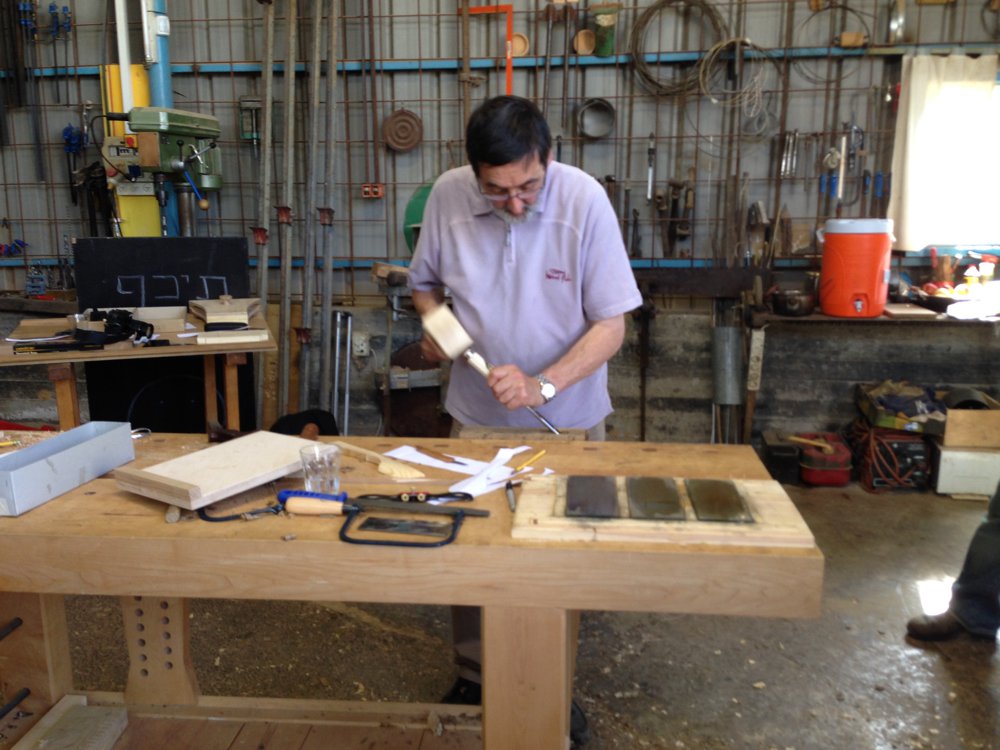
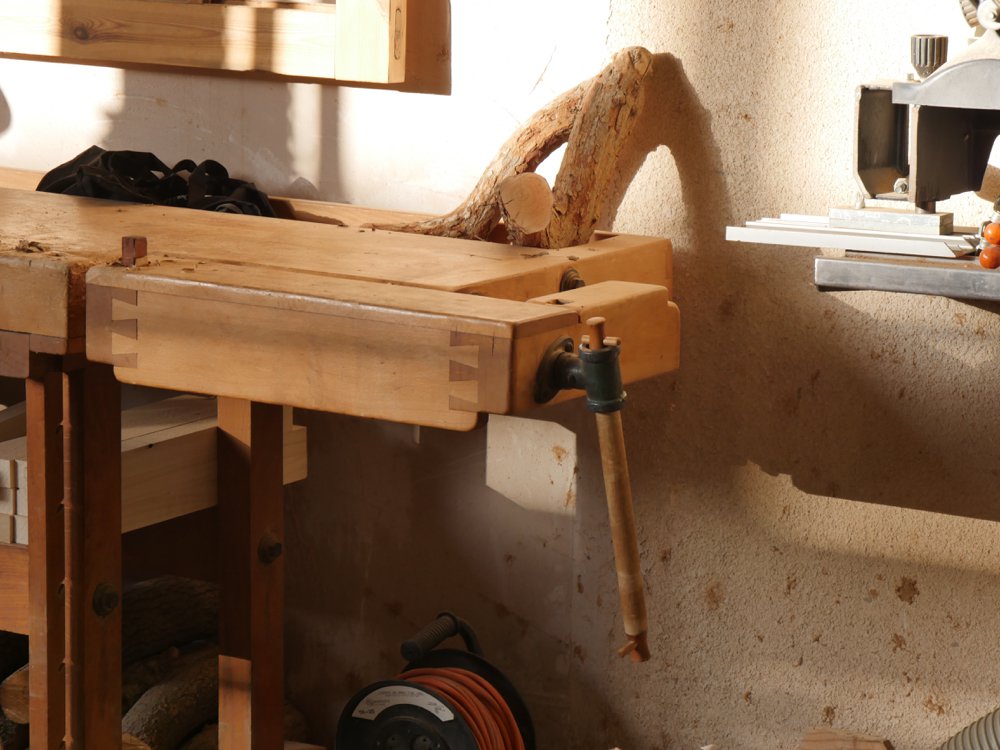
The reality of workbenches is that they do evolve. Synchronising the evolution means customising the outcome to fit the user. At first you may not have this luxury and may need to work with what you have present access to. I've used redundant fire doors and old (and new) countertops and old potting benches too. Gradually they all got changed by additional improvements such as bracings and holding devices. Workbenches can be just about any shape and size as long as they are weighty and sturdy enough and most existing adapted workbenches can be jigged to receive a QR vise with just a modest amount of work; usually no more than say an hour or two.
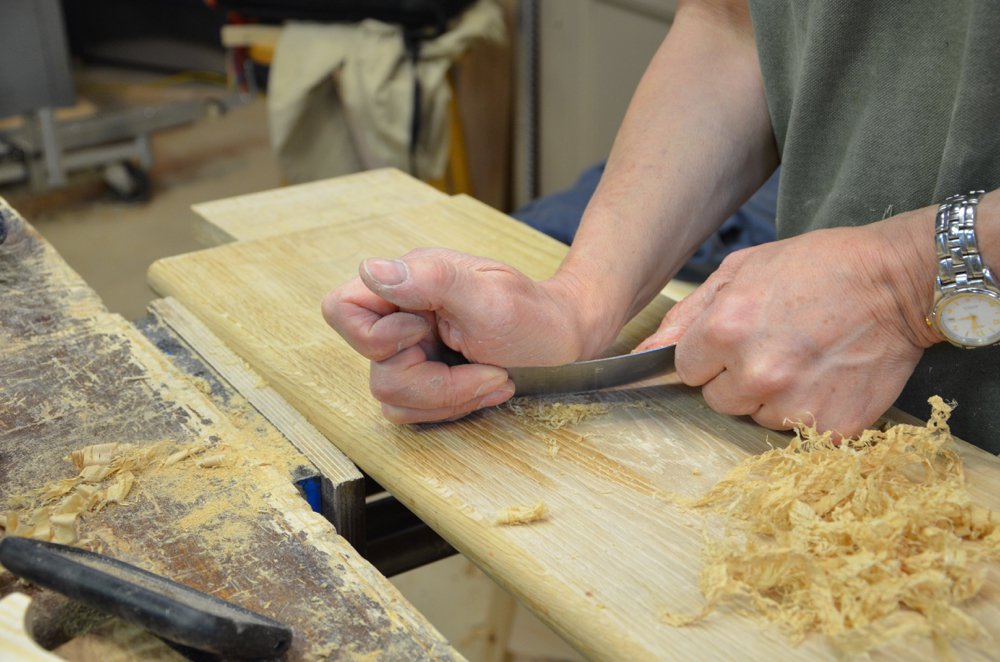
In defence of other vises, when I was teaching in Israel two months ago I used a workbench with a different vise than I was used to. After a few days a grew quite used to it, but, despite what others say in extolling its virtues, I felt that, whereas functionally it worked OK, it still lacked the qualities of grip and instancy I preferred. My 9" wide vise extends to 11" wide when I add the plywood or wooden jaw liners. It opens to around 12" which is ample for everything. Anything wider can be held with my clamp-in-the-vise methods. Of course you can buy larger QR vises too and what holds a lot holds a little. Whatever size, they all work well, can be adjusted quickly, easily and readily to take most widths of stock. The one I used temporarily had 8" above the screw mechanism required to close up the vise, but it didn't offer more or as much as my QR. The adjustment was not as easy as a QR, nor was it particularly quick even after I understood the nuances of "the spin". That said it wasn't slow and certainly not too slow, so if you prefer installing what is a more complicated system that has perhaps a more aesthetic appeal you may want to consider these too. Also, I should add here that the quicker release QRs offer are not the only option either—you might consider just a regular vise without the QR mechanism. The screw thread on these is often a quicker acme-type thread, which means that the thread is a little steeper and therefore the take-up controlling the vise jaw for opening and closing operates more quickly by just winding. I worked at a bench with one of these for years and had no problem getting used to it quite quickly. They usually cost considerably less, at least third less, and when you buy a reputable make, older Records are still the best, it will last for about a century or more. You can also replace it with a QR later if you want to change and use this one then as a tail vise to accomodate other work.
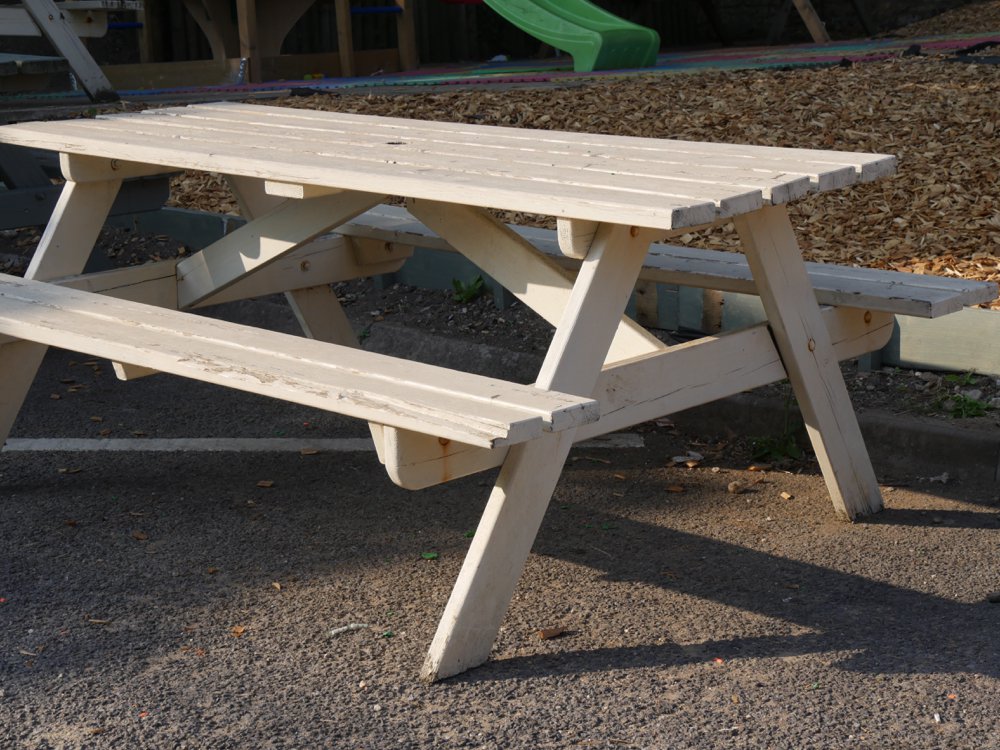
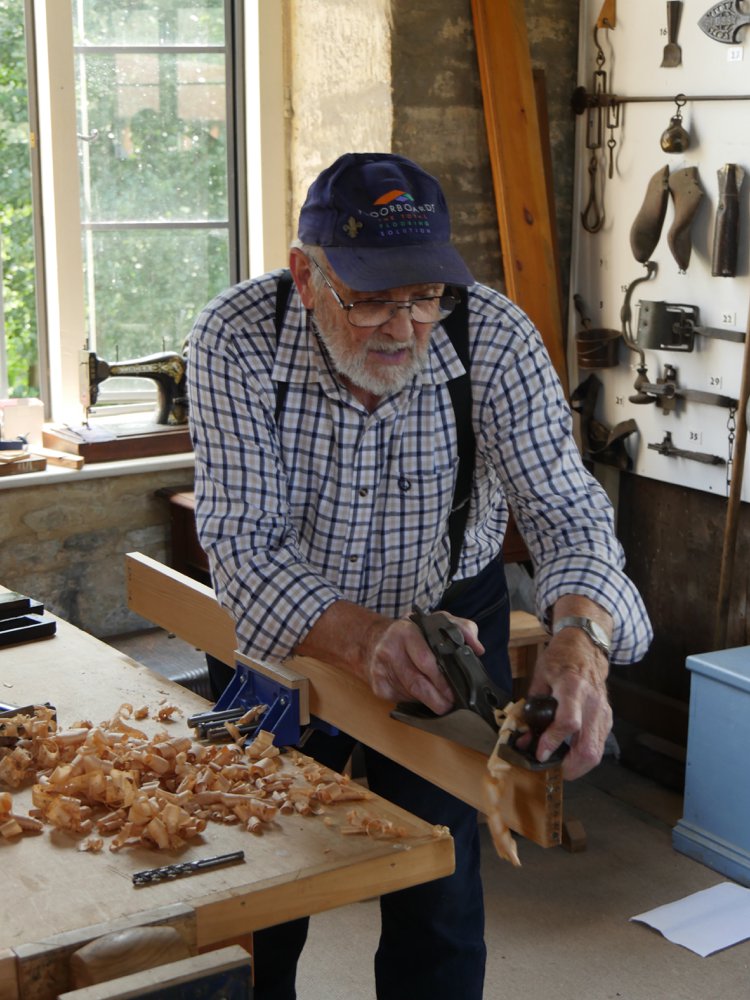
I think back to times past when I arrived at someone's house to do work and needed more than sawhorses or a folding portable work station only to find a shed with a picnic table covered in plant pots. No room to work and an unsteady bench to boot leads always to frustration. Thankfully the tools made all the difference and my bass usually had all I need to change the situation. Adding a couple of braces changed the unsteady to steady so having a bench then leads to the next missing ingredient and that has to be the vise. Even thumbscrew securement makes a temporary holding for planing and such. Not everything has to be held. I know one thing about larger QRs is that they hold wood well enough to mortise chop in. They will rarely allow movement if time is taken to secure properly. That wasn't really true of the vise I used in Israel. Whereas my critics often say you should not mortise in the vise, that's far from true. many things have crept in over the decades, everything from laying your plane on its side to micro0bevel sharpening and also not chopping in the vise. Truth is we all have the capacity to create legalism that can destroy creativity and in that they creative ways we work
NOTE:Just so you know, Paul has a newer Workbench series. If you are interested in the updated version of Paul’s workbench please click the button down below. This page links to a cutting list, tools list, FAQS and much more.

Comments ()