
Starting Out — Preface All You Do With Attitude
Sharpen Your Attitude—Sharpness Comes First
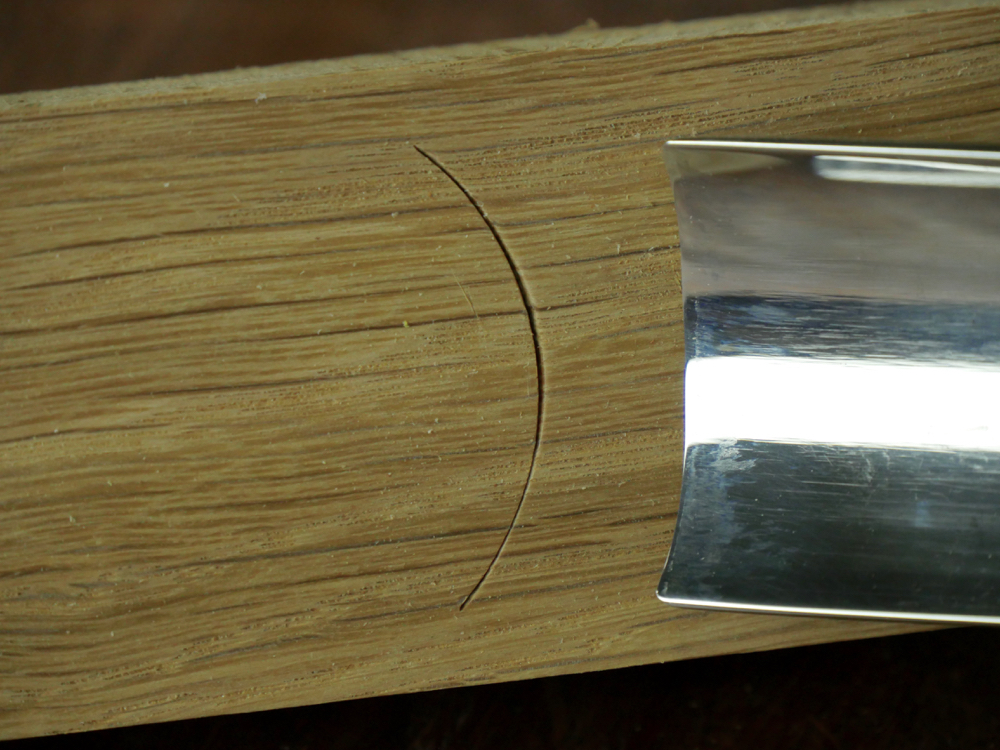
I think when we are new woodworkers starting out we inevitably arrive at a point where we experience sharpness for the very first time. It's a revelation. At first we are content if the chisel just cuts and shavings rise from the plane throat, but that introduction to true sharpness almost shocks us with the true surprise. I mean that what we formerly thought to be acceptably sharp suddenly pales against the sharpness we now encounter at the cutting edge of their work. This happened for me and I am sure that unless someone teaches you as we do in our classes what sharpness really is, you will understand why I am saying all of this. My hope in some ways is that this actually happens with the first edge tool you pick up. Rarely will this be the case. On the other hand I was glad to know what sharpness was not, that way I enjoyed the revelation of sharpness with the wide-eyed surprise it deserves.
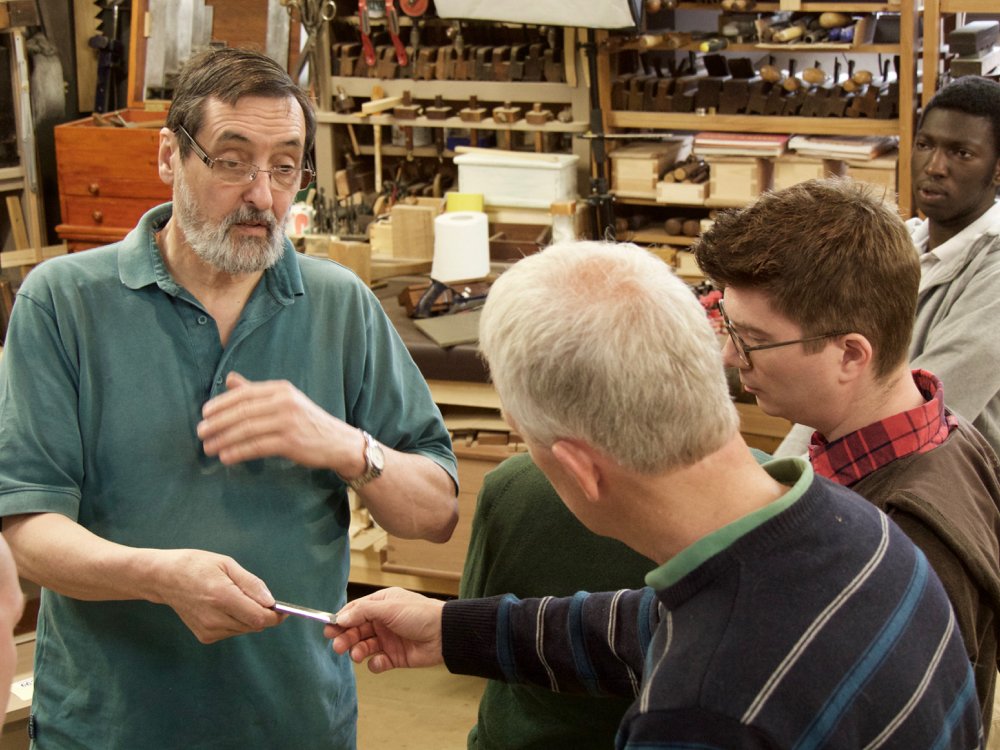
Of all the areas I see neglected, sharpness is the foremost. In my view sharpness, accuracy and sensitivity can be used interchangeably as nouns in the sense that reactivity and responsiveness become highly refined according to demand and we can reprogram ourselves to make change immediate. The choice between dull tedium and enjoyment in our craft work depends on quickness in making change happen. Stay as sharp as possible all the time.
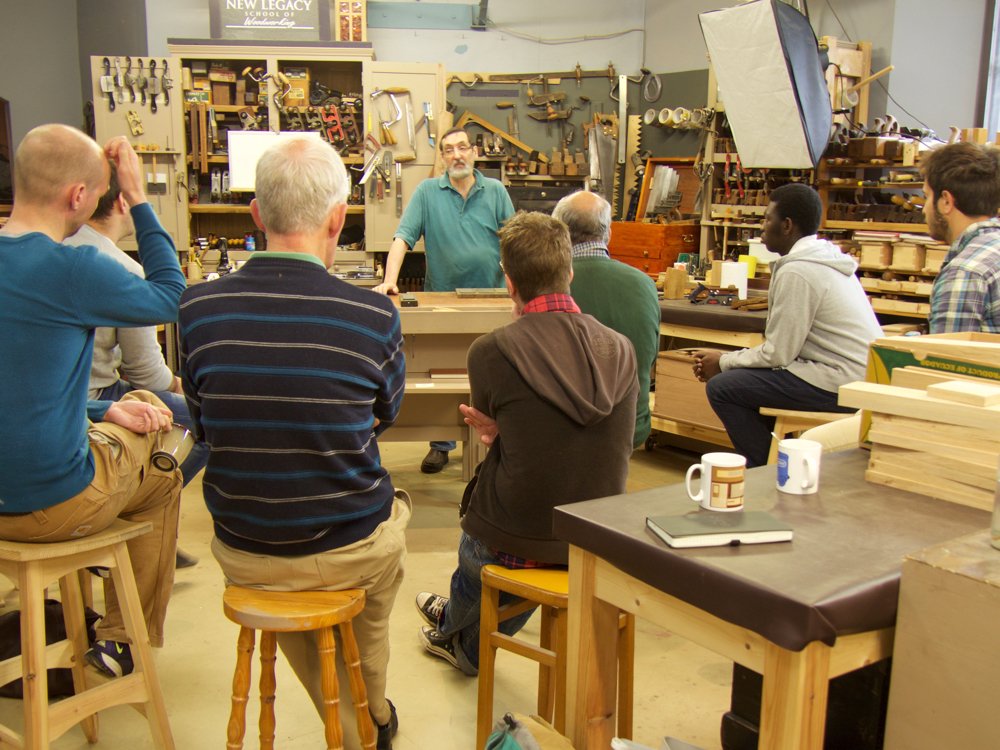
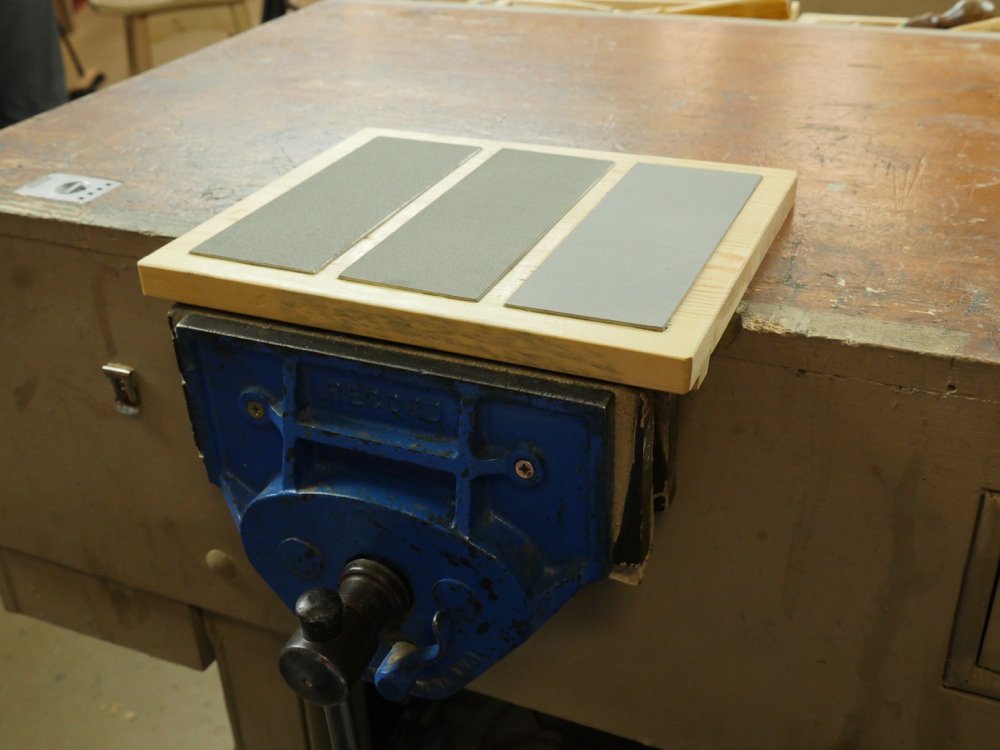
For students in my classes the planes are ultra sharp and correctly set for when they arrive in the first class to give them the experience I'm speaking of. So too the different saws. I believe this is the most effective way of changing someone's attitude towards sharpness, sharpening and ultimately the significance of using and maintaining such sharp edges to hand tools. Realising not only that you must have sharp hand tools is of course critically important, but then knowing what sharp is can be a very different thing. Of all the comments our students remark on on the most it is that they never used tools this sharp before, and that they never knew the quality such cuts would bring to the work. It is the powerful 'wow-factor' after chiseling and planing with an ultra-sharp cutting edge that the revelation becomes significant. When they see it and feel it it elevates them to a new and knowing high. It's at this point that I am able to say to them that they must master sharpening for themselves and they, without hesitation, accept it unquestioningly as hard fact. It's also at this point that I am able to convince them that what I am showing them and offering them can be theirs too. They then understand more fully that they must and can go beyond just buying a high-end and already-sharp hand tool to be able to sharpen whatever tools they can afford for themselves. This is the art they must not put off because, with the very first stroke or chop, the cutting edge is already deteriorating. Right from the get-go (an Americanism that really works) they begin to listen, they want to try and they feel empowered. So attitude is indeed everything.

The tools you need to begin your woodworking journey are simple yet often the cause of great confusion when choosing hand tools is the massive choice. At one time this would have bemused an experienced craftsmen, but now they are mostly gone, the bemusement has gone too. Sales staff in general have little or no real working knowledge about the tools they sell but they have learned enough to sell convincingly. That's unilaterally been my experience over the past 50 years. Take out the sales pitch steering you to the high-end stuff and the picture becomes clearer. Ask yourself the right questions and you will likely find a clearer answer than reading though a catalog of tools.
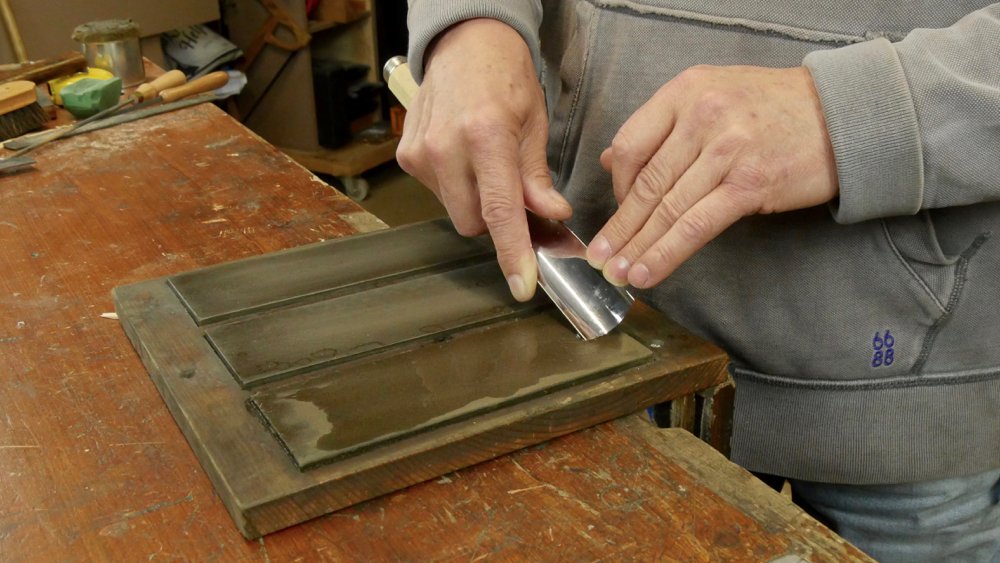
The concern for me is that when anyone starts to do anything new they of course want the best of what they can afford and usually want everything at once. They also want to be be good at what they start out doing. Often, because they set the bar too high under the guise of being a self proclaimed "perfectionist", they even despise what they consider their amateur results. They would feel much better if they could see the learning curve as the important and necessary rite of passage to maturing levels of craftsmanship. Not wanting the stalled start on a hill nor a kerb-catching three-point-turn is common to us all. But of course with hind sight we see that these false starts and inaccurate turns are what made us the confident and disciplined driver we eventually become and it's no different when we begin woodworking. If you're starting out you want automatic or immediate success and so you lean on the assumption that buying the best short circuits the learning curve. In my experience many people, even experienced woodworkers, have often failed to achieve the level of sharpness they truly need and many have never really learned to sharpen well or t the right time either. So for me the essential phase every hand tool enthusiast must master is how to establish sharp edges edge tools and saws, scrapers brace bits and more. None of it is complicated.
In some ways it has been a more recent phenomenon that people have taken on board the essentiality of establishing sharp tools. It is also true that many have become obsessed with the process of sharpening, even allowing it to distance them from the actual process of woodworking to become more a fascination with the sharpening process alone. They tend to see the shavings on the bench as the validation they seek in woodworking mastery when it is just one very tiny but important aspect of the process of becoming. Of course this does not mean that you shouldn't marvel at the shavings when you just mastered sharpening an edge and setting up your plane. I think that you should and I still do, but it can become more a luxury and for me at least it would have been a luxury I could ill afford as a producing craftsman. I also see this as true for people learning the craft too. That's because the result of a sharp-edged tool is what you can achieve as a result of the sharp edge and the shaving capability it gives in removing wood by measured and controlled strokes. Not so much just the shaving itself.
Sharpening should become a seamless transition from dullness to sharpness that gets you back to the task of sawing, planing or chiselling in a matter of a minute or two or even just seconds. It is sharpness that becomes critical to the hand tool woodworker and, because no one else is going to sharpen your tools for you, you must master it as early on as possible in your career. If you are not prepared to sharpen and keep sharp the tools you use, you should perhaps become a machine-only woodworker. As I said above, without pristinely sharpened hand tools the work becomes tedious, hard and dull. The tools become despised. I have seen carpenters and joiners who never gave themselves to true sharpness become embittered in their craft.
Sharpness equips you for the work. Swipe off a few crisp shavings and you feel like the cat that got the cream or indeed the bee's knees. You may well have paid upwards of £500 for the experience of using off the peg sharp planes, chisels and saws, but cash-strapped would-be woodworkers can achieve the same results with inexpensive alternatives easily and can access working hand tools that last a lifetime. My tool choices for start-up options follows shortly.
Comments ()