
Disappearing Crafts Reappearing




To follow on from one of my more recent posts, I reminded myself of something I wrote elsewhere recently too. "It's not that towns like Oxford are disappearing but more what made Oxford that's disappearing." I don't altogether lament the opulence of past wealthy-class generations where the rich were venerated nobles known for personal wealth and then for for the generated wealth and dominance through one type of forced labour or another in the arts and craft of working people with developed and creative skills. I see creativity works itself into or, better, out of people gifted with a mind that seems more articulate in the transforming of the raw into works of art. On the other hand we should not lose sight of the fact that wealthy patrons, land owning gentry, people at the hub of entrepreneurialism and so on, did encourage, equip and enable craft to develop and thrive. I may not want carved leaves and flowers in stone and wood 20 metres above me in the creative arches of cathedrals and then other prestigious buildings whereas in the past it was a way that people expressed who they were, not necessarily that crafting artisan though. I think that it is also important to see that people built beyond themselves with the sense that they were indeed building structures intended not merely for the building generations but beyond that to also include the generations living in say a thousand years beyond theirs. Visit cities like Oxford, sit in a cafe, look out beyond the windows and you see things like this. Here the downspouts stand perpendicularly centred to the centre of the earth and become encased by solid stonework. There's a longevity to it and then 10 to 20 generations of people walk past it oblivious to its presence. I'd like to at least see young people take this less for granted and learn that planting a tree benefits them and then the generations to follow can not only eat from it and use the wood but the seeds can be planted for those yet to be born too. The men that designed the building and the men that built it 300 years ago had a sense that they had responsibility to this present generation. Unfortunately we live in a new generation where we see a smart phone as outdated even before it comes to market, though we know the contraption could be made to last 20 times longer and upgrades could be added to that existing device. If we are indeed programming obsolescence into techno-electronics then so too we program the ensuing generations with the same disposable expectancy. This is a fact of life.
The man with the truck load of Festools and Makitas thought that he was wise and understood the cutting of hand cut dovetails when he evidently missed the whole point. I have accepted this as the status quo in general for all so-called professionals but understand they are not all to be tarred with the same brush. I speak to 'professional' woodworkers in different crafts and have generally found that the problem is that they in fact think that they do understand all issues involving hand working. That's far from true for the majority. Not only do they mostly not understand, the fact that they think they do somehow prevents them from understanding at all. In recent months heard three college graduates from a three-year furniture making programs say that they didn't know how to sharpen a ripcut saw of any kind. This of course is the simplest of all saw sharpening methods. Fact is they could learn about it in ten minutes and master it in a few half hour sessions over a say a month. When I was introduced to their lecturer, he too said that he couldn't sharpen a ripcut saw. Such was the case with another furniture maker who had been woodworking full time for 30 years. This means they must either buy throwaway saws, hard-point saws, or send them away. Mostly they are simply put aside for years to rust into an ever-failing condition. I say this because you can see the shortfall. I cannot imagine why any training centre would install say a machine method of grinding edge tools for student use. I can understand mechanised grinding if you are a school and have a hundred chisels to prep for a class. You will see the difference. My chisels are never, ever ground on any electric grinder. It's too slow and unnecessary.
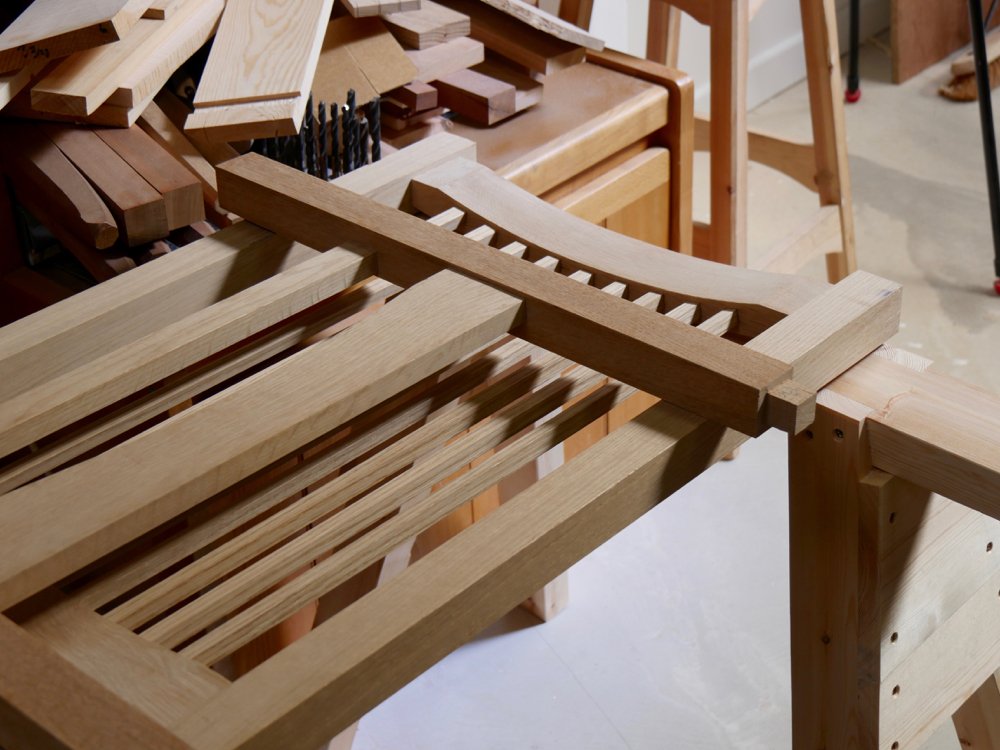
I do see that what is being lost is the expectation younger people have whereas in my youth I did expect that I could learn a craft by apprenticing. When we lose expectation we lose hope and when we lose we feel disempowered.
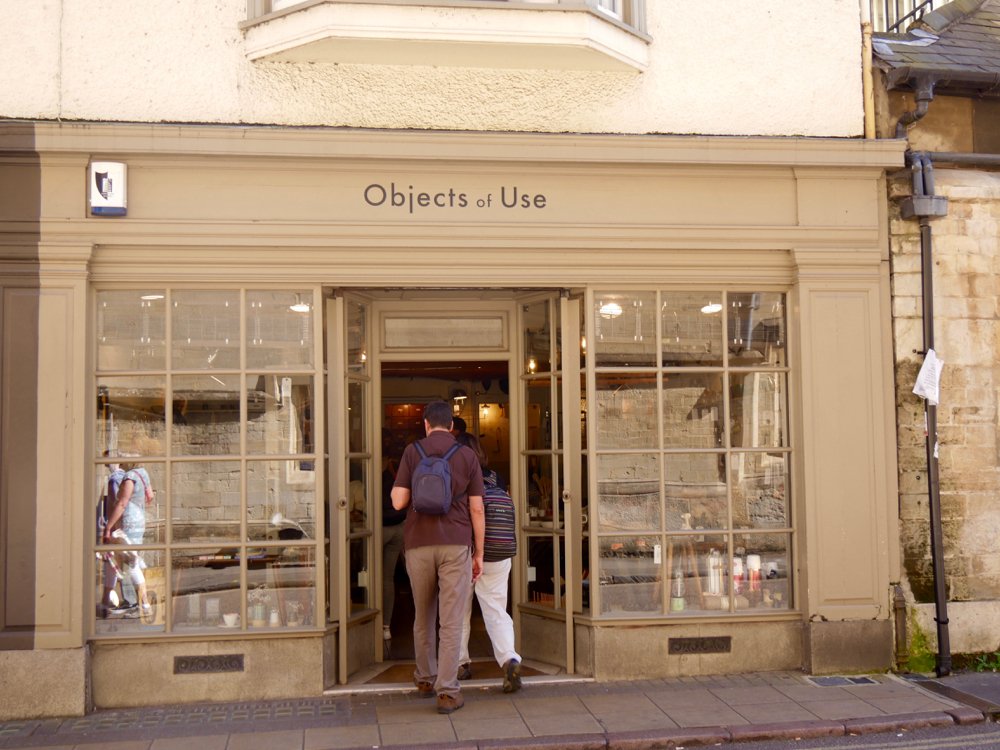
I do get tired of people saying you can't make it working for yourself as a woodworker. How ridiculous a statement. I have found the difference mostly yo be this. Yes, we are in danger of losing that aspect of our lives that distinguishes us from all others in the animal world if indeed you want to consider us as animals. Creative hand skills need to be first of all developed and then practiced continuously as part of man's life. That's just my perspective. I frequently visit a favourite shop slap bang in the middle of Oxford. The shop is also online and it is called Objects of Use. Perhaps at one time, in French, the name might more reflect objet d´art or in the English use of this French term more objects of most things three-dimensional on a more diminutive level. In my mind I translate the term objet d´art as, one, objet; meaning created item, and two, d´art; meaning of work, skilled practice and workmanship to fashion natural materials into functional and descriptive pieces to support life. Here is the etymology of the word art, but I am not saying culture does not redefine words. My belief is that the very term 'culture' means a literal dynamic constantly enabling or actually empowering change. Because culture itself is often changing and not stagnant as such, we see the impact of fusion by added other cultures. Often we see a diffusion resulting because of the additional impact of added influences and factors.
So the man missed it. This is the common flawed thinking amongst professionals and indeed graduates and lecturers because they only look at the lives of and living as a working artisan as purely a means of making money, so in their eyes you can work to buy the lifestyle you want for the time when you are not working when in reality your working can indeed be the thing you live and work for. This of course is the lifestyle. It's planned in one sense and then in another it has evolved by an intent of measured and controlled direction. Of course you do have to strive all the harder to understand what you want to do with your life. The man with the "truck-load of power tools" seemed to work to put his kids through school, pay for his additional lifestyle outside of working, and then buy his sailboat boat." One reader pegged it with this:
"One of the most important caveats you stressed is that you have to tailor your lifestyle to your earning capacity if you wanted to succeed with hand tool woodworking in business — This actually gave me the smile — The continual cost of hardware, upkeep and mooring of a “Great Sailboat” would tax the income of a Surgeon or an Attorney/Lawyer, never mind a lifestyle Woodworker."
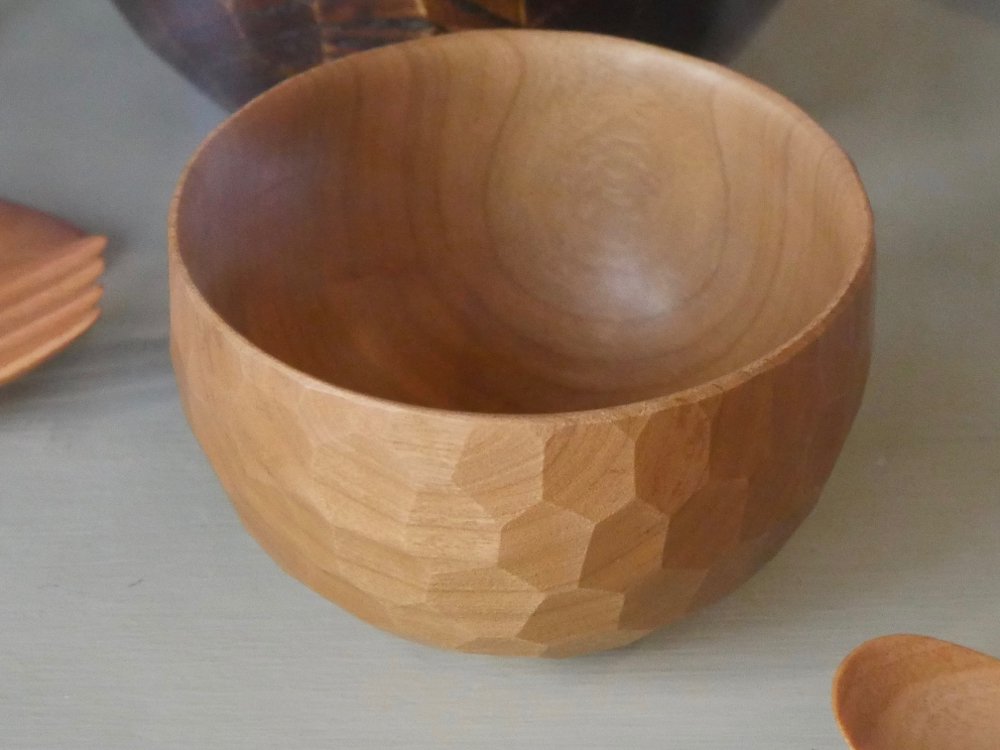
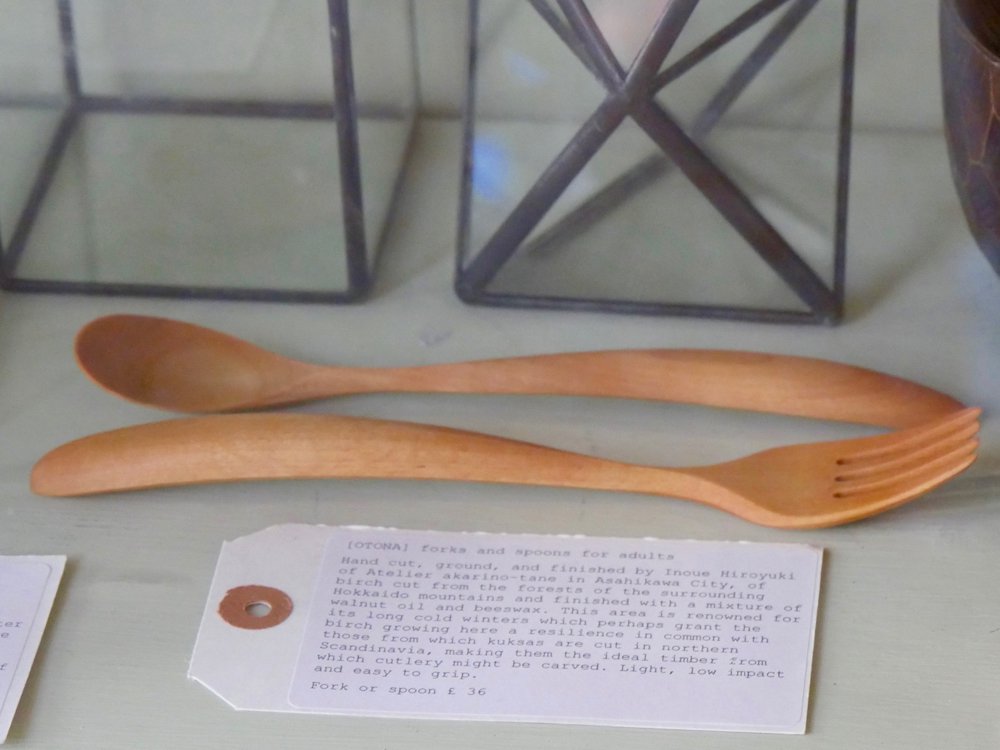
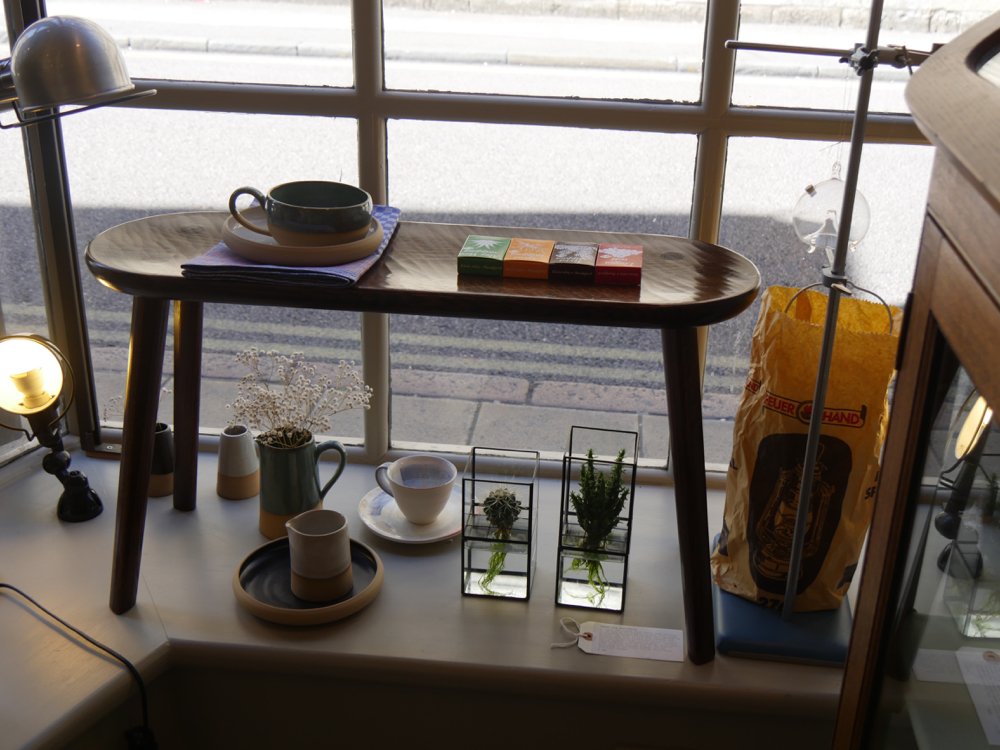
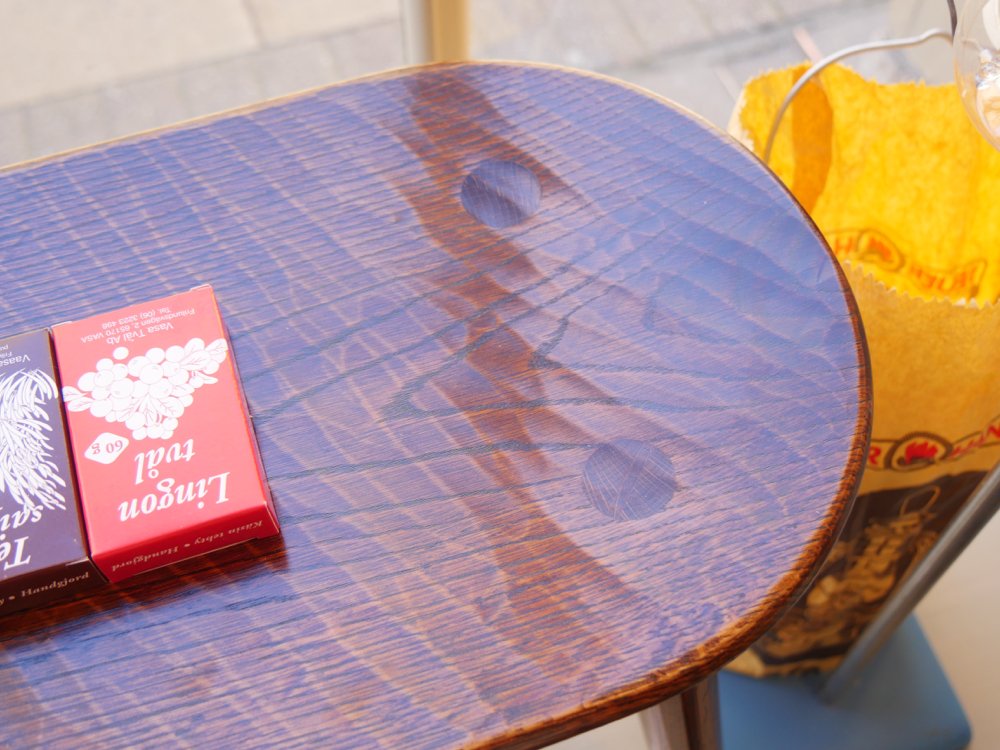
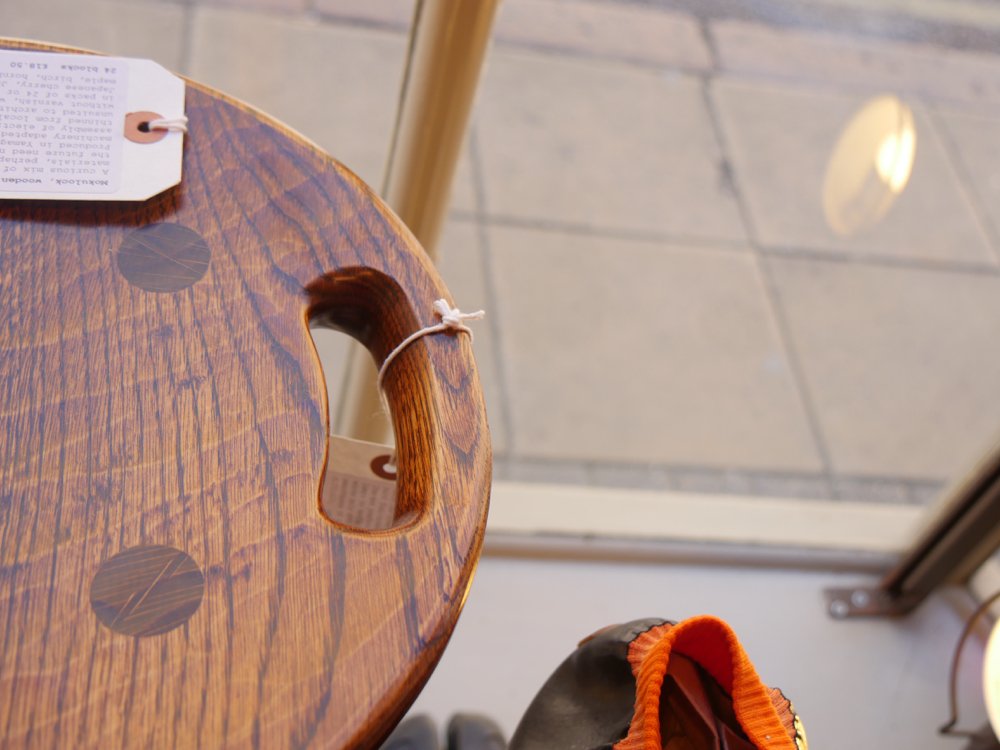
Moreover. The images on this page show something in process. Objects of Use doesn't stock what doesn't of course sell. Take a look closely at the individuality of the pieces. It's one thing to turn a bowl or cup on a lathe. I can turn a cup or bowl in a few minutes and so could thousands of others too. Individualising it, on the other hand, now that's different and that's what makes any item different. This is where the artisan takes some extra effort and the work takes on character. Usually it takes no more than say an hour for a 10" plate and 15 minutes for 4" diameter cup in say sycamore or oak. Nothing complicated. But then this artist took his work that step further and with a flat chisel created facets over the whole of the outside surface. This alone transformed the ordinary into the one-of-a-kind, no-two-alike realm. Would you pay £36 for a spoon and fork made by hand or using hand tools and a machine to beautifully fashion items like these? I would. I think too that others would, hundreds of others, if such beauty catches the eye and the imagination. What about seats like this one. With these simple seats selling at around £700 ($1,000) we enter new realms. I would rather own one of these and place it in the centre of a room to sit on than half a dozen padded chairs from the big-box store. I'd save up for one and then save for another complementary piece too to accompany it. And then I might save yet again for say a table and a bench seat too; knowing that I would be buying an heirloom piece. That's of course if I couldn't just make my own. But then again I like the idea of buying work by other artisans. Personally I look at items like these and say to myself, "Can I support this man's lifestyle?" I look to see what the making of it took and I tell myself that this stool with it's carved hand hole took about a day and a half's labour to make it. 12 hours of pure and determined handwork. In this case the shop owner will usually pay half the selling price to the artisan so we divide £695 by two to get 50% and then divide the £347.50 by 12hours and we get somewhere around £28.95 an hour. The cost of shipping to the UK will have to figure in there somewhere and usually the buyer bears this cost, but you get my drift. All of this says there are buyers and there are sellers and there are those that provide the platform to engage the maker with the buyer so that the maker is free to crete and the buyer need not search for what he wants beyond this venue. It symbiosis in action.
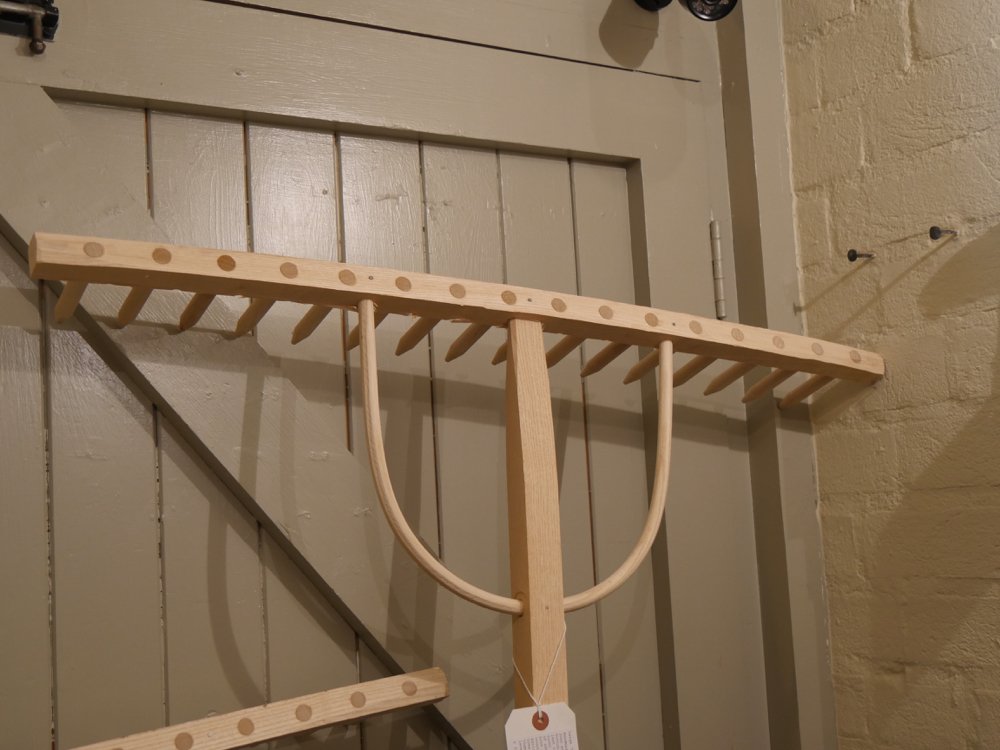
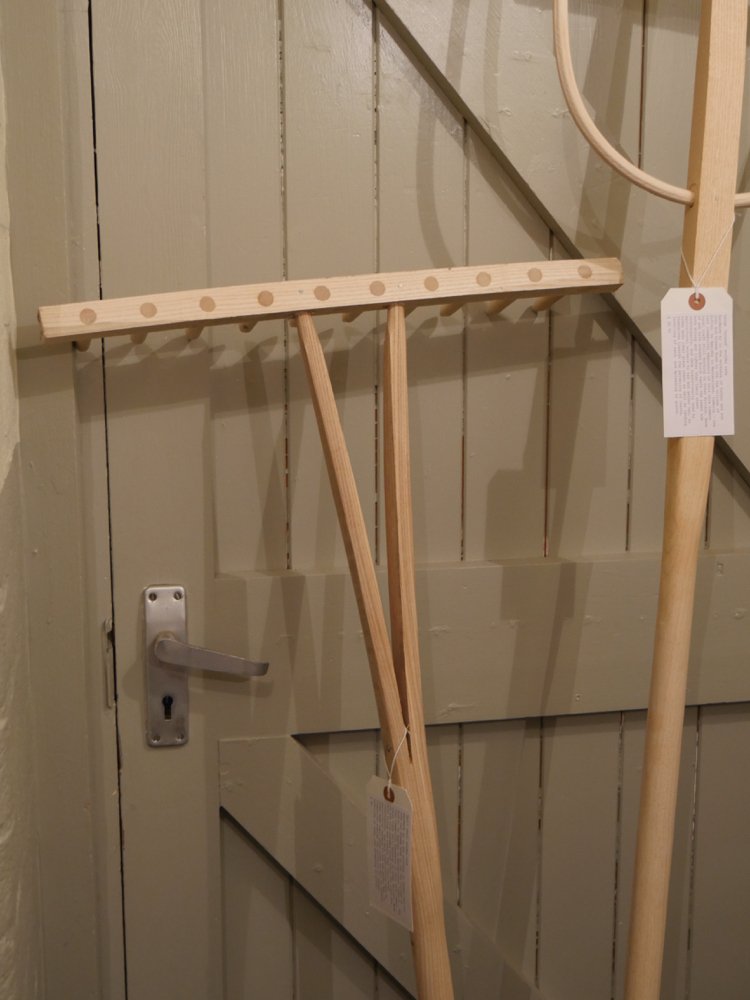
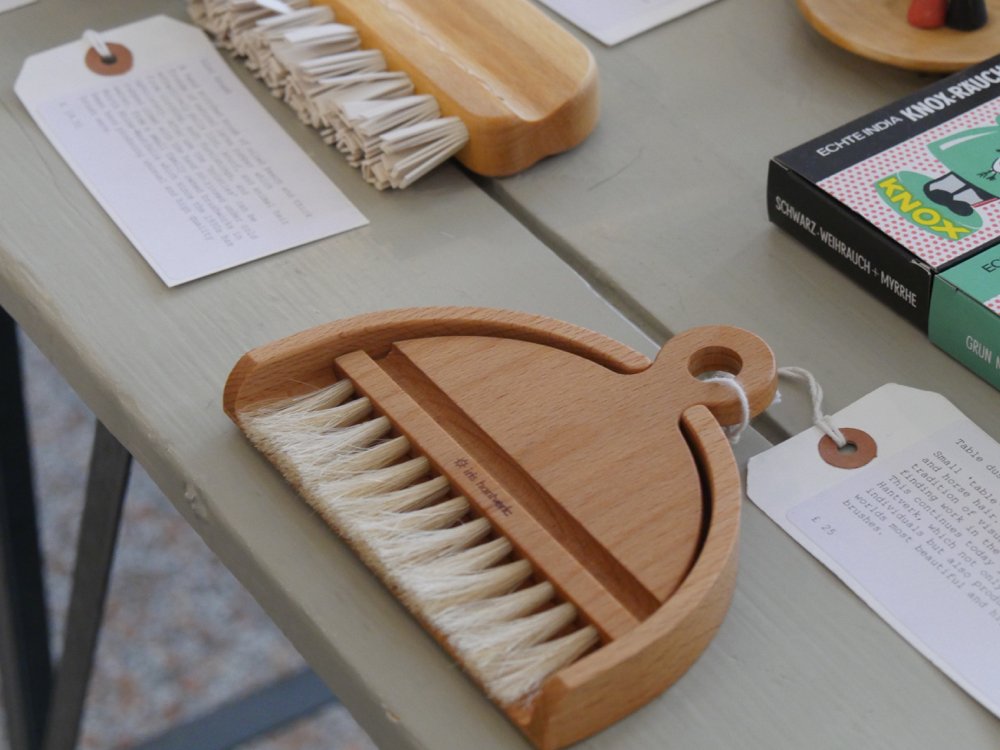
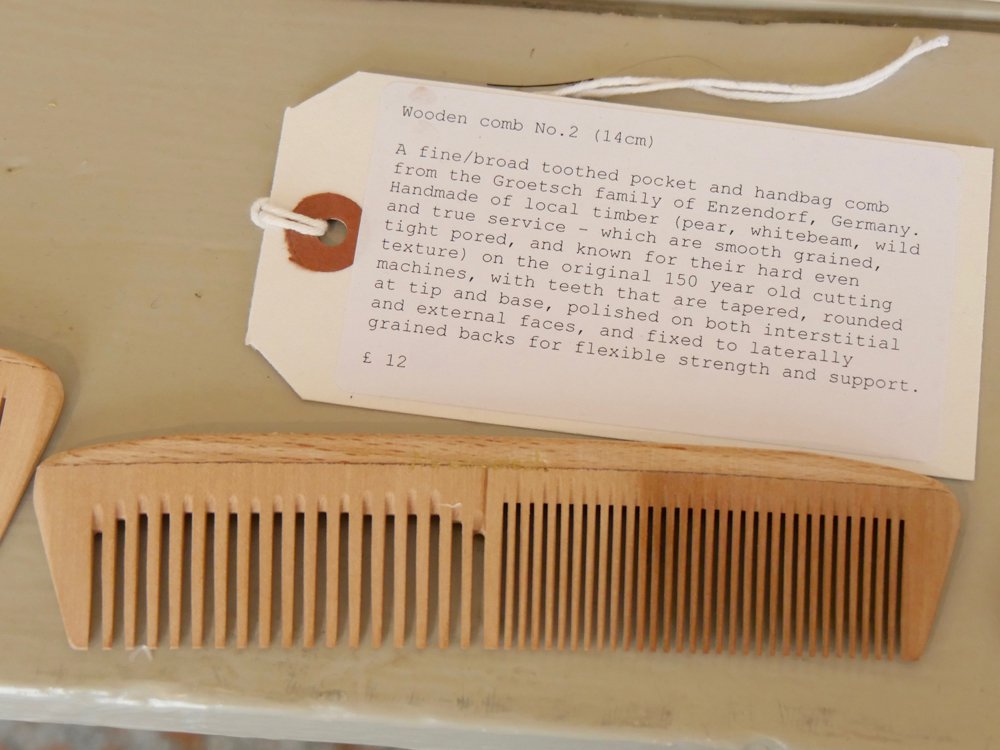
Combs like these improve with use and over a decade they will customise themselves to your scalp, oils from your hair and such and they 'become' or 'becomb' yours. £8 and up is not much to pay for a lifetime implement like this. Yes, not everyone can afford the difference between hand made and mass made. I save for them and buy when the money is there. It's a matter of choice and I choose to do things this way. Here we have some hand-made rakes, two models, nicely made in the English countryside by a father and son in self-employed union owning their own business. I love such things and feel that we can soon see a return to these pockets of creative work. I like the fact that Objects of Use provides the information that educates their customers. This also makes the purchase easier to consider. Can I buy these items cheaper? I don't want to. I will save a little longer to buy one and then I will go to a place in my life where I respect the maker and care for what he and she made.
If you cannot go into Oxford because of geography then visit them online here and support them.
And so, in the teaching we do, we train people to be able to create a subculture that counters the sterility of mass made on local levels around the world. People are adding making and then selling into their lifestyle and enjoying the risk, the added interest and the quality such doings bring to their lives.
Comments ()