
The Unasked Question – What Do I need To Become a Woodworker?
Psyching Up
To start woodworking is much simpler than you might think. The tools you need to start with are quite few and actually you may be surprised to find that even longterm users like myself generally rely on no more than say 20 or so hand tools in a given week—even if you are a full time woodworker.
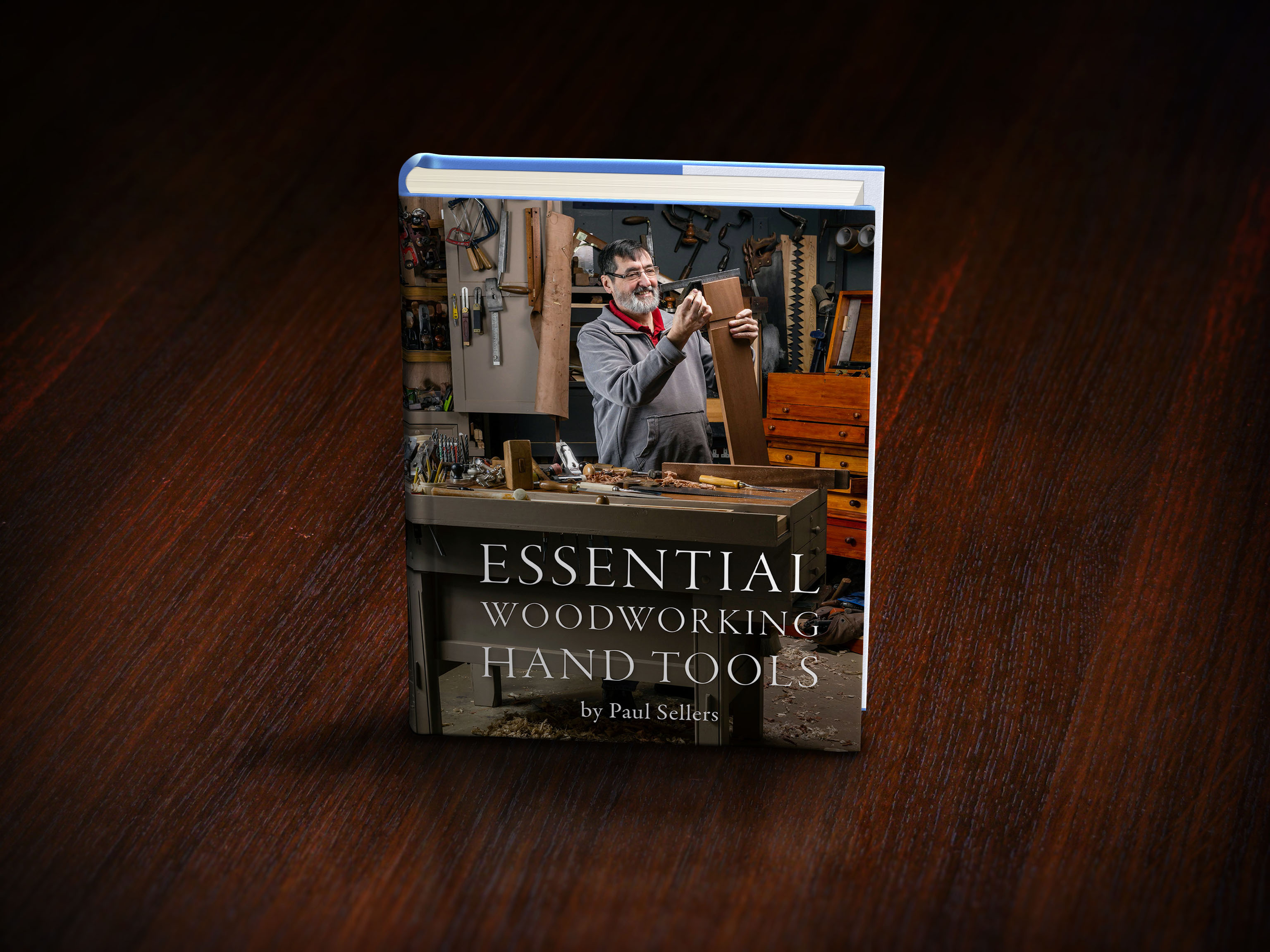
The important thing is to start out with tools built fit for purpose and that doesn't necessarily mean buying new or the most expensive. Fact is that whatever you buy new becomes older quite quickly and the measurement of age in old tools may well mean that it was used while it was semi sharp from the maker, planed off the edge of a door and was then stowed for 40 years in a box somewhere. I bought a brand new Record 5 1/2 plane recently for £30. Of course it’s knowing which tools to buy that causes great problems and then who can advise you becomes another. We will help you with that in this series. As with most things Googled today, all roads lead to sales staff, sales pitches and sales outlets. You can't escape it. They are the ones with the bigger bucks and their shout clouts the loudest. This relative newcomer to the world of woodworking has replaced the magazines who also were and are greatly influenced by sales and ad space buyers influencing content in different ways. Not a good place for a first stop. Better to consider going there when you know what to want to buy. I find it has definitely become more problematic finding core information even from knowledgeable artisans because their (our) personal views are already pretty much formed on the one hand or influenced by trends on the other, but also in many cases their being sponsored too and that often confuses issues. It was partly for this reason that I decided to write Essential Woodworking Hand Tools. It became for me the book that was never written and it was intended to bridge the gap between the dearth of the crafting artisans I grew up with and the generation that will never apprentice in the fortunate way I was privileged with.
Dismantling the sources of misinformation has become standard for me. Magazines and tool reviews usually have no critical depth because they are usually side by side comparisons and you have no idea of the experience of the users. They also test tools in a test tube circumstance of isolation rather than long term on the job day in day put. More information comes via forums which I tend to trust more because most of the contributors are answering from their encounter whatever the level they are at and that can be quite valuable. So it’s not to diss other sources so much as to supply information that will cut to the chase and get you out into the workshop that I have chosen to follow up with this; starting out with what I see as a solid foundational course. With the right hand tools and some good information you will discover that woodworking is relatively simple and quick to learn. The woodworking hand tools you need are relatively inexpensive if you follow the right guidelines and you are willing to put in some of your own sweat-equity. What you need to get started in woodworking is a quality of tools equal to the task, a knowledge of what tools and equipment to start out with, a knowledge of sharpening tools and an understanding of how the tools work in the wood.
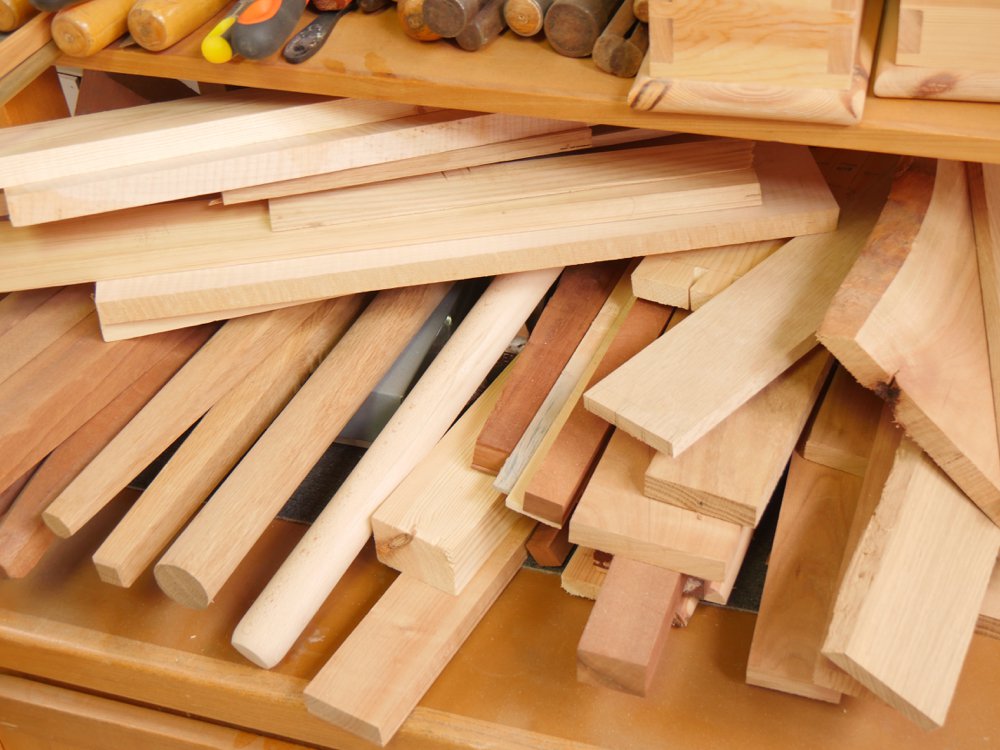
Along the way you will feel the differences between the woods you try out in the making of some projects. Make a spatula from six different woods and you gain understanding through six often quite different experiences. You learn about the character and nature of those woods and you will also learn that the tools do respond differently to them too. With some woods the coping saw will work more effectively than say a plane, a spokeshave or a rasp. What tools you need depends very much on what you hope or expect to make. Foundational projects are usually projects designed to develop certain skills and techniques using particular tools. This knowledge can only be attained in the working of the different woods. This is what we call relational knowledge; knowledge that can only be gained from relational working and, in this case, with that particular wood and then the particular tools you work it with.
This is very different than reading about the wood and the tools or even watching a video on them. This is purely experiential. By experiencing the interaction of the tools and the wood first hand we begin to amass experiential knowledge in relational ways.
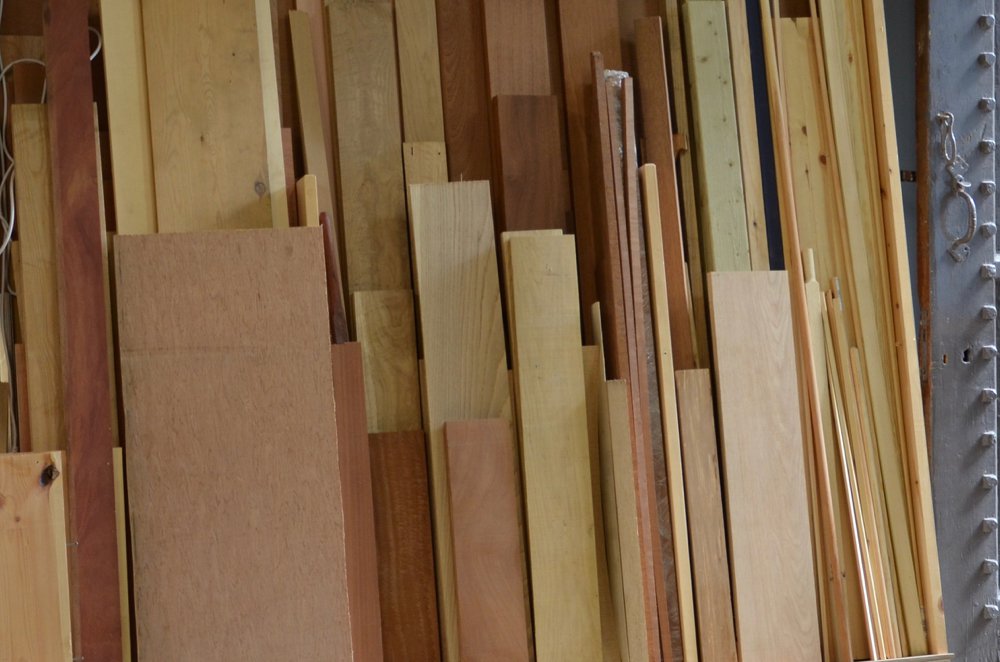
Our minds then are perfectly capable of storing such information in an archival way—so as to draw on the information as we progress into establish woodworking as our chosen craft. This kind of knowledge cannot be archived for others to use. It is personally derived, experienced, stored, and then retrieved according to appropriateness.
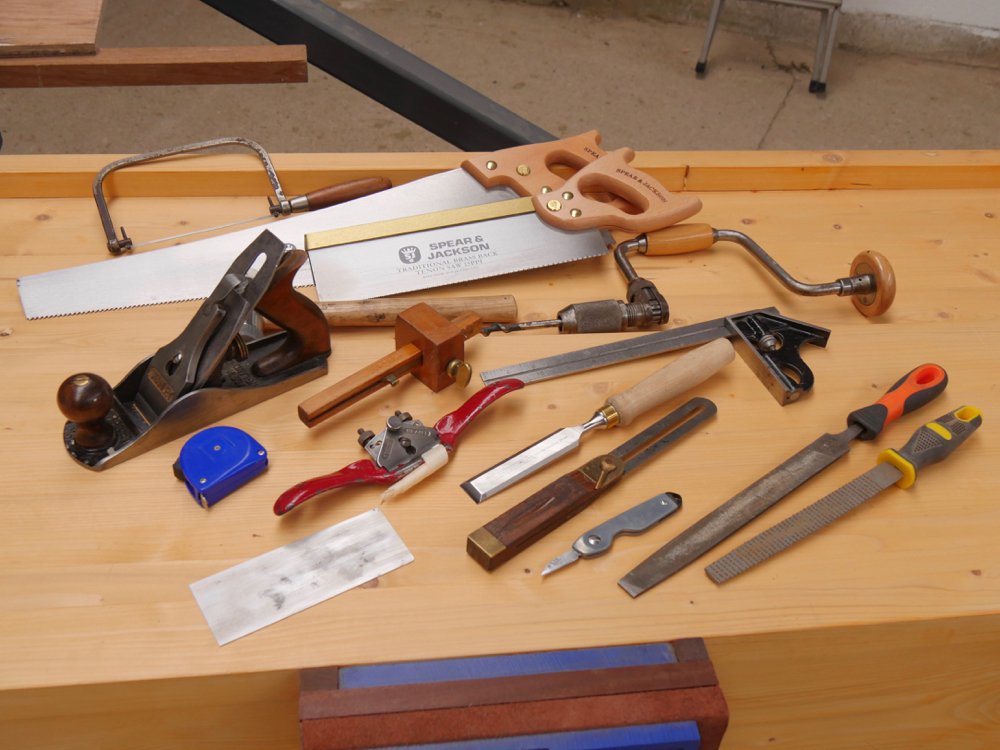
So asking what you need to get started in woodworking is both simple and complex. What makes it especially simple though is if you choose to make things primarily by hand. Hand tool woodworking minimises the footprint we need to work our material. With using hand tools we need only a few square feet to create even large pieces of work. To start out though it is unlikely that a large piece of work will be the best course to take. A spatula on the other hand needs only 6 hand tools, a workbench and vise and a short section of wood. That makes sense, but you will be surprised to see that making something like a chair too needs mostly the same things. It is only when you come to assembly that the need for more space becomes a consideration. That said, even a rocking chair needs no more than the surface area of the workbench you’ve already been using and the space you’ve been standing in around the vise area. It may be hard to imagine but the tools it takes to make a spatula are also some of the same tools you would likely use to make the rocking chair. The spatula takes 7 hand tools and the rocking chair shown takes 15. As you progress into starting out, additional tools can be accumulated and the pit is usually buying unnecessary tools in our (or another’s) enthusiasm to progress our endeavour. I think that the spirit of the original question is important and the word ‘need’ in particular.
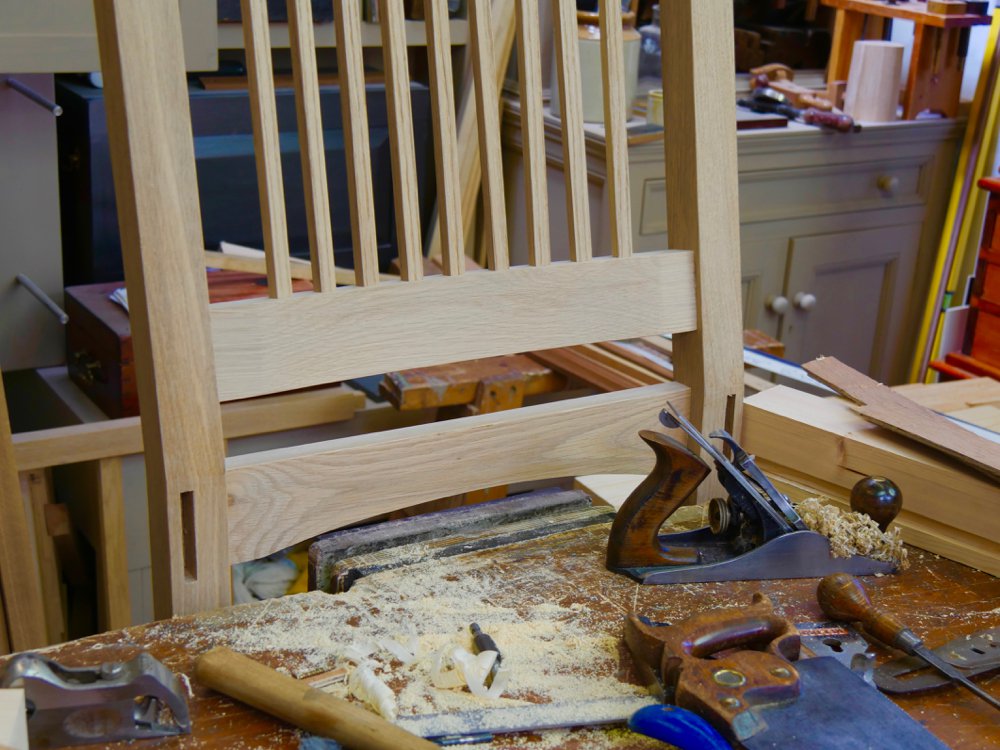
The tools needed to build just about anything will actually be no more than say 30, probably. Whereas I have enjoyed building my collection of user tools to number in the thousands, in the day to day of life I still use no more than ten in any given day. Specialist tools have their place of course they do, but these are accumulated based on your experience as you grow in creating particular pieces on a regular basis. the tools you eventually buy may well be quite different to mine.
Chicken or Egg
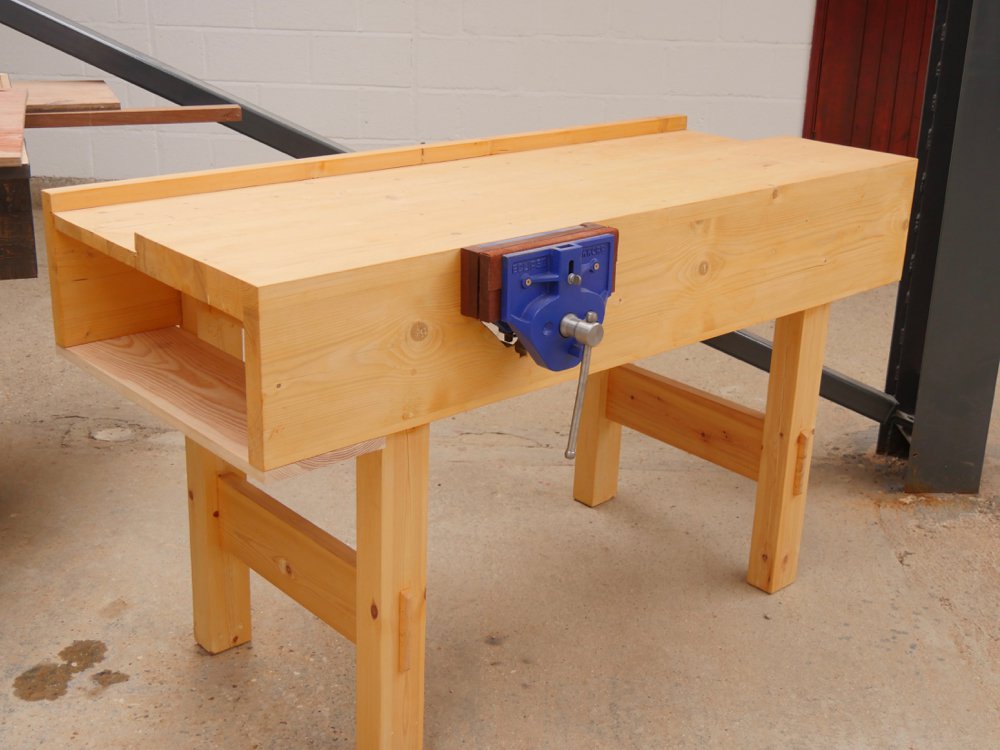
Workbenches are the central hub around which our work centres. It’s where we stow tools not in use and the tools in use too. If the workbench is the central hub then the vise becomes our anchor. Rarely will we stray two feet from this pivotal point, so again, the question stirs within us, “What do I need to get started in woodworking?" So we see here that for us, the tools we use and the materials we work, though optimally important, are rendered near to useless without the workbench and the vise.
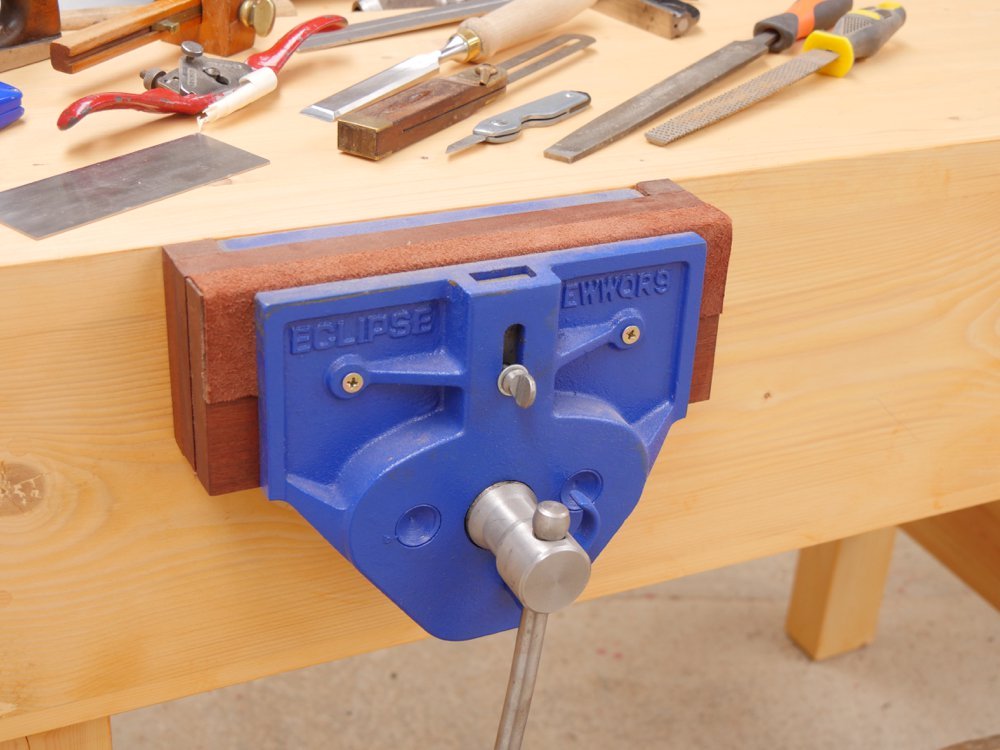
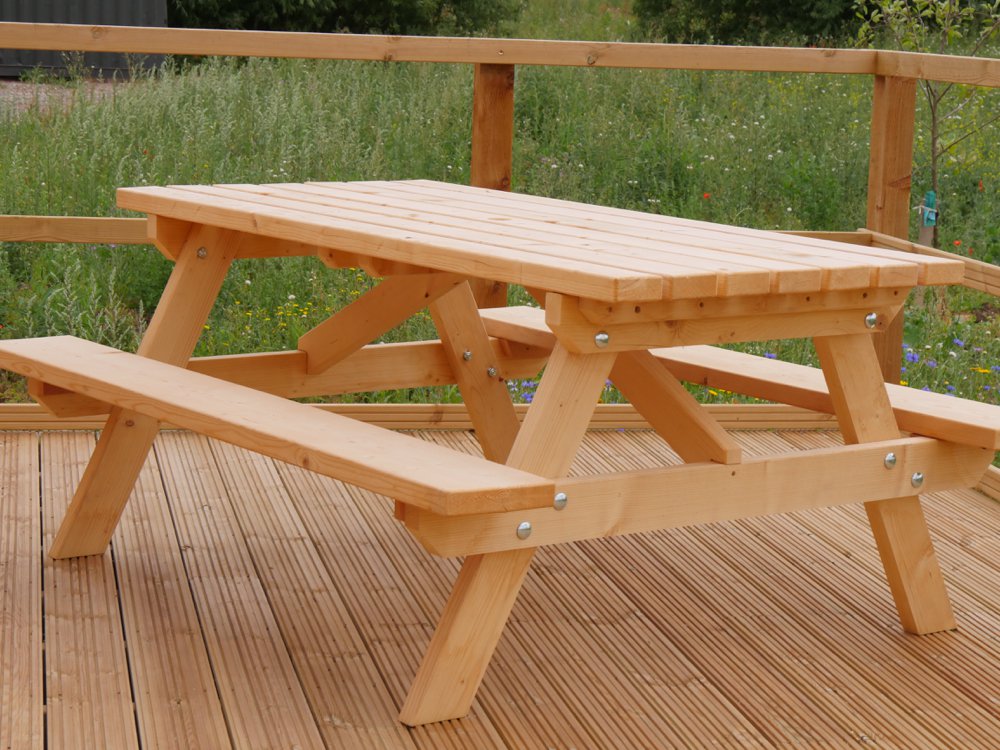
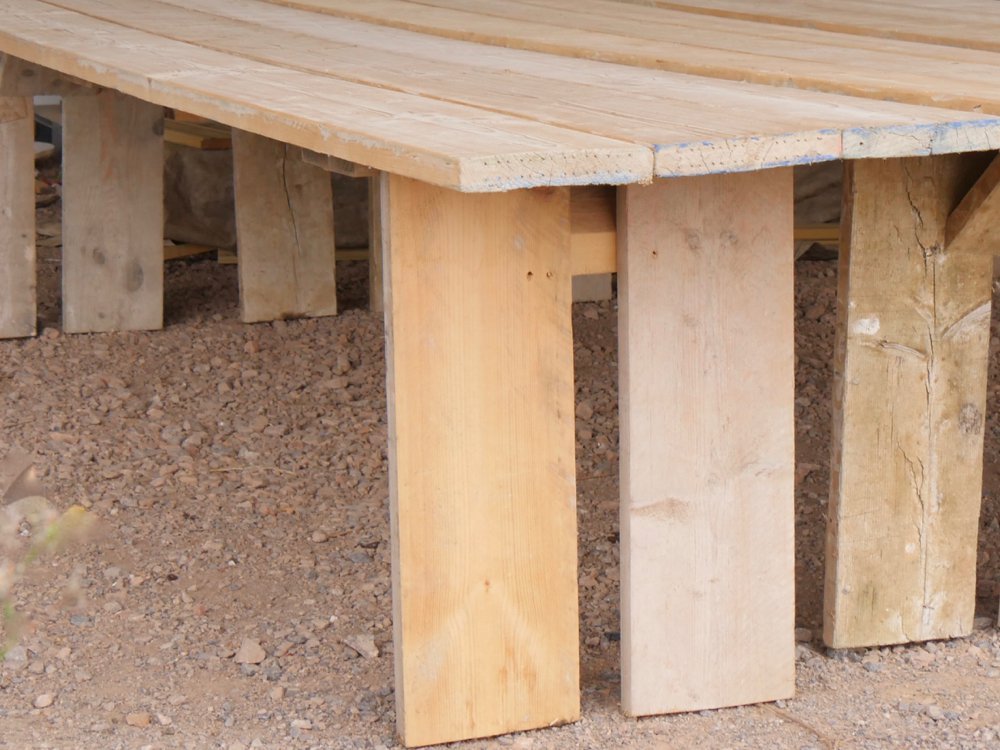
You can’t work at the bench without tools and you cannot make the workbench without them. You must develop skills before you make the workbench, so, what a dilemma! Let’s first discuss the initial steps in the excitement of beginning woodworking. Let’s buy the basic tools first. A temporary workbench can always get us started and one time I held a hands-on workshop for 30 kids gathered around a dozen workbenches in the Texas Hill Country in the USA. A good and solid picnic table like this will help you begin, and a vise can readily be attached to one. Just about any mass of wood configured with bracing works. You can also use a few clamps to anchor things too as well. Of course before too long you will want a dedicated workbench. We can talk about that in the mix of getting started soon.
We are now ready to start the series, in answering the specific question we began with. If you know someone that will benefit from this series, please pass on the info to them.
Comments ()