
Fine collector tools
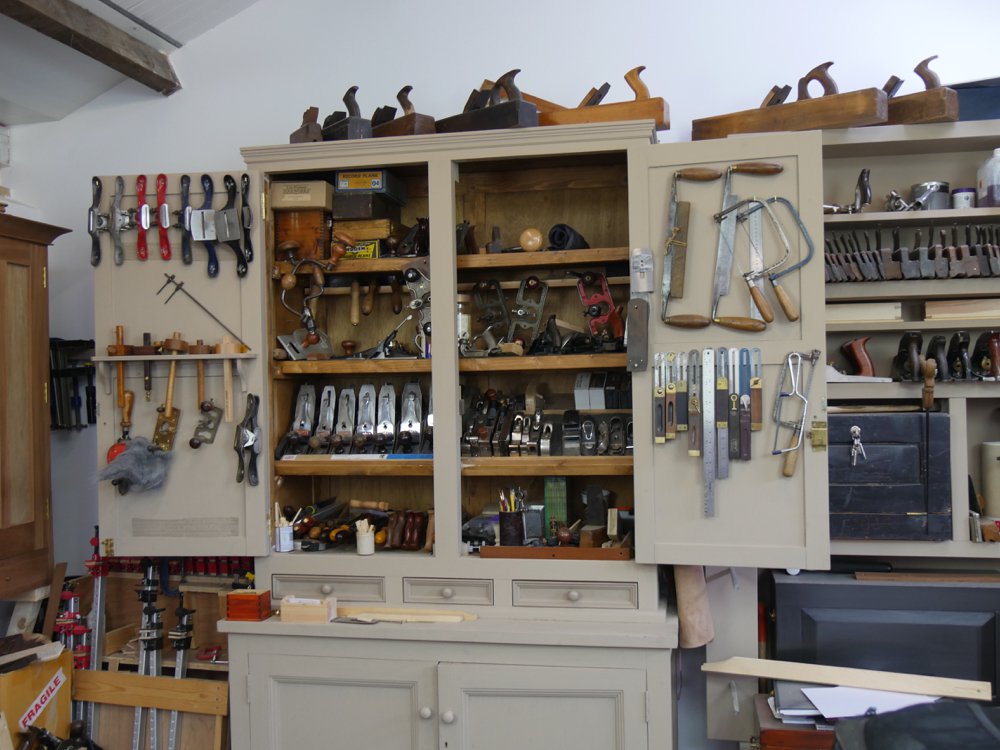
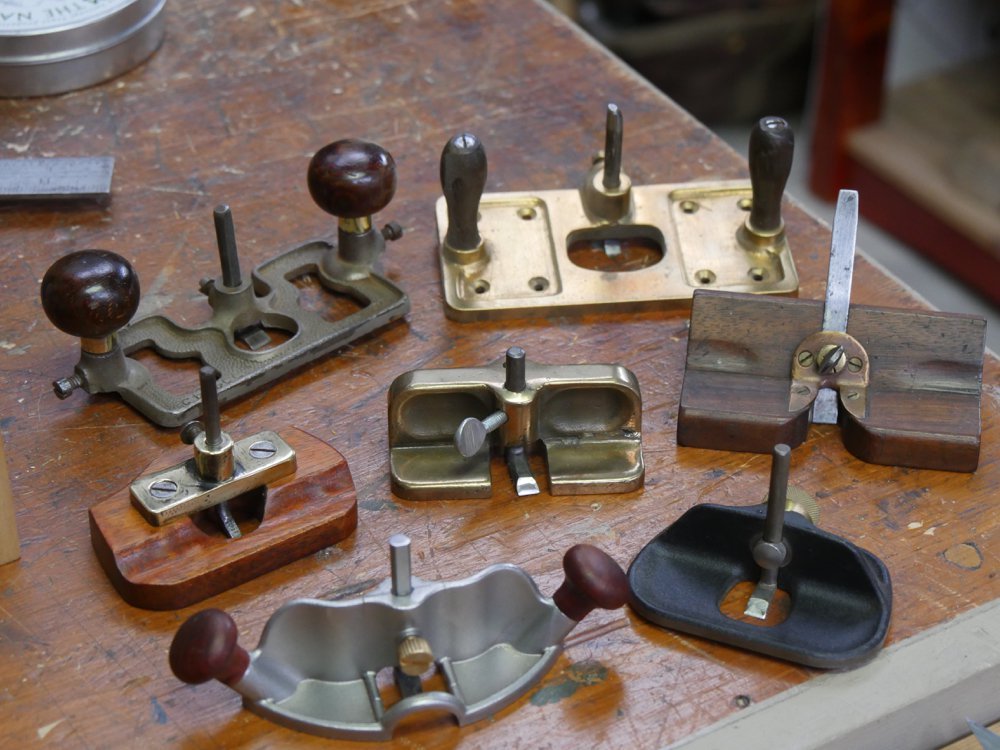
The recent post I posted on tools being unfairly acquired fired a little ambiguity surrounding the message. My concern was someone having say a tool collection with value of £5,000 and someone telling the owner that they weren't worth hardly anything and offering £50 with the intention of selling them for the £5,000. Taking advantage like this becomes an ethical and moral issue and fairness should in my view prevail. In the heat of the deal and the desire for quick gain we can lose sight of fairness. That said, if the £50 is all we can afford to pay then surely this is a place for honesty and integrity to prevail. The person may be willing to sell the tools for the £50 knowing that they will be repaired, restored, used recycled or whatever. Different reasons surround the buying and selling of tools.
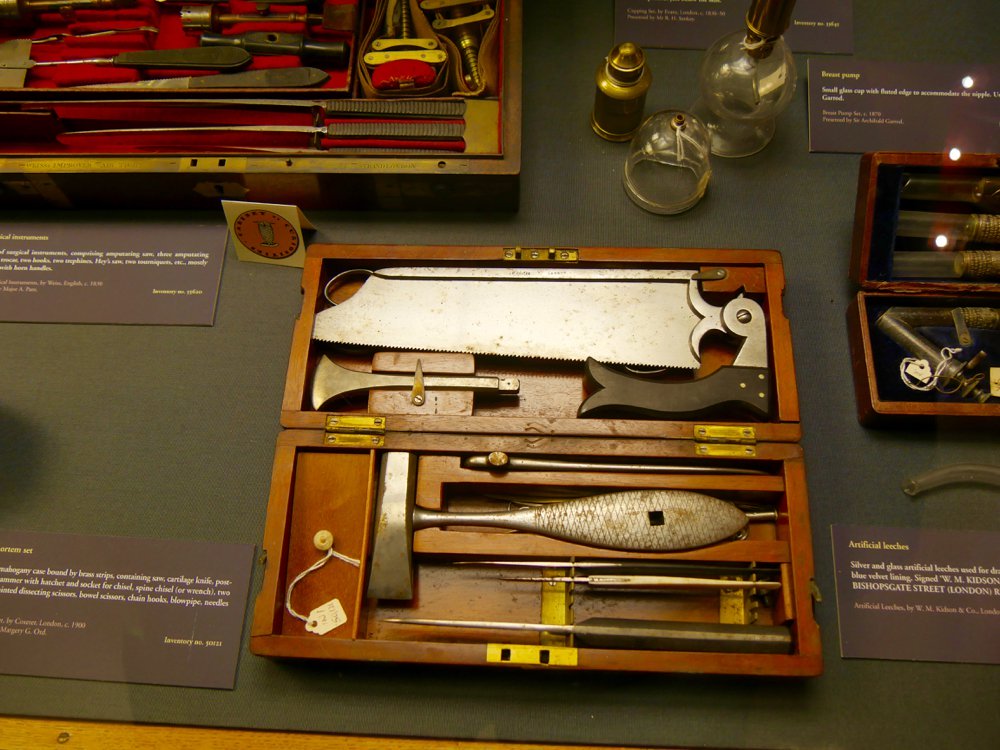
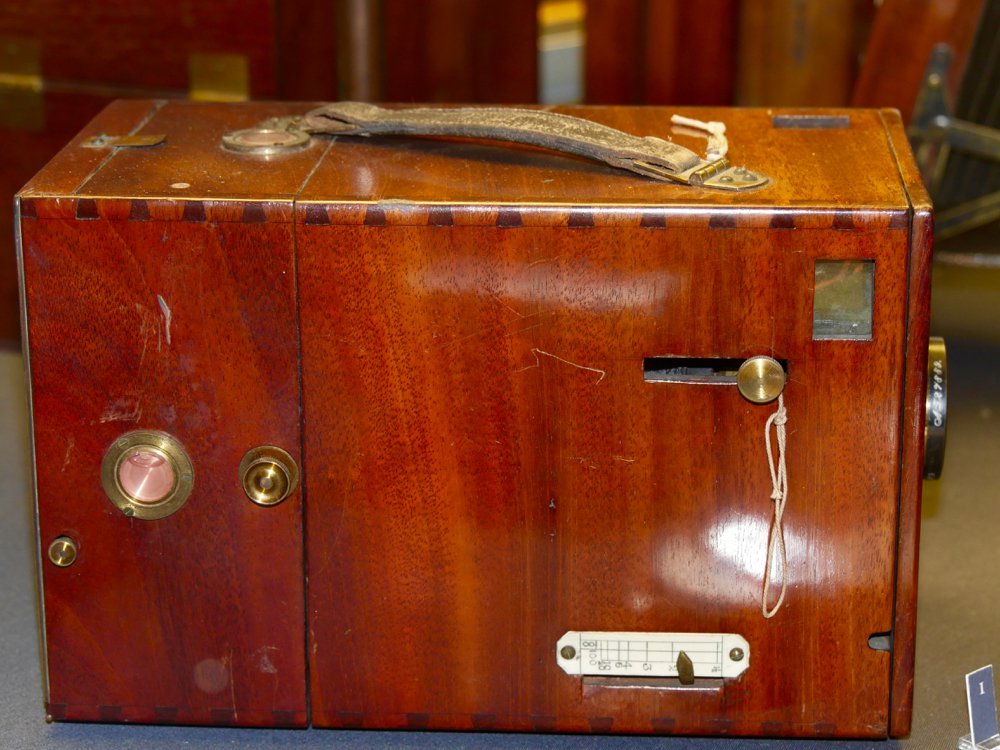
The discussions surrounding users and collectors can get heated. Mostly it depends on tool-type availability, which of course means scarcity commands higher prices paid by collectors and rarely affordable to would-be users. This can cause conflict because the interests are of concern to the differing parties. I'm a collector of user tools so clashes are rare for me. Almost all of my tools are in user condition but I have a couple or more I have pensioned off but still pull to task if I want to. There are some tools that would and could be working but are indeed just too beautiful or too rare to put into service. Works of art, creative mastery being preserved in a collection, there's a place for such things. How the collections are shared or not then becomes the issue. Mostly these tools were never intended to be used. They were intended to exemplify the finest working of the toolmaker. He might have only made small batches; even just ones. It still saddens me to see even photographs of ivory planes and parts to tools. Never knew of the cost to life when I was young. There are of course plenty of rare collectables not made from rare woods and materials.
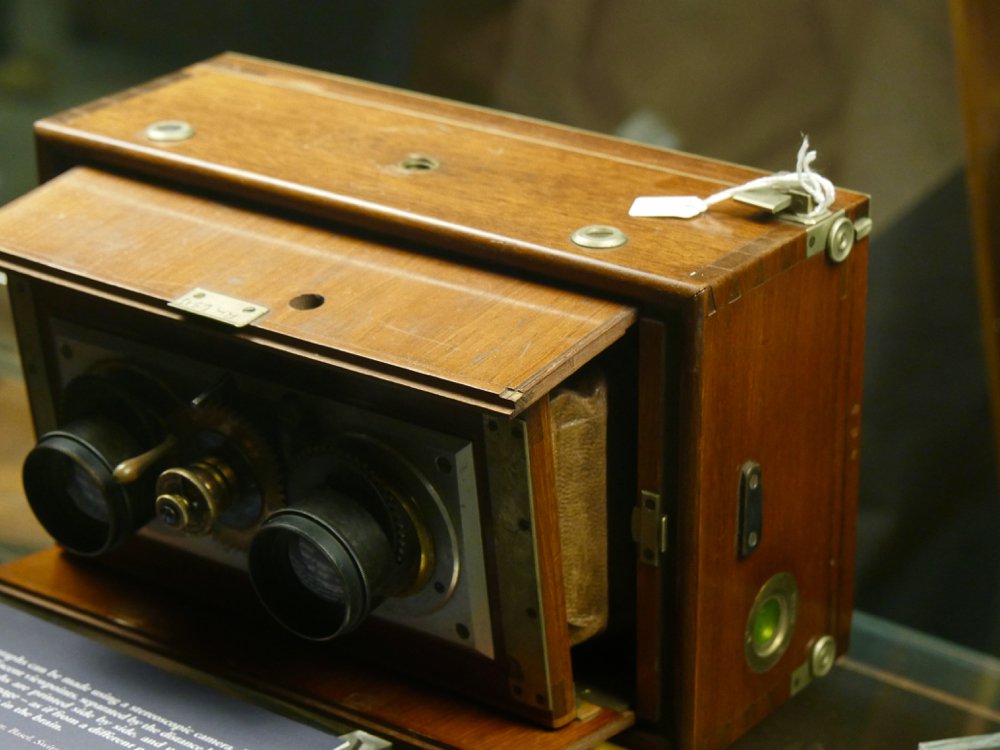
In the Museum of the History of Science in Oxford my life was enriched by the amount of scientific instruments there are to view and of course the amount of wood used to build and protect the instruments. It's an amazing day out for anyone interested in wood and science and the instruments we relied on in the pre-computer, pre-plastics era. As with almost all well preserved collections, the collections started out with a collector anxious to preserve beauty and creativity and investigation into the world we live in. Perhaps sometimes nostalgia wins out. Seeing collections is most often a reward to us and without collectors there would in many cases be no record of what really mattered to our culture.
Comments ()