
On Vises—Part III
Fitting jaw linings
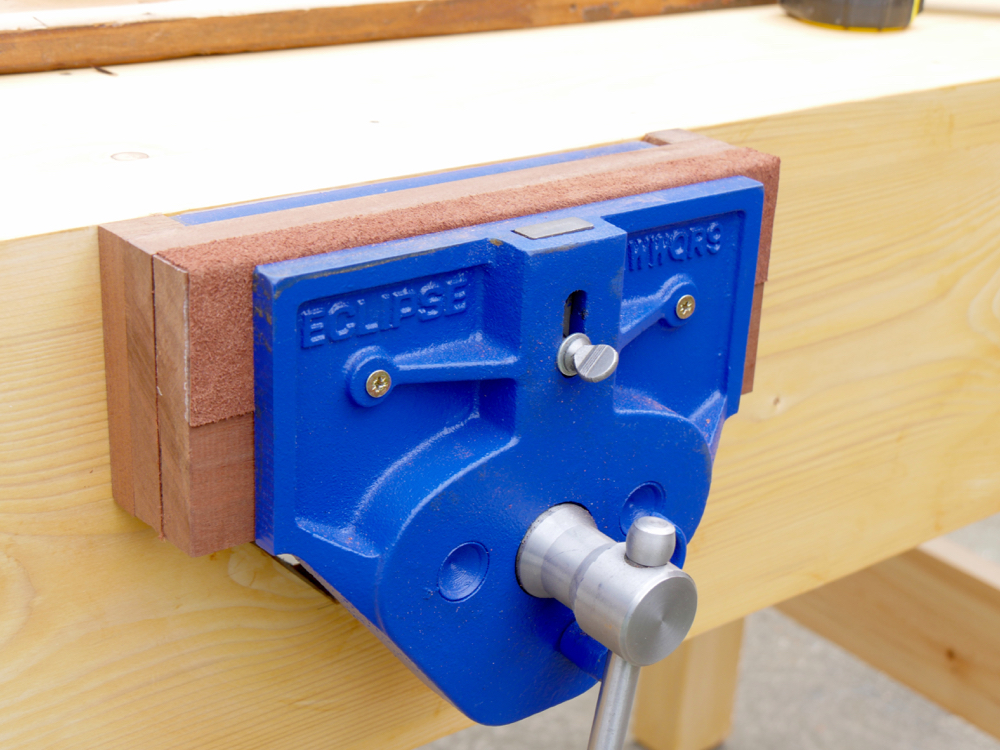
You can use plywood, a good grade, or solid wood, even pine, if that's what you have, to line the jaws of your vise. In this case I've chosen sapele, an african hardwood with perfect hardness and compression for this work. I've used it before and it's one of the best. Better than oak and comparable to ash. Ash works well too.
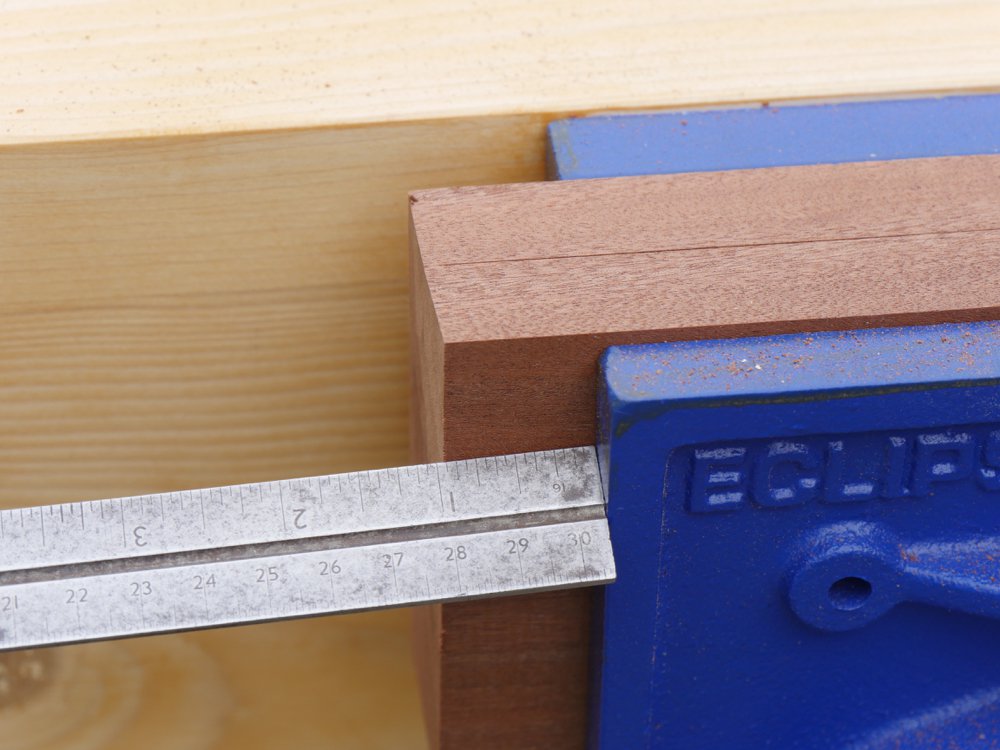
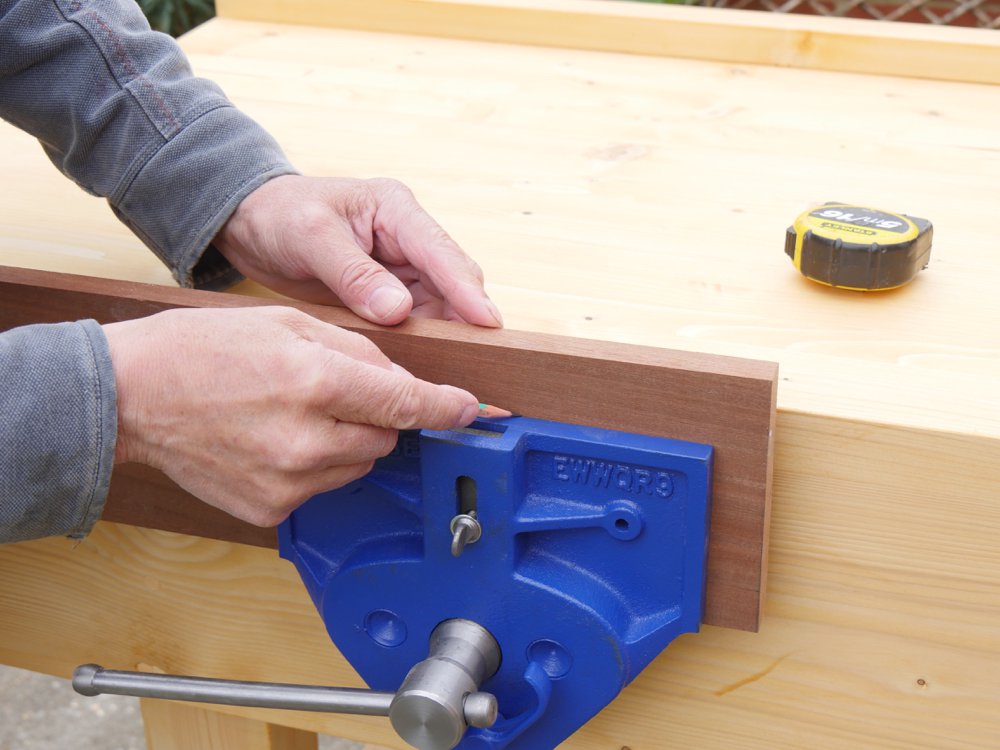
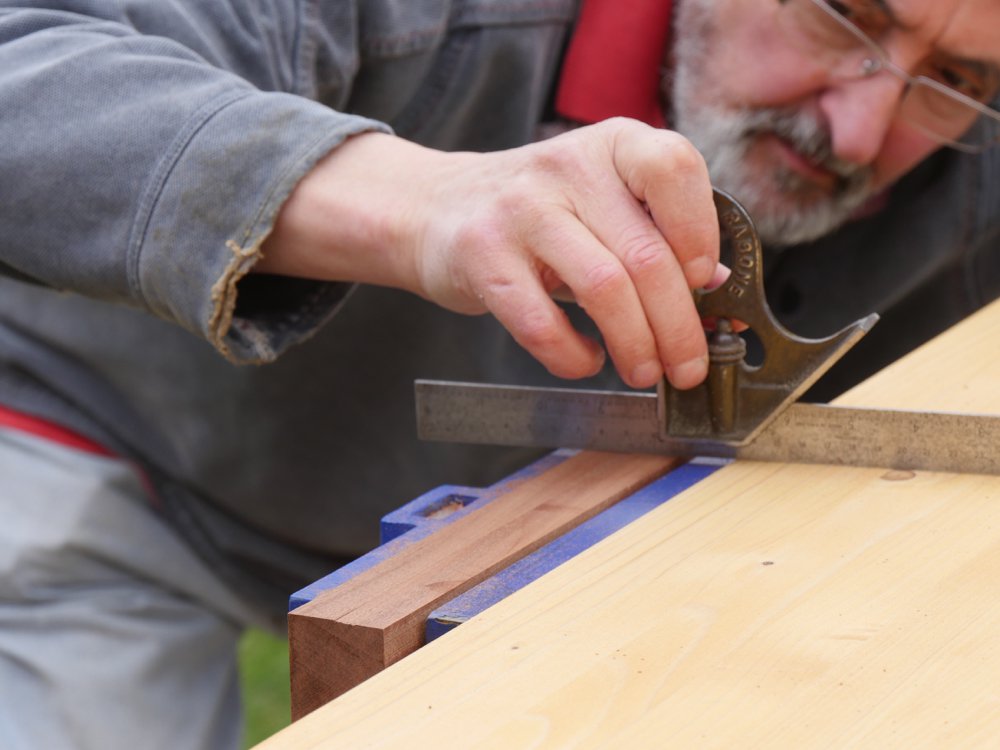
With the vise fully fitted and locked down, cut the jaw pieces 2" longer than the width of the metal jaws. This allows for a 1" overhang each side which I like. When I am done my jaws will be 11" overall and this suits all of my joinery work perfectly and so too just the general holding ability. The width of the jaw linings is established by the jaws lining up with the top of the benchtop and then stopping 1/8" or so from the bars that guide the vise closing. In my case 4". Remember that my vise jaws are set 1/8" down below the benchtop for plane safety when planing. the last thing you want is for the plane to catch metal jaws. Some people encase the jaw on the top edge by recessing the whole jaw and having a lip to the top but these often break off because of the pressure so I don't do that.
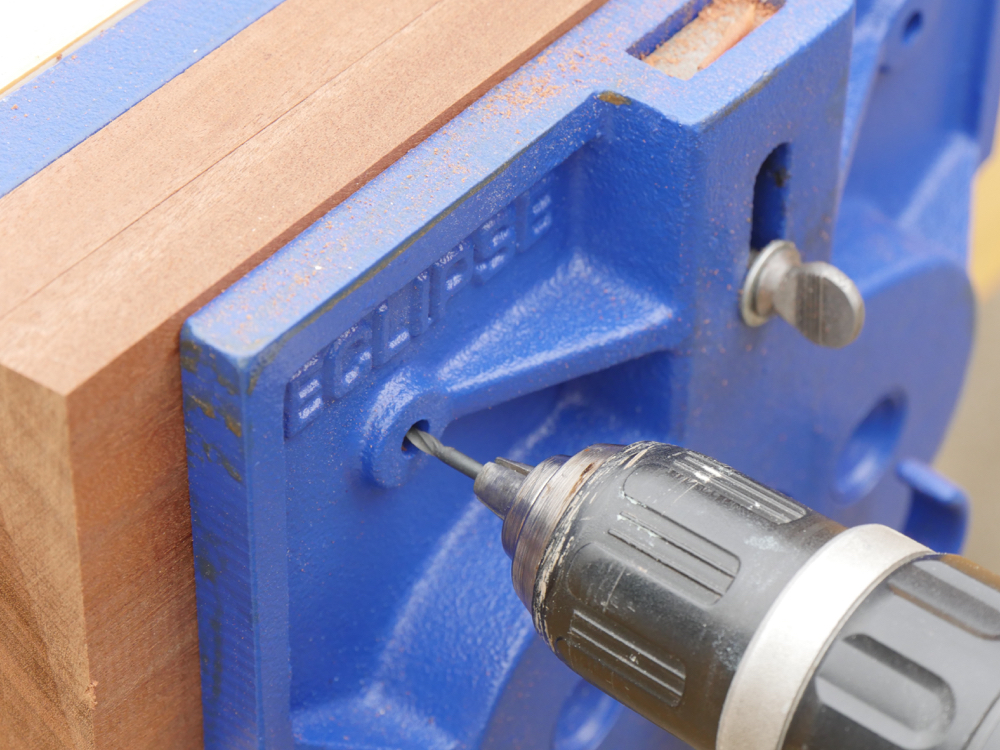
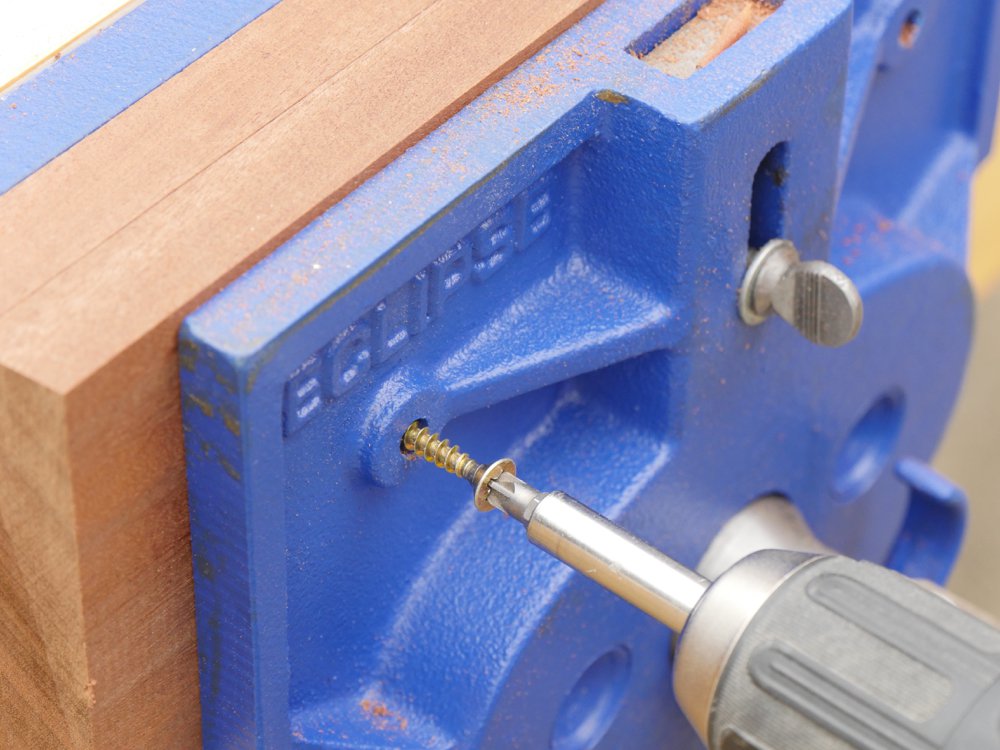
Place the front jaw liner in the vise and clamp with the jaw liner level or slightly above the benchtop and evenly across from side to side. Also centre the liner on the jaw so that the distance is equal either side; 1" overhangs. Close the front jaw onto the liner and pre-drill a hole sized to receive the shank of the screw; so that the threads bite into the walls of the hole. In my case I used a 1/8" drill. squeeze it tight between the jaws. Screw through the two holes with appropriate sized screws. You might want to consider a layer of non-slip shelf liner between the jaw and the liner. This stops any possibility of slippage and lasts long term.
Fitting the rear jaw liner
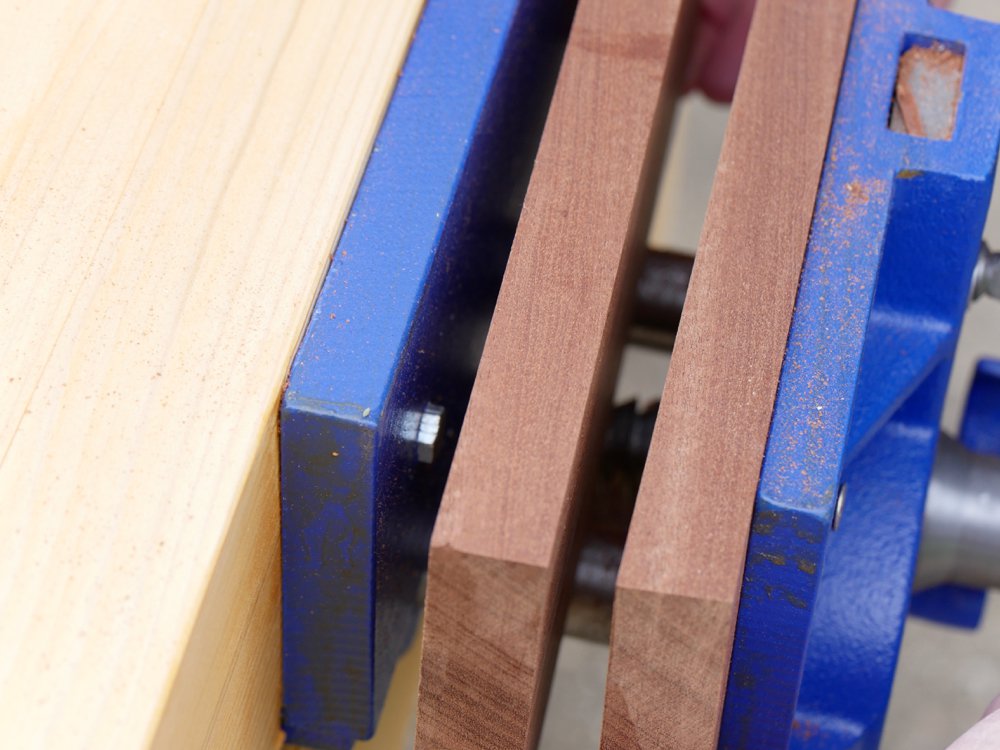
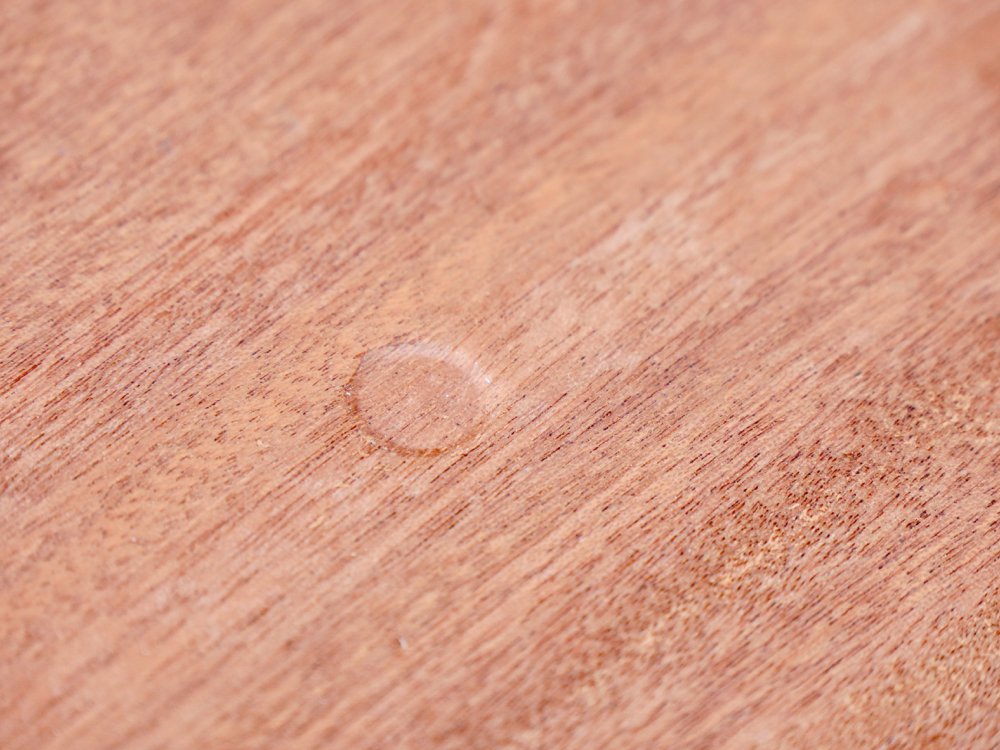
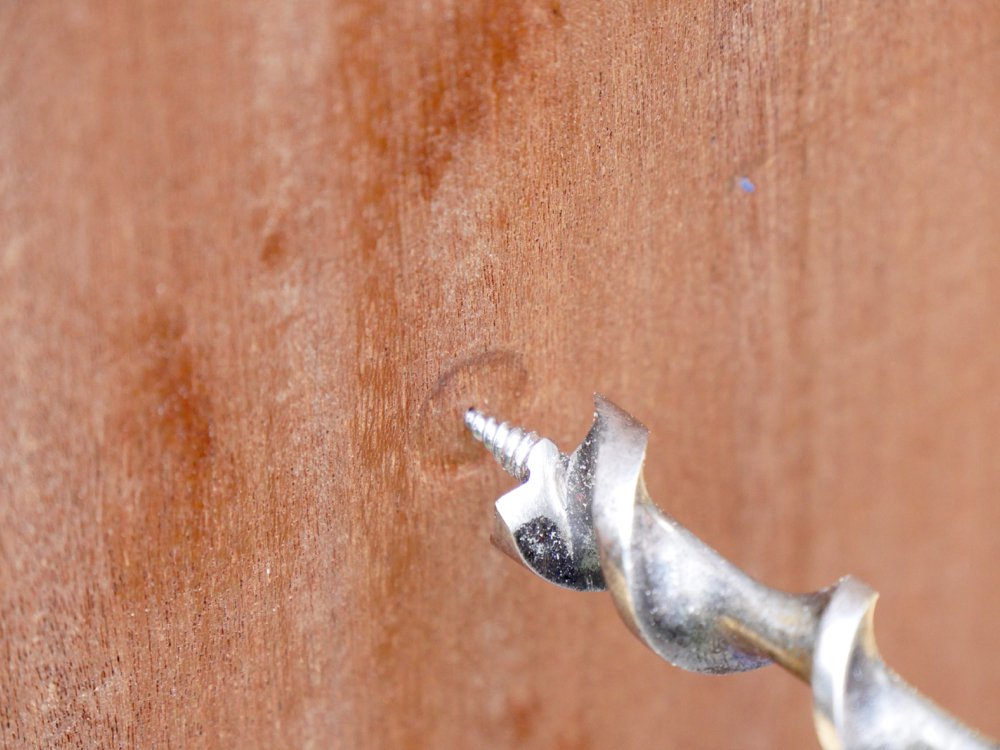
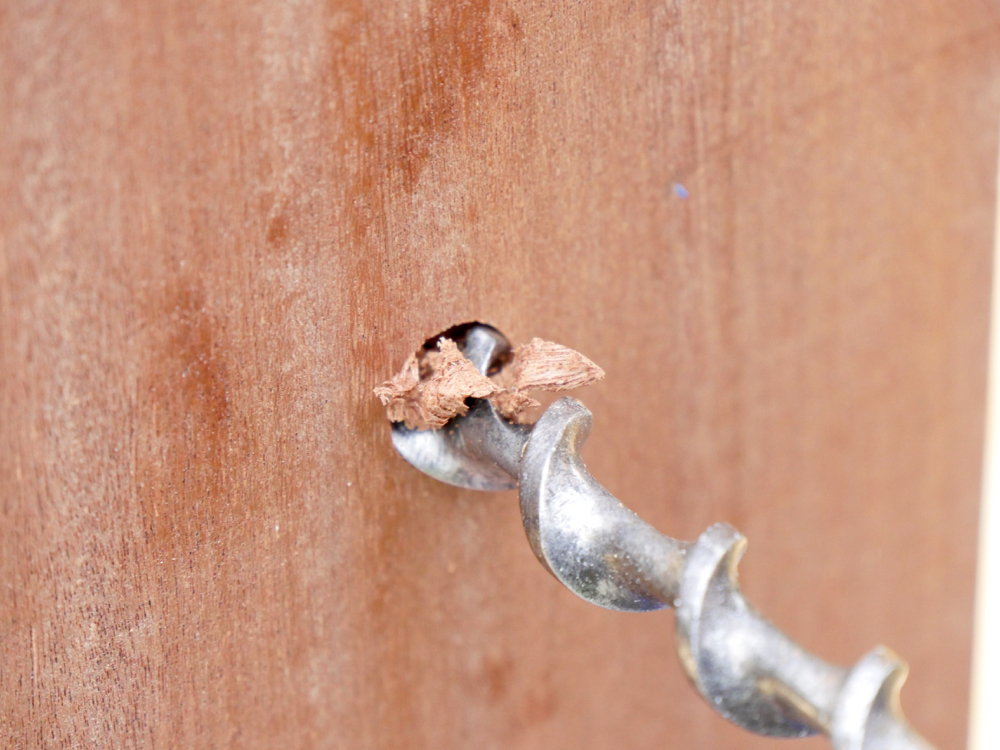
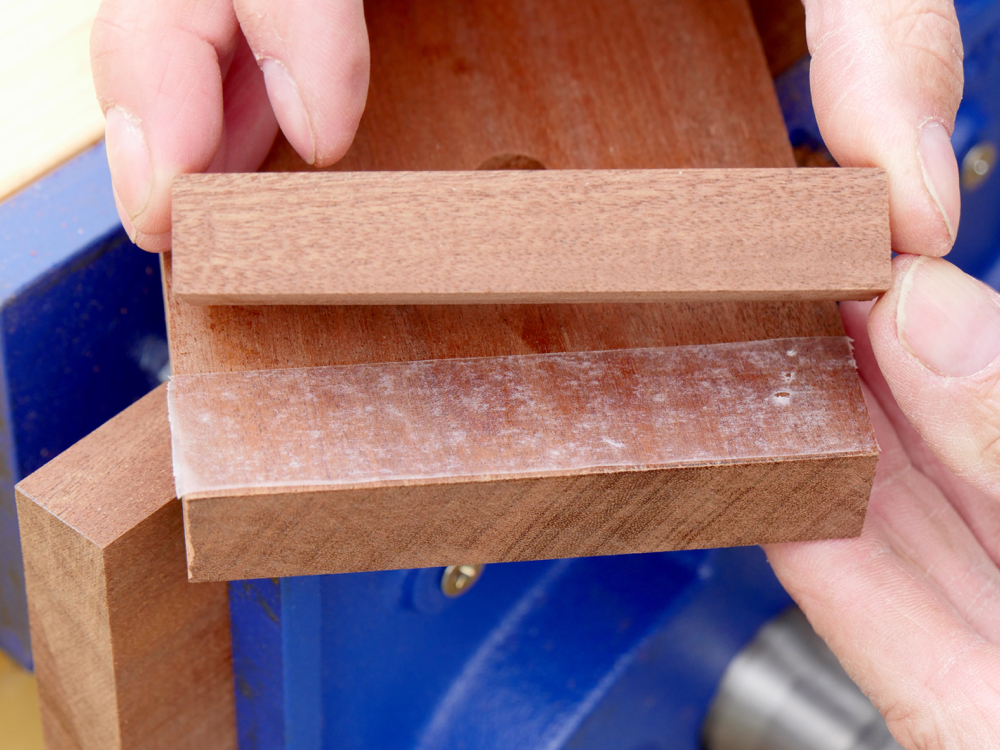
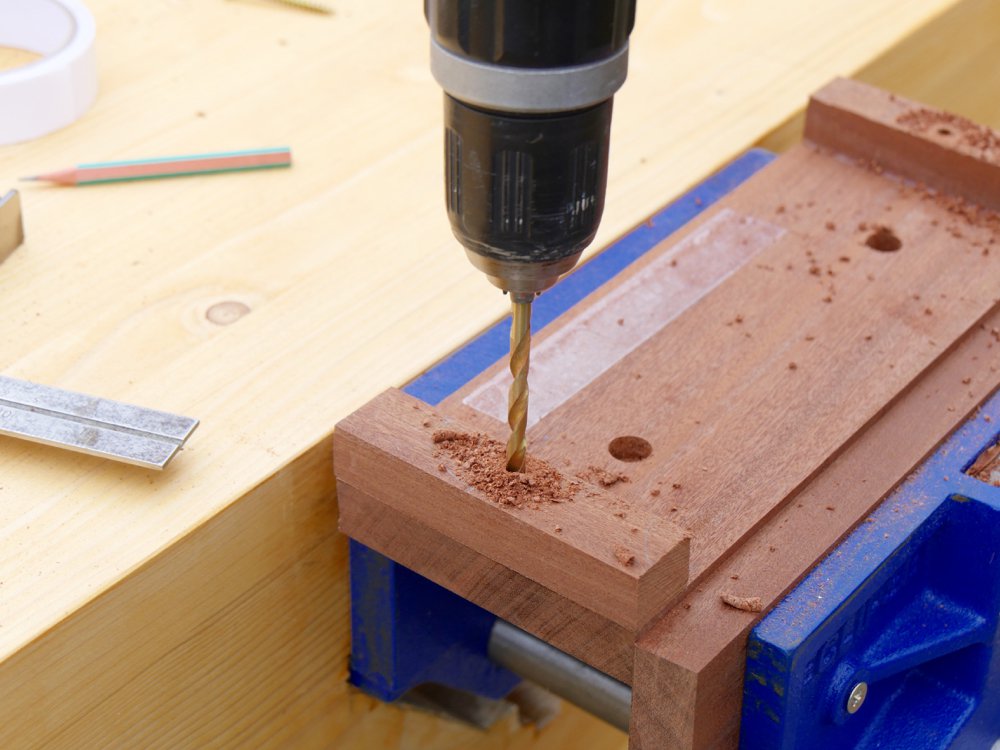
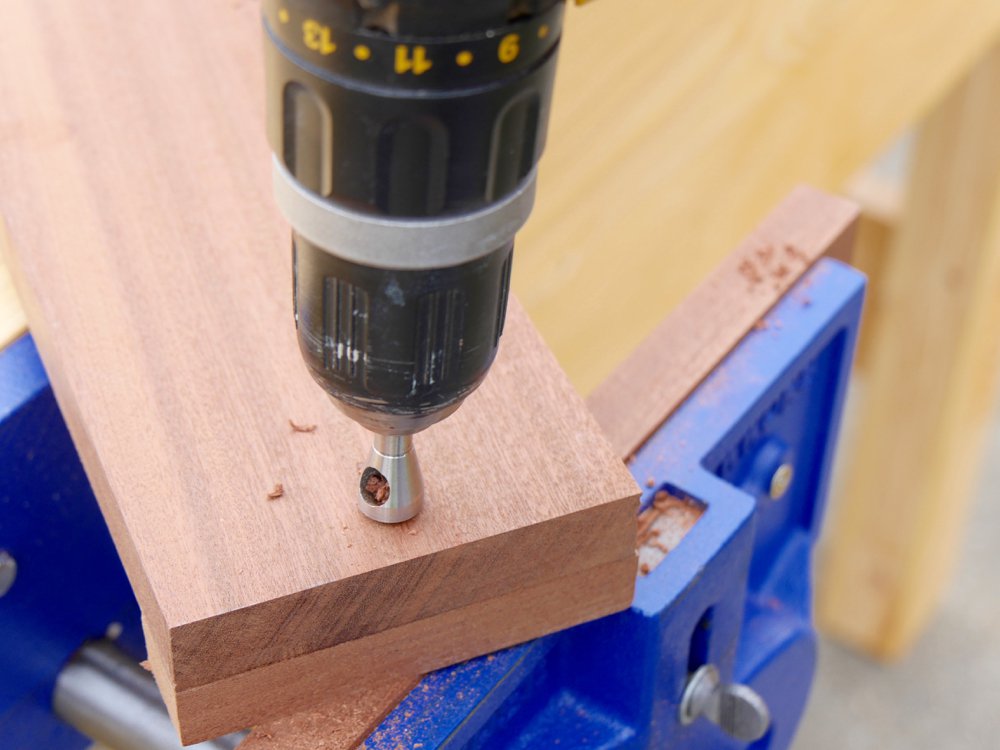
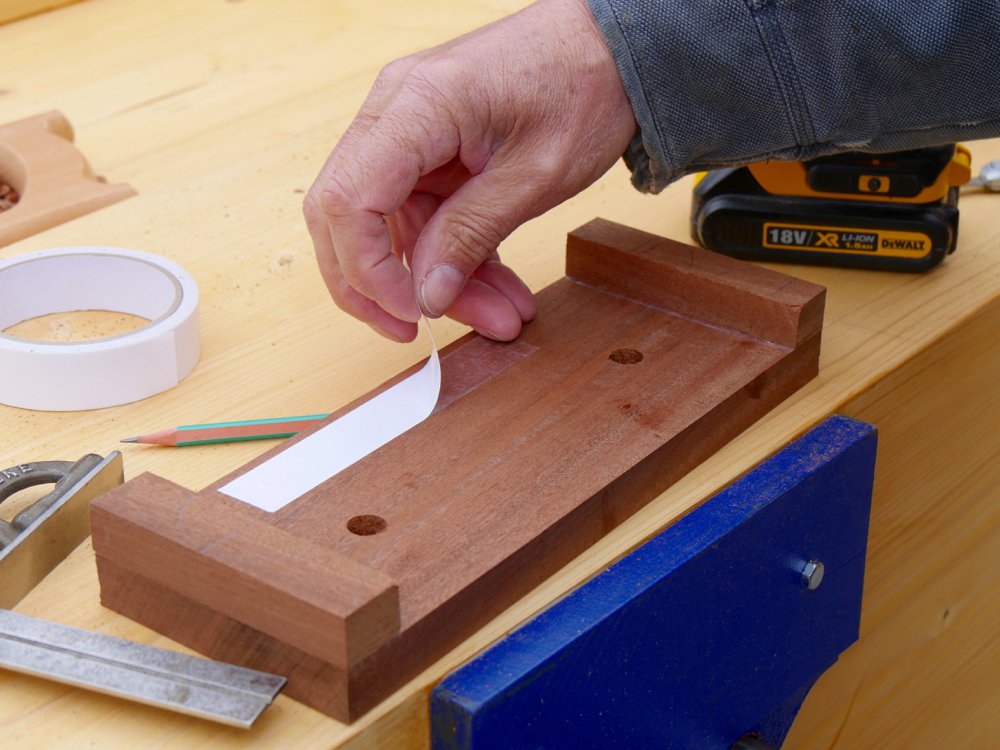
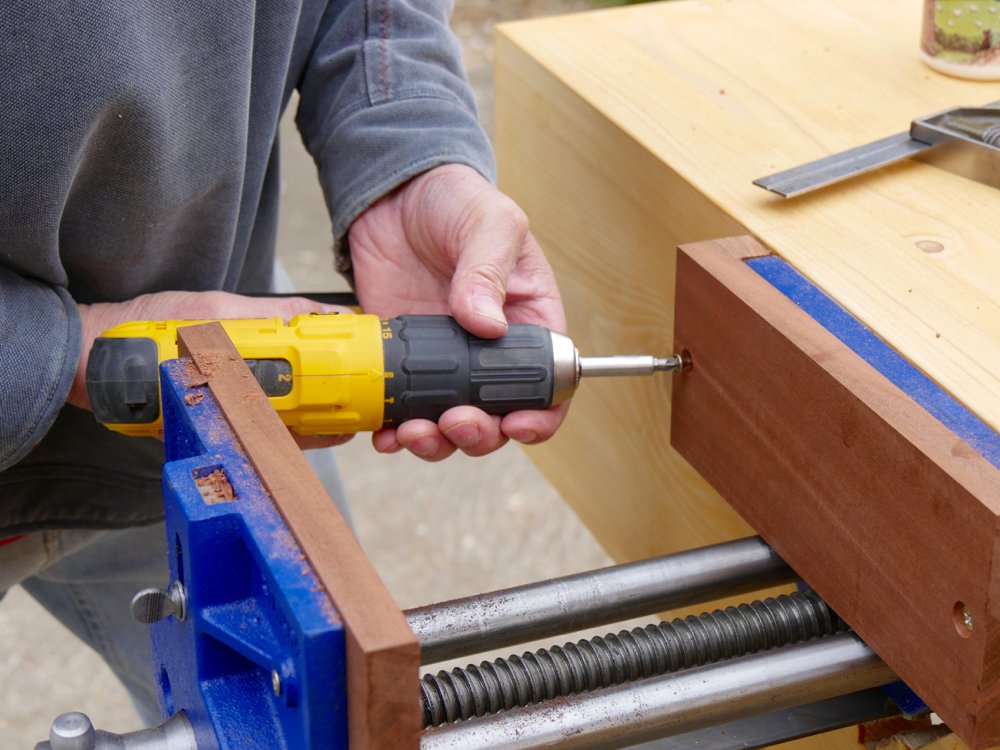
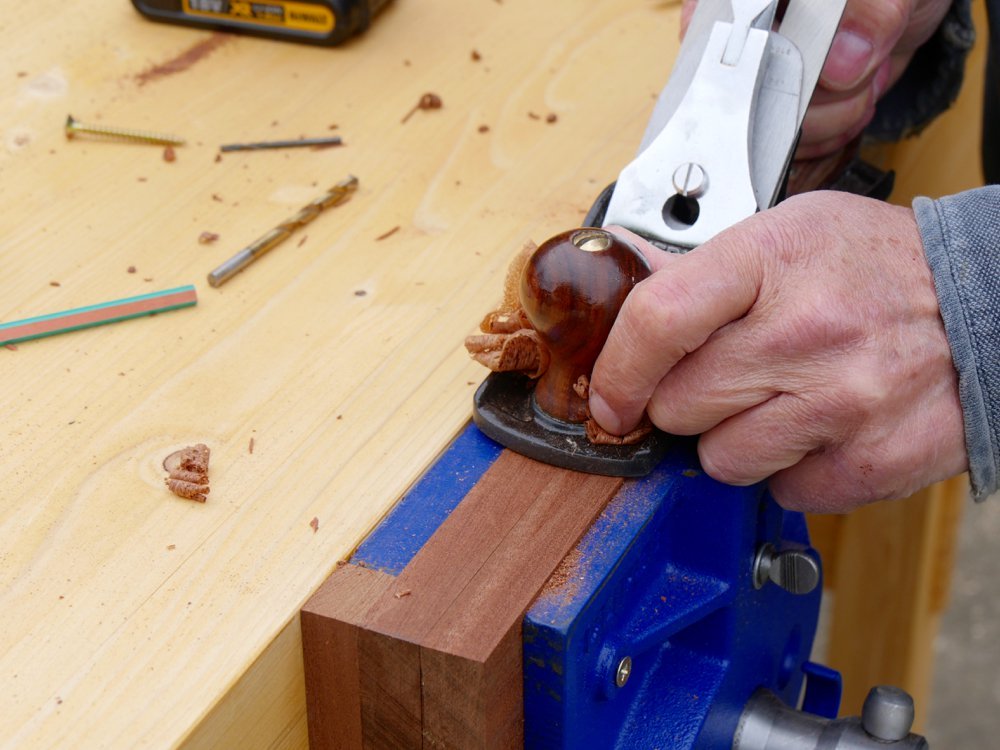
Align the rear jaw with the front and close the front jaw onto the rear one. Cinch tight. This will impress the two heads of the coach screws into the rear face of the rear liner to show where to drill a recess hole to receive the heads of the coach screws. Make sure you have aligned the rear jaw with the front one on either side and along the top edge too. Remove the jaw and bore a hole sufficiently large enough to receive the head and as near as you can to the depth of the head. Relocate the liner and close the front jaw onto it. Now measure the distance between the benchtop front edge and the back face of the rear jaw liner. In my case it was a dead 1/2". Cut two long grain strips 1/2" (or to suit your vise jaw) by 1" wide to slide between the jaw liner and the benchtop. We will call these infills. Use two sided tape to stick the infills to the rear jaw liner making sure the distance between them allows a good fit over the fixed vise jaw. Drill 3/16" holes through the jaw liner and the infills centred between the top and bottom of the liner and 3/4" in from the outer edges. Countersink the holes. Line the inside top edge of the rear liner with two sided tape also. This will hold the jaw in place while you screw it to the bench top. Insert the rear liner and cinch tight. Open the front jaw and screw the rear liner in place. Now plane the liners to finished height with the bench top.
Installing the leather liner
I use leather on one vise liner face only. This is enough to hold the work and stop it from sliding or slipping in the vise. It provides just enough cushioning and compressibility to hold but not mar too. Keeping one jaw wood only has always seemed best to me. The leather lasts longer than say cork and and doesn't crumble away either.
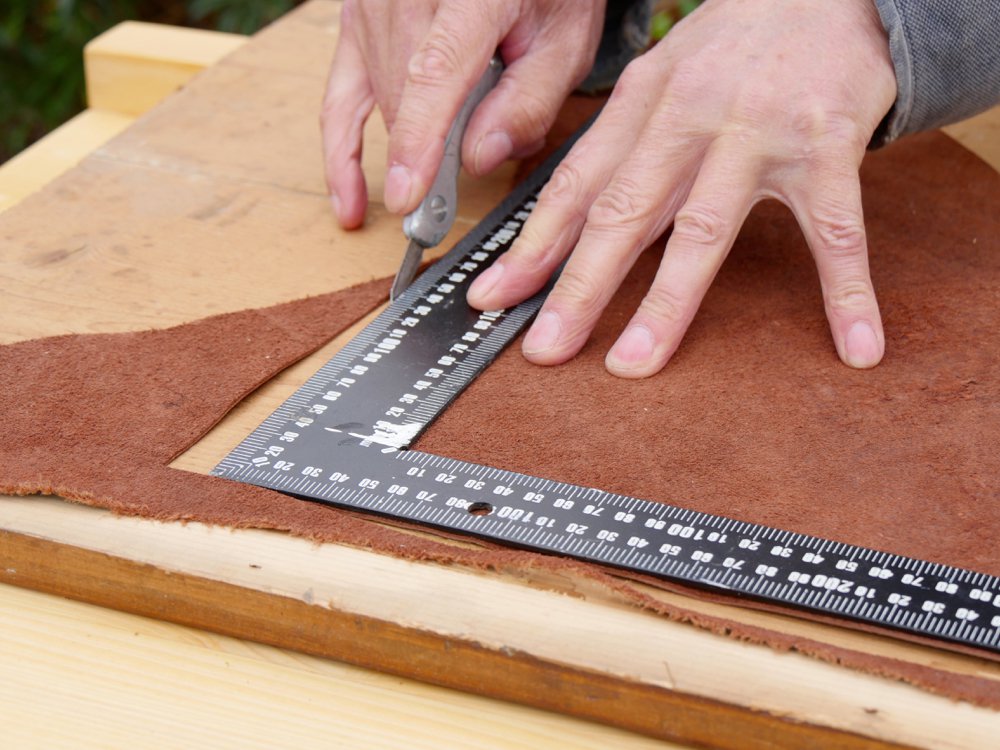
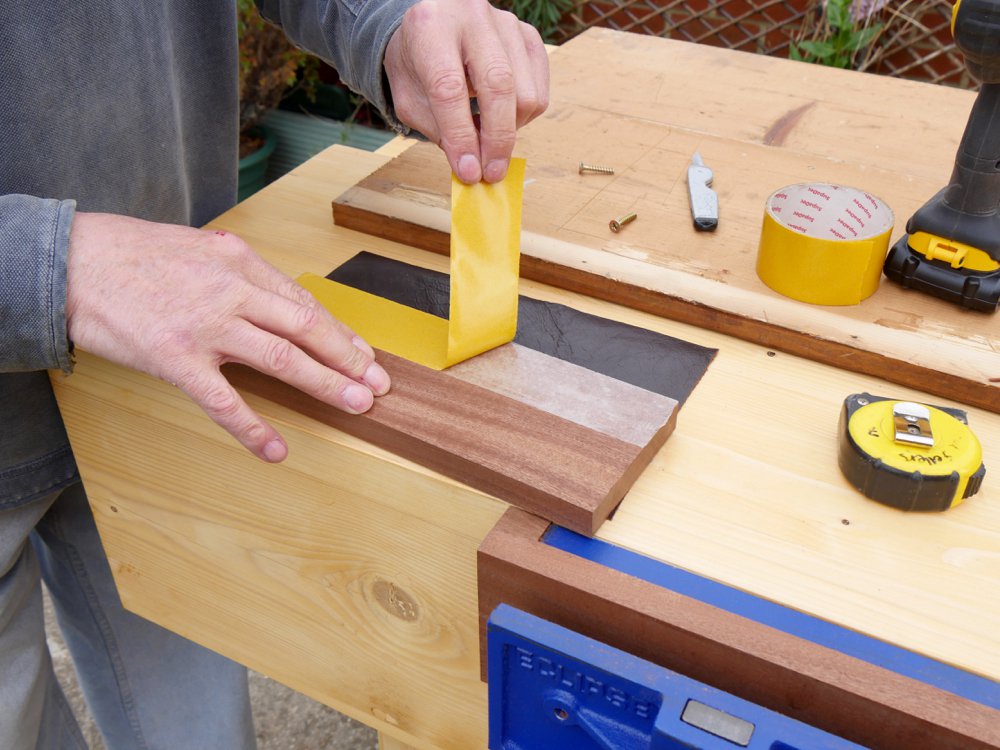
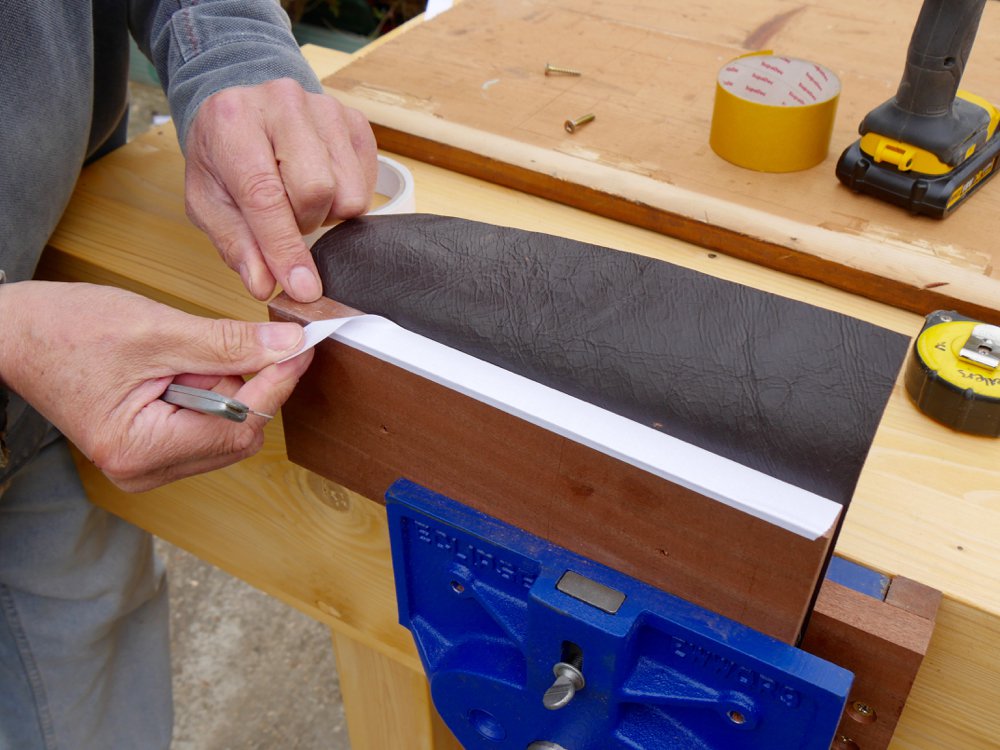
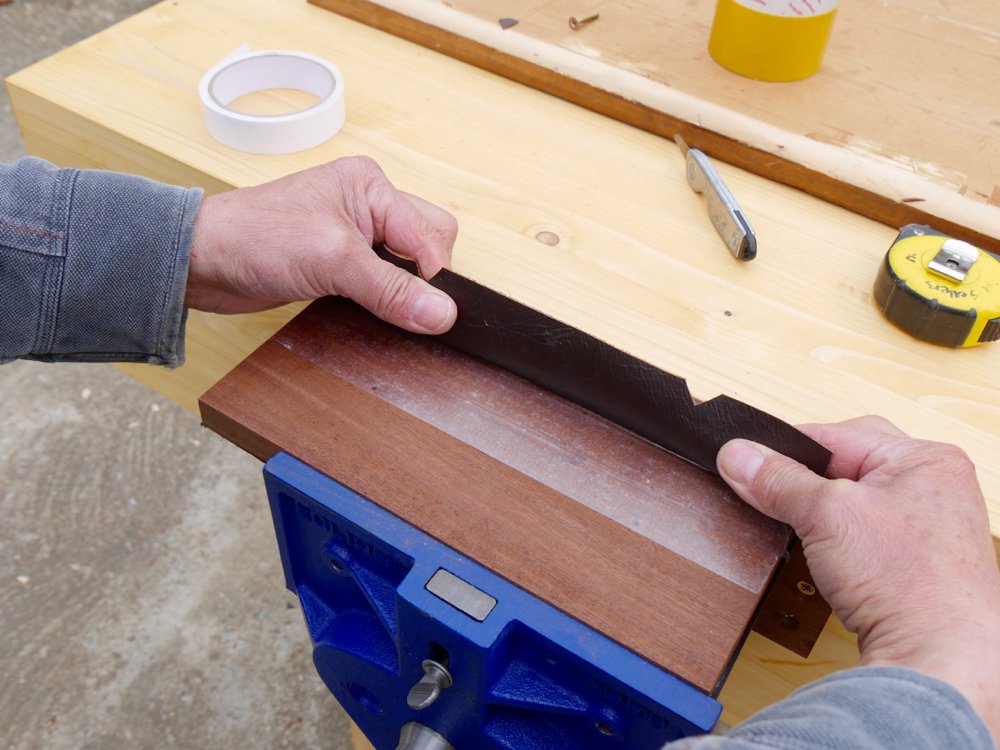
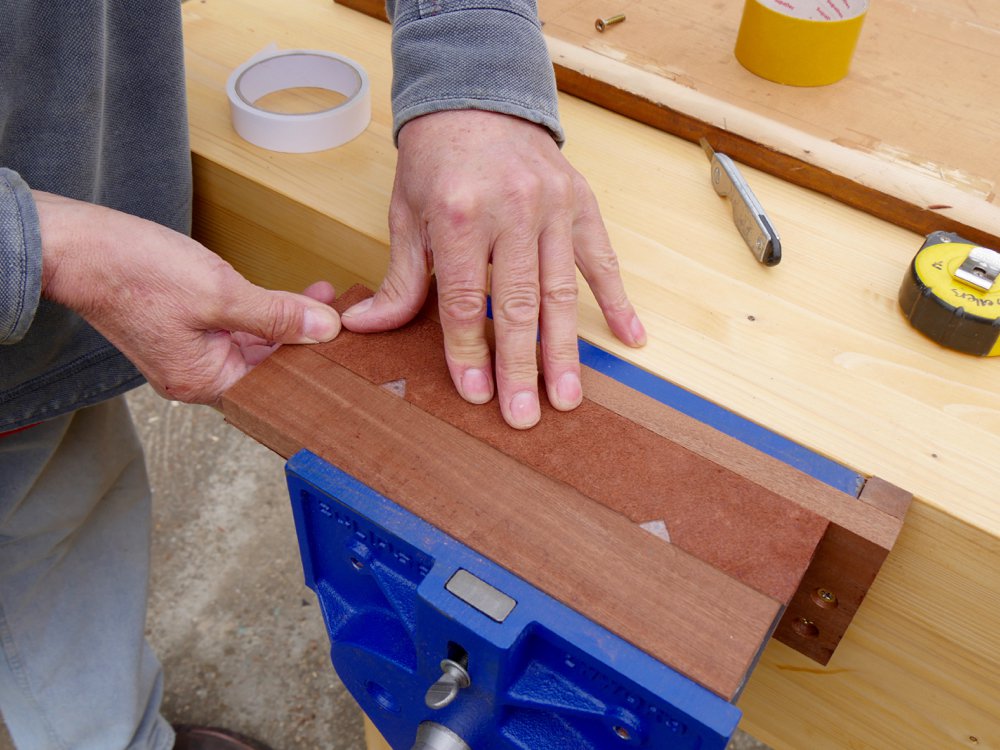
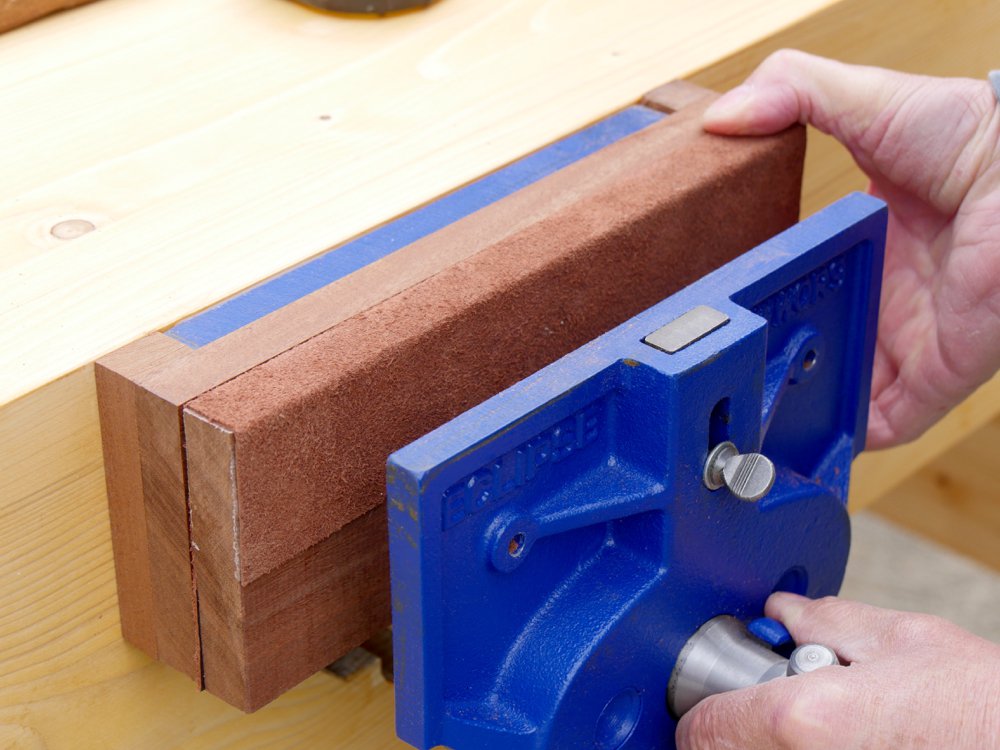
It is best to secure the top edge of leather between the actual vise jaw and the wooden liner. I have found that the leather curls away at the corner quite soon after attaching if we rely on glue or two-sided tape alone. Cut the leather to the size of the vise jaw liner face plus the thickness of the wood and an added 2". This allows the leather to cover the face and top edge of the liner and then to be anchored between the vice jaw and the jaw liner. Remove the jaw liner from the moving vise jaw. Cover the wooden liner face with two-sided tape. Attach the leather, stretching it as much as possible. Add additional tape to the top edge of the jaw liner and stretch the leather over the top edge. Finally add 2" of two sided tape to the opposite face, starting at the top edge and down onto the inside face. Stretch the leather over and down onto this face. Secure the vise jaw liner back in place with the two screws.
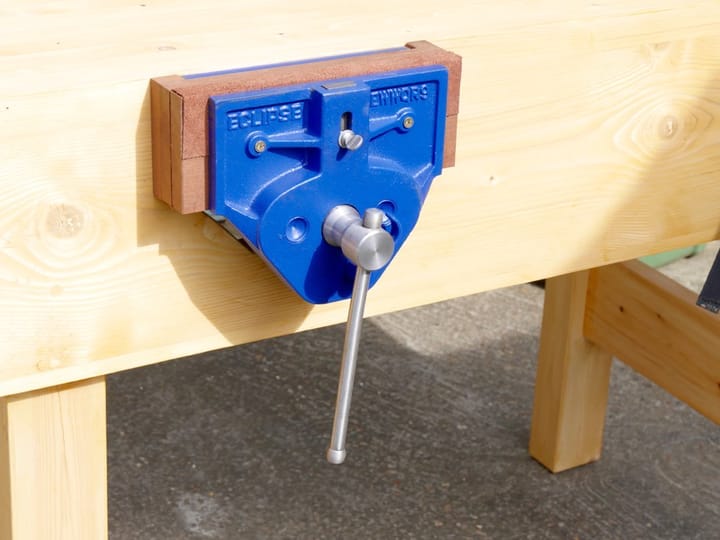
This is it. The finished vise installed. Now, go make!
Comments ()