
Craft––The art of work in action
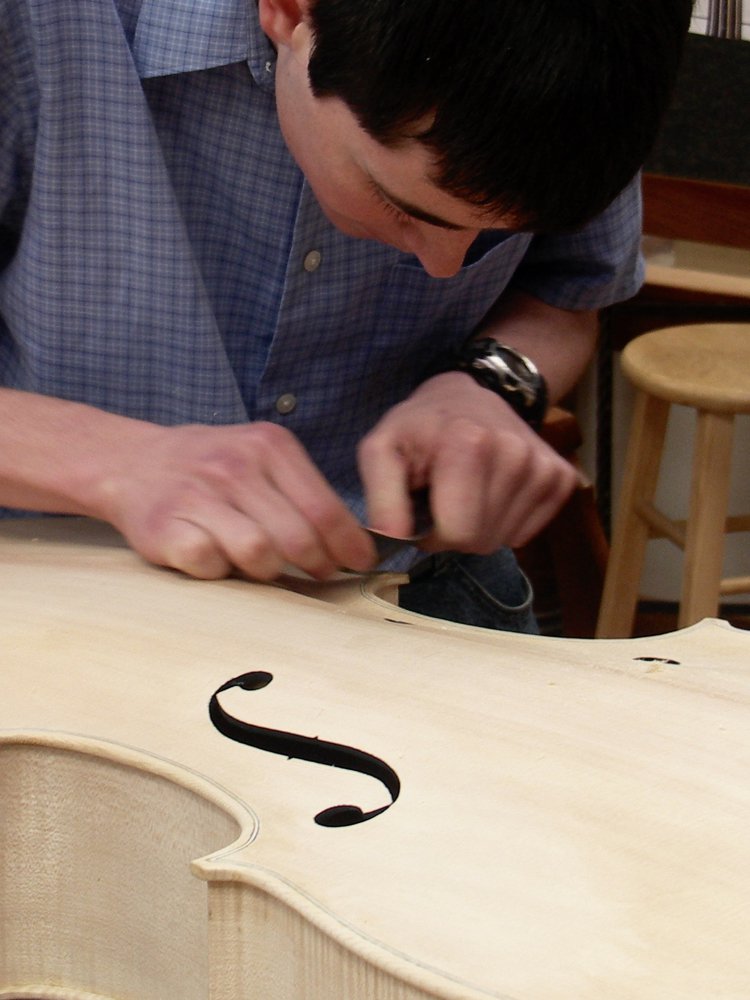
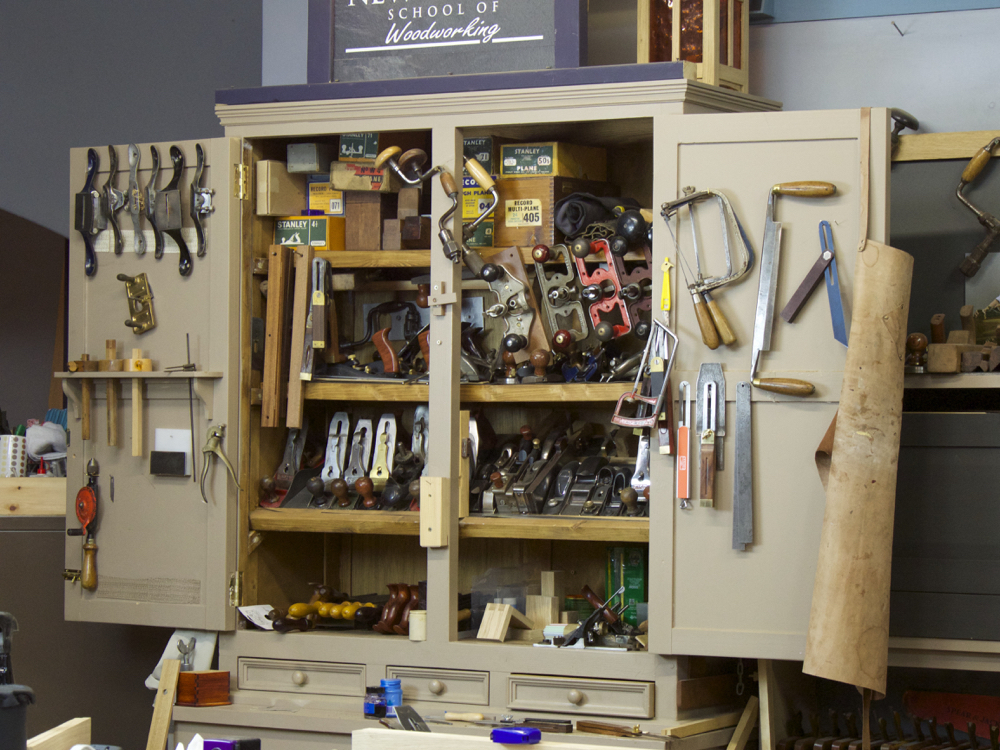
For me, craft has and always will be the art of work in action, no matter the work type. Craft brings order to the whole of life. It’s highly addictive, self-perpetuating and sustainable and more than that it is a powerful way of expressing who we are as people, societies and nations. That’s why I like to work with everything raw and make it into something visually beautiful or functionally useful to enhance my own life and the lives of others. Beyond that we stimulate the neurons in the brain to work proactively in the same way that we might use physical exercise to develop ordinary muscle to make them bigger when we need them as in certain types of work that require specific muscle to come into play at different points in our work.
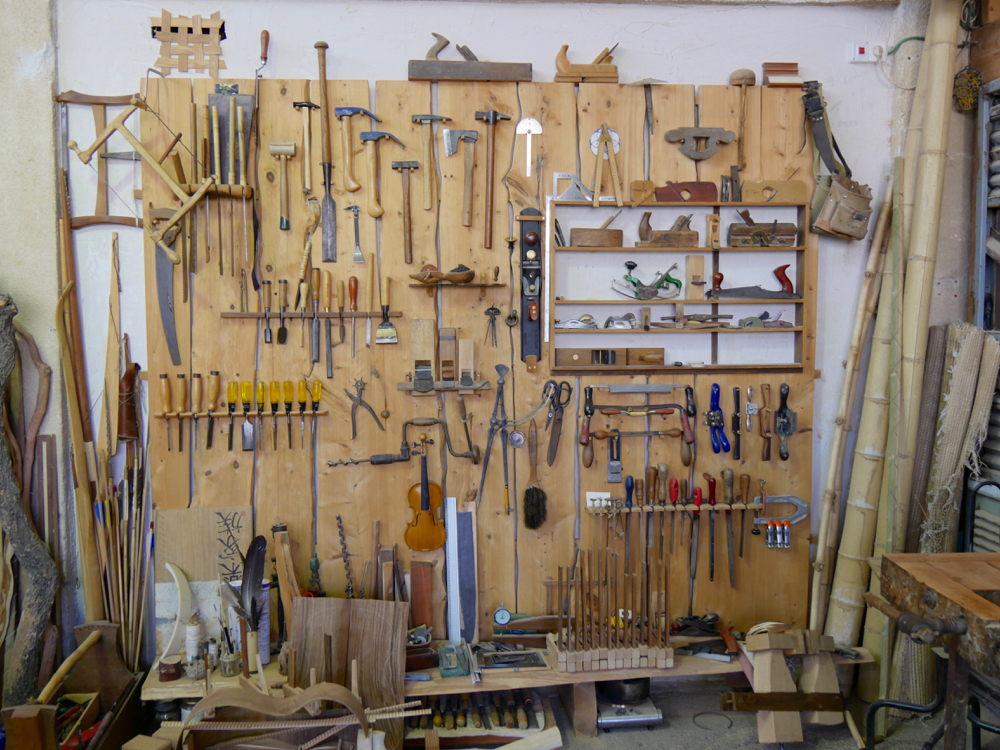
The more you challenge your brain in hand working to guide and use hand tools the more you increase those neurons to connect us to the physical work through the body, which indeed results in smarter ways of working the tools and the materials we work with. Though the brain has no technical muscle so to speak, we do rely on it to perform similarly to that of muscles in the rest of the body by applying impulses to and through those neurons. Hand work demands these impulses perform their task and I think, not being a cognitive neuroscientist or neuropsychologist of any kind for that matter, goes far beyond anything else I could possibly do two-dimensionally. I think most people understand and respect this. The only people who might escape understanding this are politicians and economists, administrators and educationalists (which does not mean teachers) and then perhaps a percentage of academics too. This is why I have said that machine woodworking is a completely different sphere of woodworking and unrelated really to hand woodworking pretty much altogether for many that I see.
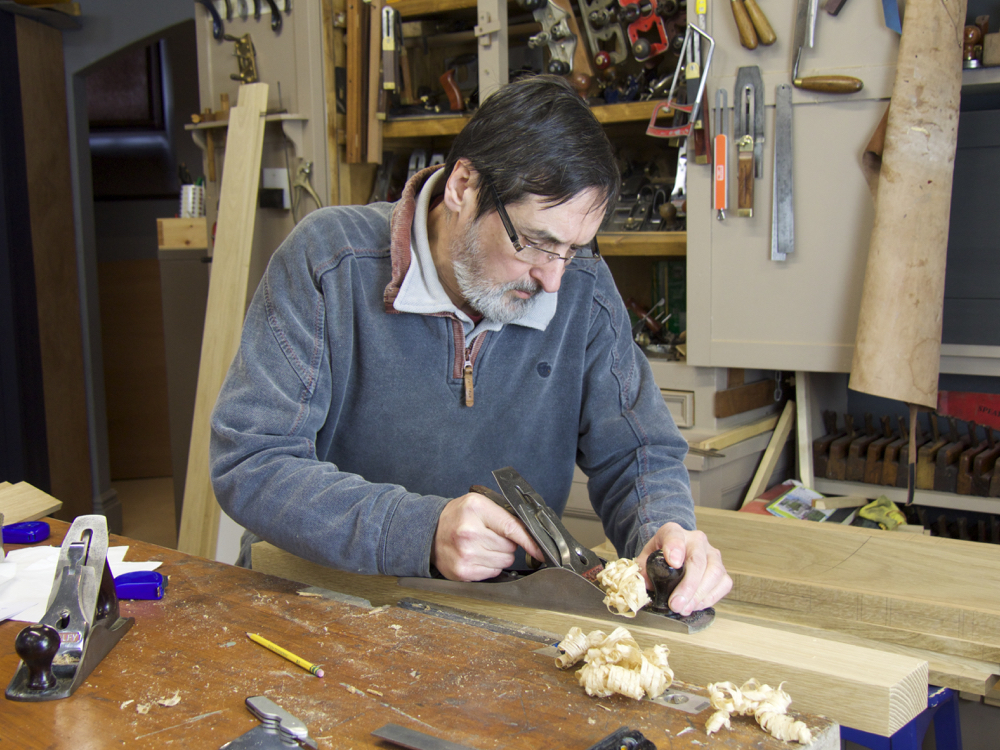
In moving to Oxfordshire my working environment changed dramatically and so too the types of people I now have contact with and access to. People I meet now move in quite different spheres of woodworking and woodworking training and such that I have been perhaps more used to. Here I began meeting people from diverse backgrounds connecting with a wider world who had the same issues to think through that I find myself increasingly more concerned about. Is craft, and I mean the art of work and more hand work particularly, losing its meaning and thereby its value to society, or, perhaps should I ask has craft lost its meaning and therefor its value to the greater society as a whole? I am under no illusions but I do think that my values and concerns have become somewhat peripheral; so by this I mean perhaps it is less the location of where I lived than the subject matter. Some of you will be aware of my concerns that craft training has become greatly diminished and especially for young adults 13 and up. Reading back over that last sentence I realise it is far too passive. I am extremely worried that true craft training and craft working is so diminished it has all but gone. There, it is said. Regarded now more as something interesting-poor and not of value to future society as a means of productive working, the question remains. Is what made Britain great with a capital G now little more than perfunctory to future societies in that without testes a male is no longer fertile; so without the craft of tool making, good entrepreneurialism and such things once taken for granted we are rendered incapable. Has and will the new techno industry be the primary way forward as many scientists and engineers work ever faster toward dispensing with hand work to replace everything with robotics?
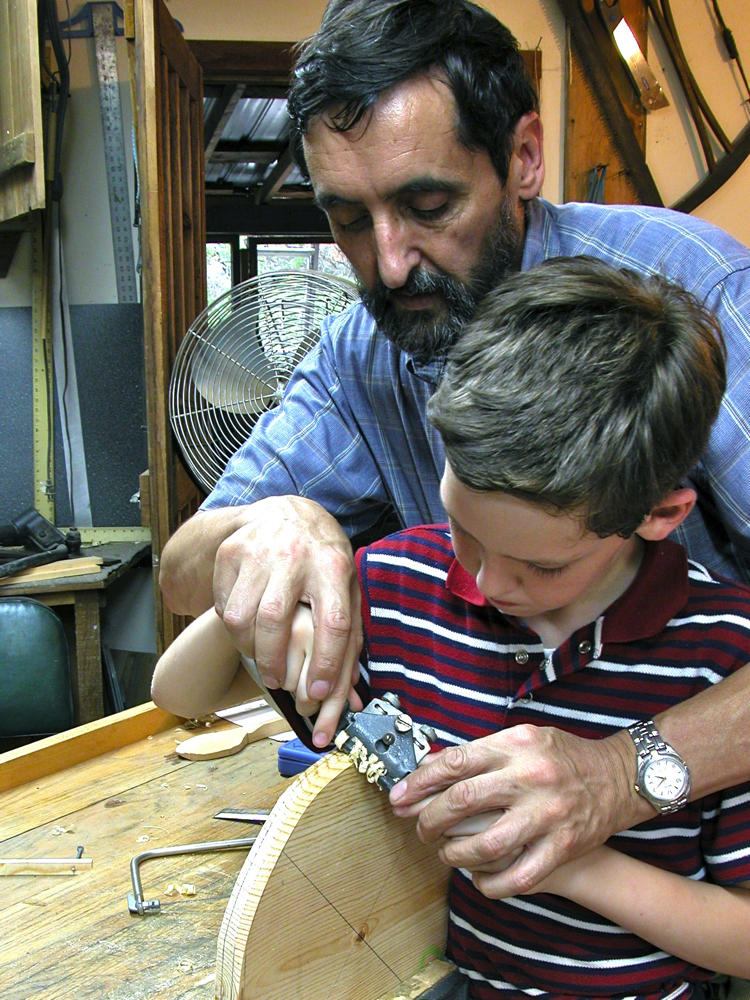
It is not that long ago that almost every school throughout the UK, regardless of whether it was private, grammar, comprehensive or secondary had dedicated workshops for general crafts instruction, woodworking, metalworking and much more. In the pre computer age we in class made a folding timetable with days and hours crisscrossing subjects to keep us on track in a given week as to which rooms we would be in. I liked the rooms with no desks and chairs.
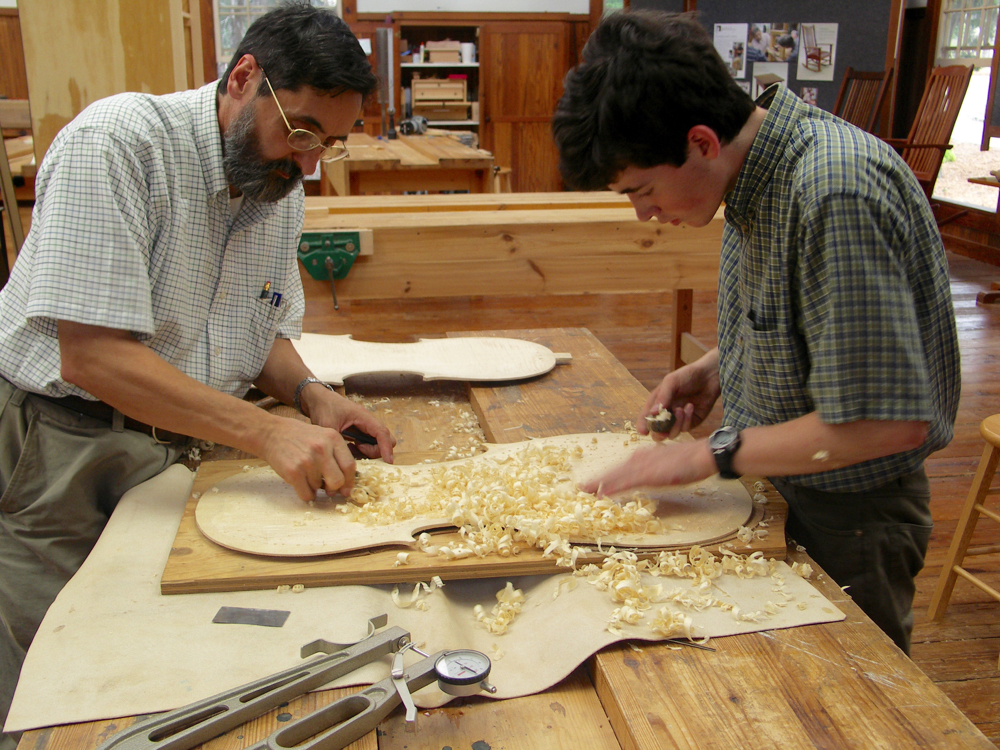
These were the rooms were filled with the smells of oil paints and turpentine, glues, fabrics, fibres, colours and textures that would influence my life forever. In metalwork I soldered copper rods one to another as a skeletal framework and then went up to the art classroom, mixed plaster of paris powder with water to make it into a workable paste. I cut inch wide strips of hessian burlap sacking and bandaging and pulled it through the mix of plaster before wrapping it around the wiry rods I had welded into legs arms and head and soon I had my sculpted body of a man running. It was after this that I discovered wood more fully. The scents and sounds, colours and textures are still indelibly linked by hardwire to my whole being and I can see every minute detail of the school woodworking workshop as clearly in my mind’s eye as if I were there right now. The difference between the woodwork shop and the regular classrooms where I learned my maths and English, religion and history and such is that in woodworking no one ever called “Sellers, stop staring out of the window.” I never did found a minute to stare outside in a woodworking class of two hours duration and never left for the bathroom toilets. Time flashed by and I was totally consumed by working. This environment inside was all I needed. Staring out of the window in my other academic classes I looked and listened for the skylark ascending and the hover of a kestrel too. The flower colours and the shapes of the trees over the graveyard had great value and meaning for me and filtered life into my mind and I grew a world I could live with.
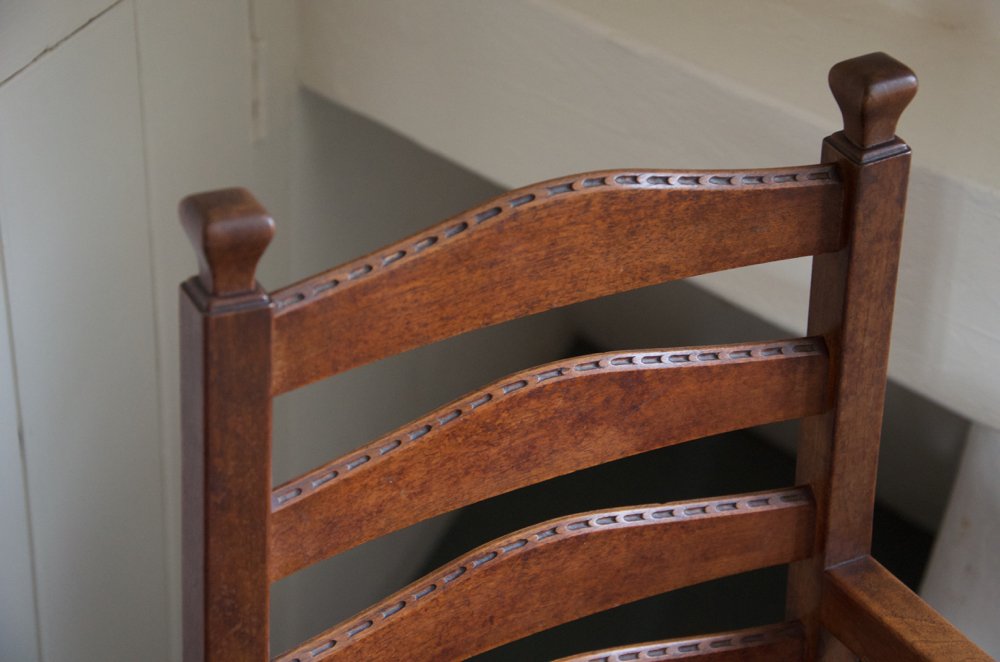
When I think of being in school today I can't help but feel a desperation rise up in me had I not encountered those risk-filled, hands-on metalworking and woodworking days with sharp-edged tools and cutters and hot coals and an anvil and saws and wood and steel and copper and dirty hands and the smells of quenched steel steaming up to greet my senses two afternoons a week, I wouldn’t have made it. Thank God for those two afternoons a week that brought total sanity to my life. Without the two crafts I was most involved in I wouldn’t have understood fractions and geometry, physics and things like these. Perhaps young adults are able to enter a dimension I missed by not understanding dimensional realities they better understand but somehow that has escaped me if that is so. All I know is is that when kids of all ages under 18 come into my workshop they come to life like i have not seen anywhere else. Of course they are bright and inventive, capably able to develop designs from a thought to a prototype. That has never been the question. The question is, are they as well equipped as I felt I was or will the robotics somehow, well, replace that for them? But then there is the pure enjoyment of making things from raw materials into something refined with two hands, two arms and a bunch of fingers. These are not mere digits for punching buttons to program robots. Might not we too then become more automaton in how we make what we make? I am not saying dispense with the technology at all or in any way. Just asking why we throw out the baby with the bath water again. Bring back woodworking and metalworking and intense crafting and art for everyone in schools everywhere. Oh the smells of oil paints and turpentine and woods and metals and leather and the squeezing of tubes intense with vibrant colour. It matters when they are young. We have only a narrow window of opportunity to reach young people to stimulate and develop dexterity and fine motor skills. Craft is still the art of work!
Comments ()