
Making Jobs- A Working Environment
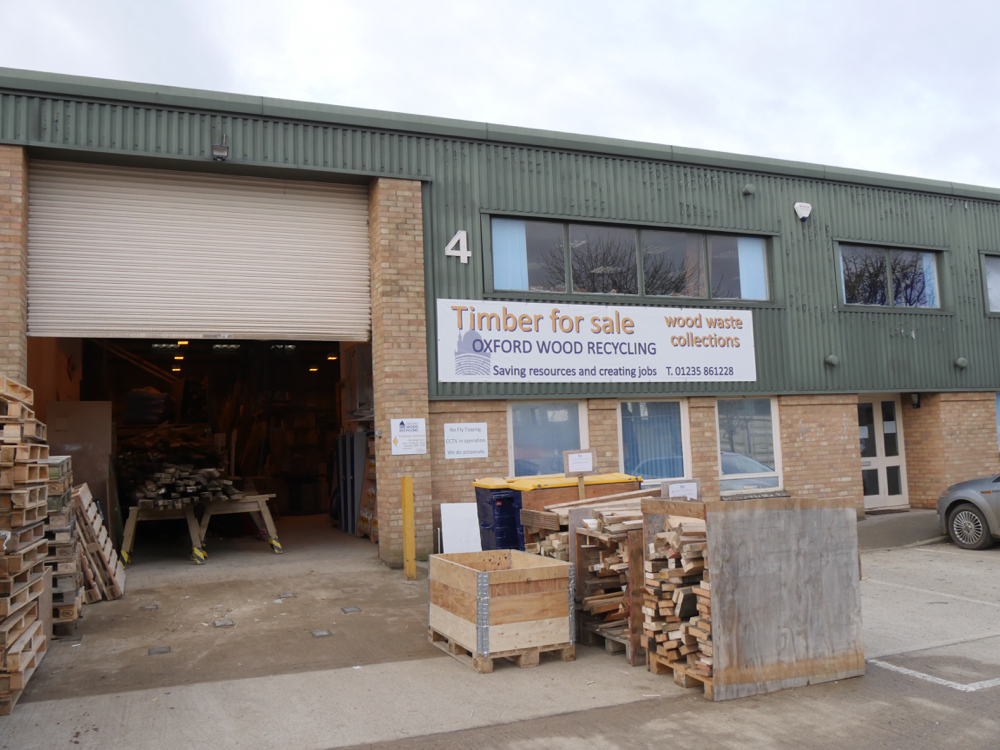
Recently the UK government announced more plans in creating 3 million apprenticeships. Whereas snake oil still masks the reality that subsequent governments (no matter the flavour) for decades sold off many more millions of apprenticeships and indeed closed down what they considered dirty manual work to other continents seems to now lie buried in lapsed memory somewhere. It seems no one was accountable for leaving generations unemployed and unemployable. You see if you have jobs available you don't need to pay benefits unless there is a need. Anyway, if or when you dig around a little you come across little pockets, enclaves if you will, of people actually training and retraining people to work, enter the work force by providing valuable work experience and then simply taking people and giving them honest work to somehow take hold of something they lost or never had for whatever reason. In a recent blog I mentioned Oxford Wood Recycling as an enterprise salvaging good wood from business entities, preparing it for resale and thereby creating work for a wide range of reasons. It actually is much more far reaching than even that though. There are almost 30 similar centres dotted around the urban areas of the UK with kindred spirits to be a solution for changing lives and these efforts don’t happen by accident; members join with one another with the intention of making a difference and do indeed make change happen.
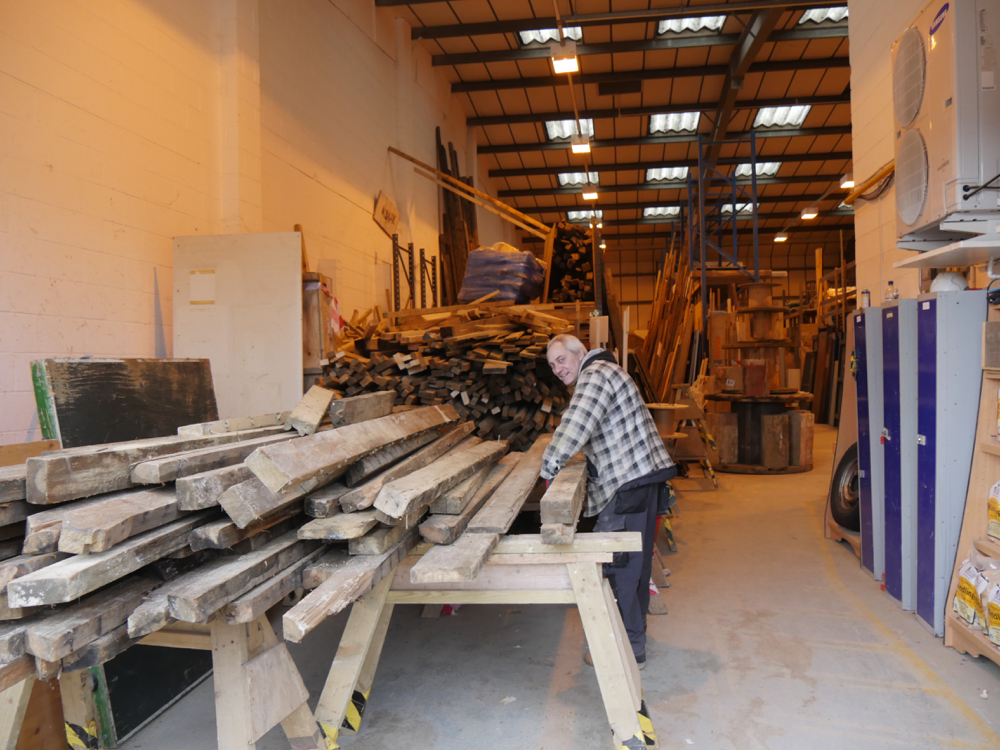
Subtleties define the different types of enterprise with some being social enterprises, others community-interest businesses and then some working as charities. Of course these are all in some measure charitable works in the sense of being heartfelt concerns capably proving an alternative reality for people to work within. I cannot say caring is an ultimate goal but more a result. At least that is how it seemed to me talking to individuals who have worked there for some time. You know, people sharing their workspace to bring others alongside who need the break to get started. There are stringent guidelines for any and all entities declaring their title, to ensure safeguards, but most if not all of them will actually go the extra mile to surpass the required fields and ensure the wellbeing of those working within the infrastructure and it’s this that seems to me the heart of what takes place. When people need to work and need the right working environment to even learn how to work, I think these enterprises do indeed have many answers and of course it doesn't begin and end with woodworking. I look forward to watching endeavours just like these continue to thrive and provide into a new and emerging future. When the government discovers humility to serve its populous rather than pompously (or even aggressively most times) assuming rights over people I think even more could be done, don't you?
Work experience matters
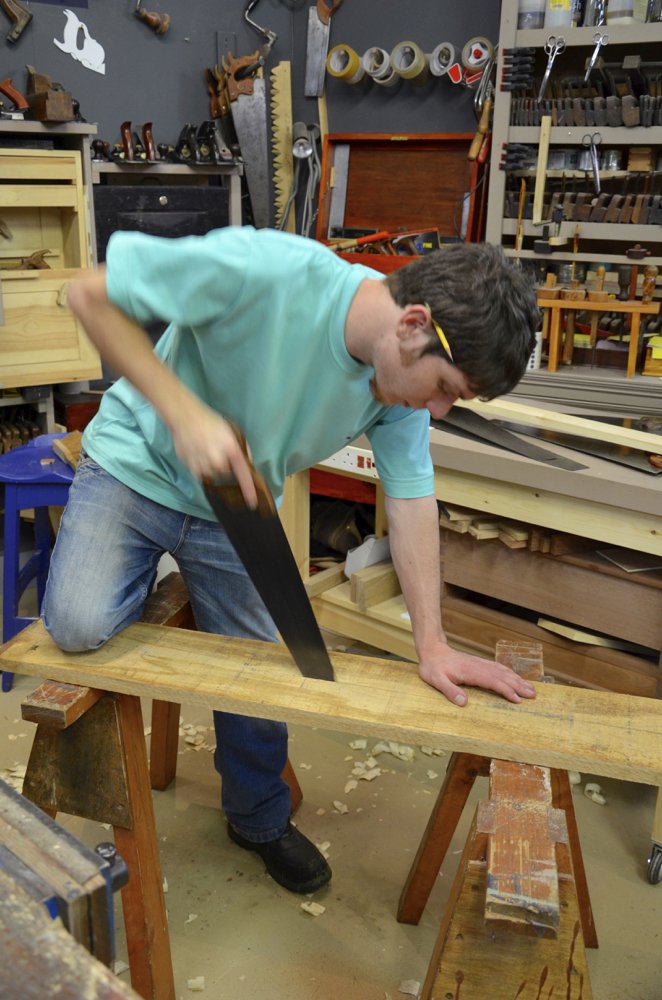
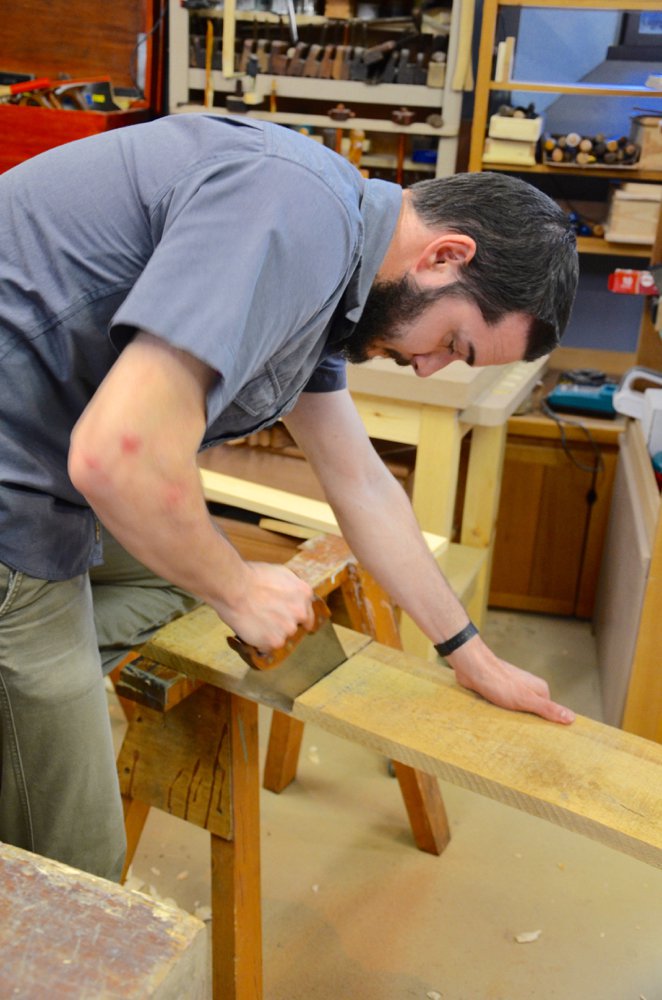
Work experience is something most schools do to try to partner with the business world to help young people emerge from school as young adults with at least some basic idea of what work is and to better equip them to choose a career path. That said, sometimes young people do slip through the cracks and for whatever reason need a fresh start. I watched a young 20-year-old at the Oxford Wood Recycling centre arrive for a first day of working there. A man more experienced shook his hand and said, “First job, we need to dismantle these pallets.” It soon became apparent that the young trainee had almost zero concept of the type of work he was about to undertake, which was of course manual work with physical demands he seemed obviously unused to using. Passing along the aisles in search of my own wood I couldn’t miss watching and listening as the older man took the younger through the stages of the work. Now I know, some of you might be saying what can there be to undoing a pallet, but this is about equipping someone not deriding them. He explained about using leverage points (fulcrums as we know it) and showed how leverage worked in application to the particular job they were doing. He showed where to place the specially-made bar designed to lever the long pieces from the shorter innards without damaging the wood and without the need for too much brute force too. After a few hours I saw a huge pile of pallets dismantled into neat stacks and a customer buying some pieces he’d dismantled from the stack.
Extraordinariness in the ordinary makes a difference
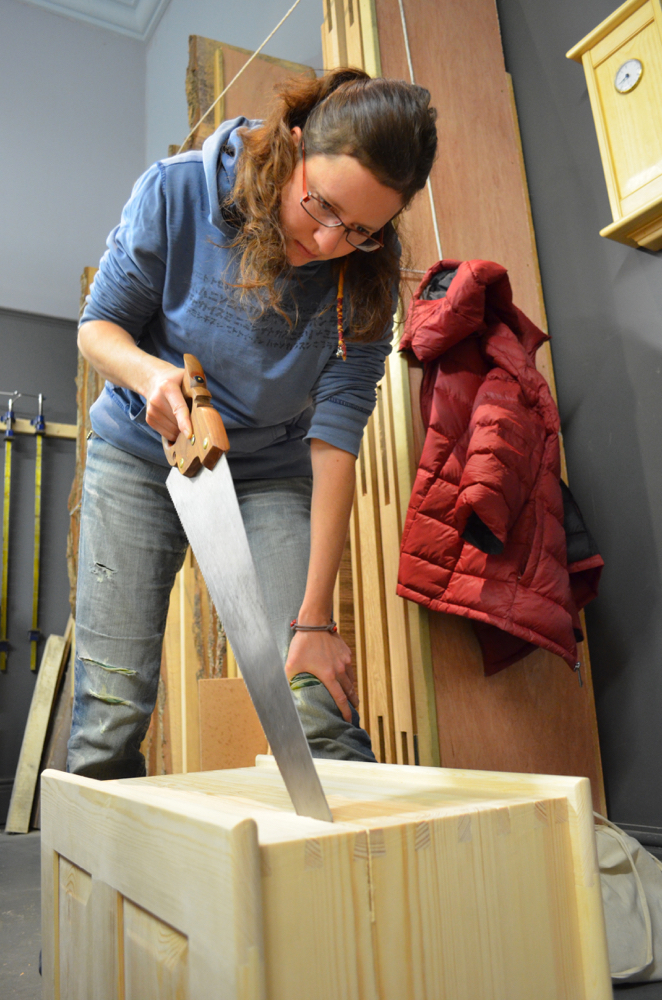
It’s not really ordinary things that matter to some but the extra-ordinary things that go unnoticed. There are many enterprises with behind the scenes people pulling, pushing and shoving against the tide to give people validity and worth. Imagine that there are 28 wood recycling centres creating potential for people throughout Britain. As I said, there are thousands of other such efforts going on and the champions quietly and diligently get on with the task of making life work. I plan on a visit to see just how and why such enterprises are emerging and succeeding in hope that other enterprises will be sparked in other area towns and other countries. There is no doubt that waste is more 1st world issue, but if recycling corrects the problem and leads to secondary level upcycling then it soon becomes a first class work made all the better if work training, employment and improved economics are indeed the end result. When the corporate world enhances working conditions and support to better bottom-line figures out of its workforce there are others who look at those working with them to learn who pour themselves out to make work happen for them.
Comments ()