
Recycle creatively

Last week we filmed a simple video on how to make a handled cutting board. We wanted to do some more of these simpler projects because the gap between simple and our more advanced ones and the longer series can be quite large. We will always reach out to new woodworkers and of course the new generations yet to come into our craft. Over the past three years or so we have developed about 400-500 video hours for woodworkingmasterclasses.com with some for youtube too. All the videos are designed to train woodworking hand skills at as many levels as we can cater to. Many of our projects, the ones that might seem complex, soon become simpler this way. When we break the work down into bite sized pieces, using techniques like we use to make cutting boards, making wooden spoons and such, we find everyone is inspired to consider using or adapting the techniques we show to either make their own version of the work or adapt aspects of it to other more demanding work.
Watch this new video and imagine making window sills and stair treads for your house, rounded edges to box lids and the front edges to shelves. If you're a new and want a place to start with wood, this will be a great step for anyone.
https://www.youtube.com/watch?v=rbreLrpLW_c
I think it's true that approaching our training from a background of developing skill, we've seen tremendous growth in the aspirational aspects where people seem more apt to approach projects they might not have approached otherwise. The big difference in my view is using hand tools slows down the process to a more controlled level; so people feel as though they are actually in control. By that I mean that the work relies on slower, dare I say more methodical cuts through cutting-edge hand tools rather than the high-speed cuts you get using machines. This in no way means that the hand work is automatically slower as that often depends on the work type. No, it just means that we have options and so more another method of working. Much of my experience has shown me very much the opposite anyway, and that for some work my hand work can bring much greater balance to make the work more effective and efficient and, believe it or not, enjoyable.
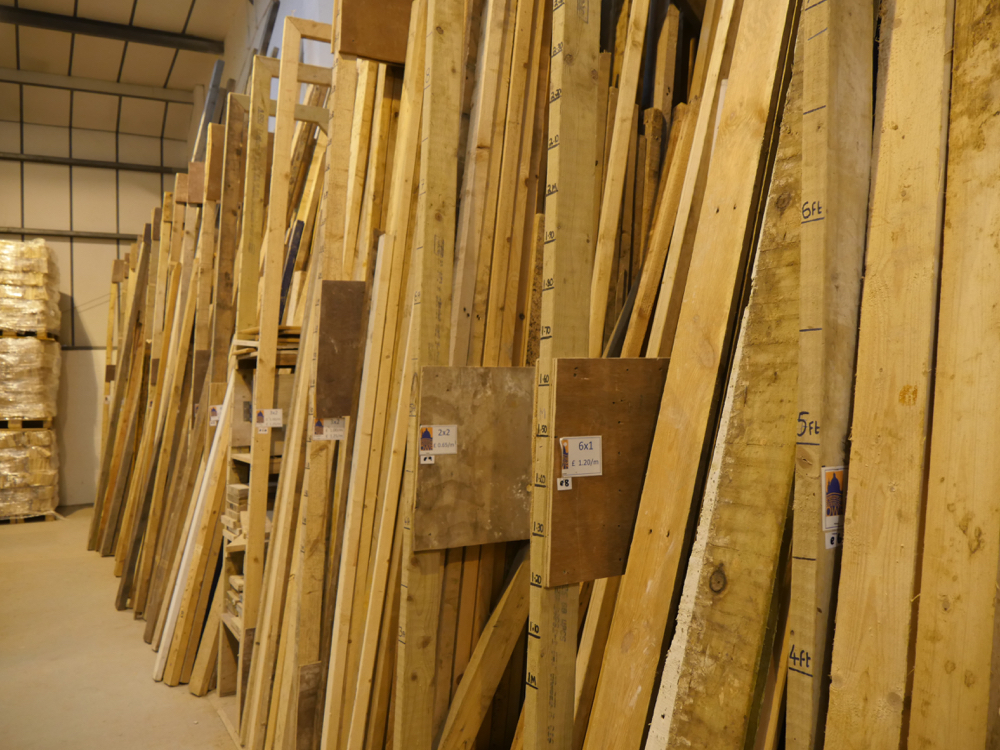
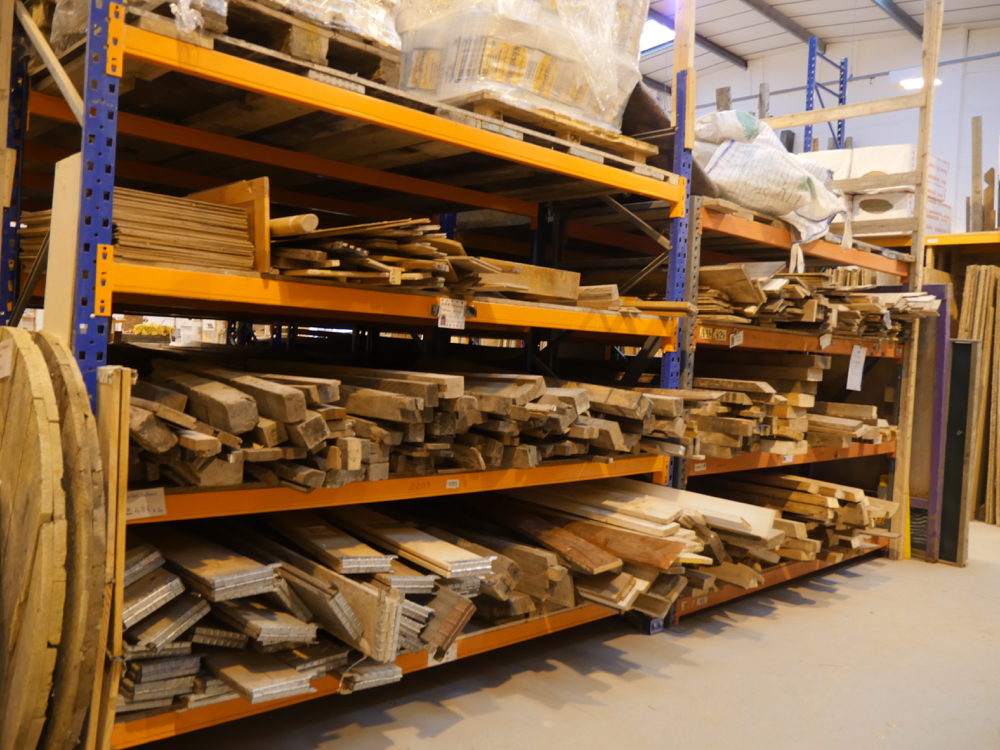
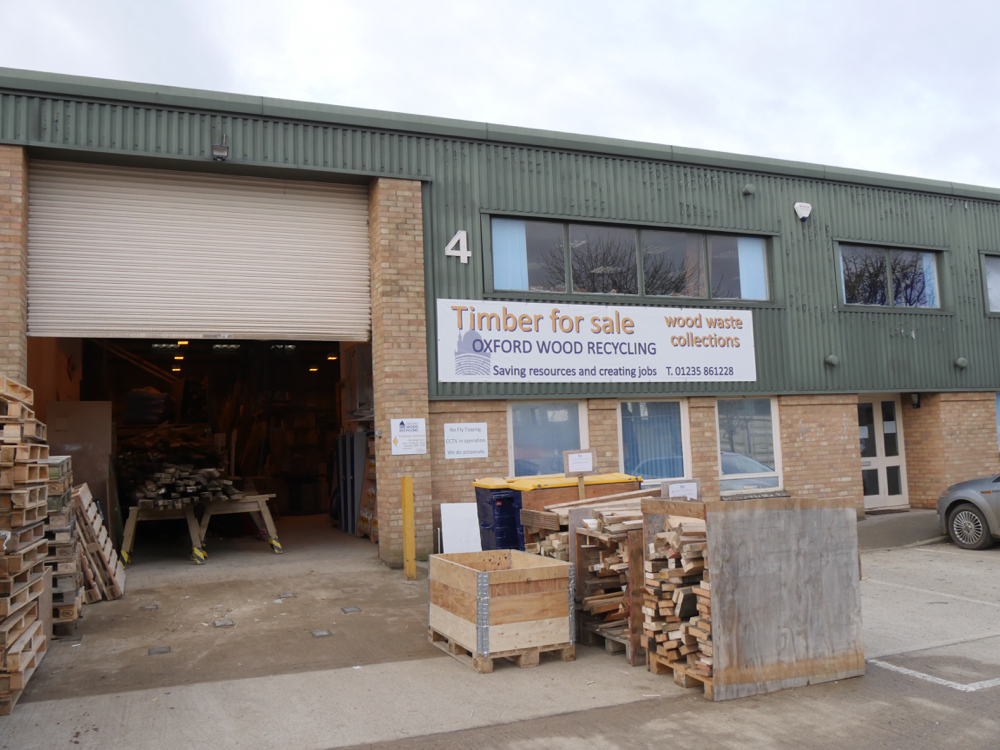
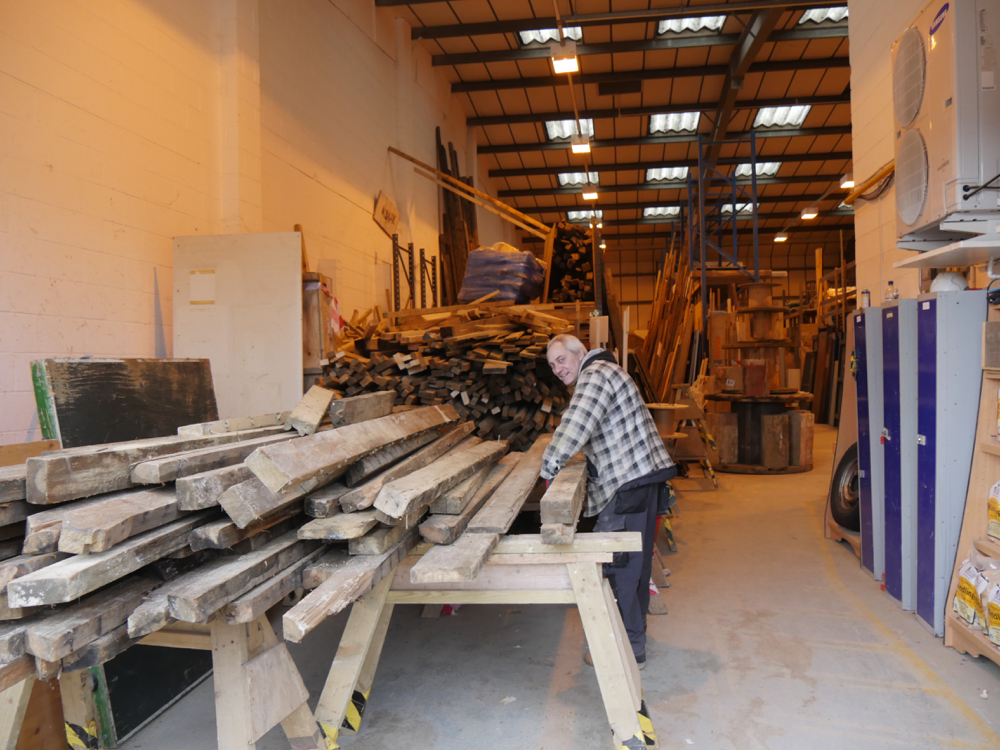
Like most seasoned woodworkers I have turned to secondhand recycled wood before the term recycled came in. This past week I bought a full trailer load of wood from Oxford Wood Recycling. This business runs more as a social enterprise where all members, paid or volunteering, are members for the common good of the company and in some measure one another. Basically they clear surplus wood and reclaimable materials for a price, denail, resize and then sell on. The prices vary between half to two thirds less than the retail options but of course there is great diversity in the offering and where some people are looking for old beams or elm panels, others are looking for offcuts of 3/4" ply and not high-priced half or quarter sheets. For me I am planning on making yet another workbench from recycled wood; as a guide for others to get their workbench. I bought enough wood for three benches, two saw trestles and a shelving unit for £100.
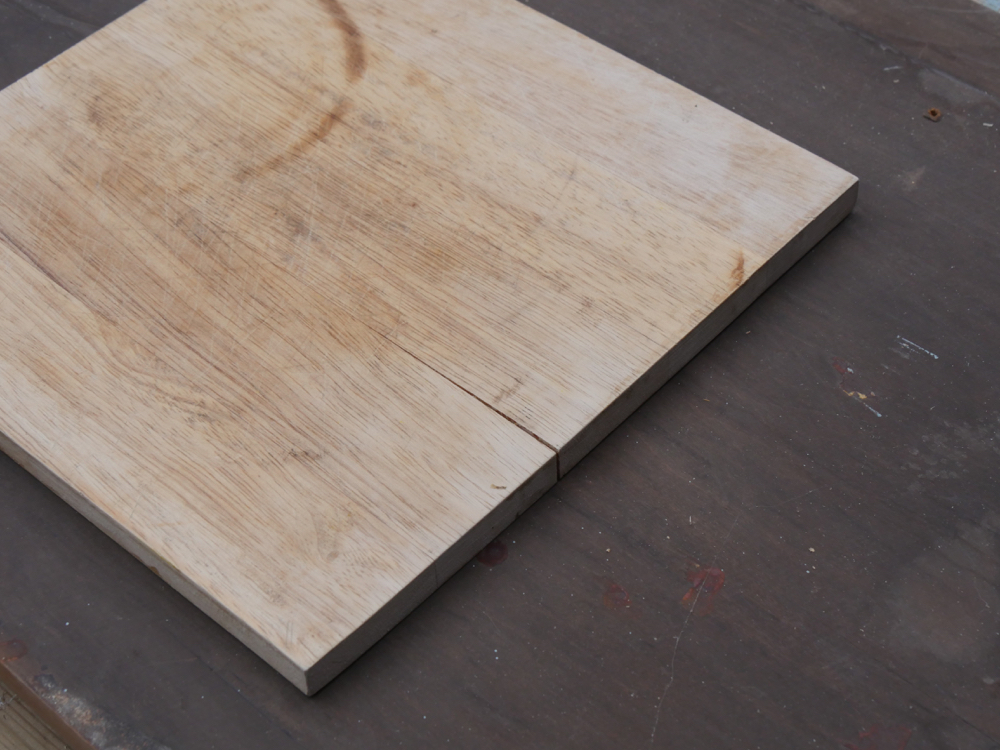
I will of course keep you posted as we will be writing and filming progress.
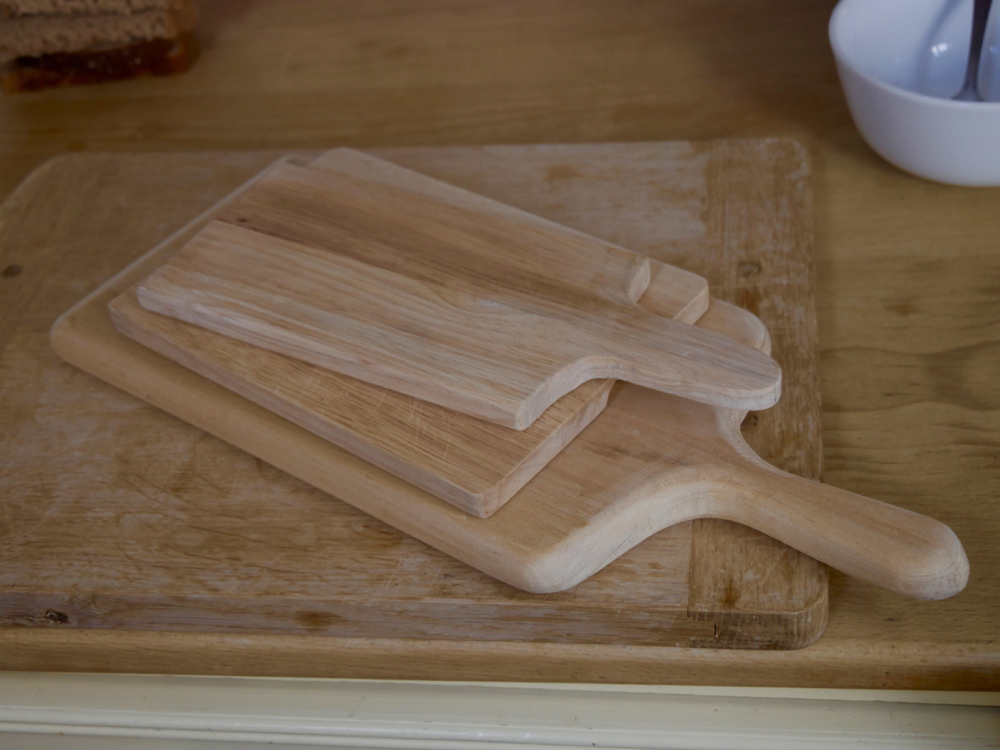
Of course recycling doesn't mean throwing out what we have. Our cutting board split or perhaps opened along a lamination, which often happens. In this case I split off the one part from the other, planed up my boards and created two from one.
Comments ()