
An Answer for Today
First off I didn't want to edit this letter down because of the individuality it expresses. So it's long and worth reading.
Hi Paul,
I just turned eighteen, and for just over a year now I have been working on woodworking with mostly, if not only hand tools after discovering Paul when trying to figure out how to make mortises without a $500 mortising machine. As Paul has described before, I loved working with wood in shop class but something was missing. I hated fighting with the machines just to feed it the wood and not actually work it myself. There was just something missing, and thanks to Paul I have discovered real woodworking and am trying to get my income from woodworking, alongside growing a large garden to sell produce at the farmers market ( summer 2015 was my first farmers market experience), and expanding my chicken egg business that I began at 13 or so. I also work on the farm with my dad, which I do love farming too but having my own farm to manage seems to be pushed out of the picture.
My dream, that has really turned into a passion, is to not work for and depend on someone for my income and follow the conveyor belt that my peers have been trained to stay on. I want to be able to make and create with my own hands and do the things that I love for a living, even though everyone says that it isn’t possible. My family implies that the things I am trying to do for income will just turn into a hobby and that it’s not possible to live that way.
I had a few questions for Mr. Sellers and anyone else who would like to pitch in.
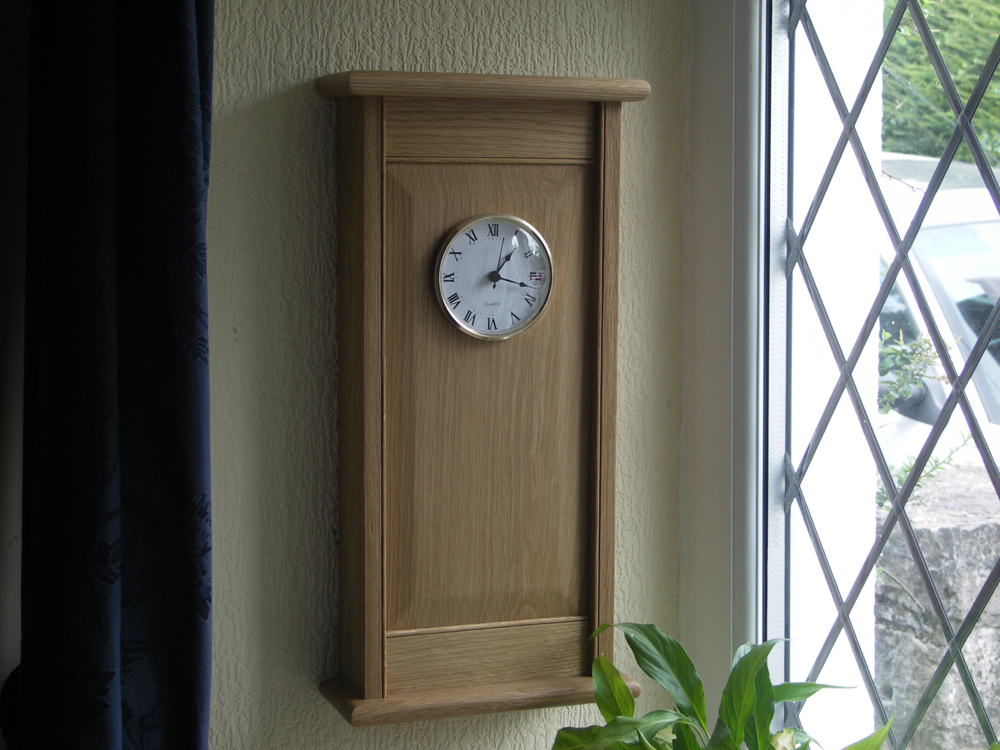
It takes me about ten and a half hours to make the clock from Paul’s masterclasses, does this seem like a lot?
The first four clocks I sold through my mom at her work, three of them stained, at a low price of $65 (at that time I had no idea how much time it took me) of course I found out that it was not economical for me to sell them that low. And please do not get the impression that I am in this for “the money”, Considering how much I sell something for is just something that has to happen in order for this to be more than a hobby.
So, I reconsidered my expenses and factored in how long it takes, and if I sell a hardwood clock (oak, mahogany) for $120 than that leaves me about $90-$100 profit. that’s a little less than ten dollars an hour, and for now I am perfectly happy with that. The only problem is I can’t find a buyer. I will say that I only tried to sell an oak clock at the farmers market, so that could be why it did not sell.
I also have made some of the carrying totes in woodworking masterclasses, I have sold one of those for $35 to a teacher, and advertised one at the farmers market the whole season, Is this to much or too little?
Also, I have made wooden spatulas of my own design. They look somewhat like those “rubber scrapers” that pretty much every kitchen has. I sell these for $15 in walnut or hard maple is what I have done so far. I have sold one of those at the farmers market in walnut and a set of four different sized ones to a friends friend, but he would only by them for $12.50 a piece. the spatulas take me about one and a half hours not including putting the mineral oil on.
I really love all the things I said I do here, and wood working has really developed into so much more than just woodworking to me. If I could just get the selling and pricing problems out of the way, I couldn’t imagine doing anything else for a living. That’s including growing things and having chickens of course.
Sorry for such a long comment. Thank you so much Paul and team for all that you have done. You really have taught me so much more than just wood working, and to me that means a lot. thank you.
Answer:
I remember the days when I first worked for myself. I was 22. Everyone wanted my work but didn't feel they should pay me a man's wage even though I had married, bought my first home and had a baby on the way. I was fully qualified, had completed my education, finished a five year apprenticeship and knew my work as well as anyone could at that age. Here are the things I had to deal with.
- Many people think that they should not pay a young craftsman or woman a decent hourly rate. Whereas they may be right, they should be prepared to support them to kick start their endeavour in my view.
- Many people see that they need to win a lower price, like winning on ebay or something. This kind of bargaining comes from the darker side of life so that they can boast that you wanted this price but they beat you down. It's non gender specific. It's best to turn and walk away from.
- People really don't know whether something is well made anymore.
- People don't understand that they should pay more when something is hand made.
- Of course hand made does not always mean well made. I go to craft shows all the time and see very poorly made goods with the makers telling people what it took to make what they are selling as though hand made gives them a licence to con.
- I decided to just keep going no matter that I worked twice the hours everyone else worked. When I was in my mid to late thirties people seemed more than willing to pay and to entrust their work to me.
- When people can come to your workshop and see you and your work and their work in progress it makes a difference.
- Hourly rates should never be compared with what someone makes working for someone and when someone asks you how much you make or charge an hour you have no obligation at all to tell them. This is usually divisive and done to demean your endeavour to work for yourself.
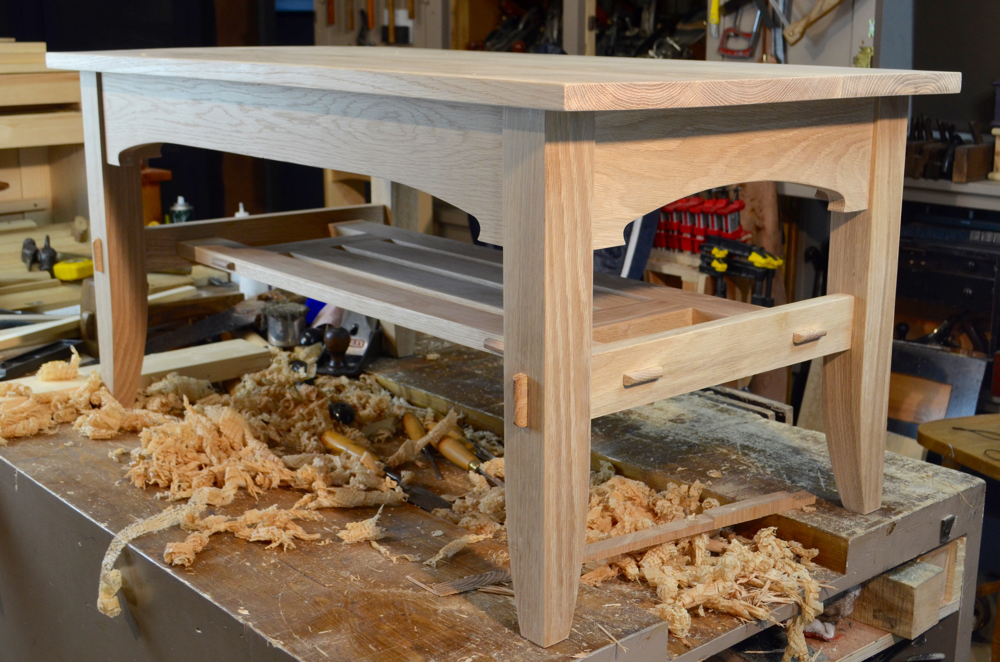
Personally working for myself was never based on an hourly rate even though business people you might need to deal with see this as the only way of measuring a business worth. It is silly. You work for yourself for whatever reason you want and what you make has nothing to do with anyone else though I think your parents care and you should share with them.
People use money to evaluate what you are worth and even whether you are worth knowing. The media does this all the time. They say things like, "billionaire blah blah or millionaire so and so" as though being either is some qualification as to their character or ability. All too shallow for me.
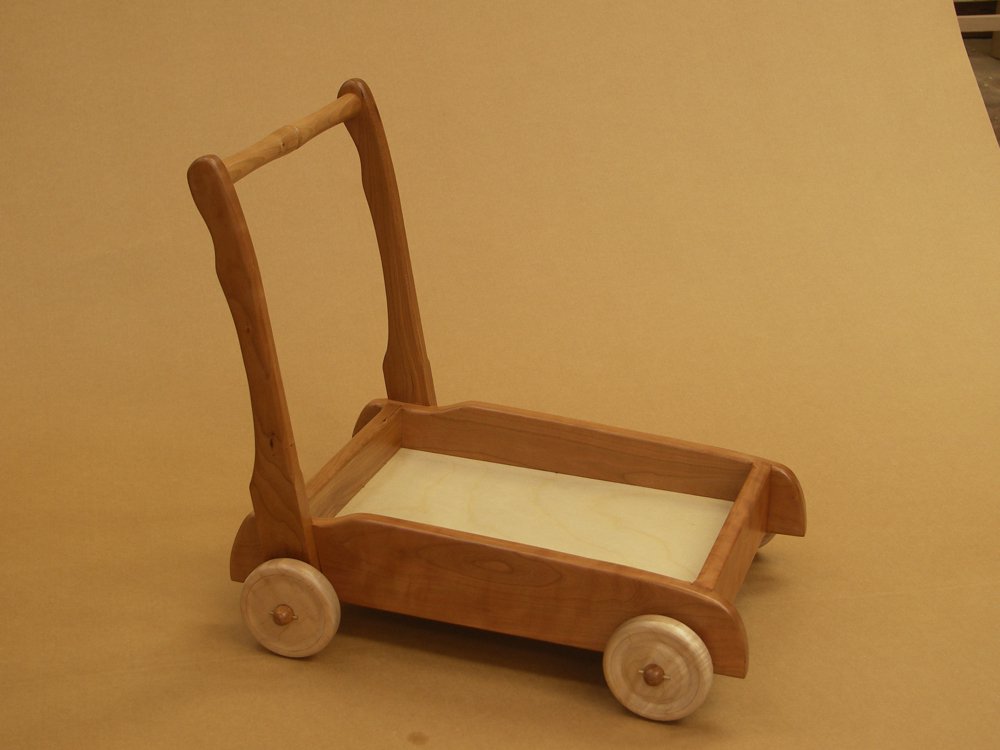
Having different sources of income does make good sense to me. If a percentage comes from the egg business and the market gardening another that's great whether it's by the sold goods or food for the table. Most farming does not operate that way any more. Farmers raise chickens for Plantation Foods or Conagra and then buy their chickens dressed out in white plastic bags.
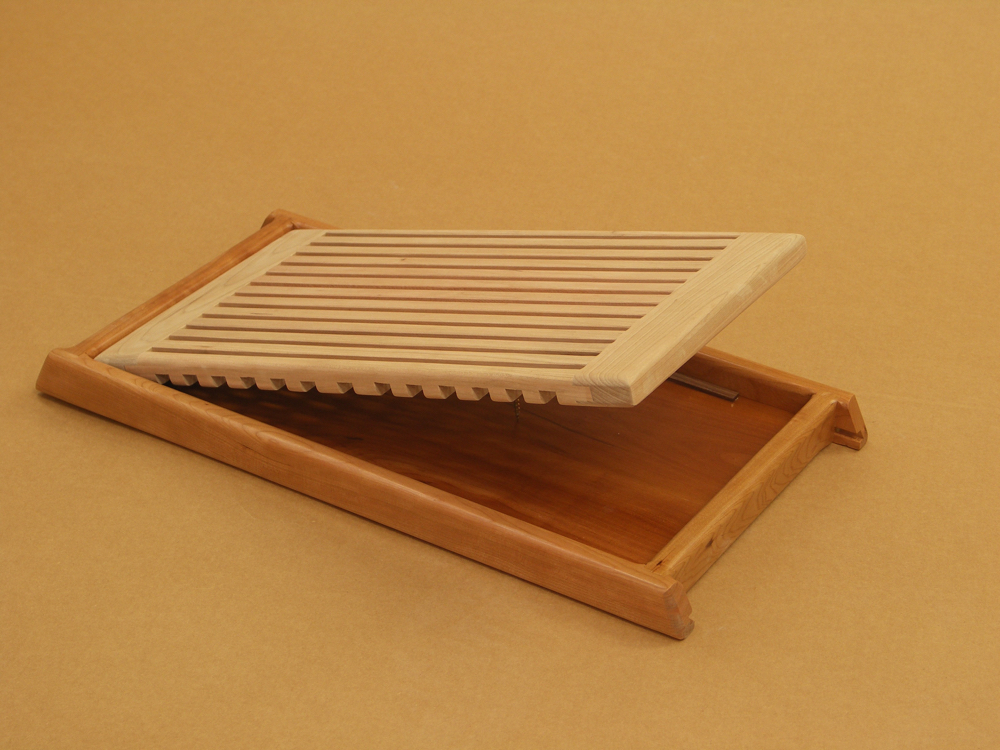
I would definitely not see the whole of life as everything you do being to sell. That's a huge mistake. If you grow an excess and sell from that that's one thing, but growing your own food can be two days work working for someone else. That has real value in my book. We never bought eggs for 20 years because we always had chickens. My boys milked cows every day too, so we always had fresh milk.
Also, it is all too easy to work everything out at an hourly rate and you are, according to what you say here, pretty much a beginner and not a well experienced artisan. I don't say that to demean you in any way. We often think we deserve a higher rate because we work hard or have skill. Such assumptions destroy the peace we would otherwise feel because we constantly draw comparisons withs others. No one wants to be called a beginner or a novice or anything like that, especially in the US where everyone seemed to me to see themselves as at least an intermediate level woodworker because they had a few machines, but when it came to skilled work, because mostly they knew only machining, they were indeed total novice woodworkers. By the time I was eighteen I had made many hundreds of fully jointed projects and still treated as a boy. I didn't mind that.
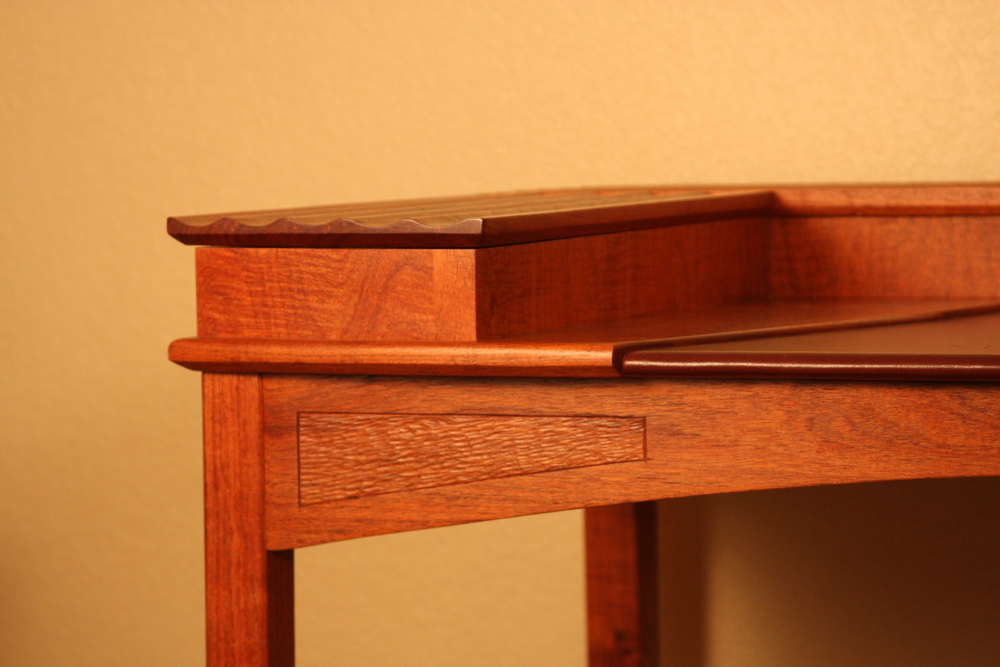
Getting off the conveyor belt is getting off piecework AND the hourly wage mentality. People will always quantify and qualify you by your hourly rate. That is commerce and economy and it's the only way they know to understand why you do what you do. Even if you work 80 hours a week and barely make it, it is still better than wearing a suit and tie and sitting in meetings looking forward to a lunch break and sitting two hours a day in traffic.
My ideal is and always has been planning a project, walking a hundred yards to the workshop. Flipping boards and choosing wood. Converting it to the pieces I want and then spending days and weeks and months building what's wanted and never thinking whether I am making this or that an hour. My rocking chairs sell for $6,500 dollars in the USA.
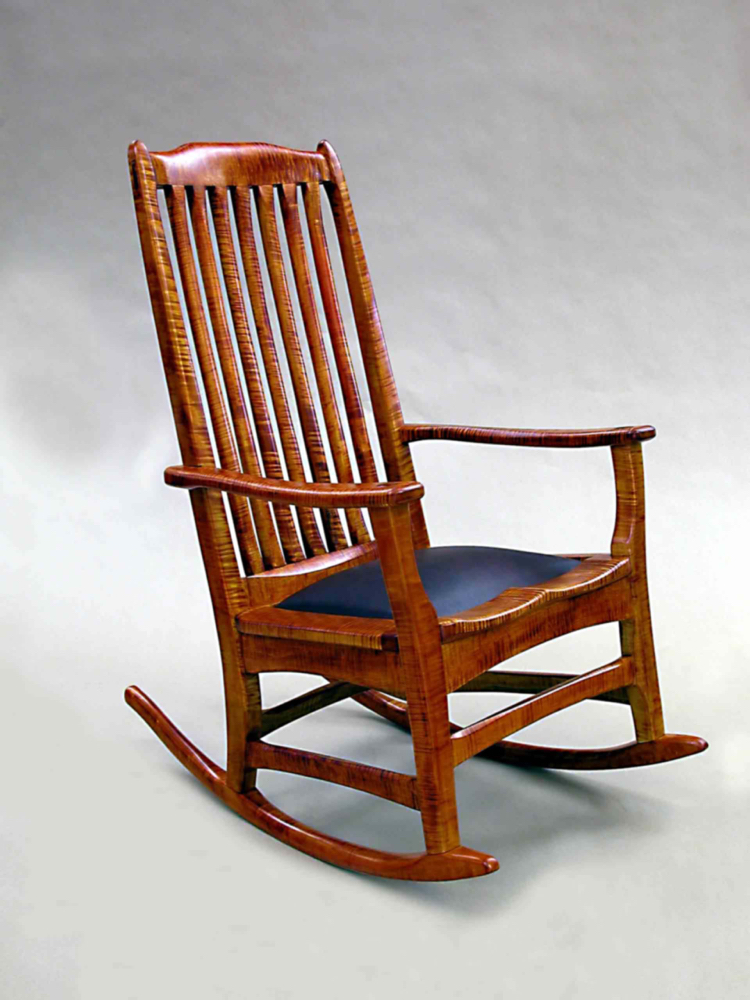
They take two full weeks to make. I have other pieces like that. Could I have sold them for that when I was 18 or 25? Most likely not. Joseph and Jonathon on the other made maple workbenches to my design and had orders waiting at around $1,000 for week's making. They sold maple mallets at $25 a piece and made good money on them.
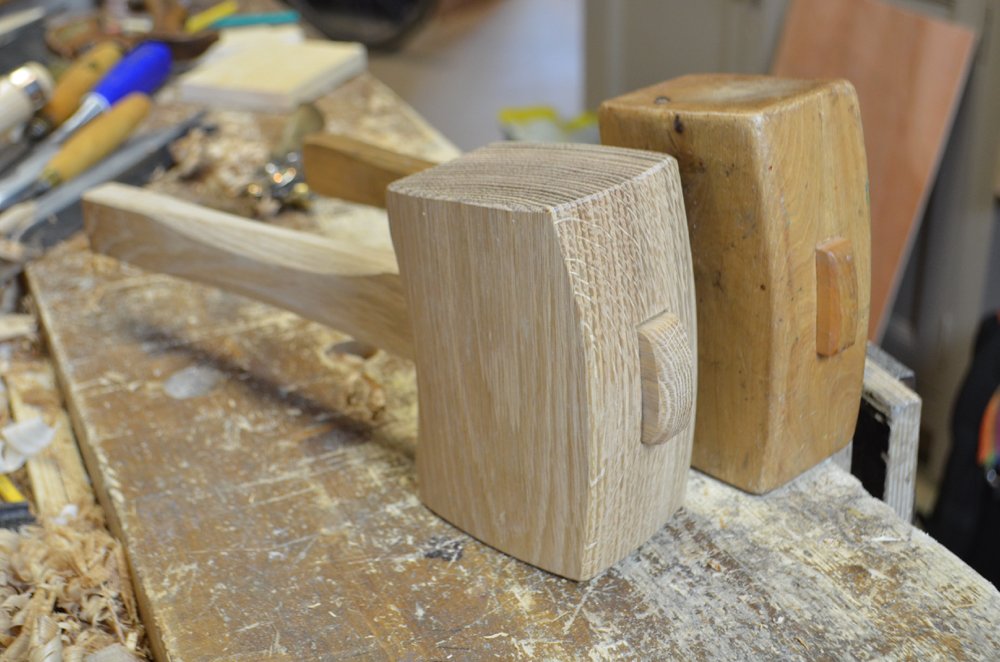
That's more work than spatulas. Did they ever say they were making this or that an hour. Nope! They just learned to work, mastered skill, became good craftsmen and businessmen and still don't think about hourly rates.
Never, never, never give up, if it is what you want to do. It sounds to me as though you are about 90% of where you want to be.
Never, never, never look to others by what they make, do or own to evaluate what worth your lifestyle is to you. We all have different goals and most of the ones I have seen people pursue can be very empty. A lot of people reading your letter will be saying that's what they would like to be able to do. To grow their own food, raise chickens, sell some of the stuff they grow and work with their hands. Now that's something!
Comments ()