
Working for yourself
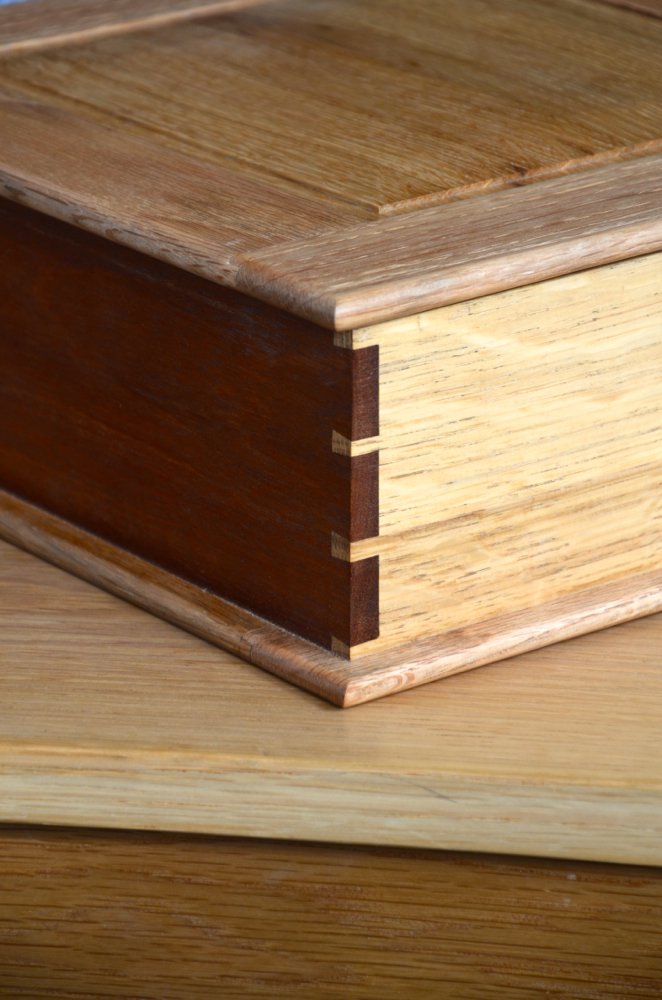
A man, well, a new friend really, asked me today if I were to start a business and keep my current job going for income whether I would just make one of something or more than one. I think not just one if starting out as an unknown. I believe in small batch productions and believe people like choices too. I’d prefer to see a few designs and several in each design using different woods and wood combinations. Batch production economises our work and maximises efficiency, mostly in the machine realm, because we generally cut second and third items to the same dimensions at a small fraction of the cost because of set-up time. When it comes to hand work of course the time-saving factor doesn’t generally stack up the same way and so it doesn't change as much but it does still help. Going to shows with a wide variety of goods can often be less dynamic than taking several of each kind—perhaps in different woods, colours and finishes. Having one of each really offers only the choice you take to the shows or sales venues whereas colour and wood adds choice and a sense of the customer being involved in the choosing process. Generally speaking I think taking several of the same product also shows the confidence you have in what you’ve made. Also, I think too much can be too invasive. Giving space to your product in a world of mass choices sets your work out for greater clarity and visibility and dispels duplicity.
Can you make a living from woodworking?
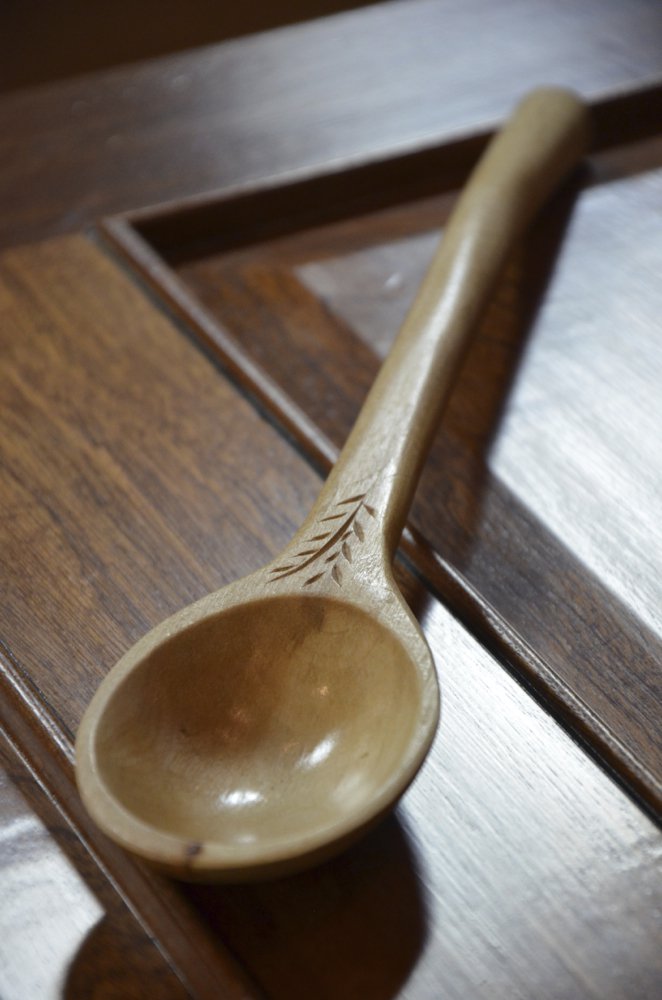
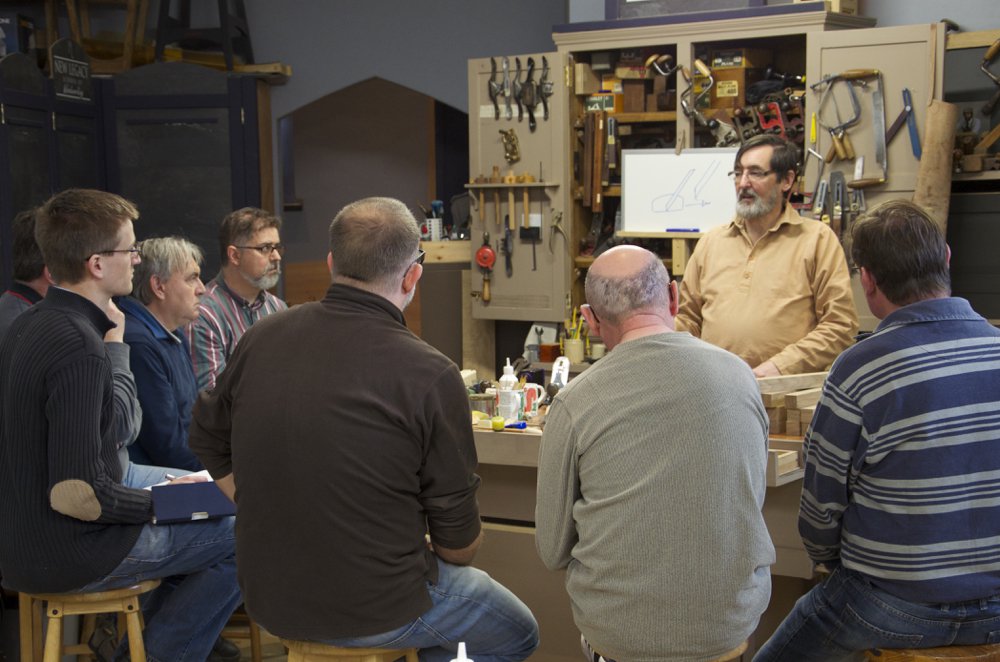
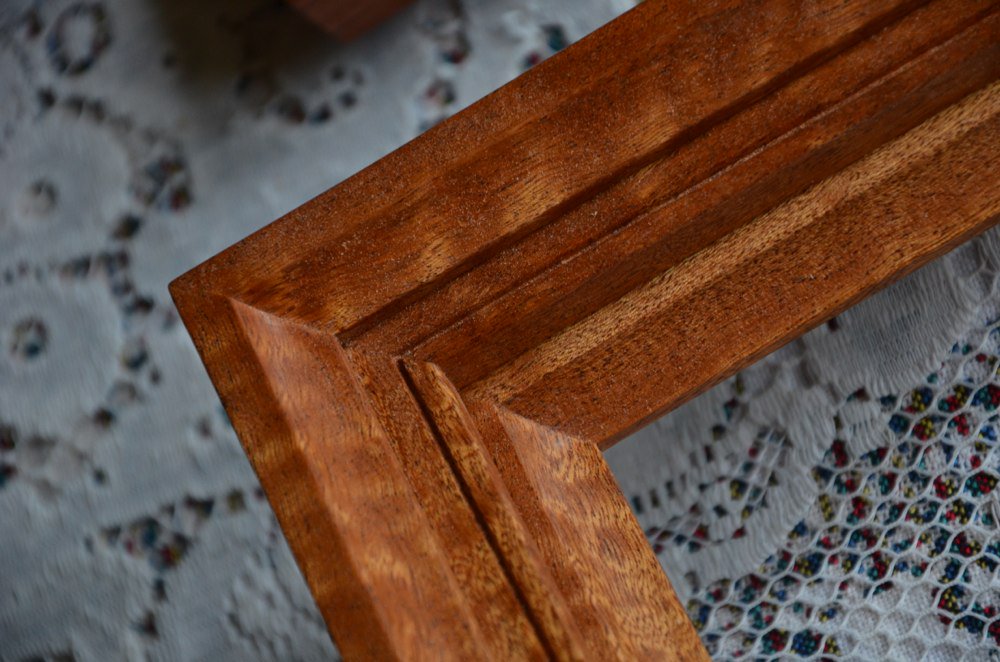
This question comes up frequently enough and over recent years I’ve personally heard four magazine editors tell me that no one can make a living from woodworking. I have heard this from other quarters too. I find it tiresome when I hear it but there you are. In this I would say how very wrong they are. Of course we, me and they, move in completely different realms, different circles and have different aspirations too. I’d rather be self employed and determine how, where and when I work even if it means working twice as long and twice as hard as everyone else. They’re tasked for advertising media sales and most often know very little about business spheres beyond that or for that matter, beyond one or two of them maybe, much about woodworking in real terms either. For me it was never a question of whether I could or whether I would or how much I can make but making it work for me and my family. You can of course make a decent living making product from wood provided what you set your sights on is realistic. You must strategise to that end and work your plan into a lived and vibrant reality. Cutting boards and walking canes of beauty sell well for good prices and I’ve proved that in my own life. Picture frames framing fine art work and graduation certificates have higher value than mass-made high quality ones when customers know you or have met you and know that you made them by hand.
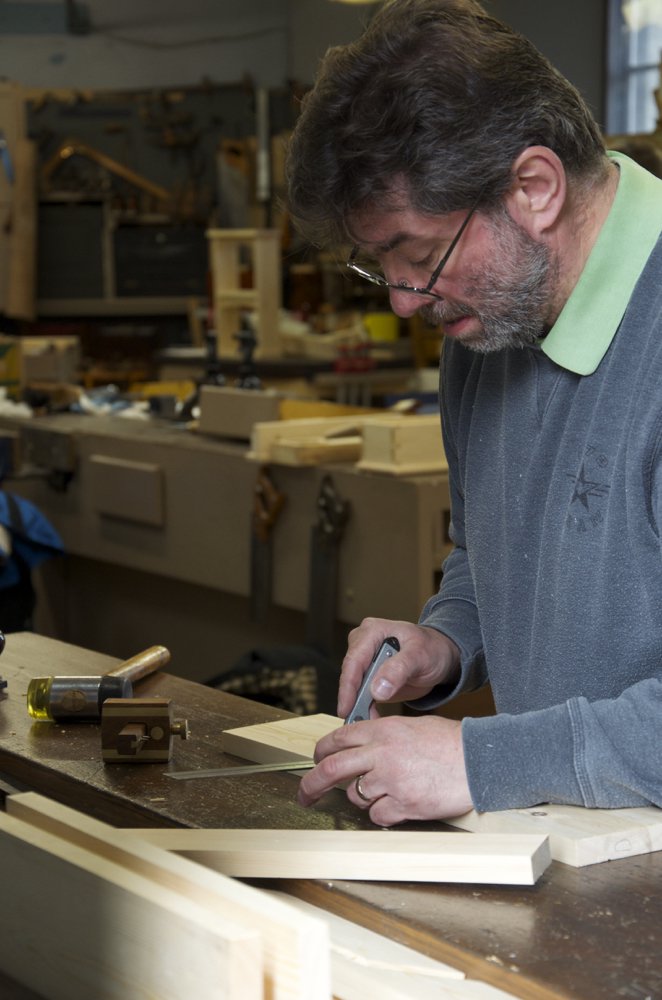
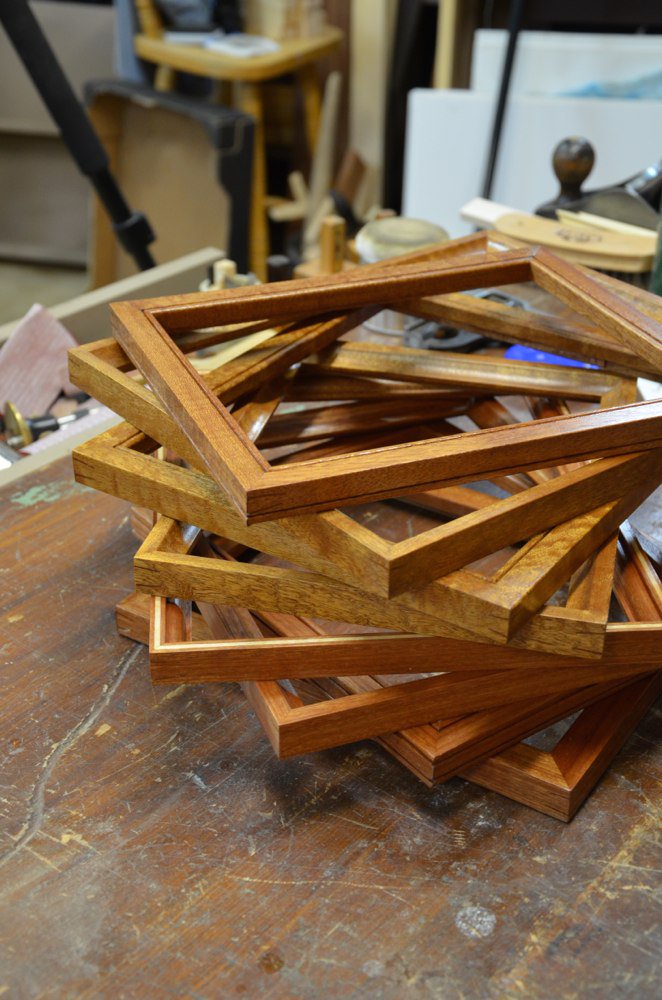
Personally I don’t listen to anyone telling me I can’t make and sell furniture enough to make a living from because of course I can. I think everyone can provided they've paid the price to become competent woodworkers. You don't really need a nine-month course to do this and it may not even help you too much, though it might. Just develop some basic skills and get going. As you progress be contented and don't despise small things at all. They can quickly become bread and butter. With such small things you can establish income, open new relationships, become known. You don’t need to stack up a multi-thousand pound debt or expense to do any of this. You just develop as you go and go further and further as you grow.
Furniture pieces made to the right design and to a good standard will always sell. It’s not complex at all, but it will take time, even a few years, to get the cycle of customers going to support you. You have to work to that end, but the work is well worth it if you want to become true to yourself and attain to lifestyle woodworking. It all begins with mastering skills. There is of course much more to this conversation. Perhaps we should continue.
Comments ()