
Getting connected
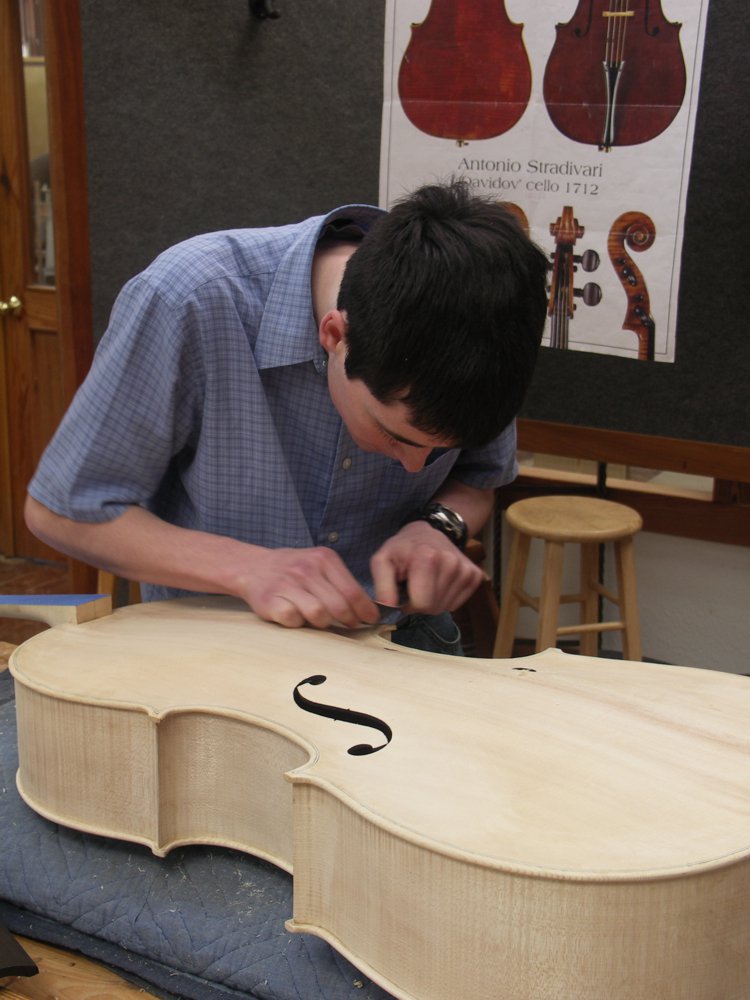
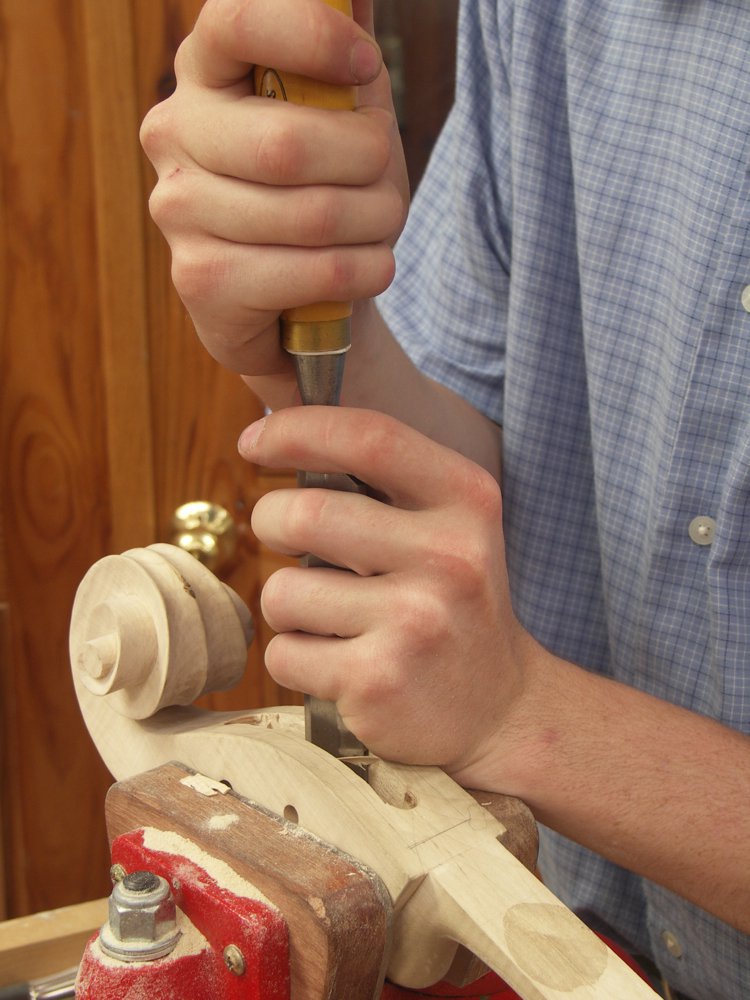
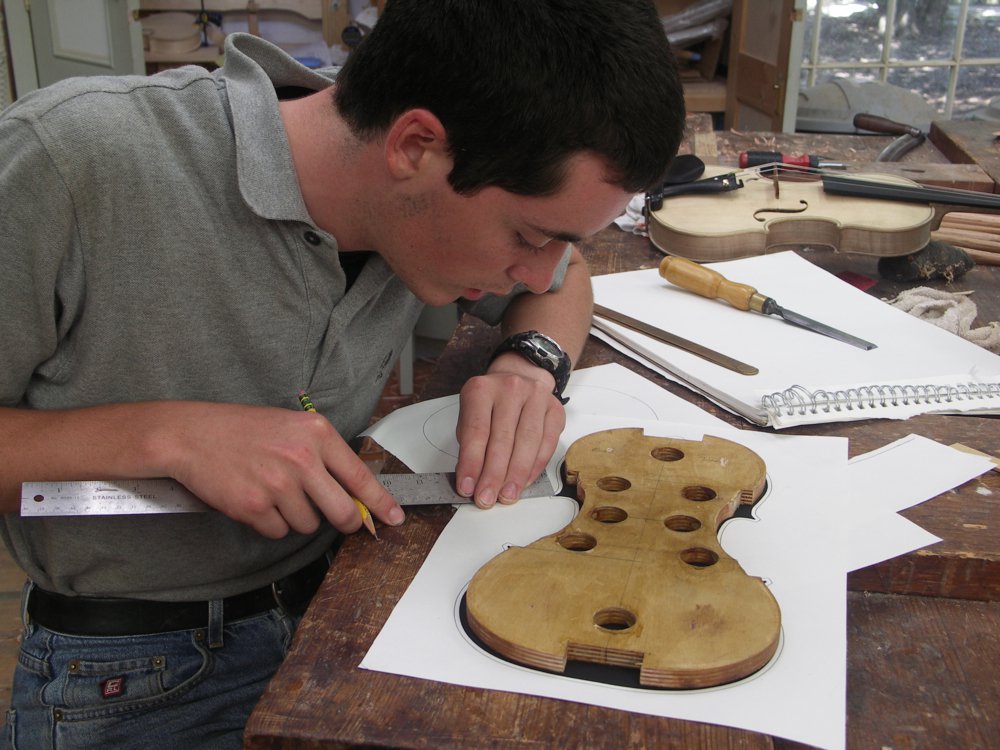
I started making things from wood with nails to hold the pieces after seeing my dad clutching a handful of 4” ovals making me and my siblings a go-cart from an old mahogany table. Clenching the pointed nails now protruding over and sending them back seemed the cleverest thing to me and two three-foot pieces gave use a five-foot chassis in a matter of a few hammer blows. Two cross members, one fixed and one pivoting on a bolt in the centre held two sets of pram wheels and I knew freedoms I’d never known before. No, not on the the four-wheeler! It was the hammer and nails, my introduction to woodworking and the power of nailed wood.
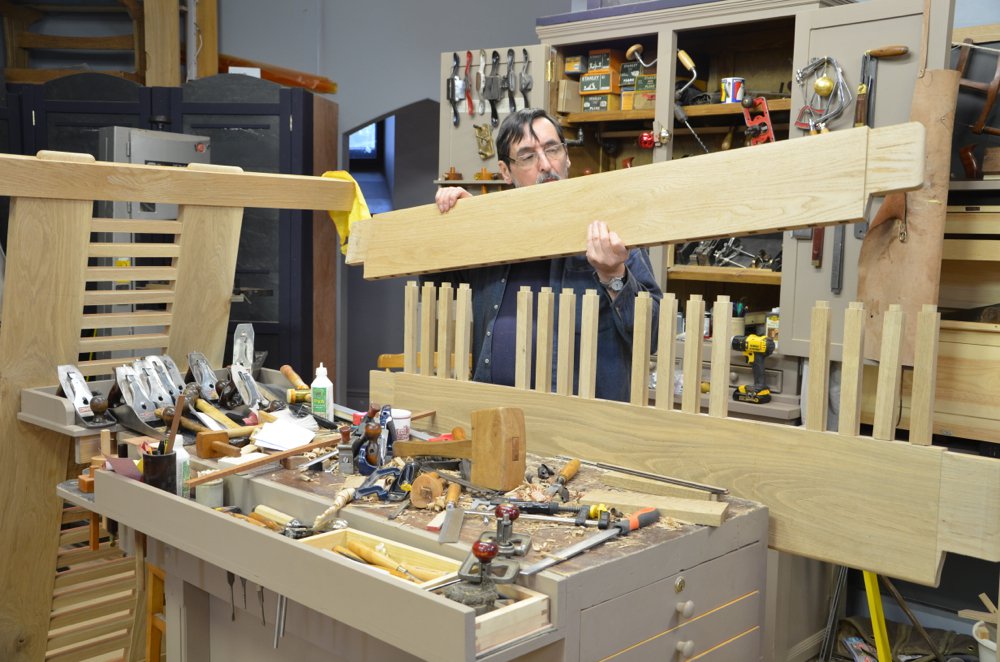
From there my go cart made frantic trips to the bottom field and the tip (city dump) where the trucks lined up filled with thee worlds rubbish. Loaded with everything from old wardrobes to new offcuts of plywood I loaded my cart and wheeled it home and my dad and I nailed stuff together to make ‘furniture’ for the house. I’d found two cans of gloss paint, light green and pink and he taught me to paint too. From these all too brief encounters I became the happy maker of things from wood and the painter of things from wood. At fifteen I entered into my apprenticeship and 50 years later I’ve made hundreds of thousands of hand cut dovetails, mortise and tenons and many more joint types; possibly as many or even more than any man living. I’m not claiming that, but it’s possible in today’s world were machines have indeed taken over.
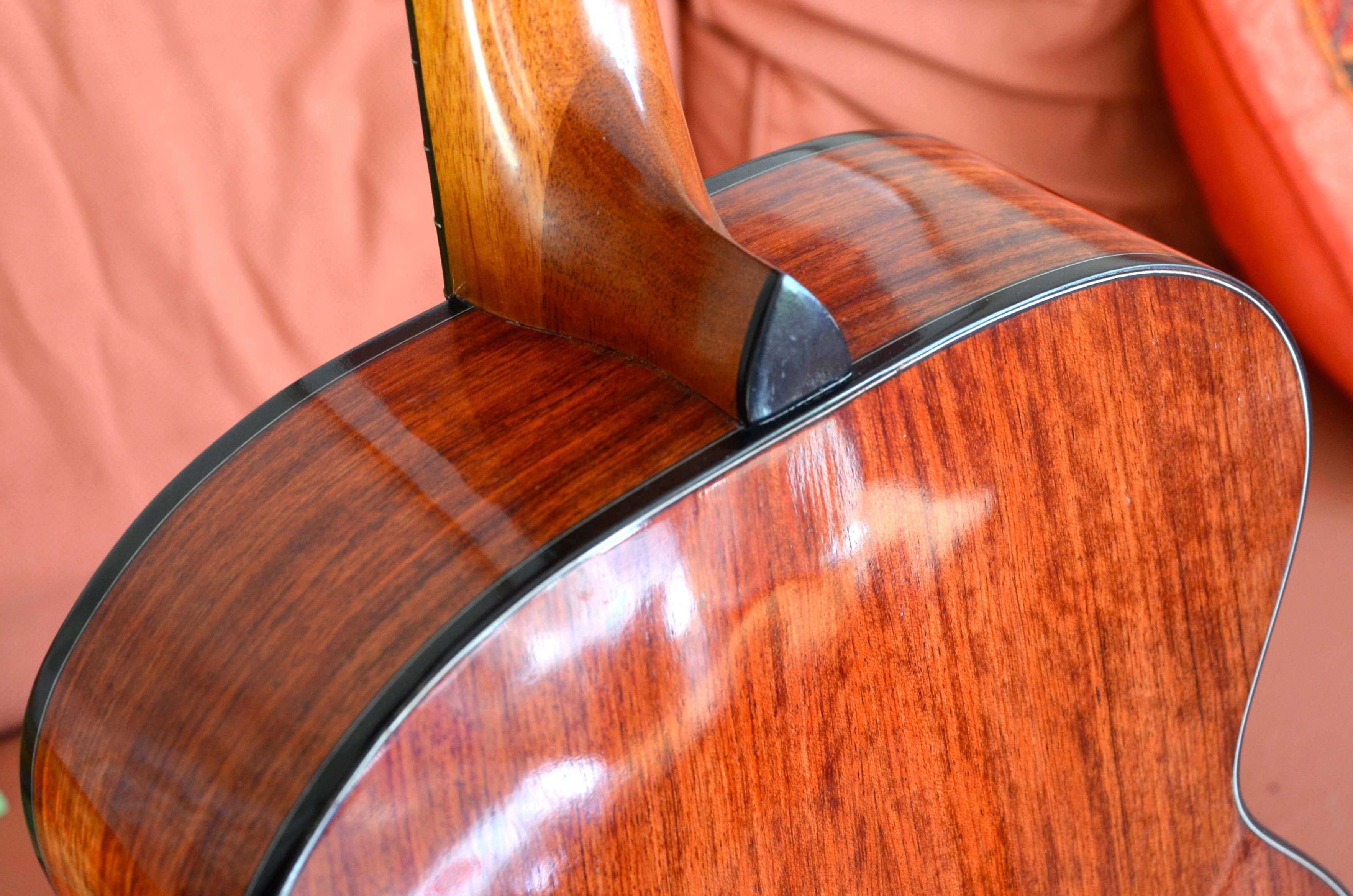
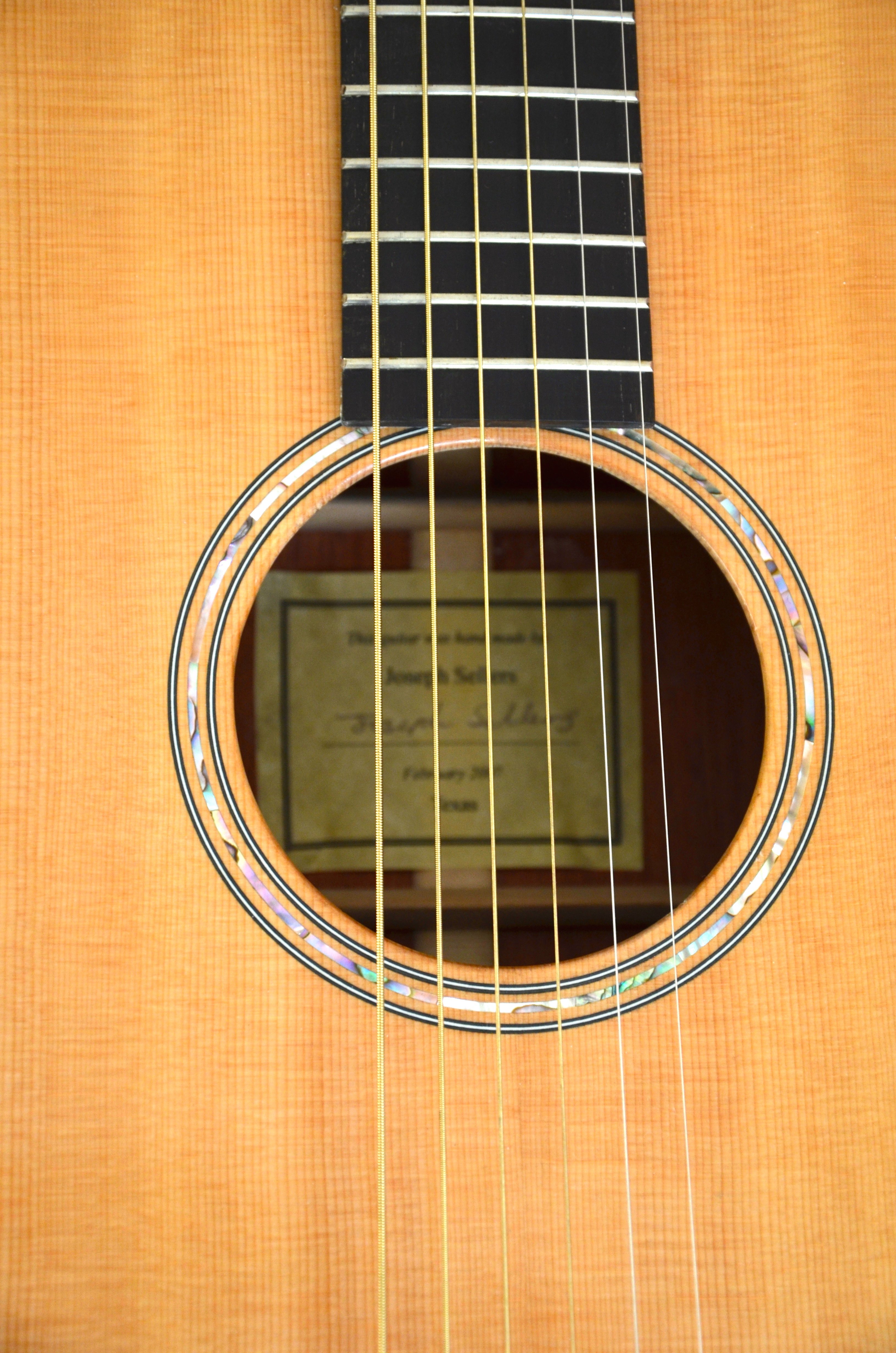
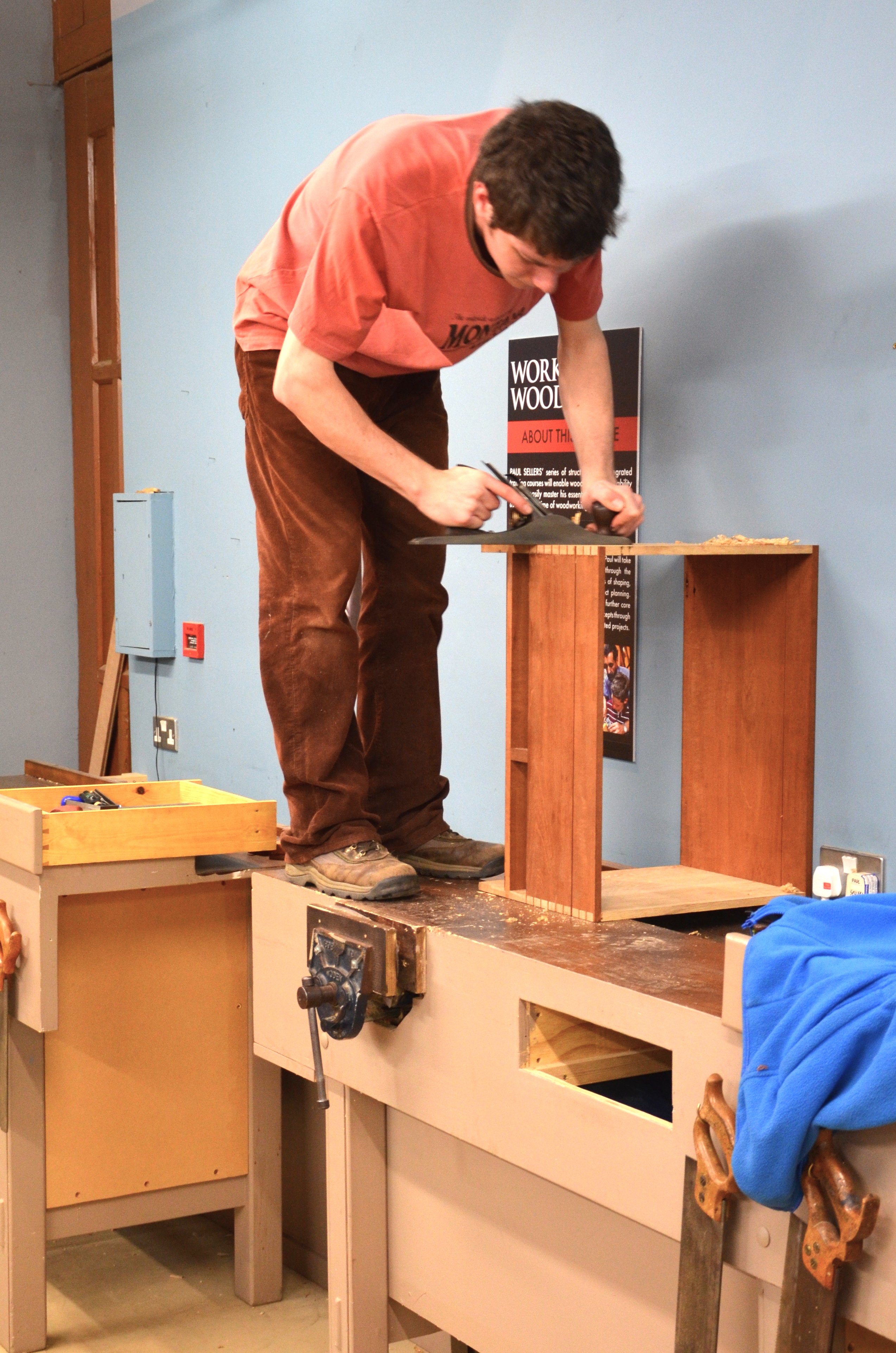
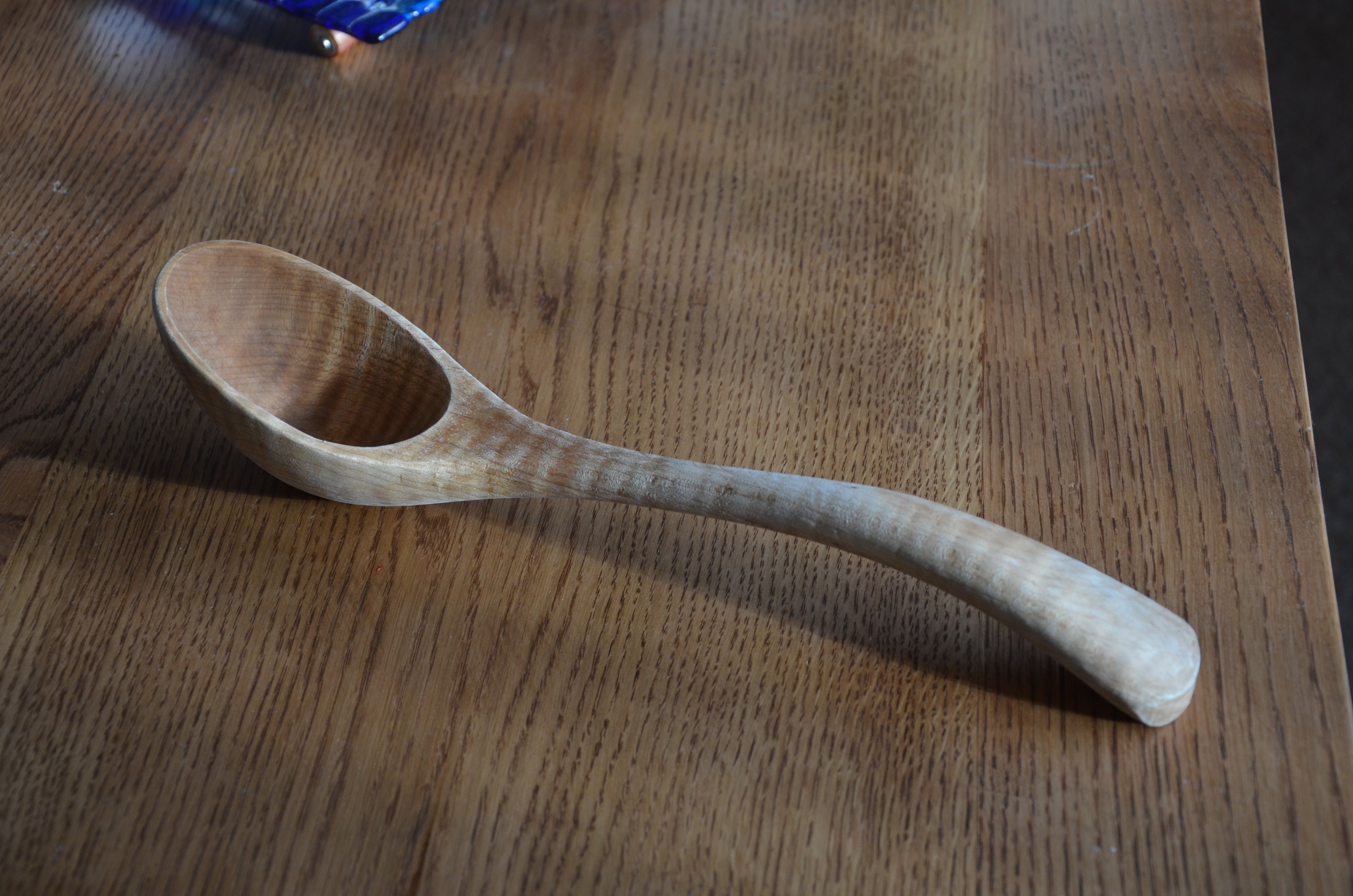
This last week I watched different people being trained or who I had trained working in my workshop and thought how amazing to have seen 5,500 people standing at my benches being transformed and changed to think differently about wood. I remembered some of how it began and seeing men standing with sons waiting by a bandsaw ready to cut out shapes and wondering why. I took them to my workbench and introduced the mallet and the chisel and a tenon saw and suddenly the line and queueing stopped and the fathers and sons engaged in the real work of real woodworking and real relationships with wood and one another started developing. These are the ways that young people become woodworkers and fine furniture makers. Dad’s engage with their children when they use hand methods that, yes, they have dangers, open doors at the right age in the right place just when it’s needed. What I teach today began with a handful of dads trying to connect with a generation that many are losing all the more to two thumbs tapping smart bits of glass and plastic in pretend worlds everyone would have seen for what to really is at one time. When some pursue dreams of wealth and prosperity, others discover their hands were made to create something real. Relate to the real world, reconnect when their little and one day you’ll make a go-cart with them or a cello. One day you’ll see them making coffee tables as wedding gifts for their brother’s wedding gift, wooden spoons, mallets and workbenches for a living and a guitar, a violin and a cello they can play. No matter how good the computer and the smart phone apps, they are not smart enough to compete with what I enjoyed in watching my sons around me in the workshop over these past 30 years.
Comments ()