
The Rhythm of Handwork - A Pace of Life
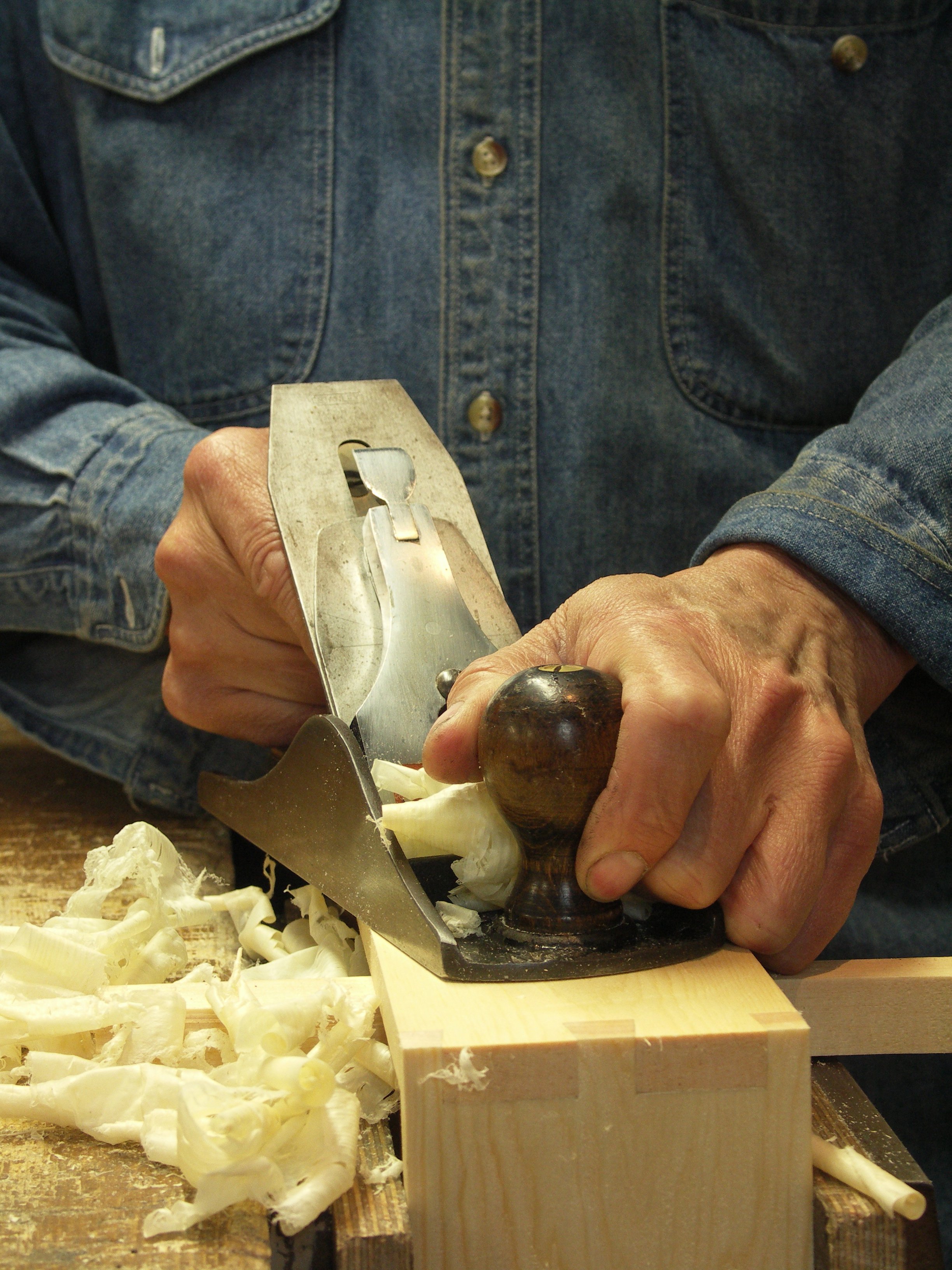
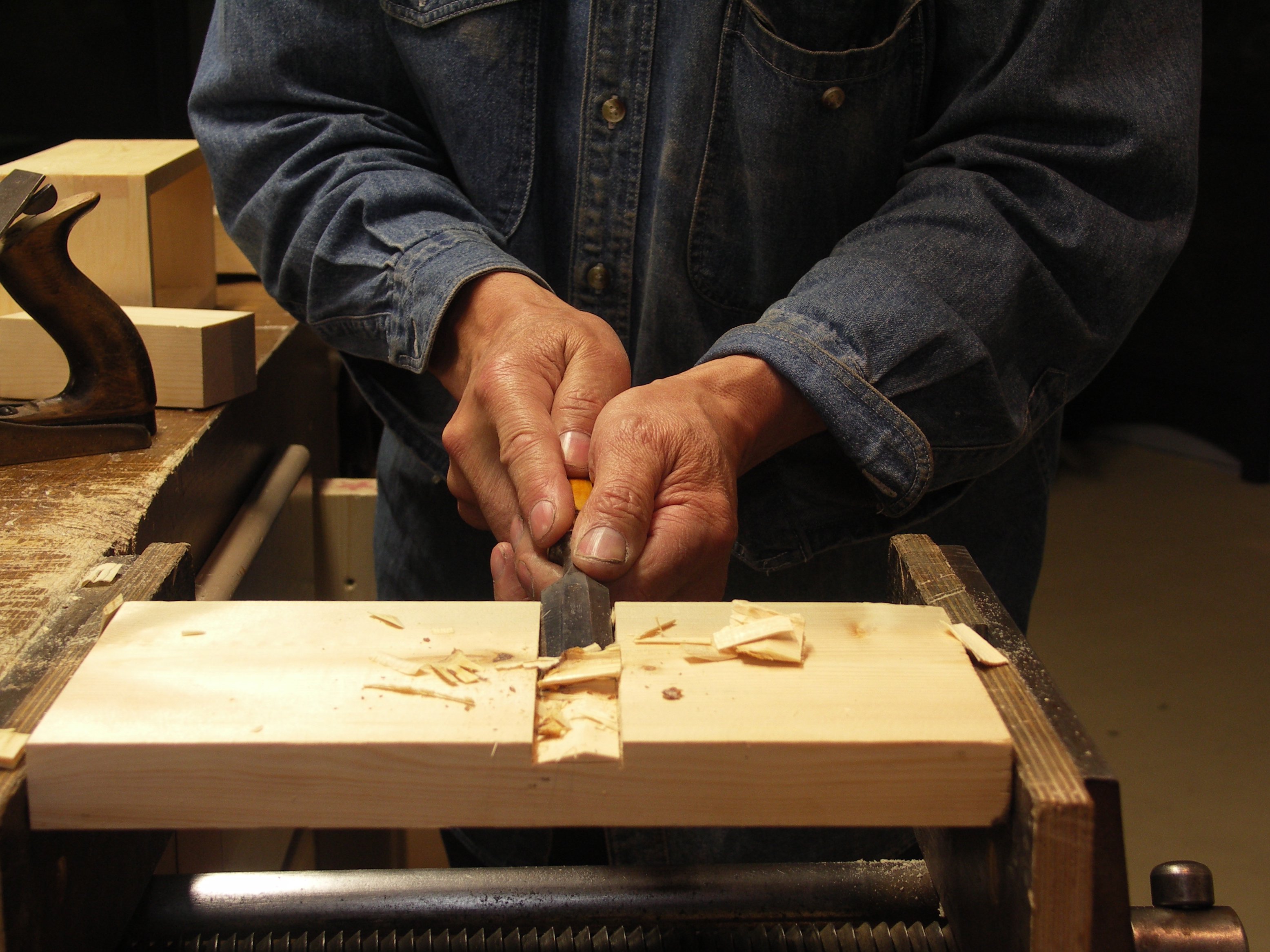
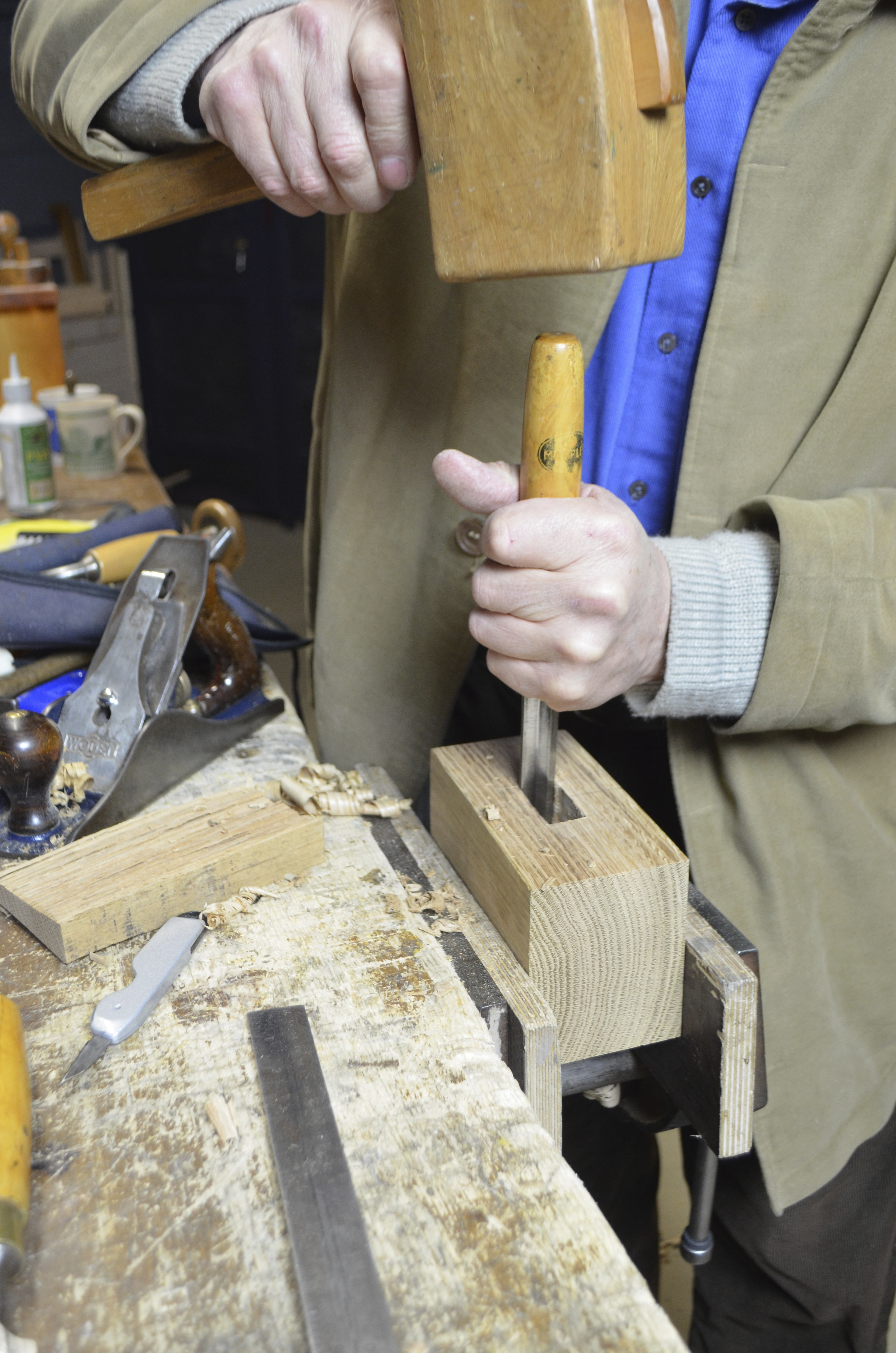
In mastering hand tool work I learned early on in the 1960's that there’s a rhythm to the life of lived craftsmanship that’s governed by internal chemistry, muscle memory and reflex actions. We don’t need to understand how they work but we must allow their governance to give our bodies the rhythm that paces our day. Pacing is very much a part of hand work and herein lies the key difference between the machinist and the woodworker. Craftwork like mine is a uniting association of hand-eye coordination that demands cooperation. Hand work automatically demands all of the senses engage in some measure in craftwork and it’s this that separates me from anxiety and stress because I find such saneness in it. There are of course dozens of different rhythms and many of which we will never understand but rhythms they are. Just to put some perspective on this I took something I wrote in my new book I thought might be of interest.
“The weight of a mallet must be lifted and dropped to the chisel with a quick and rhythmic arm and wrist movement. At around 60 vertical mallet stroke lifts per minute equalling 3,600 strokes in an hour, and with a 2 lb mallet, that’s 7,200 lbs of lifting in an hour ( well over 3 metric tons or both the short or long tons) driven with the exact force to deliver each blow to an inch diameter. A momentum grows and the whole dynamic of shape and size needs to match the craftsman. Here you see the marriage of the mallet to the hand of the man that made the mallet. It’s an until-death-do-us-part marriage you see.”
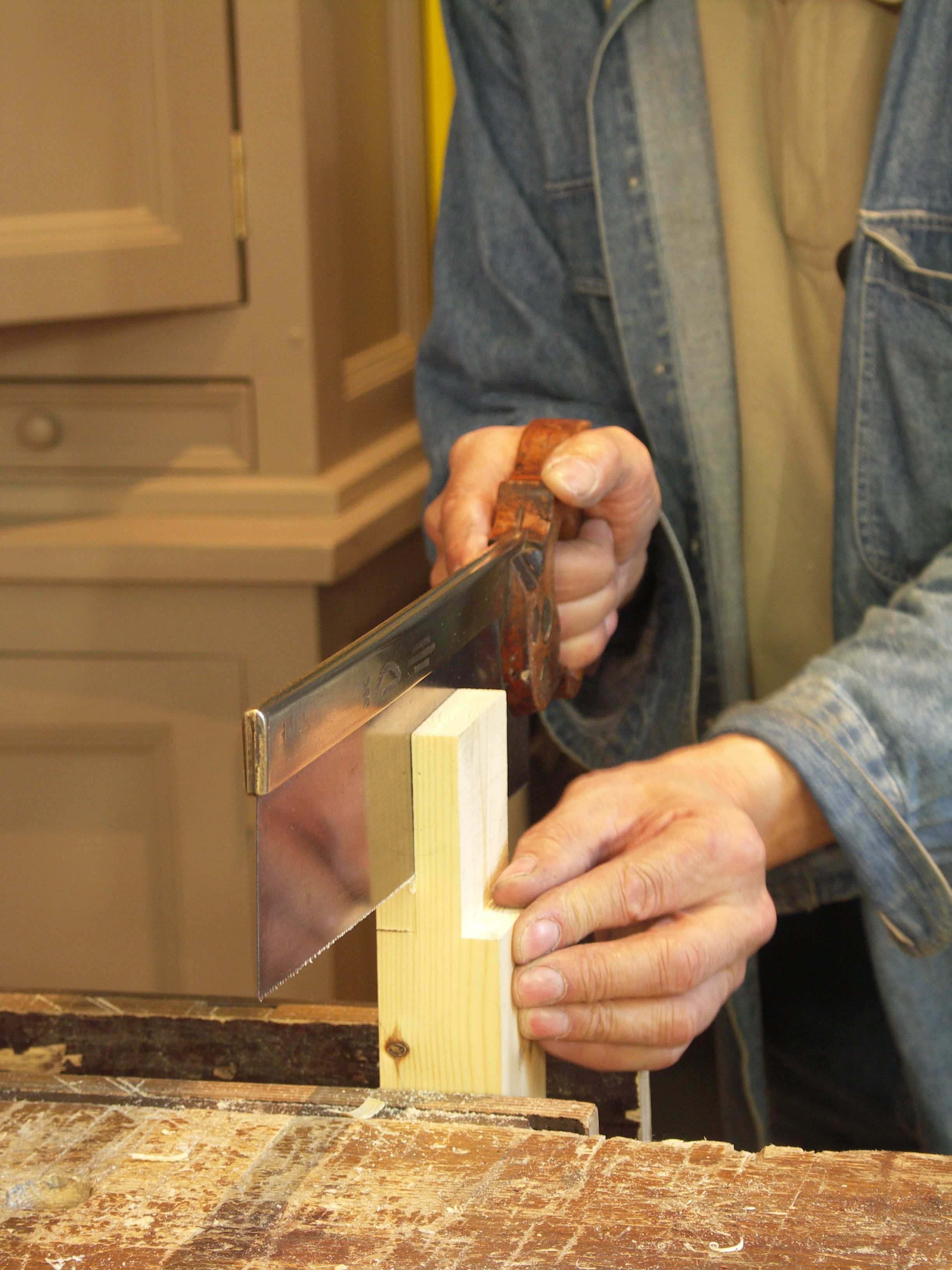
Saw strokes, hammer blows, planes strokes by the thousands all have rhythm and poser. The neat thing is that I see a joint come together and the wood get smoothed. I see a door trimmed and hinged step by step and when my day is done all of the rhythms come together like a symphony. I live for this.
Comments ()