
On the keep-it-simple theme
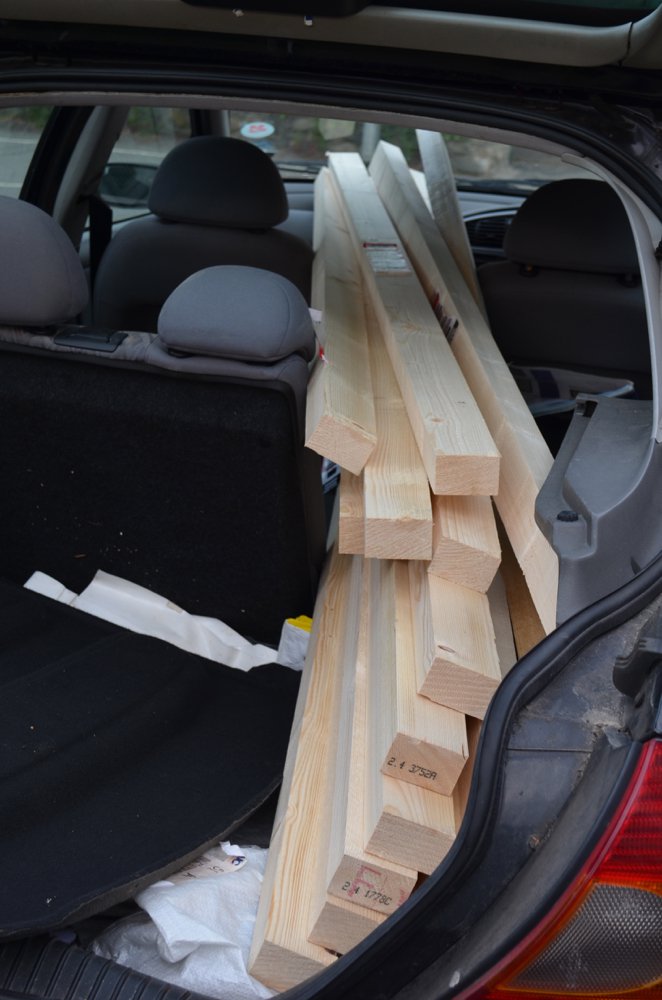
Had I at fifteen been told to make my workbench I know it would have been intensely gratifying. I know too that I could have done it. But waiting a few years and allowing the process of work to change me did something to me. I matured, grew in knowledge and strength. The men had stopped their mocking and jealousies ceased. Today I see how that learning phase equipped me and stood me in better stead. I picked out my wood differently and knew what to look for on my own. My hands and arms were calloused and harder and the tools obeyed each stroke and demand. Building a workbench like mine is simple enough and yet it’s far from simplistic or over simplified. I have made it in different forms but always followed the same basic patterns because others seemed to counter my quest for simplicity.
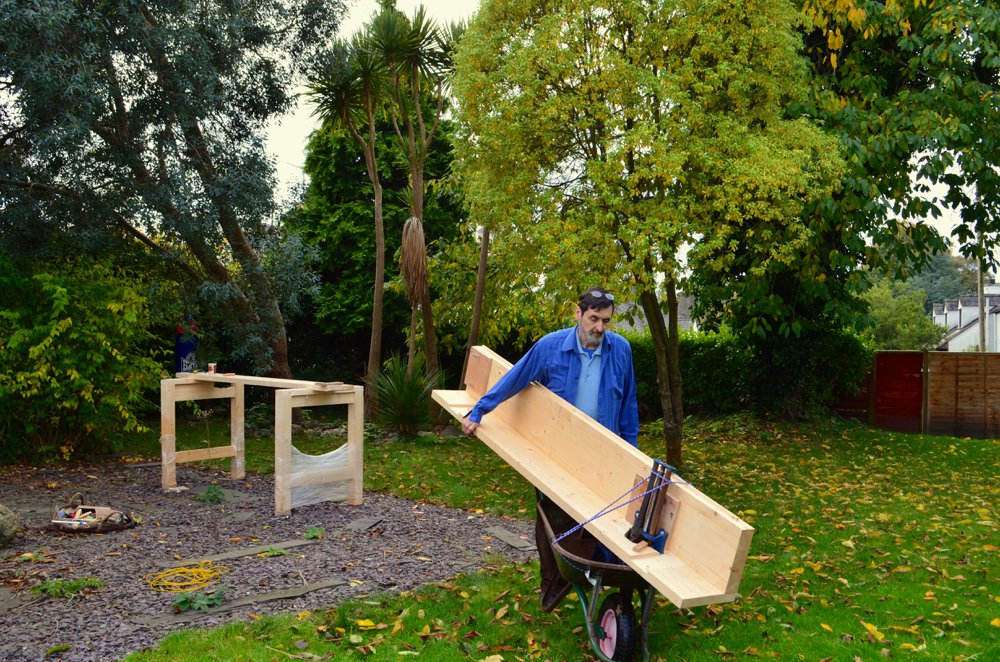
I’m glad we filmed the one I made for YouTube in the back garden a few short summers back. It was so real working from two saw horses that way and now we’ve had millions of views as a result of it. Emails each week tell me that my bench now stands on every continent around the world and hundreds if not thousands have been made by men and women and even young children. That’s what makes much of my work simpler without being simplistic and it’s what the real woodworking campaign was all about a few years back. You know what? It’s worked.
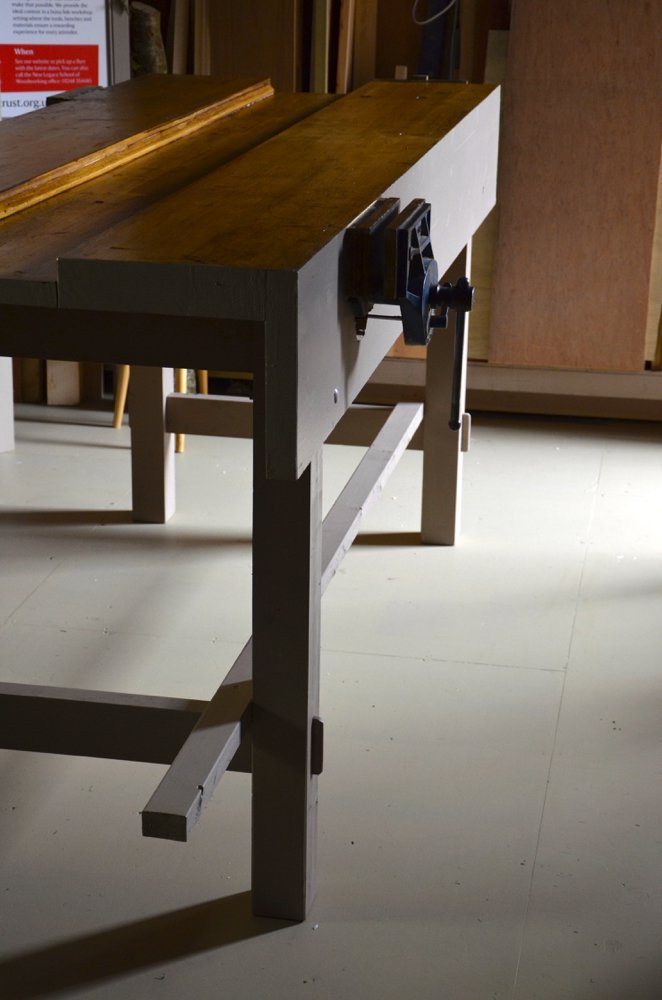
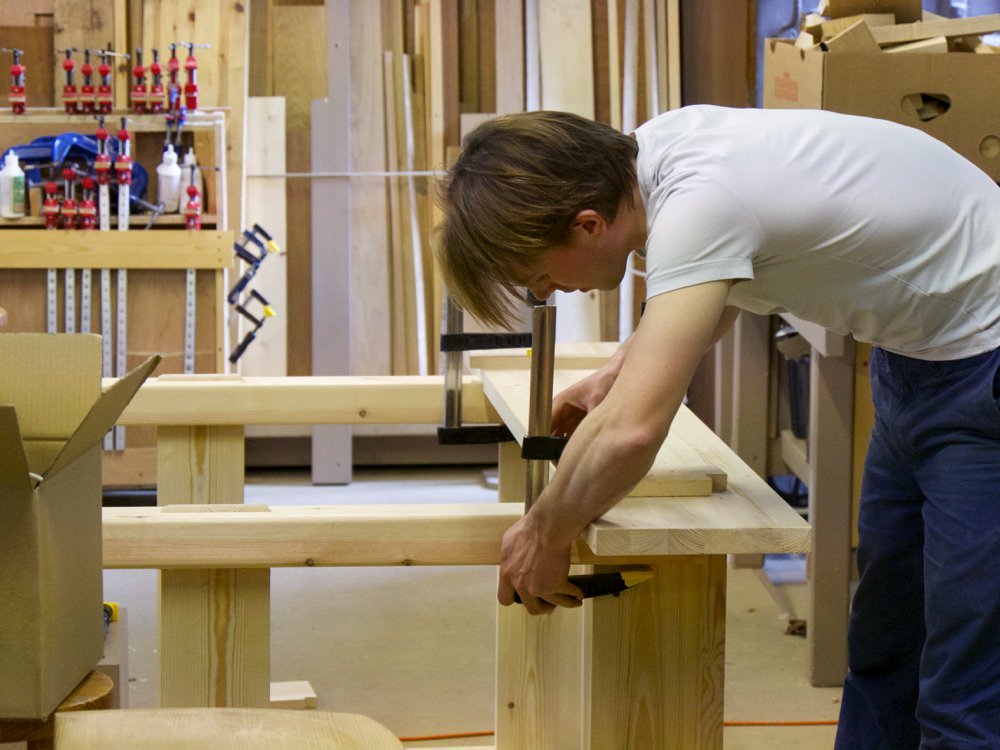
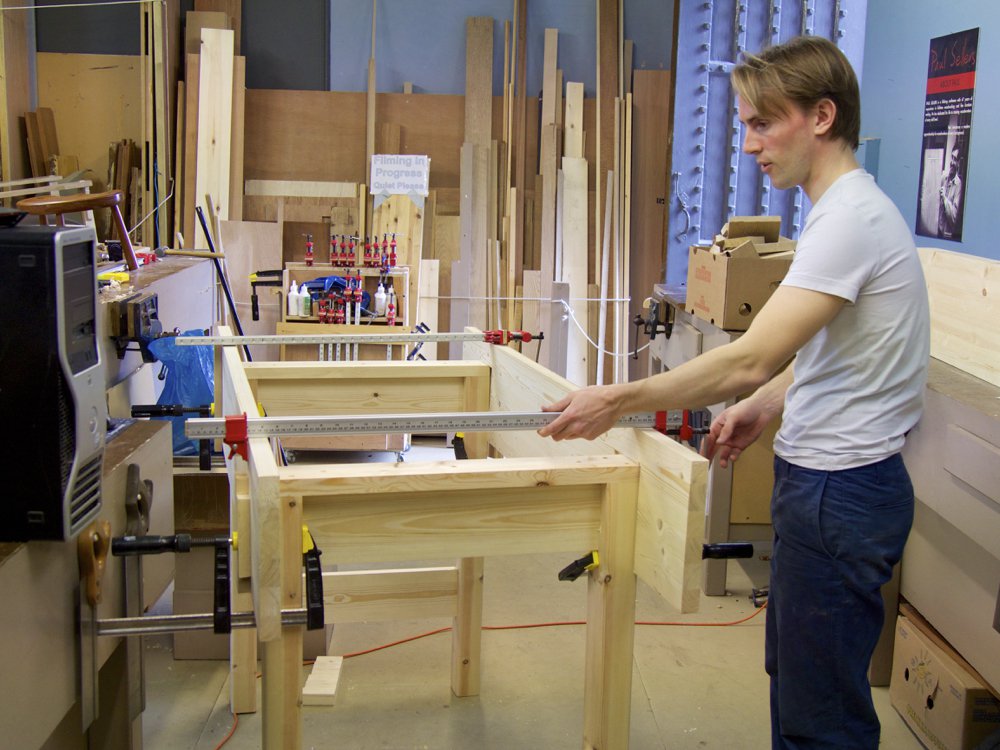
Watching Sam make his bench at the bench as it were has been fun for me. Perhaps he too was supposed to wait a few years too but I think not. In a few years he may want to make another, better, more sophisticated one, but this period of mentoring is about him learning through each project to skill-build rapidly in a way no other enterprise or education system offers. I work at my bench, take pics as he works and get on with my work. The shame is I could take ten people like Sam and watch them from my bench in the same way. It’s an easy enough task for me to do that. I’ve done it on and off for decades.
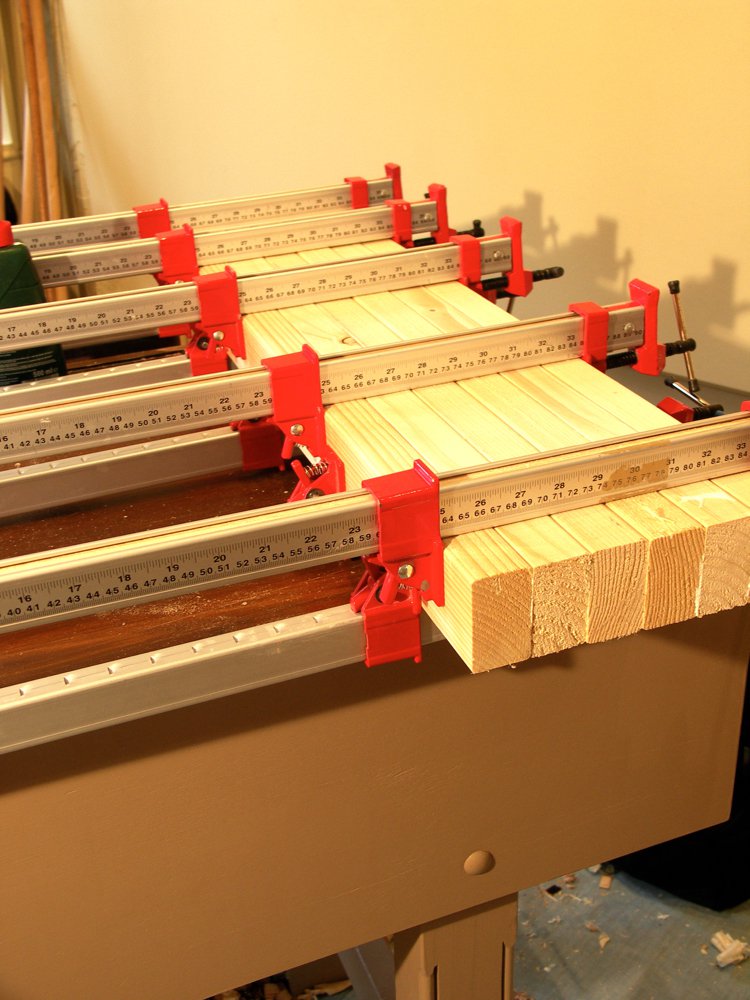
Here’s what I want to say. Building a workbench is a rite of passage for every woodworker. The YouTube series worked to that end. It has of course been free and it was a strategic quest to expand woodworking knowledge to a massive audience. All our techniques and methods of work videos are free on both YouTube and woodworkingmasterclasses.com too. What we've developed was advantaged by the digital age and yet was not so much difficult but needed determination. The bench wasn’t complex, fancy, made from exotic hardwoods or anything like that, far from it, but it really is a well-proven design. For me, workbenches need to be dead real. As Sam shapes the parts and fits them, planes, them hand routs them and cuts wedges and stuff like that I have a sense of something happening in the spirit as it were.
Take a piece of iron and tumble it between the anvil and the hammer face to make a simple square nail can be a reward in itself. Leather worked with an awl, some waxed thread and a skiving head has the same effect, but when you make a tool or a bench and you see the square nail becomes a square awl and the leather a bit roll for you augers, something shifts. Clay on the wheel remains clay until it’s fired. Glaze it and it changes all the more. Vitrified, it now holds the content of all that’s poured into it. A rite of passage challenges you and that’s what an apprenticeship should do. Something that transforms a being from one thing into another. The bench is a small portion of it. My apprenticing people is radically different. It’s high-demand in a different way. When a man or a woman chooses this path I give them all I can for a year or so. This parallels five years in a commercial setting. They become changed in tangible ways. This then becomes the foundational stone of their future. Everyone needs a foundation on which to build. Not any foundation, but a solid and sure one. Otherwise what you build often crumples under the subsequent stresses and strains that always accompany growth of an artisan working for lifestyle. You can’t get this in college or university because the dynamic is different, the rhythms are different and the goals are different. Living craftsmanship isn’t selling work for approval but resting in a secure knowledge that you are a craftsman whether you sell or not. Money never measures success in any real way. Contentment becomes a reality when your work is your calling. Discovering this is critical to wellbeing. You stop chasing pipe dreams and the illusions that brings. Work is a most honourable reality when you know its your calling and there is no substitute for it. You can’t buy it with weekends off, vacations rarely work that well or at least the way we think they should and though rest is important it’s more important to find the right rest which isn’t a concept but a reality. So relational work is not abstract but tangibly held and felt and sensed. You can own it in the sense of possessing it. That's what you can't get from watching or reading. This is what work is for me. I know, many might see me as privileged and indeed I feel that, it’s true, but it also means I had a vision for what work should be to me and my family and could also mean for everyone. I held on to it and still hold on to it. I worked for it, when I feel challenged about the future I go back to the foundation of calling I found and feel settled again. It’s not necessarily easy at all, but it’s contenting for me now. So I write not as a writer but as a furniture maker, unskilled in making films but as a furniture maker and I train not as a teacher but as a woodworking furniture making man. Now it’s my turn in my time of life to help others to work for it, find it and live it.
Comments ()