
Bevel-edged chisels or heavy mortise models?

I bought these mortise chisels on ebay for £6 each. Hard to imagine, but they are all Marples, virtually unused if used at all, and all top of the Marples-of-old mortising chisel line. Three of them are 5/8” and the other four 1/2”. Unbelievably good value and all with brass ferrules, leather washers, trapezoidal blades and boxwood handles. I want students to experience these and the heavier mortise chisels to assess for themselves how these chisels work. The main advantage of heavyweight chisels is mostly when you dig out deep mortises deeper than say 1 1/2" or so. The need for deep leverage and enough steel mass to hold up to pressure becomes more important the deeper you go.

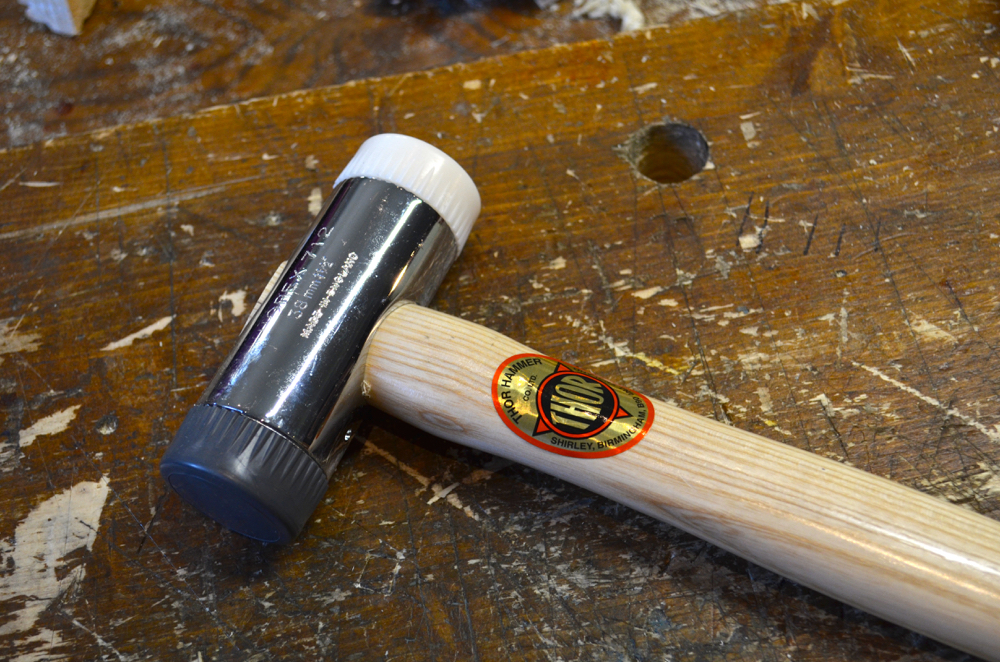
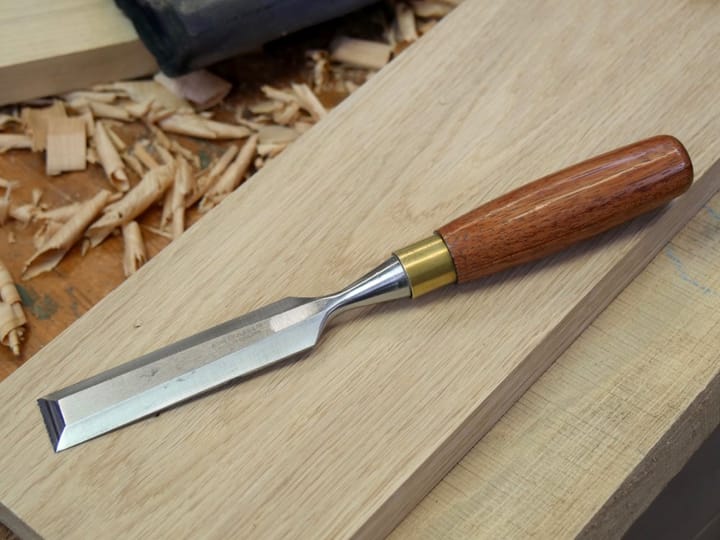
Working on the woodworking masterclasses videos build this last week we had sixteen 1/2” mortise holes to chop, four are small but the others are quite large at 4” and 6” long by 1 1/2 deep. You can see my 1/2” bevel-edged chisel alongside the seven I bought for size comparison but there’s more. I chopped some mortises with the larger 1/2” Marples and some with the 1/2” Marples bevel edged one. I chopped some with my Thor 712 38mm driving the chisels and then some using my mallet, which is half as heavy again as my trusted Thor. Have you noticed now how many people are using the Thor hammers for woodworking these days since my blog began? Here is what happened.
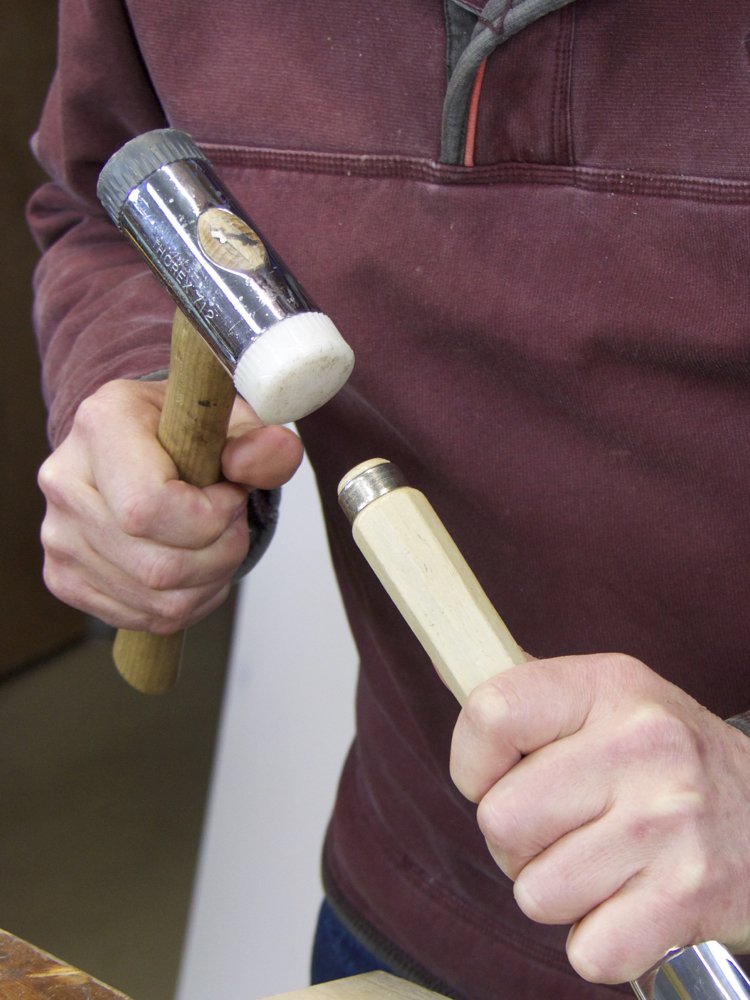
The mortise chisel took 17 chisel hammer blows to deliver the depth. The next cut adjacent to the one just made with the large mortise chisel was done with the 1/2” bevel-edged chisel and that took just 6 chisel hammer blows to go down to the 1 1/2". The bevel-edged chisel was indeed far more effective, efficient and much easier throughout. Just worth considering. No one else will tell you these things.

Much of this of course has to do with Newtons law of equal and opposite forces. Briefly, and from a novice, Newton’s Third Law talks about action and reaction, which basically means that for ever action there is an equal and opposite reaction.
Oh! And you might want to watch this video we did on YouTube to show the patterns we use.

Comments ()