
For the times they are a changin'
I write about hand methods of woodworking and have done so for two decades and more. I started to write about it because it seemed to me something in that era lacked the dynamism I experienced in my daily work and life designing and making. Change to me seemed a long way off, dauntingly impossible if I’m truthful. It seemed then that all of the magazines I wrote for advertised machines on every other page and my articles were lost. Little did I know people would like the counterculture. Other articles used mostly machines for the work. Routed dovetails and dadoes, jigs to guide wood over cutterheads and blades took up most pages and there I was again sandwiched somewhere I had no control over. Things have changed a little. I thought this might give some background to help those more recent to woodworking understand the demise I saw facing my craft. The internet for me was still a decade away. Magazines dominated back then. There wasn’t much of an alternative at all. I started to teach workshops at Woodcraft in San Antonio Texas, to expand the work and reach out to others. Some of you were there. Tool swap meets were another outlet to reach through and of course the New Legacy School of Woodworking is thriving now. The schedule is mostly up and we have but 50-60 spaces only this year. They are going quite quickly already.
When others draw comparisons with what I teach and write about with machine work, I like it. I like to look and think through what they say because it stimulates thought, yes, but it’s also good to get their take on things. I think other perspectives broaden our horizons. When it comes to machine versus hand tool methods I think I’ve thought long enough and hard enough to know what I really feel these days. If you haven’t really mastered woodworking hand skill, I think it might be less likely that everyone can fully understand the feelings I might speak of in blog posts, articles and videos. Some will, not everyone though.
In my work I use machines a little, much less than most full-time woodworkers. The smallest fraction of time if I’m honest. I think it’s always been that way. I know hand tools of every type inside out. I know machines just as well too. I’ve stripped both down to the bare bones and rebuilt them throughout my life. I like both, but hand tools I have found to be the most freeing in my work. It’s unlikely now that I would ever use a router to make a dovetail. never have and never will. I know, never say never. I doubt I will ever use a tablesaw and dado stack to cut housing dadoes either. These methods seem a bit primitive to me now for some reason. Overkill too. You see this is how I feel and not everyone feels the same way. This has nothing to do with my age. It’s to do with my choices.
People see some of my writings and miss my emphasis to dismantle the decades I might consider more an abuse my craft has suffered.
Three times this week people told to me that machine woodworking and hand tool woodworking were just different ways for working wood; two opposite sides of the same coin, if you will. I’m not altogether sure whether they or I understand what that means, but generally this means that two things are so closely aligned or similar to one another with only minimal difference. Often I have heard this through the years and people actually mean something quite different when they say it. Perhaps more that one way is as good as another and we’re really talking about the same thing at the end of the day. I think to myself, quietly, we’re actually not closely allied or aligned at all. I think that maybe some want to believe that a 12” circular saw blade with 80 tungsten carbide tips replete with expansion relief cuts spinning at 3,000 rpm is the same as a handsaw with 200 teeth, but for the life of me I see these as complete opposites entirely. So too that a Stanley hand plane is the same as 20” planer-jointer with a 3-HP motor. They may feel that they are as safe with these pieces of equipment as I am with the saw and plane, but they’re not. No matter how you slice it, they are not flip sides of the same coin.
I don’t think I have ever said that machines are bad, useless, unnecessary or should never be used. I have said that for certain groups, massive groups, the majority of people wanting to work with wood in fact, they are intimidating and should be intimidating and that they are highly invasive, intrusive, noisy, dirty and most often for most woodworkers, unseemly and generally totally unnecessary. Not only that, I’ve proved it.
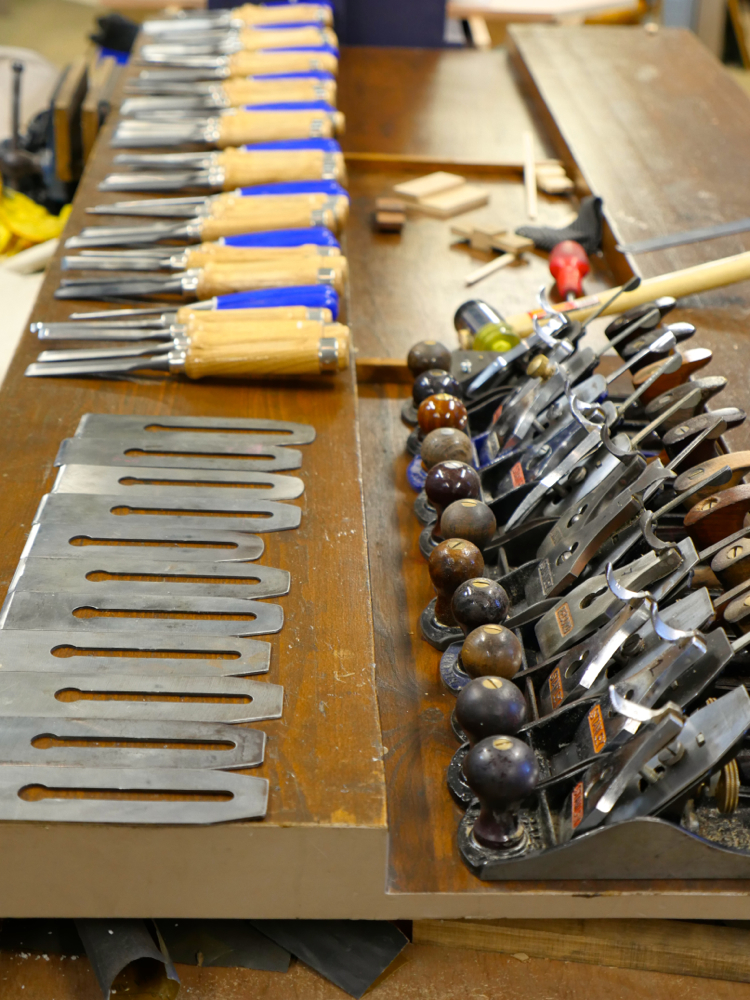
First of all I think it’s important to identify who woodworkers are and what woodworkers are. Often enough I read and hear that these two coin faces are the same as a journey and the thought is quite nice although rather simplistic to me. On the one hand you drive from A to B by car and arrive there in quick time, dry, comfortably warm and fresh. On the other hand you can walk, smell the flowers, stop when you want and take in the views. You may get wet or cold, ache from time to time but of course that’s all part of the experience. You will also take 20 to 30 time longer to cover the same ground but, hey, more experience is good. But the two are not the same journey even if they go on the same roads and pass the same scenes.
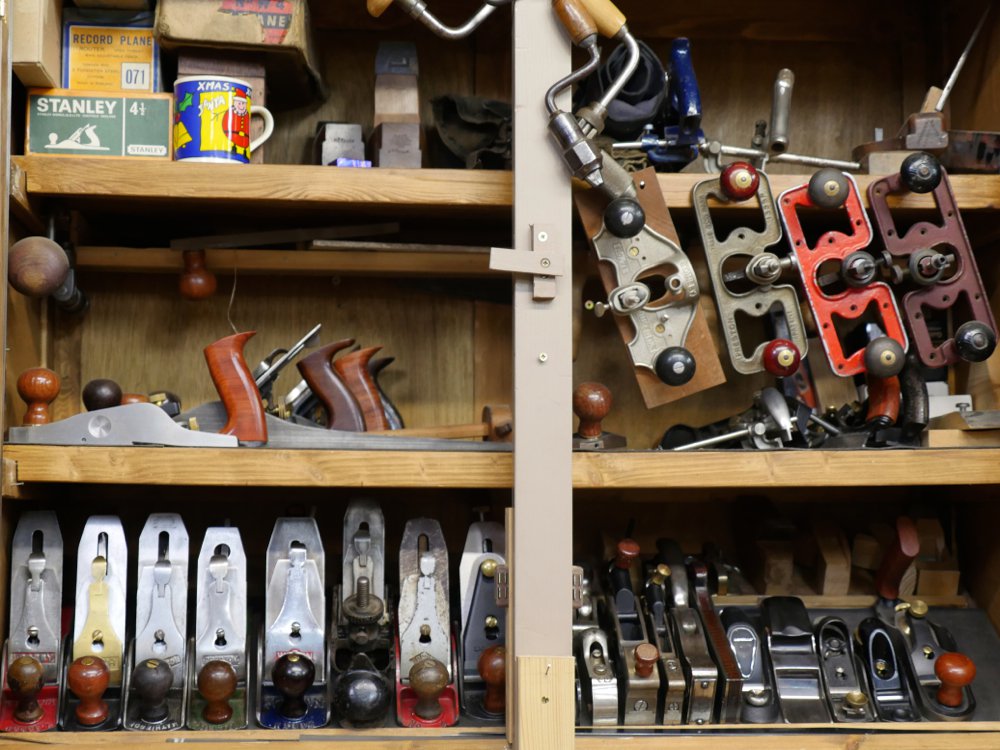
I thought about this seriously and wanted to get back to anyone who has expressed these differences in this way about working wood versus machine operating. I concluded this. Professional carpenters and even furniture makers must mostly use machines and work within the limits of those machines to be efficient and constructive with parameters surrounding costs. They gotta pay the bills. That’s a group we generally call professional woodworkers. On another sphere are people who do not work wood for a living. This is the majority shareholder in the world of woodworking in the west at least. This group massively outnumbers the professional group hundreds to one. This group actually wants to work wood because it finds the whole experience fulfilling, uplifting, rewarding aspirational, inspirational. This is the group I reached out to decades ago and today see emerging as the core element of who I personally do what I do for. This massive group wants to understand the traditions of hand work in woodworking and is prepared to fully invest immersively in everything to make that happen. I love that this is happening and an increasing level every day. It’s an amazing thing that today we are able to help woodworkers learn to master skills not just by the handful any more but by the thousands if not the hundreds of thousands. I love the fact that it matters so much to so many who now feel just the same way I have throughout my life.
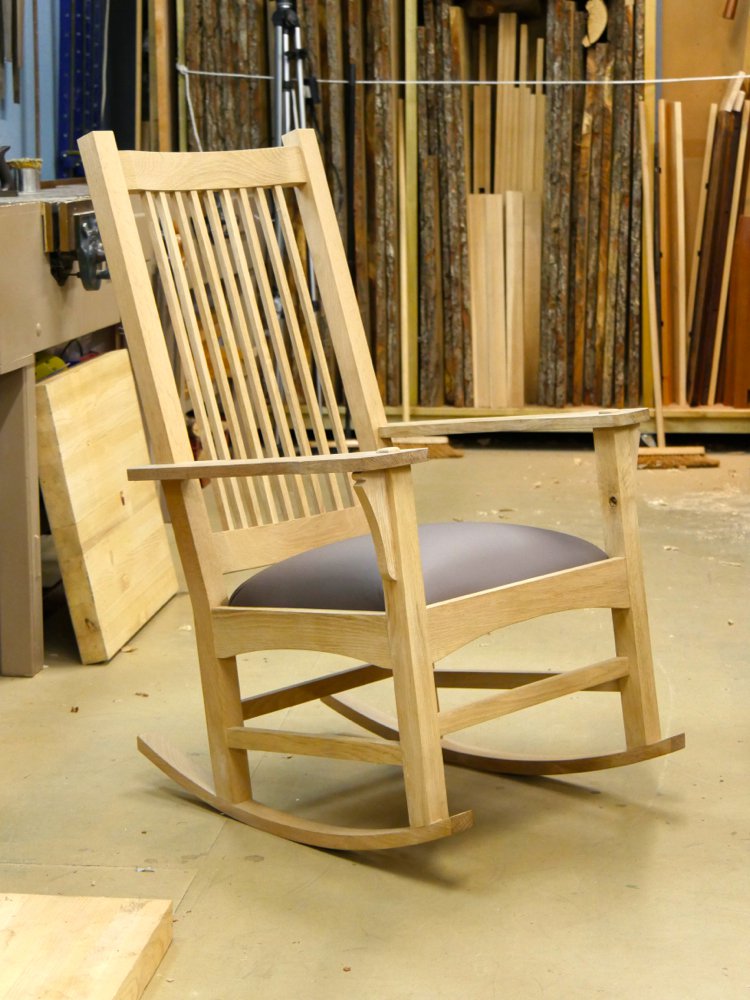
When I first started to express my concerns about the demise I saw, magazines were the only outlets by which to make change. The magazines were somewhat hamstrung and unable to truly express any views with much real potency because they were paid by the advertisers and advertisers then and now are predominantly selling machines. Thankfully the articles on hand woodworking gained more and more ground and a steady number of people started to seek out what we were declaring and proving worked. It wasn’t just me, lots of others got on board too. Today, judging by the hundreds upon hundreds of emails and comments and messages I get, people now understand fully that when we talk about machine woodworking we are identifying a highly sophisticated industrial process developed for mass manufacturing. We identify a strategy that’s intended to present machine woodworking as a modern and safe system for domestic use. There isn’t too much focus on the dangers that the processing of material is in the scheme of things.
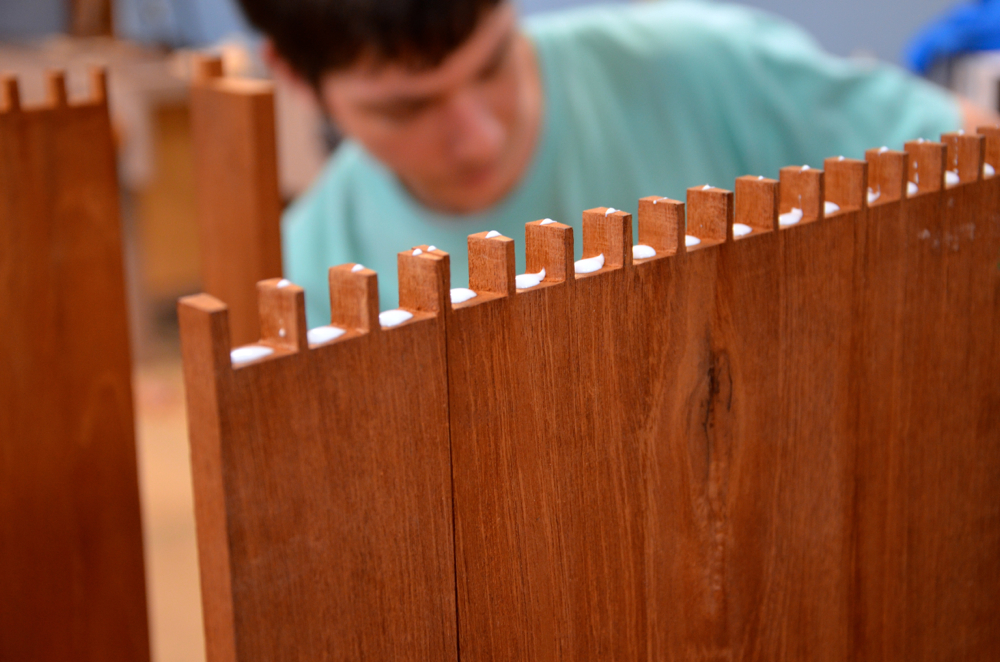
On another front, it has been refreshing to see how the internet has opened new horizons for the little fish to replace magazines to become the discussion groups and forums on each continent and in each language around the world. Now we get the real philosophy surrounding these diversely different worlds. Yes you must pick through the advertising and such, but then you find a gem and you follow it.
Trying to draw a parallel between the two worlds often shows a more modern view but rarely shows just how distorted perspectives have become. As I said, when I started out on this path it wasn’t really intentional until I saw the intent of the machine makers and mags and then I made it my intentional path to redress those imbalances I encountered. To do that I decided to speak one language only until others learned the language too. Hand tools became my way of connecting with those lost in the more of machine speak. It worked, it’s working and it will always work. Now i am not on my own (I never was really, it just felt like it most of the time). This secured my tenure and people that once wrongly thought my views were against machines started to listen and listen all the more. When people come to the school and see a machined stack of wood they are surprised to hear I have a full machine shop to machine the 500 pieces they see on the bench tops. If I turn on a bandsaw or use a drill driver they make noises as though I have some hidden closet issues, but that’s more because they don’t really associate me with machines. A brief explanation of finding the balance clears everything.
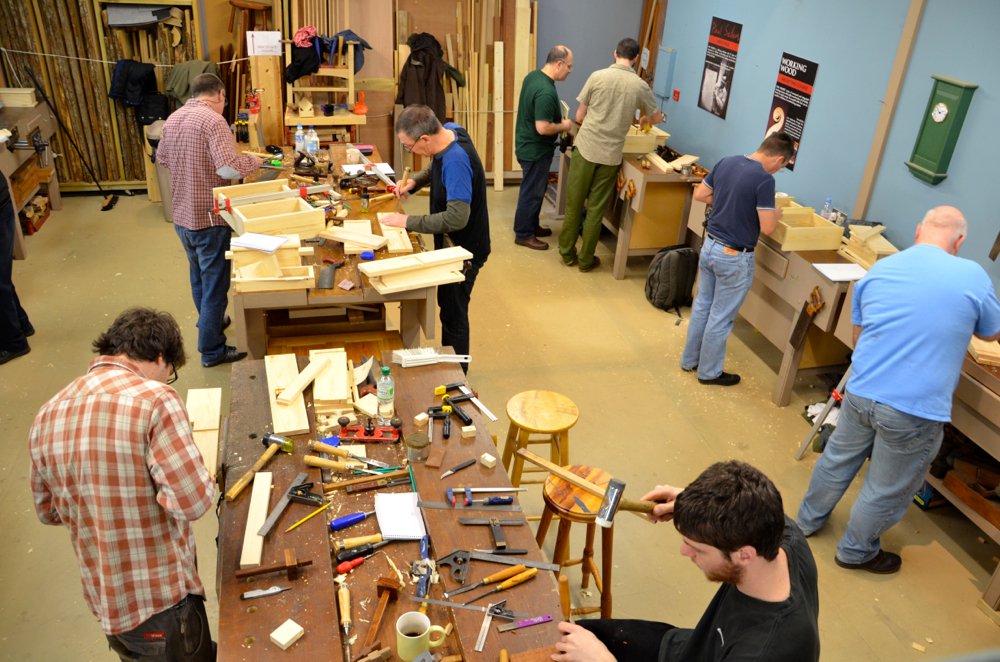
Back to something I said a little earlier. Through the years I discovered that there are indeed different camps, different perspectives and different intentions. Through the early decades of the last century amateurs were distinguished from professionals by the fact that amateurs used more hand tools and took their time to work the wood at weekends because the process was therapeutic, relaxing and an alternative to an otherwise stressful or boring life. Machines were made for industry and workers on machines were known as machinists back then. Something started happening in the 60s where machine manufacturers came out with scaled down models of industrial machines that suited the new home workshops. Mostly this was an American thing, but still highly influential. TV workshops came on the scene and increased people’s confidence enough to take up machine only methods of working wood. They saw now that they could create things without developing the kind of skills necessary for hand work. TV once again had a powerful influence that for decades showed the more modern way and people embraced the machines fully. This then left young people out of the workshop, but we are seeing change come. Suddenly machines had space allocated to them. A massive footprint not commonly available to most living in apartments and small houses, inner cities and high rises. These people too had a penchant to learn woodworking and of course what was available mostly was the New Yankee Workshop with PBS. Did it damage the face of woodworking. Well, perhaps it did and perhaps it didn’t. What it did was whet the appetite for people to get out there and do it themselves. It became something of a stepping stone. Yes, the big machine names were the backers but at least people saw wood being worked. Through the last two decades we saw new doors opening whereby people like myself could reach the new audience previously unattainable. Today we are seeing the resurgence I at one time could only dreamed might happen. I think it’s reaching out like this that we take back lost ground bit by bit. Please join us and tell your friends what you’ve discovered for today’s woodworker. get the youngsters out there with you. Let them join you in becoming a real woodworker in a real woodworking world doing real woodworking with your hands. You will never regret it. Its progressive, it’s real and it’s real power-tool woodworking at its best when you use your own hands, your own renewable energy custom matched to your own energy needs.
Comments ()